The History of Viticulture in Sonoma: A Journey Through Time and Sustainability
A Glimpse into Sonoma’s Wine Legacy
Sonoma County, California, is a name synonymous with world-class wine. The history of viticulture in Sonoma stretches back centuries, weaving a story of innovation, resilience, and environmental stewardship. From humble beginnings with Russian settlers to the modern era of sustainable vineyards, Sonoma has shaped the global wine industry. This article dives into that journey, exploring how climate change challenges the region and how winemakers are responding with sustainable practices, including special editions by Jackson Family Wines.
Early Roots of Sonoma Viticulture
The story of Sonoma’s wine begins in 1812, when Russian fur trappers planted the first grapevines along the Pacific coast at Fort Ross. These early vines, part of a small agricultural outpost, were a modest start for what would become a thriving industry. By 1857, Hungarian immigrant Count Agoston Haraszthy founded Buena Vista Vineyards, often credited as Sonoma’s first premium winery. His vision was bold—he traveled to Europe in 1861, bringing back over 100,000 cuttings from 350 grape varieties to elevate California’s wine production.
Haraszthy’s efforts earned him the title 'Father of California Viticulture,' but they weren’t without setbacks. His ambitious plantings inadvertently introduced phylloxera, a root-destroying pest, which devastated vineyards in the 1860s. Despite this, Sonoma’s growers persevered, replanting and refining techniques. By the late 19th century, Sonoma was gaining recognition for its diverse grape varieties, including Zinfandel, Chardonnay, and Pinot Noir, which thrived in its varied microclimates.

The Rise of Sonoma’s Wine Industry
The 20th century brought both challenges and growth. Prohibition in the 1920s halted commercial winemaking, but Sonoma’s family-owned vineyards survived by producing sacramental wines or selling grapes for home winemaking. After Prohibition’s repeal in 1933, the region rebounded. The 1970s and 1980s marked a turning point, as Sonoma’s American Viticultural Areas (AVAs) were established, highlighting unique regions like Russian River Valley and Alexander Valley. These AVAs showcased Sonoma’s diverse soils and climates, from cool coastal areas ideal for Pinot Noir to warmer valleys perfect for Cabernet Sauvignon.
By the 1980s, Sonoma was no longer in Napa’s shadow. Wineries like Kendall-Jackson and Jordan gained international acclaim, proving Sonoma’s ability to produce world-class wines. Today, with over 60 grape varieties across 19 AVAs, Sonoma’s viticulture is a testament to its adaptability and innovation. The region’s 60,000 acres of vineyards, 99% of which are certified sustainable, reflect a commitment to quality and environmental care.
The Impact of Climate Change on Viticulture
Climate change is reshaping Sonoma’s wine industry. Rising temperatures, unpredictable frosts, and prolonged droughts are challenging traditional growing practices. For instance, warmer summers accelerate grape ripening, potentially altering flavor profiles. Winemaker Jesse Katz of Aperture Cellars notes, 'We’re seeing hotter, wetter conditions and more frequent wildfires, forcing us to adapt every season.' These shifts threaten the delicate balance of Sonoma’s microclimates, which are critical for varieties like Pinot Noir and Chardonnay.
Wildfires, like those in recent years, have caused 'smoke taint,' where grapes absorb smoky flavors, rendering them unsuitable for winemaking. To combat this, growers are experimenting with earlier harvests and smoke-resistant vine clones. Water scarcity is another concern, as vineyards rely on precise irrigation. Many are adopting drip irrigation and dry farming to conserve water, ensuring vines remain resilient in drier conditions.
Exploring Sonoma’s Sustainable Vineyards
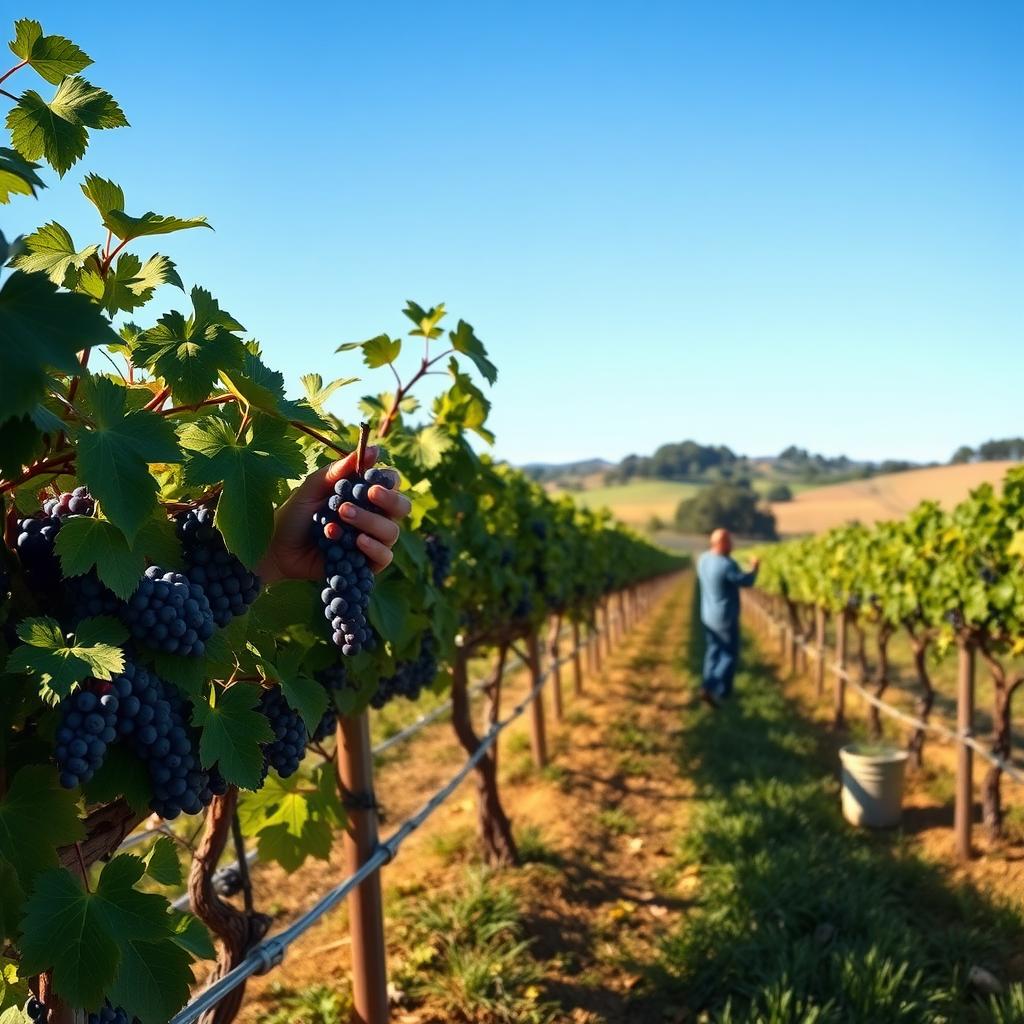
Sonoma leads the world in sustainable viticulture, with 99% of its vineyard acreage certified sustainable by third-party programs like the California Sustainable Winegrowing Alliance. This achievement reflects decades of environmental leadership. Sustainable practices include reducing chemical pesticides, using cover crops like clover to enrich soil, and integrating livestock like sheep to manage weeds naturally. Benziger Family Winery, a pioneer in biodynamic farming, uses compost and cover crops to create a self-sustaining ecosystem, producing acclaimed wines without synthetic inputs.
Wineries like Lynmar Estate and Truett-Hurst go further, embracing carbon-negative practices and restoring local watersheds. These efforts not only protect the environment but also enhance wine quality. Organic and biodynamic wines, like those from Halleck Vineyard, often express a purer sense of terroir, reflecting the unique soils and climates of Sonoma’s AVAs. Consumers increasingly seek these eco-friendly wines, driving demand for sustainable labels.
A Guide to Sustainable Winemaking
Sustainable winemaking in Sonoma is both an art and a science. Here’s a quick guide to key practices shaping the region’s eco-friendly approach:
- Organic Farming: Avoids synthetic pesticides and fertilizers, promoting healthier soils and grapes.
- Biodynamic Practices: Treats vineyards as living ecosystems, using natural compost and lunar cycles for planting.
- Water Conservation: Employs drip irrigation and dry farming to minimize water use.
- Carbon Sequestration: Uses cover crops and no-till farming to capture carbon in the soil.
- Renewable Energy: Solar and wind power, as seen at Anaba Wines, reduce carbon footprints.
These practices ensure Sonoma’s vineyards remain viable for future generations while producing exceptional wines.
Jackson Family Wines, a leader in sustainability, has set ambitious goals to cut its carbon footprint in half by 2030 and become climate-positive by 2050. Their special editions, like those from La Crema and Stonestreet, showcase how sustainable practices can yield premium wines. For example, La Crema’s Saralee’s Vineyard Pinot Noir reflects the cool-climate elegance of Russian River Valley, crafted with organic grapes and minimal intervention. These limited releases highlight Sonoma’s ability to balance tradition with innovation.

Personal Reflections on Sonoma’s Wine Culture
Visiting Sonoma’s vineyards feels like stepping into a living history book. The passion of family-owned wineries, like Mauritson Wines, is palpable. I’ve walked through their Alexander Valley vineyards, where sixth-generation grower Clay Mauritson shared stories of his family’s century-long commitment to the land. It’s inspiring to see how sustainability isn’t just a buzzword here—it’s a way of life. Tasting a glass of their Zinfandel, grown on soils nurtured by cover crops, you can taste the care in every sip.
Climate change adds urgency to these efforts. During a visit to Aperture Cellars, I learned how winemaker Jesse Katz adjusts harvest times to counter warmer temperatures, preserving the bright acidity of his Bordeaux-style blends. These adaptations show Sonoma’s resilience, blending science with tradition to protect its legacy.
Looking Ahead: Sonoma’s Sustainable Future
Sonoma’s viticulture is a blend of history, innovation, and environmental stewardship. From its Russian roots to its sustainable present, the region continues to evolve. The impact of climate change is undeniable, but Sonoma’s winemakers are meeting the challenge with creativity and commitment. By exploring sustainable vineyards and embracing practices like those in Jackson Family Wines’ special editions, Sonoma ensures its wines will delight for generations. For wine lovers, visiting Sonoma offers a chance to taste this legacy while supporting a greener future.