Beringer: A Legacy of Innovation in American Winemaking
A Timeless Legacy in Napa Valley
Beringer Vineyards, founded in 1876, stands as a pillar of American winemaking. As the oldest continuously operating winery in Napa Valley, its story is one of resilience, innovation, and a relentless pursuit of quality. From its German immigrant roots to its modern-day excellence, Beringer: A Legacy of Innovation in American Winemaking is a tale of vision and adaptation. This article dives into Beringer’s history, its impact on the wine industry, and why its wines continue to captivate enthusiasts worldwide.
The Founding of Beringer: A German Dream in California
In 1868, Jacob Beringer left Mainz, Germany, for the promise of America. Trained in winemaking and barrel-making, he found New York’s urban sprawl unappealing. Hearing of Napa Valley’s rocky soils and sunny climate—reminiscent of his native Rhine Valley—he moved west in 1870. By 1875, with his brother Frederick’s financial support, Jacob purchased 200 acres in St. Helena, laying the foundation for Beringer Vineyards. The brothers’ vision was bold: to craft wines rivaling Europe’s finest. They named their venture Los Hermanos, but it soon became Beringer, a name synonymous with quality.
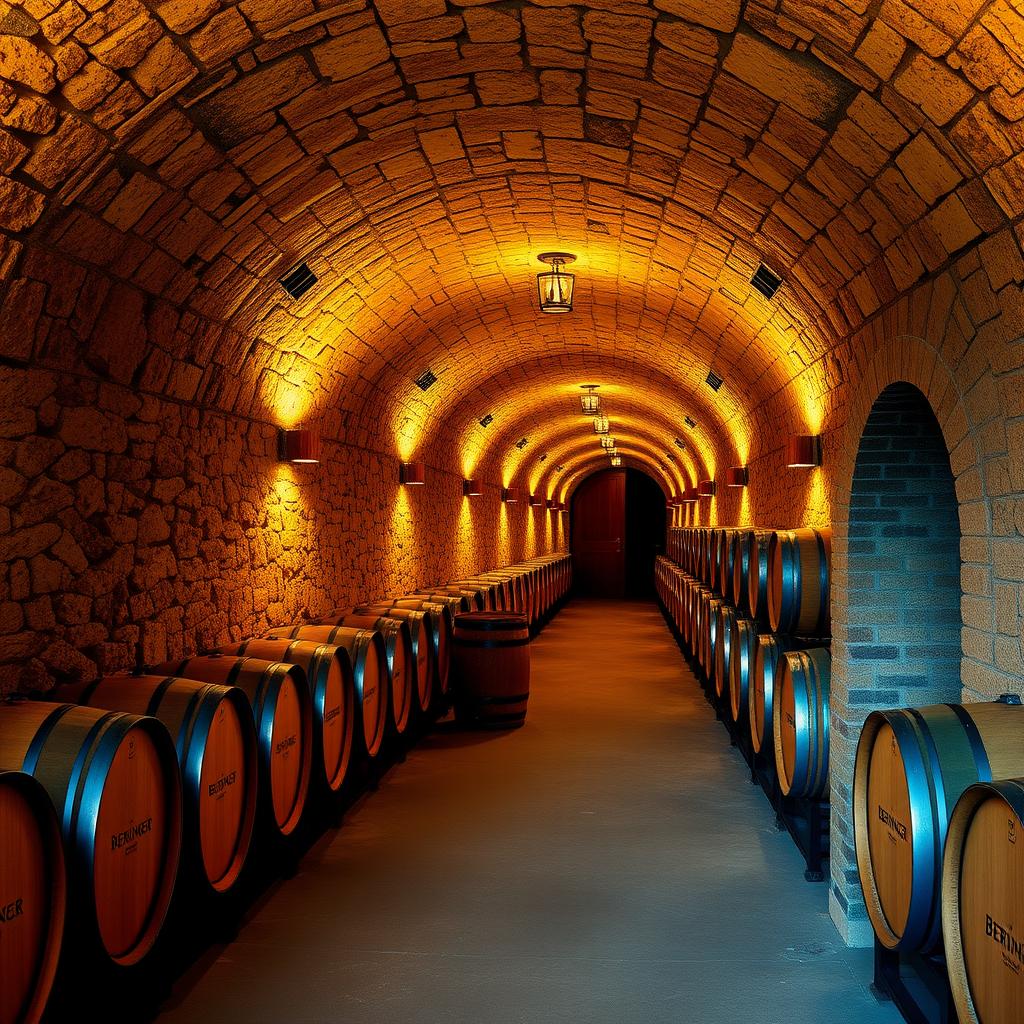
Jacob’s early years were hands-on. He worked as a cellar foreman for Charles Krug, a Napa pioneer, before striking out on his own. The winery’s first vintage in 1876 marked the start of a legacy. Jacob built a stone cellar and employed Chinese laborers to dig 1,000 feet of aging tunnels, a pioneering move to control wine quality. These tunnels, still in use today, reflect Beringer’s early commitment to innovation.
Surviving Prohibition: A Testament to Resilience
The History of American Wineries: From Prohibition to Present is incomplete without Beringer’s story. When Prohibition hit in 1920, most American wineries shuttered. Beringer, however, survived by securing a federal license to produce sacramental wines for religious purposes. Led by Bertha Beringer, Jacob’s daughter-in-law, the winery adapted creatively, even selling dried grape pumice that could be reconstituted into wine. This ingenuity, celebrated in Beringer’s Whisper Sister wine, kept the winery afloat during a dark era for the industry.
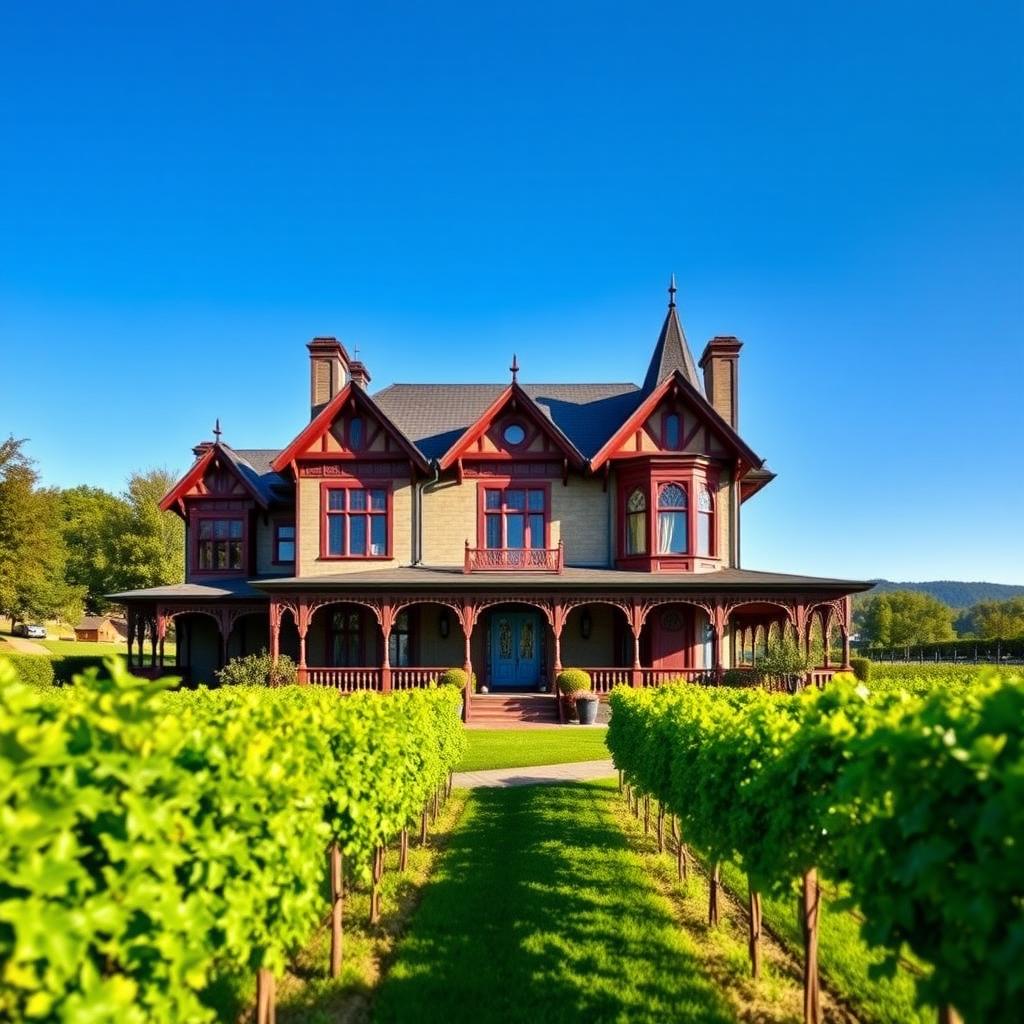
Post-Prohibition, Beringer pioneered Napa Valley’s wine tourism. In 1934, it became the first winery to offer public tours, a move that laid the groundwork for Napa’s thriving visitor economy. By 1939, Beringer was drawing Hollywood stars like Clark Gable and Carole Lombard, cementing its status as a cultural landmark. This hospitality tradition continues, with the winery’s Rhine House—built by Frederick in 1884—serving as a stunning backdrop for tastings and tours.
Innovation Through the Decades
Beringer’s commitment to innovation is evident in its winemaking advancements. In the 1970s, under winemaker Myron Nightingale, Beringer introduced the Nightingale wine, a botrytized late-harvest style inspired by French Sauternes. Nightingale’s work with his wife Alice at UC Davis and Cresta Blanca led to a unique winery-based method that mimicked natural vineyard conditions, producing a wine still cherished today.
In 1977, Beringer began fermenting Chardonnay and Cabernet Sauvignon in French oak barrels, elevating flavor complexity. The winery also launched its Private Reserve collection, showcasing the best Cabernet and Chardonnay grapes from select vineyards. This collection, including the 1986 Cabernet and 1994 Chardonnay, earned Wine Spectator’s #1 Wine of the Year, a feat no other winery has matched for both red and white wines.
Beringer Wine Tasting Notes: A Portfolio of Excellence
Beringer’s wines are as diverse as they are exceptional. Here’s a look at some standout offerings:
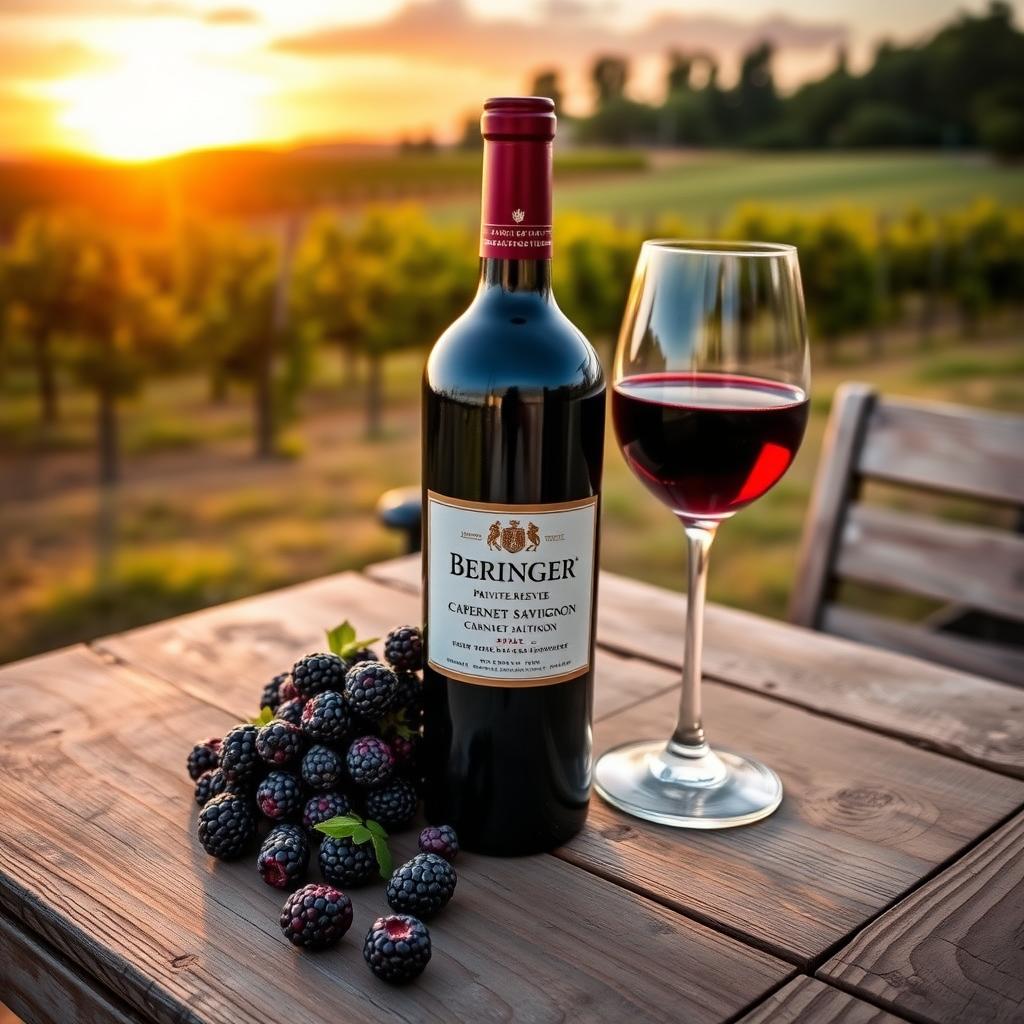
- Private Reserve Cabernet糕 Bold black cherry, cassis, and graphite notes with silky tannins and a smooth finish. Perfect with grilled steak. Price: ~$60 Wine-Searcher
- Knights Valley Cabernet Sauvignon: Rich and full-bodied, with black fruit, oak, and vanilla spice aromas. Pairs well with roasted lamb. Price: ~$25
- Founders’ Estate Chardonnay: Creamy texture with tropical fruit and apple notes. Complements seafood or creamy pasta. Price: ~$15
- Main & Vine White Zinfandel: Light, refreshing, with strawberry and citrus flavors. Ideal for summer salads. Price: ~$10
These Beringer wine tasting notes highlight the winery’s ability to craft wines for every palate, from collectible reserves to approachable daily sips.
Beringer’s portfolio spans seven premium collections, including the acclaimed Eight Maker, honoring Chief Winemaker Mark Beringer, and Beringer Bros., aged in bourbon barrels for complex flavors. Their single-vineyard wines, like those from Bancroft Ranch and Chabot Vineyard, showcase Napa’s diverse terroir.
Sustainability and Modern Practices
Beringer’s innovation extends to sustainability. All 405 hectares of its vineyards follow California’s “Keeping It Green In The Vineyard” program, reducing environmental impact while maintaining grape quality. A UC Davis study found that such practices can cut water and pesticide use by up to 30%, proving Beringer’s commitment to eco-friendly winemaking.
The winery also invests in research, with a dedicated cellar for oenology and sensory evaluation. This focus ensures consistent quality across its vast portfolio, from the budget-friendly Stone Cellars to the ultra-premium Private Reserve.
Visiting Beringer: A Journey Through History
A visit to Beringer is more than a tasting—it’s a step into wine history. The Legacy Tour takes you through the hand-dug tunnels and old winery, offering tastes of three wines for $35. The Taste of Beringer Tour ($55) pairs reserve wines with artisanal cheeses in the Rhine House. For collectors, the Private Reserve Vertical Tasting ($125) showcases four vintages of Cabernet Sauvignon, guided by a personal host. Reservations are recommended via Beringer’s website.
My first visit to Beringer left me in awe. The Rhine House’s stained-glass windows and lush gardens felt like a step back in time. Tasting the Private Reserve Cabernet was a highlight—its depth and smooth finish were unforgettable. The staff’s passion made the experience even more special, sharing stories of the Beringer brothers’ journey.
Beringer’s Impact on American Winemaking
Beringer’s influence on wine brands is profound. It set standards for quality, hospitality, and sustainability. Its firsts—gravity-fed facilities, public tours, and dual Wine Spectator awards—have shaped Napa Valley’s identity. Today, under Treasury Wine Estates, Beringer continues to innovate while honoring its 145-year legacy.
Summary
Beringer Vineyards is more than a winery; it’s a cornerstone of American winemaking. From surviving Prohibition to pioneering tourism and sustainable practices, Beringer blends tradition with innovation. Its award-winning wines and historic estate make it a must-visit for wine lovers. Explore its legacy and savor its timeless flavors.