Pairing Food and Wine: Simple Rules to Follow for a Perfect Match
Overview
Pairing food and wine doesn't have to be intimidating. With a few simple rules, you can create delicious combinations that enhance every bite and sip. This guide covers Pairing Food and Wine: Simple Rules to Follow, tips on How to Taste Wine Like a Pro, and why Wine and Cheese: A Match Made in Heaven. Plus, we'll explore pairing food with Jackson Family Wines for elevated dining experiences.
Why Food and Wine Pairing Matters
When you pair food and wine thoughtfully, each enhances the other. A good pairing makes flavors pop, balances textures, and turns a meal into a memorable experience. For centuries, cultures have paired local wines with their cuisines, like Italian Sangiovese with pasta or French Sancerre with goat cheese. The modern art of pairing, though, is about understanding taste interactions—sweet, sour, salty, bitter, and umami—and how they dance with wine’s acidity, tannins, and body.
I remember my first attempt at pairing wine with dinner: a bold Cabernet Sauvignon with a delicate fish dish. The wine overwhelmed the fish, leaving me disappointed. That taught me the importance of balance. Since then, I’ve learned that pairing is less about rigid rules and more about harmony. Let’s break it down with actionable tips you can use tonight.
Simple Rules for Pairing Food and Wine
Here are five straightforward rules to guide your pairings. These are flexible, so feel free to experiment once you’re comfortable.
-
Match Intensity: Pair bold foods with bold wines and light foods with light wines. A heavy steak loves a full-bodied Jackson Family Wines Cabernet Sauvignon, while a light salad pairs beautifully with their crisp Chardonnay. Matching intensity ensures neither the food nor wine overshadows the other.
-
Balance Acidity: Choose a wine with acidity equal to or higher than the food. For example, a tangy tomato sauce pairs well with a high-acid wine like Sauvignon Blanc. Acidity cuts through richness, refreshing your palate.
-
Sweetness Matters: The wine should be sweeter than the dish. A dessert sweeter than the wine can make the wine taste flat. Try a slightly sweet Riesling with spicy Asian dishes to balance flavors.
-
Consider Tannins: Tannic wines, like those from Jackson Family Wines (e.g., their Pinot Noir), pair well with fatty or protein-rich foods like steak or aged cheese. Tannins bind to proteins, softening the wine’s bitterness and enhancing its fruitiness.
-
Think Regional: Foods and wines from the same region often pair naturally. For instance, Jackson Family Wines from California’s Sonoma County pair wonderfully with local dishes like grilled salmon or artisanal cheeses, reflecting the “what grows together, goes together” philosophy.
How to Taste Wine Like a Pro
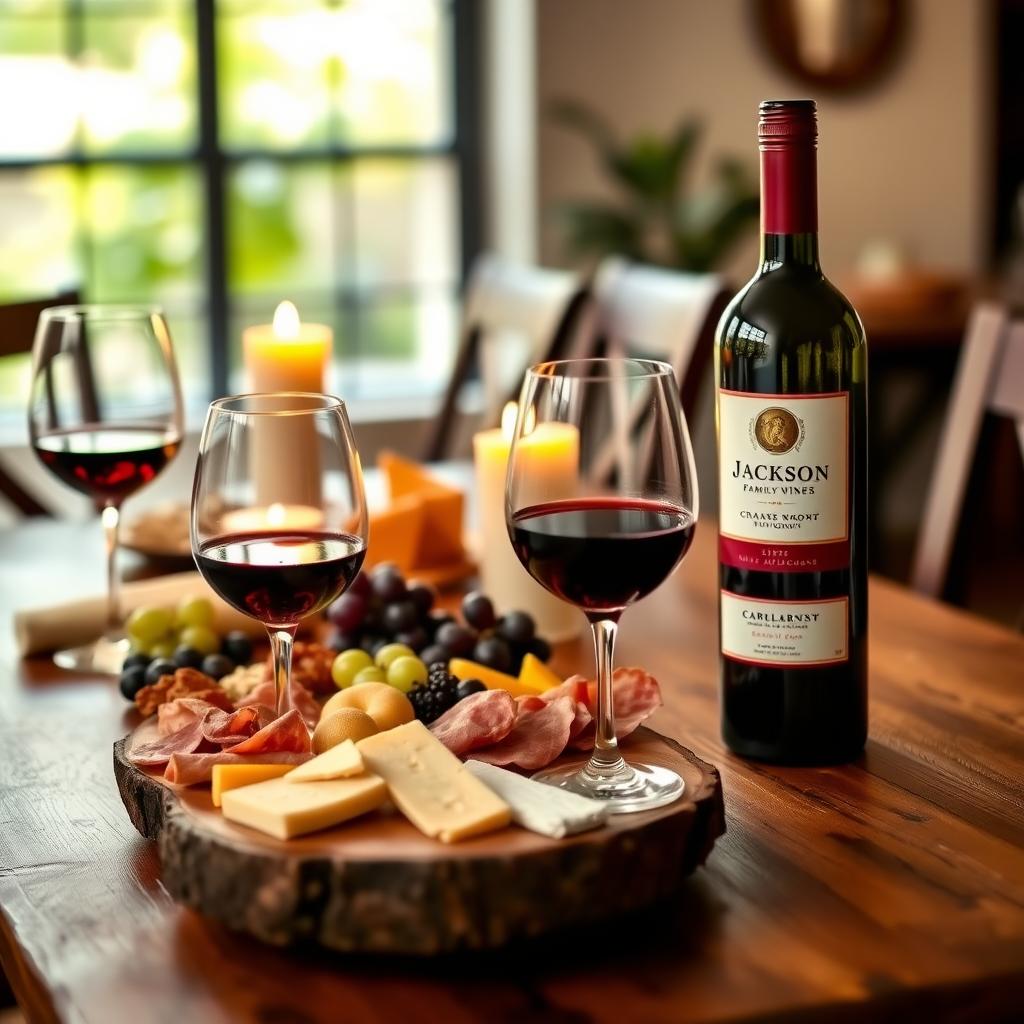
Tasting wine like a pro enhances your pairing experience. It’s about engaging your senses to understand a wine’s profile, which helps you match it with food. Here’s a simple process I’ve refined over years of tasting:
- Look: Hold the wine up to light. Note its color and clarity. A deep ruby red might suggest a bold Cabernet, while a pale straw hue indicates a crisp Sauvignon Blanc.
- Swirl: Swirl the wine in your glass to release aromas. This aerates the wine, revealing its character.
- Smell: Take a deep sniff. Identify fruit notes (like berries or citrus), earthiness, or oak. For example, Jackson Family Wines Chardonnay often has apple and vanilla notes, perfect for creamy dishes.
- Taste: Take a sip and let it linger. Notice sweetness, acidity, tannins, and body. Is it light or full? Bitter or fruity? This helps you decide if it complements or contrasts your dish.
- Reflect: Think about how the wine feels with the food. Does it enhance the flavors? Adjust your pairings based on this.
Practice this at home with Jackson Family Wines. Their diverse portfolio, from zesty Sauvignon Blanc to silky Pinot Noir, is perfect for honing your tasting skills. For more on tasting techniques, check out this guide from Cornell University’s Viticulture Program.
Wine and Cheese: A Match Made in Heaven
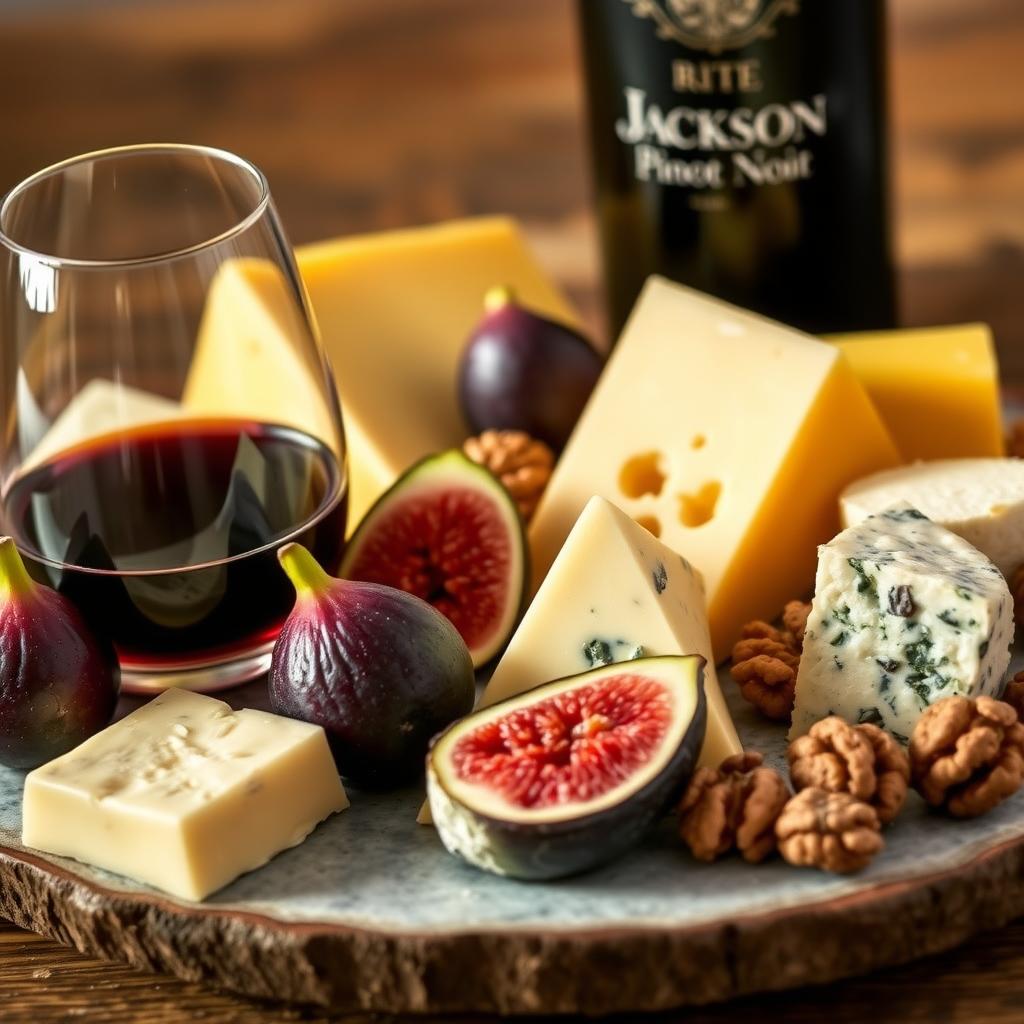
Few pairings are as iconic as wine and cheese. The fermentation processes of both create complex flavors that complement each other beautifully. Here’s how to nail Wine and Cheese: A Match Made in Heaven:
- Soft Cheeses (Brie, Camembert): Pair with medium-bodied reds like Jackson Family Wines Pinot Noir. The wine’s fruity notes balance the cheese’s creaminess.
- Hard Cheeses (Cheddar, Gouda): These love bold reds like Cabernet Sauvignon. The tannins cut through the cheese’s fat, highlighting its nutty flavors.
- Blue Cheeses (Gorgonzola, Roquefort): Sweet wines like Moscato d’Asti or Port contrast the cheese’s saltiness, creating a heavenly balance.
- Goat Cheese: Try a crisp Sauvignon Blanc from Jackson Family Wines. The wine’s acidity matches the cheese’s tanginess, creating a refreshing pairing.
I once hosted a wine and cheese night with Jackson Family Wines Chardonnay and aged cheddar. The wine’s buttery notes amplified the cheese’s richness, leaving everyone raving. For a deeper dive into cheese pairings, see this resource from the University of California, Davis.
Pairing Food with Jackson Family Wines
Jackson Family Wines offers a versatile range for pairing. Their commitment to sustainable winemaking and terroir-driven wines makes them a go-to for food lovers. Here are some pairings I’ve tried and loved:
| Dish | Jackson Family Wine | Why It Works |
|---|---|---|
| Grilled Salmon | Kendall-Jackson Vintner’s Reserve Chardonnay | The wine’s apple and citrus notes complement the fish’s delicate flavor. |
| Herb-Crusted Lamb | La Crema Sonoma Coast Pinot Noir | The wine’s berry and earthy notes enhance the lamb’s richness. |
| Mushroom Risotto | Hartford Court Russian River Valley Chardonnay | The wine’s creamy texture mirrors the risotto’s luxurious mouthfeel. |
| Dark Chocolate Dessert | Kendall-Jackson Grand Reserve Cabernet Sauvignon | The wine’s bold tannins balance the chocolate’s sweetness. |
When pairing food with Jackson Family Wines, consider the dish’s dominant flavors. For example, their Sauvignon Blanc’s herbal notes pair perfectly with a goat cheese salad, as the wine’s acidity cuts through the dressing’s oiliness. For more pairing ideas, visit Jackson Family Wines’ official site.
Experiment and Have Fun
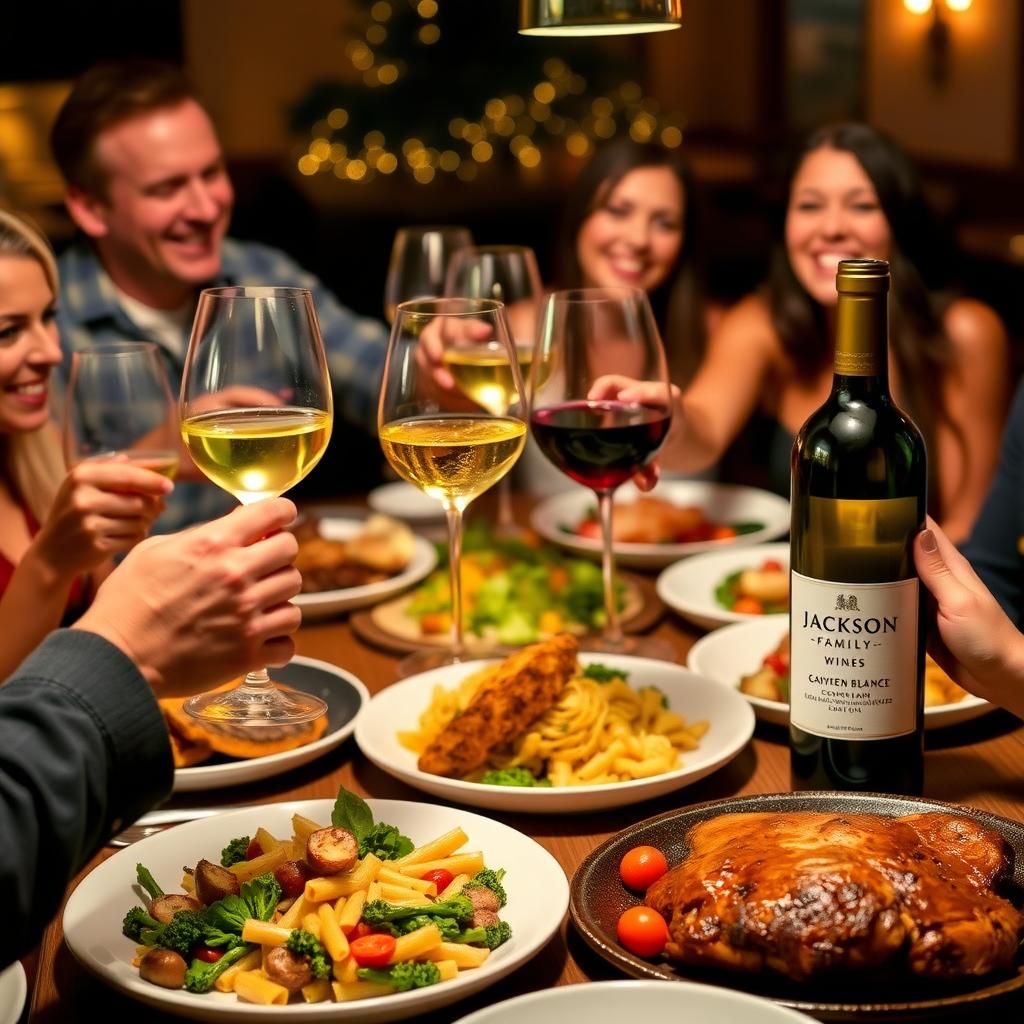
The beauty of pairing food and wine is experimentation. Don’t be afraid to break the rules. Once, I paired a spicy Thai curry with a slightly sweet Jackson Family Wines Riesling. The sweetness tamed the heat, creating a surprising harmony. Host a tasting party with friends, try different combinations, and note what works. The Wine and Spirit Education Trust (WSET) offers great tips for hosting such events.
Summary
Pairing food and wine is about balance, experimentation, and joy. By matching intensity, balancing acidity, and considering regional pairings, you can create unforgettable meals. Practice tasting wine like a pro to understand its nuances, and embrace classics like Wine and Cheese: A Match Made in Heaven. With Jackson Family Wines, you have a versatile palette to explore. Keep these simple rules in mind, but don’t shy away from trying new combinations to discover what delights your palate.