How Terroir Shapes Your Favorite Wines: A Journey Through Napa Valley
Overview
Ever wondered why your favorite wine tastes the way it does? The secret lies in terroir, a French term that captures the magic of a vineyard’s soil, climate, and landscape. From the rolling hills of Napa Valley to the historic Beringer Vineyards, this article uncovers How Terroir Shapes Your Favorite Wines and offers insights from a day spent exploring Beringer’s iconic estate.
What Is Terroir?
Terroir is the heartbeat of winemaking. It’s the unique combination of natural elements—soil, climate, topography, and even human touch—that gives each wine its distinct personality. Think of it as the vineyard’s fingerprint. No two places produce the same wine, even if they use the same grapes. This is why a Cabernet Sauvignon from Napa Valley tastes different from one grown in Bordeaux.
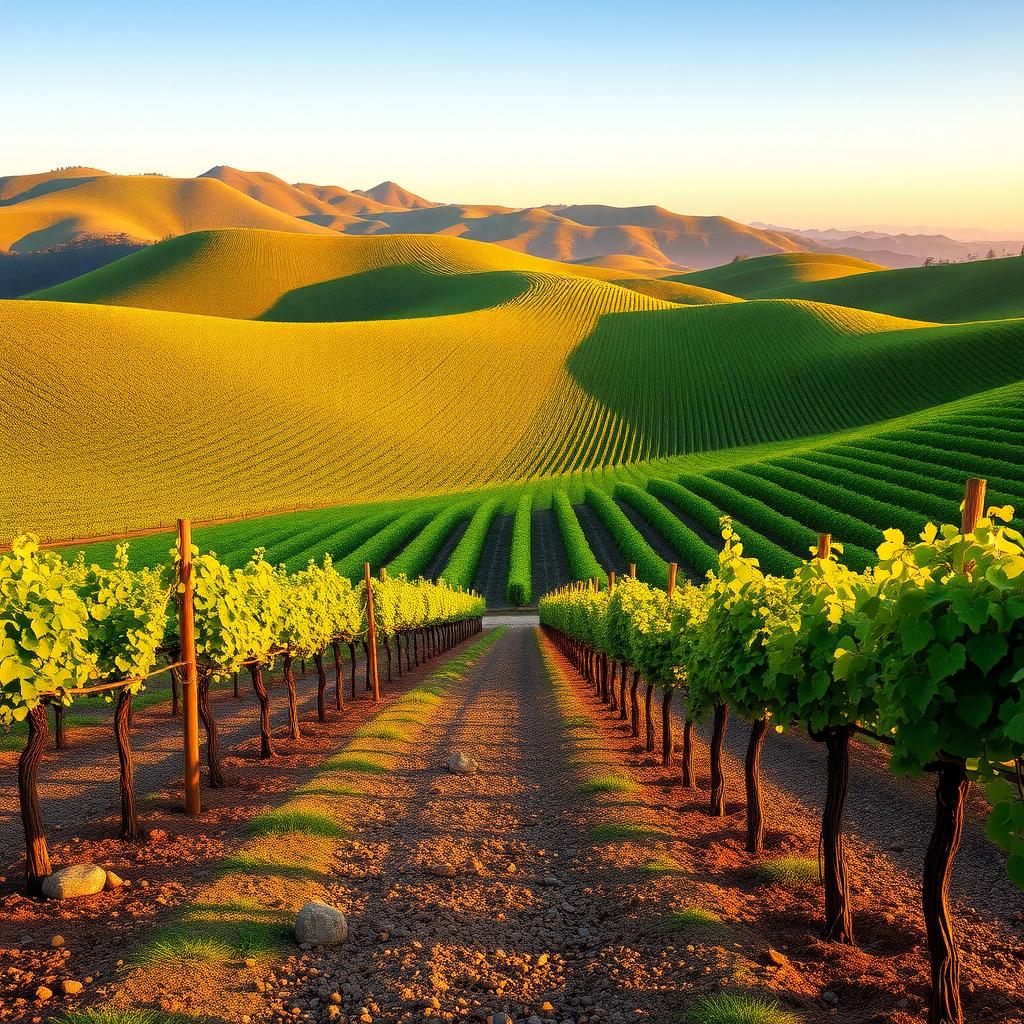
Soil is the foundation. Limestone soils, like those in Burgundy, create wines with crisp acidity. Gravel, common in Napa, drains well and warms the vines, producing bold, structured reds. Climate plays its part too—warm days and cool nights in Napa Valley help grapes ripen while keeping their freshness. Topography, like the slopes of a vineyard, affects sunlight and drainage, shaping the grapes’ flavor.
Human influence matters as well. Winemakers decide when to harvest, how to prune, and whether to irrigate. At Beringer Vineyards, for example, their careful farming practices enhance the natural terroir, resulting in wines that reflect Napa’s unique environment. Understanding terroir helps you appreciate why each sip tells a story of its origin.
A Day at Beringer: Vineyard Tour Insights
Walking through Beringer Vineyards in St. Helena feels like stepping into a piece of Napa’s history. Founded in 1876, Beringer is the oldest continuously operating winery in the region, and its Taste of Beringer Tour is a must for wine lovers. My visit there revealed how terroir comes to life in every glass.
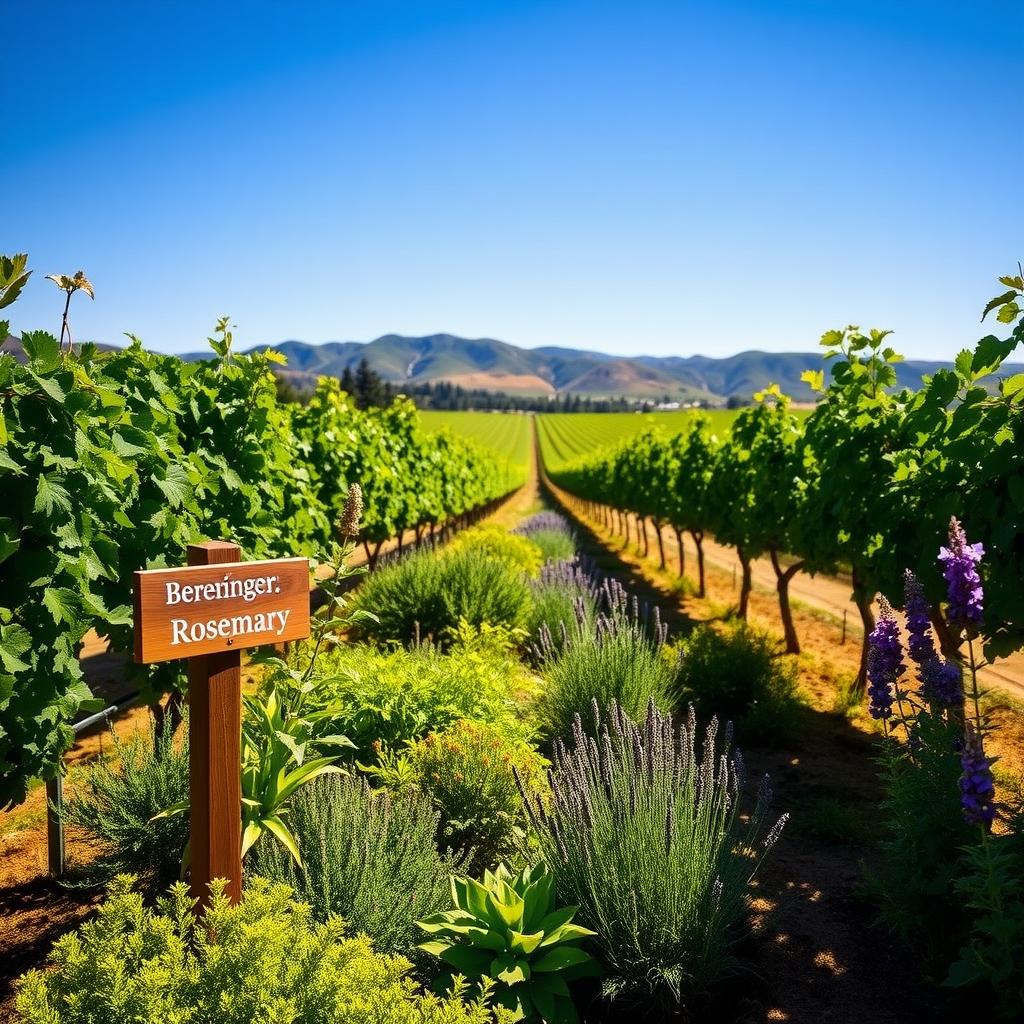
The tour begins at the Beringer Welcome Center, where you’re greeted by the scent of rosemary and lavender from their sensory garden. This garden isn’t just for show—it’s a hands-on lesson in how aromas like herbs or fruit influence wine flavors. I plucked a grape from an experimental vineyard and tasted its raw, juicy sweetness, a direct connection to the land.
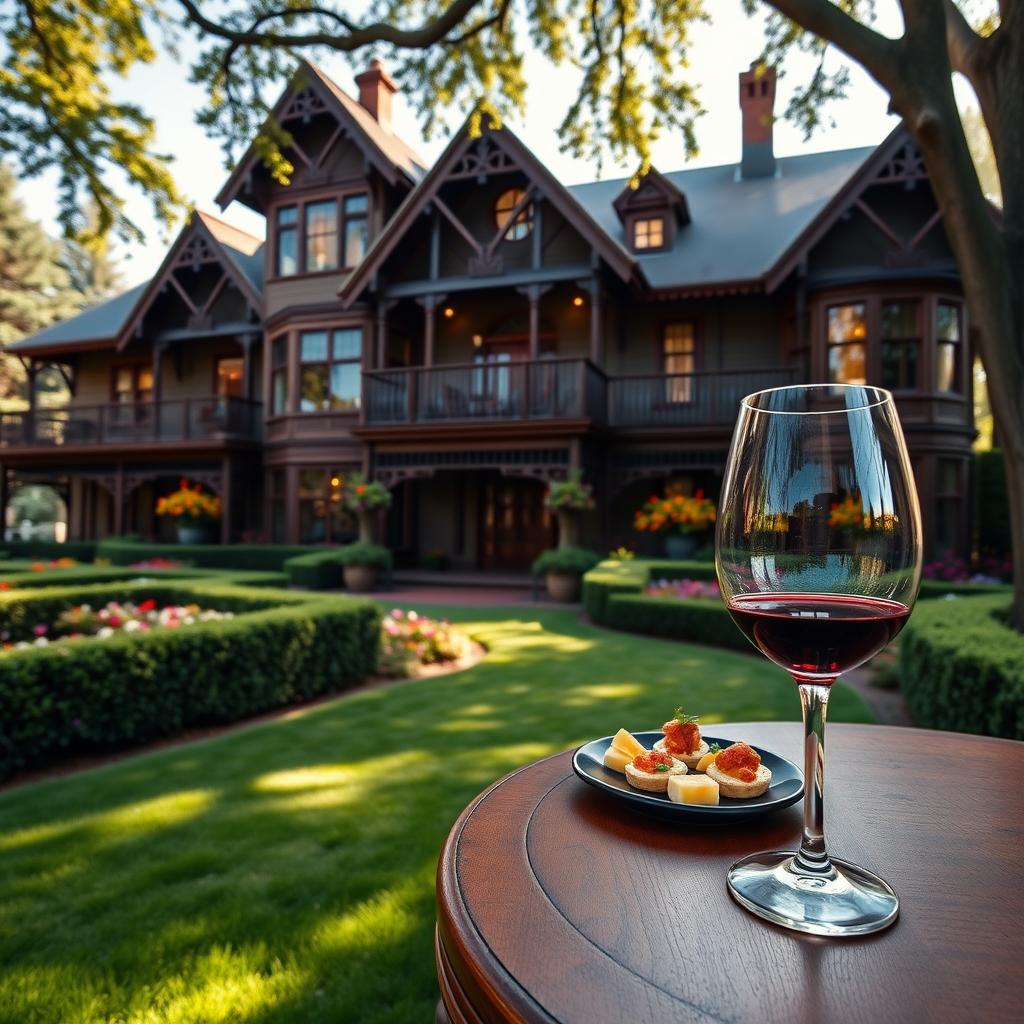
Next, the tour winds through the estate to the historic Rhine House, a stunning Victorian mansion built in 1883. Here, I sat for a guided tasting of six reserve wines, each paired with seasonal bites crafted by Beringer’s culinary team. One standout was their Bancroft Ranch Howell Mountain Merlot paired with a mushroom arancini. The wine’s dark fruit notes danced with the dish’s savory richness, showing how terroir and food work together.
The guide explained how Beringer’s vineyards, like the Borrow Pit Vineyard, benefit from unique soils. This site’s gravelly loam creates small, intense grapes with concentrated flavors. It’s a perfect example of How Terroir Shapes Your Favorite Wines—the land dictates the wine’s character, and Beringer’s team brings it to life.
How to Choose the Right Wine for Your Palate: Tips from Beringer
Choosing a wine that suits your taste can feel overwhelming, but Beringer’s experts shared practical tips that make it easier. Here’s what I learned during their Beringer wine tasting events to help you find your perfect pour:
| Tip | Details |
|---|---|
| Know Your Preferences | Do you like bold, fruity reds or crisp, light whites? Start with what you enjoy and explore similar styles. |
| Consider Food Pairings | Match wine to your meal. Rich dishes like steak pair well with Cabernet Sauvignon, while seafood loves Chardonnay. |
| Trust Your Senses | Smell and taste the wine slowly. Notice fruity, earthy, or spicy notes to find what excites your palate. |
| Ask for Guidance | Beringer’s staff are experts at recommending wines based on your tastes and the occasion. |
| Experiment with Terroir | Try wines from different regions to see how terroir changes flavors. Napa’s bold reds differ from Tuscany’s earthy ones. |
During the tasting, I discovered I lean toward wines with bright acidity and fruit-forward profiles, like Beringer’s Chardonnay. The staff suggested pairing it with a creamy pasta to balance its crispness—a tip I’ve since used at home with great success. These How to Choose the Right Wine for Your Palate: Tips from Beringer make wine selection approachable and fun.
Why Beringer’s Tastings Stand Out
Beringer wine tasting events are more than just sipping wine—they’re an education in flavor and history. The Taste of Beringer Experience, priced at $95 per person, lasts 90 minutes and includes a walking tour, sensory garden visit, and a seated tasting in the Rhine House. With only 18 guests per session, it feels personal and immersive.
What sets Beringer apart is their focus on terroir-driven wines and culinary pairings. Their team sources organic vegetables from the estate’s garden, ensuring every bite complements the wine. For example, a summer pairing of Borrow Pit Cabernet with a mini-BLT sandwich was a revelation—the wine’s tannins softened against the pork belly’s richness.
The experience also dives into Beringer’s history, from its founding in 1868 to its role as Napa’s first public winery tour in 1934. You’ll learn about the Hudson House, home to Napa’s first culinary school, and how Beringer’s legacy shapes modern winemaking. It’s a blend of education, flavor, and storytelling that lingers long after the last sip.
Bringing Terroir Home
You don’t need to visit Napa to appreciate terroir. Next time you sip a wine, think about its origin. Is it from a sunny valley or a cool, coastal region? Check the label for clues about the vineyard’s soil or climate. Pair your wine with foods that enhance its flavors—think cheese with reds or citrus with whites.
If you’re planning a trip, A Day at Beringer: Vineyard Tour Insights shows why Beringer is a top choice. Their tours offer a deep dive into how terroir shapes wine, paired with practical tips for choosing bottles you’ll love. Book a tour at Beringer’s website for an unforgettable experience.
Summary
Terroir is the soul of wine, blending soil, climate, and human care to create unique flavors. Beringer Vineyards brings this to life through immersive tours and tastings, teaching you how to choose wines that match your palate. From sensory gardens to historic tastings, a visit to Beringer reveals the art and science of winemaking.