Sustainable Winemaking Practices at Jackson Family Wines: A Model for the Future
Overview
Jackson Family Wines is a name synonymous with quality and sustainability in the wine world. With a portfolio of over 40 wine brands, including the renowned Kendall-Jackson and La Crema, they’ve set a high bar for eco-conscious winemaking. Their sustainable winemaking practices at Jackson Family Wines focus on reducing environmental impact while crafting exceptional wines. This article dives into their innovative approaches, from water conservation to regenerative farming, and shares insights from my experiences with their wines.
A Legacy Rooted in Sustainability
Founded in 1982 by Jess Jackson, Jackson Family Wines started with a simple belief: great wines come from great vineyards. Jess’s philosophy, “Take care of the land, and it will take care of you,” still guides the company today. Now led by Barbara Banke and the next generation, including Katie Jackson, the winery operates across California, Oregon, and beyond, with a steadfast commitment to sustainability.
Their journey began in Sonoma County, where diverse soils and coastal climates create ideal conditions for growing premium grapes. But it’s their forward-thinking practices that make Jackson Family Wines stand out. From the start, they’ve embraced methods to protect the land, reduce waste, and support communities, making them a global leader in sustainable winemaking.

Water Conservation: Every Drop Counts
Water is the lifeblood of winemaking, but it’s a precious resource. Jackson Family Wines has slashed water use by 41% since 2008, a remarkable feat in an industry often criticized for waste. They use smart irrigation systems that monitor soil moisture to water only when needed. Rainwater harvesting captures runoff for reuse, and on-site wastewater treatment systems recycle water for vineyard operations.
One standout innovation is their waterless tank sanitation system, which uses ultraviolet light instead of water to clean fermentation tanks. This not only saves water but also reduces chemical use, ensuring cleaner, safer processes. During a visit to their La Crema winery, I saw these systems in action—impressive technology that doesn’t compromise the quality of their crisp Pinot Noirs.
Regenerative Farming for Healthier Soils
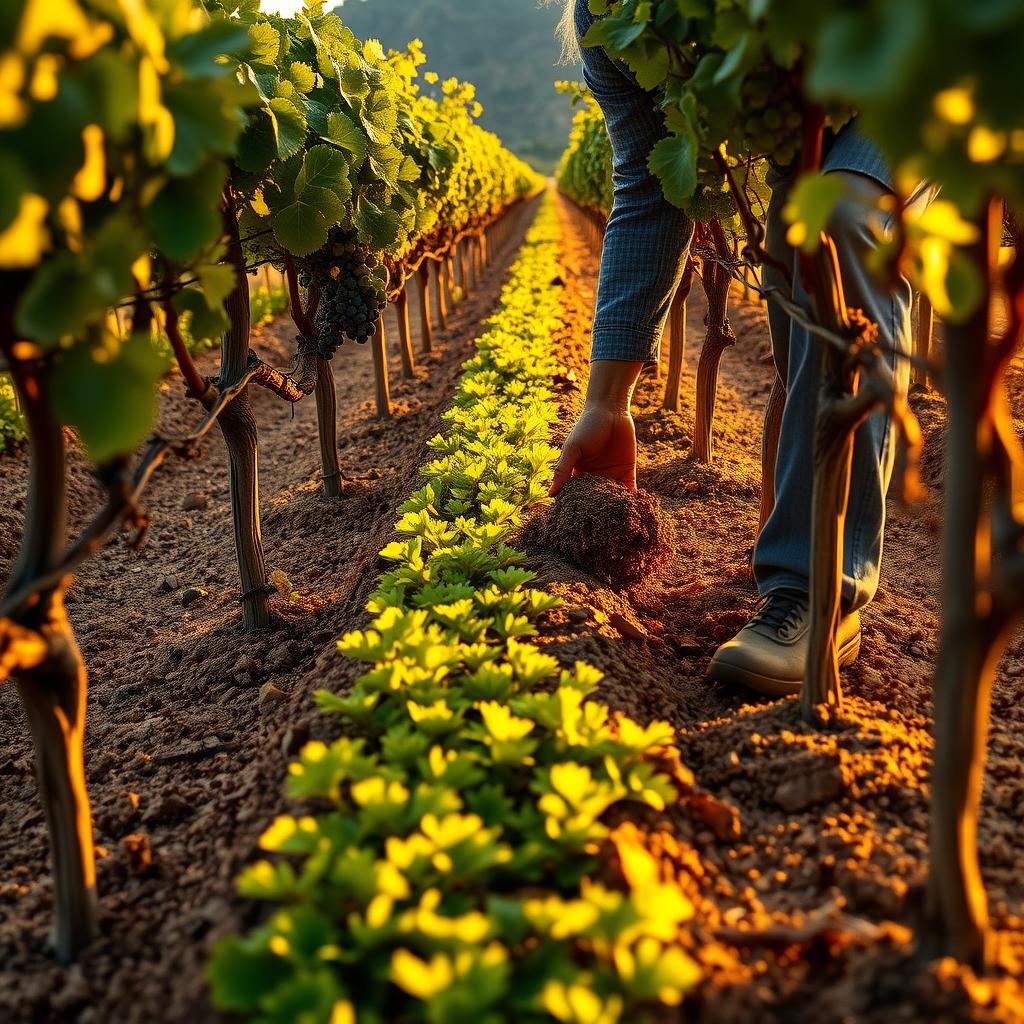
Jackson Family Wines is transitioning all its estate vineyards to regenerative farming by 2030. This approach goes beyond organic farming by focusing on soil health, carbon sequestration, and biodiversity. They use cover crops like clover and mustard to enrich soil and prevent erosion. These crops also attract beneficial insects, reducing the need for pesticides.
Composting is another key practice. Grape pomace (the skins and seeds left after pressing) is mixed with animal manure to create nutrient-rich compost, which nourishes the vines naturally. This closed-loop system minimizes waste and boosts vineyard resilience. Tasting their Freemark Abbey Cabernet Sauvignon, I couldn’t help but appreciate how these practices enhance the wine’s rich, earthy notes—a true reflection of healthy terroir.
Renewable Energy and Carbon Reduction
Jackson Family Wines is the largest generator of on-site solar energy in the U.S. wine industry, with over 23,000 solar panels producing 8.6 million kWh annually. This powers 30% of their winemaking operations, equivalent to taking over 1,000 cars off the road each year. They’re also exploring wind turbines and floating solar arrays to reach 50% renewable energy by 2025.
Their “Rooted for Good” plan, launched in 2021, aims to cut carbon emissions in half by 2030 and achieve climate positivity by 2050 without relying on offsets. Lightweight bottles made with over 50% recycled glass further reduce their carbon footprint. Sipping a glass of Kendall-Jackson Vintner’s Reserve Chardonnay, I’m reminded that sustainability can taste as good as it feels.
Social Responsibility and Community Impact
Sustainability isn’t just about the environment—it’s about people too. Jackson Family Wines fosters diversity and inclusion, with 61% of their winemakers in California being women, far above the industry average. They’ve established programs for Latinx leadership and scholarships for underrepresented groups, ensuring a more equitable workplace.
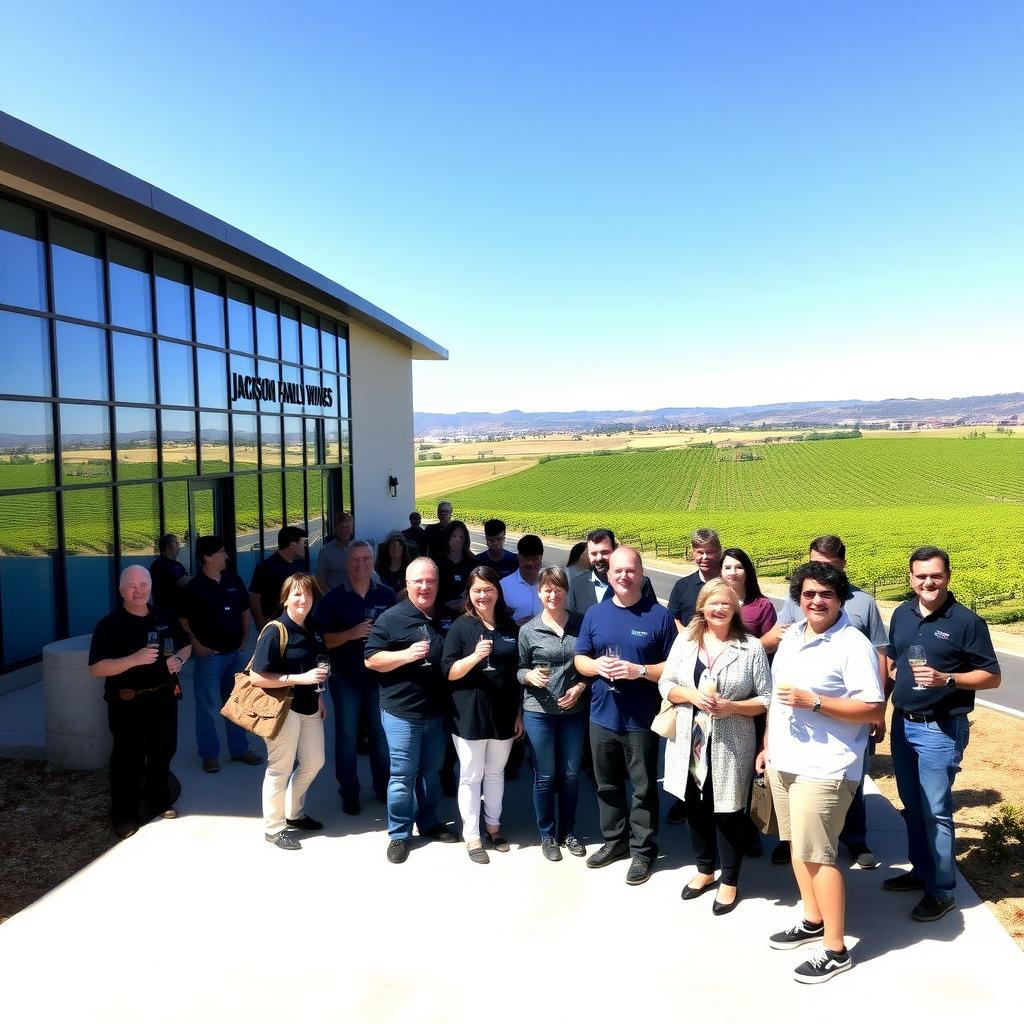
Their community efforts include volunteer programs and donations to local nonprofits. They also fund educational initiatives, like the Jess S. Jackson Sustainable Winery Building at UC Davis, a net-zero facility that trains future winemakers in sustainable practices. These efforts show that Jackson Family Wines cares as much about its people as it does about its planet.
Jackson Family Wines Wine Reviews: Tasting the Results
The proof of sustainable winemaking is in the bottle. Jackson Family Wines’ portfolio includes iconic brands like Kendall-Jackson, La Crema, and Cardinale, each showcasing unique flavors shaped by their eco-friendly practices. Here’s a quick look at some standout wines:
| Wine Brand | Varietal | Flavor Notes | Pairing Suggestion |
|---|---|---|---|
| Kendall-Jackson Vintner’s Reserve | Chardonnay | Buttery, tropical fruit, crisp finish | Grilled seafood |
| La Crema | Pinot Noir | Cherry, spice, silky texture | Mushroom risotto |
| Freemark Abbey | Cabernet Sauvignon | Black cherry, oak, bold tannins | Grilled steak |
During a tasting, the Kendall-Jackson Chardonnay stood out for its balanced richness, pairing beautifully with a light shrimp dish. La Crema’s Pinot Noir, with its spicy undertones, elevated a simple pasta dinner. These wines prove that sustainability and quality go hand in hand.
Challenges and Future Goals
Winemaking isn’t without challenges, especially in a changing climate. Droughts and wildfires threaten California’s vineyards, but Jackson Family Wines tackles these with technology like satellite monitoring and soil sensors to optimize irrigation. Their commitment to sharing knowledge through the International Wineries for Climate Action (IWCA), co-founded with Familia Torres, encourages other wineries to adopt sustainable practices.
Looking ahead, their goals include sourcing 85% of grower fruit from certified sustainable vineyards and diverting 95% of waste from landfills. These ambitious targets show their dedication to continuous improvement, ensuring their wines remain exceptional while protecting the planet.
Summary
Jackson Family Wines is redefining winemaking with sustainable practices that prioritize the environment, community, and quality. From regenerative farming to renewable energy, their efforts set a standard for the industry. Their wines, celebrated in Jackson Family Wines wine reviews, reflect the care put into every step. To learn more, explore their sustainability initiatives and taste their exceptional wines for yourself.