Sustainable Winemaking at Jackson Family Wines: A Legacy of Stewardship
Overview
Jackson Family Wines has been a trailblazer in sustainable winemaking since its founding in 1982. With a portfolio of over 40 wine brands and vineyards spanning California, Oregon, and beyond, their commitment to environmental stewardship shapes every bottle. This article explores their innovative practices and global impact.
A Family Rooted in the Land
Founded by Jess Jackson in 1982, Jackson Family Wines began with a simple belief: great wines come from great vineyards. Jess, a farmer at heart, purchased an 80-acre orchard in Northern California in 1974 and planted Chardonnay grapes, launching the iconic Kendall-Jackson brand. Today, led by Barbara Banke and the Jackson family, the company oversees 50,000 acres of vineyards across California, Oregon, France, Italy, Australia, Chile, and South Africa. Their philosophy? Care for the land, and it will care for you.
This ethos drives their sustainability efforts. For the Jacksons, sustainability isn’t a buzzword—it’s a way of life. From their first vine to their latest vintage, they’ve worked to protect the environment while crafting wines of distinction. Their flagship brand, Kendall-Jackson, along with others like La Crema and Cambria, reflects this balance of quality and responsibility.
Sustainable Winemaking at Jackson Family Wines
Sustainable winemaking at Jackson Family Wines is built on four pillars: land conservation, water management, renewable energy, and social responsibility. These principles guide their operations across all Jackson Family Wines vineyards locations, ensuring a positive impact on both the planet and their communities.
Land Conservation
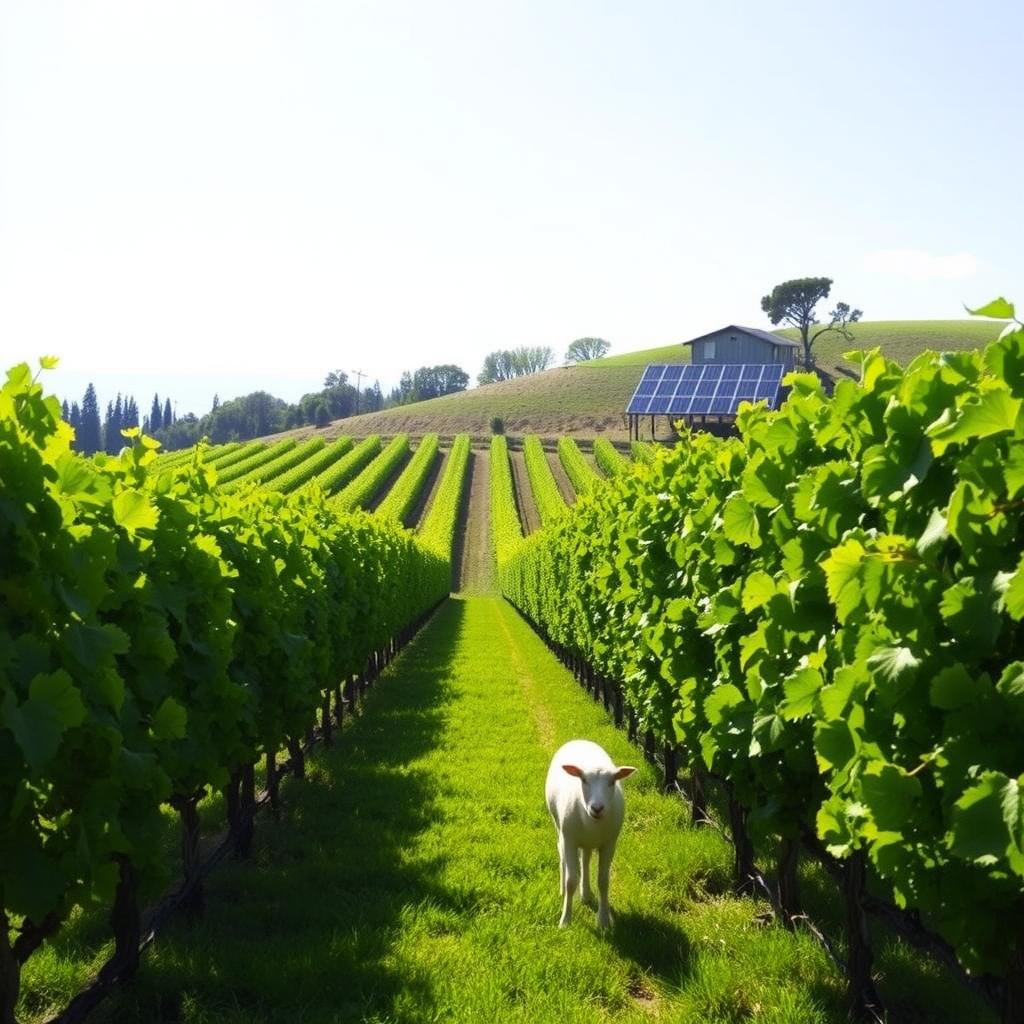
The Jacksons aim to transition 100% of their estate vineyards to regenerative farming by 2030. Regenerative farming goes beyond organic practices, focusing on soil health, carbon sequestration, and biodiversity. They use cover crops, compost from grape skins and animal waste, and minimal tillage to keep soils rich and resilient. Their Napa Valley vineyards are already organically certified, and their Sonoma and Oregon estates are certified sustainable through programs like Certified California Sustainable Winegrowing (CCSW) and Low Input Viticulture and Enology (LIVE). By grazing Dorper sheep to control weeds, they reduce the need for heavy machinery, cutting emissions and soil compaction.
Water Management
Water is precious, especially in drought-prone regions like California. Jackson Family Wines has saved over 28 million gallons of water annually through innovative practices. They capture rainwater, recycle water for irrigation, and use waterless tank sanitation methods. Their Water Wise employee incentive program encourages creative water-saving ideas, fostering a culture of conservation. For example, they’ve partnered with the University of California, Davis, to recharge groundwater aquifers, ensuring healthy watersheds for local ecosystems.
Renewable Energy and Carbon Reduction
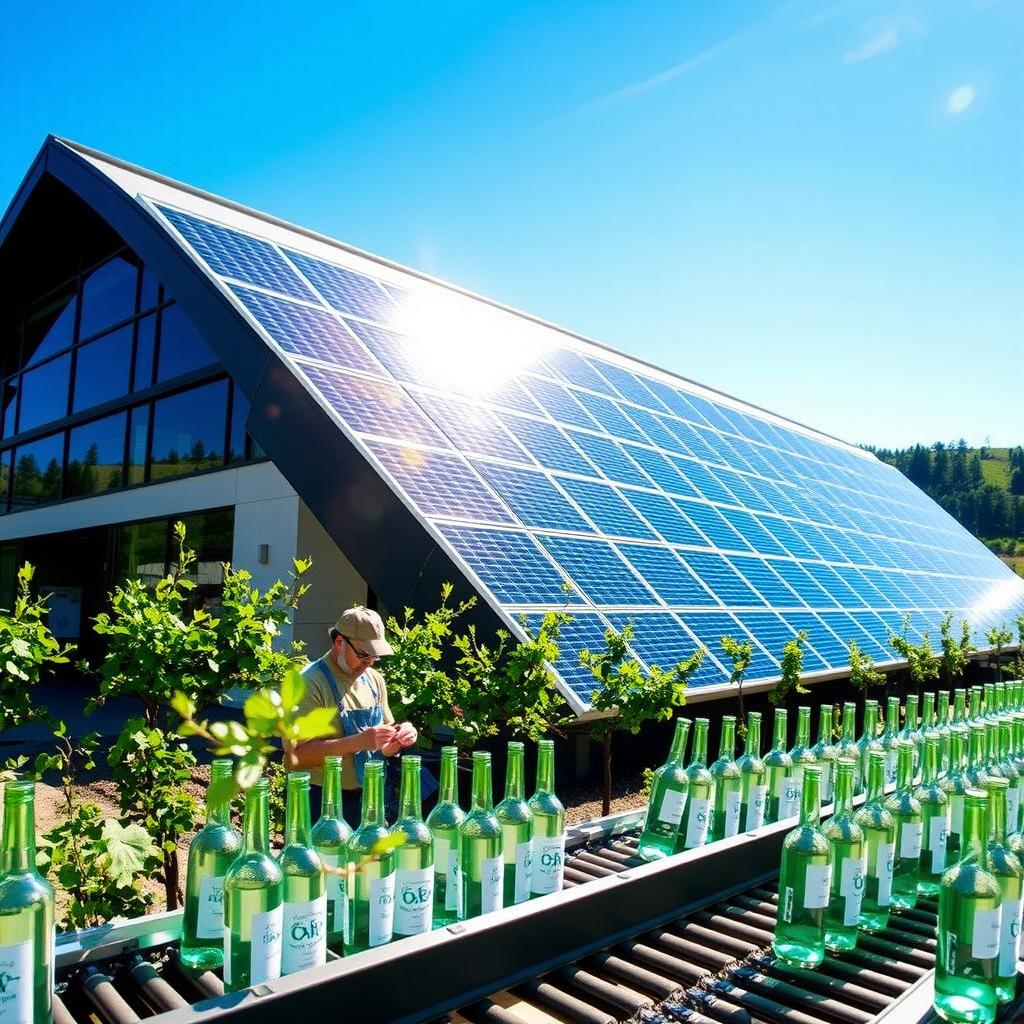
Jackson Family Wines is a leader in renewable energy within the wine industry. They’ve installed over 23,000 solar panels, powering 30% of their winemaking operations. By 2025, they plan to expand renewable energy to cover over 50% of their electricity needs with wind turbines and floating solar arrays. These efforts have already reduced their carbon footprint by 17.5% since 2015, equivalent to removing 4,173 cars from the road annually.
They’ve also tackled emissions through lighter wine bottles. By reducing bottle weight by 5% for four of their wine brands, they’ve cut emissions by 2-3% and saved an estimated $6.5 million. As co-founders of the International Wineries for Climate Action (IWCA), they’re pushing the global wine industry toward climate positivity by 2050. Their Rooted for Good initiative, launched in 2021, sets ambitious goals: halve carbon emissions by 2030 and achieve climate positivity by 2050.
Social Responsibility and Community Impact
Sustainability isn’t just about the environment—it’s about people too. Jackson Family Wines fosters diversity, equity, and inclusion (DEI) within their workforce. With 61% of their California winemakers being women—compared to the state’s 10-14% average—they’re setting a new standard for gender equity. They’ve also partnered with the Urban Grape’s Wine Studies Award for Students of Color, offering education, mentorship, and work experience to increase DEI in the wine industry.
Their community efforts extend beyond the winery. They’ve donated millions to causes like the Culinary Institute of America and the University of California, Davis, including $3 million for the Jess S. Jackson Sustainable Winery Building, a LEED Platinum-certified facility. These initiatives show their commitment to building resilient communities and supporting the next generation of winemakers.
Jackson Family Wines Vineyards Locations
The diversity of Jackson Family Wines vineyards locations contributes to their unique wine brands. Here’s a snapshot of their key regions:
| Region | Key Brands | Specialties |
|---|---|---|
| Sonoma County, CA | Kendall-Jackson, La Crema | Chardonnay, Pinot Noir |
| Napa Valley, CA | Freemark Abbey, Lokoya | Cabernet Sauvignon |
| Santa Maria Valley, CA | Cambria | Chardonnay, Pinot Noir |
| Willamette Valley, OR | Gran Moraine | Pinot Noir |
| McLaren Vale, Australia | Yangarra Estate | Shiraz, Grenache |
| Bordeaux, France | Château Lassègue | Bordeaux Blends |
Each location is chosen for its terroir, allowing the Jacksons to craft wines that reflect the land’s unique character. Their cool-climate focus, especially in coastal regions like Sonoma and Oregon, produces elegant, balanced wines that have earned global acclaim.
Personal Reflections: A Visit to La Crema
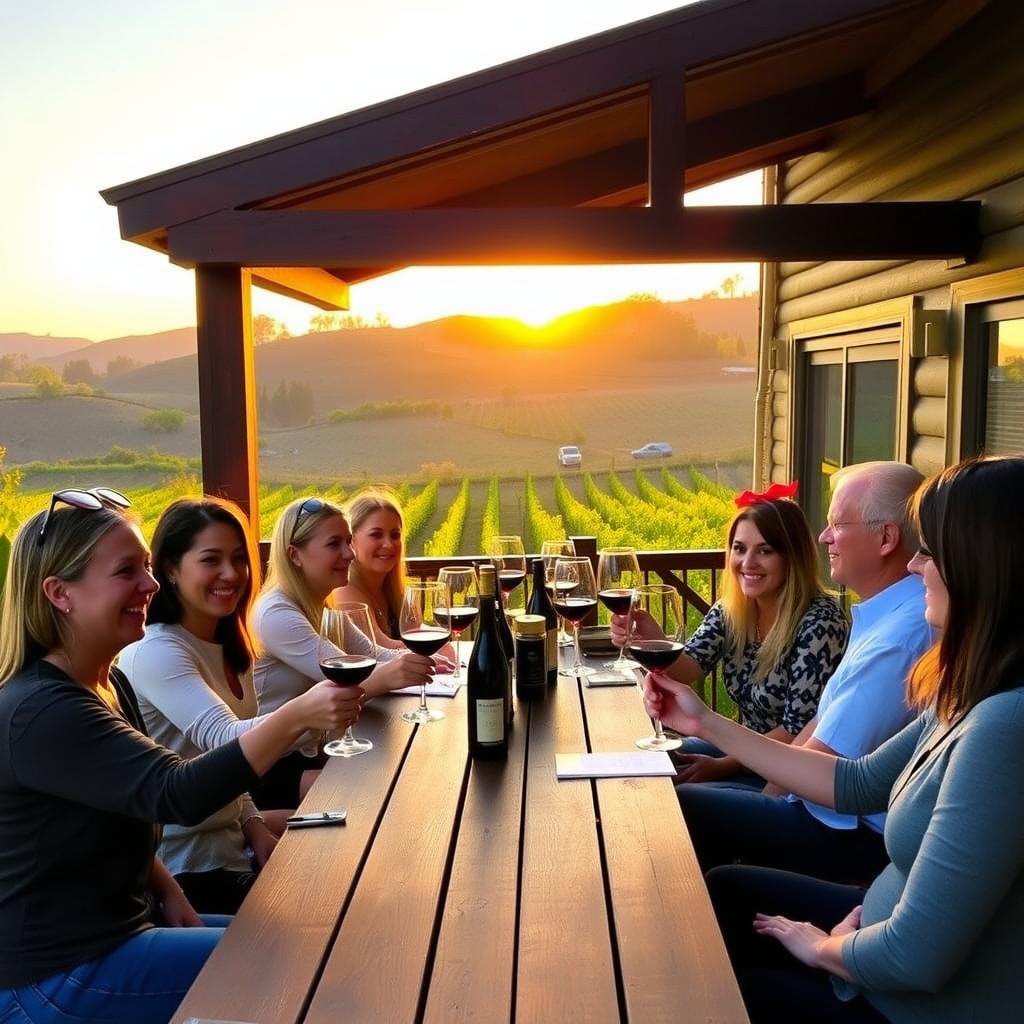
Last summer, I visited La Crema Estate at Saralee’s Vineyard in the Russian River Valley. The experience was unforgettable. Walking through the vineyards, I saw firsthand how their sustainable practices come to life. The rows of Pinot Noir vines were dotted with cover crops, buzzing with bees—a sign of a healthy ecosystem. The tasting room staff shared stories of their Water Wise program and the sheep that roam the vineyards, making it clear that sustainability is woven into every aspect of their work. Sipping their silky Pinot Noir, I could taste the care put into the land. It wasn’t just wine; it was a story of stewardship in every glass.
What struck me most was their transparency. They openly share their progress and challenges, like the ongoing work to decarbonize glass production. This honesty builds trust and inspires other wineries to follow suit. It’s no wonder they’ve won awards like the 2016 Green Power Leadership Award from the EPA and the Luther Burbank Conservation Award.
Challenges and Future Goals
Despite their progress, Jackson Family Wines acknowledges there’s more to do. Decarbonizing their supply chain, especially glass manufacturing, remains a challenge due to the energy-intensive process. They’re collaborating with suppliers to develop eco-friendly packaging and exploring alternative materials. Their partnership with IWCA also pushes them to innovate alongside global peers, sharing strategies to combat climate change.
Looking ahead, their Rooted for Good roadmap is a bold commitment. By 2030, they aim to: - Transition all estate vineyards to regenerative farming - Cut carbon emissions by 50% - Expand renewable energy to 50% of operations - Enhance DEI and community programs
These goals aren’t just ambitious—they’re actionable, backed by decades of experience and a passion for progress.
Summary
Jackson Family Wines proves that sustainable winemaking can produce world-class wines while protecting the planet. From regenerative farming to renewable energy, their practices set a benchmark for the industry. Their diverse wine brands, rooted in prime vineyard locations, reflect a legacy of quality and care. By leading with action, they’re shaping a greener, more inclusive future for wine.