The Art of Wine Tasting: A Beginner’s Guide to Savoring Every Sip
Introduction to Wine Tasting
Wine tasting is more than just sipping a glass of wine—it’s an adventure for your senses. It’s about slowing down, noticing details, and finding joy in every sip. Whether you’re drawn to the crisp elegance of the Jackson Family Wines white wine collection or curious about other wine brands, this guide will walk you through the basics. As someone who started as a curious beginner, I’ve learned that wine tasting is less about snobbery and more about discovery. Let’s dive into The Art of Wine Tasting: A Beginner’s Guide and unlock the secrets of enjoying wine like a pro.
Why Wine Tasting Matters
Wine tasting is a skill that deepens your appreciation for wine’s complexity. It’s not just about drinking; it’s about understanding what makes each bottle unique. From the buttery richness of a Chardonnay to the zesty notes of a Sauvignon Blanc, every wine tells a story. For example, the Jackson Family Wines white wine collection showcases varieties like Chardonnay and Sauvignon Blanc, each crafted to highlight distinct flavors. Tasting helps you notice these differences, making every glass more enjoyable. Plus, it’s fun to share your newfound knowledge with friends over dinner!
Getting Started: The Five S’s of Wine Tasting
Wine experts often use the 'Five S’s' to guide tasting: See, Swirl, Sniff, Sip, and Savor. This method, used by professionals at wineries like Jackson Family Wines, breaks down the process into simple steps. It’s easy to learn and makes you feel like a detective uncovering clues in every glass. Let’s explore each step to help you taste with confidence.
See: Observe the Wine
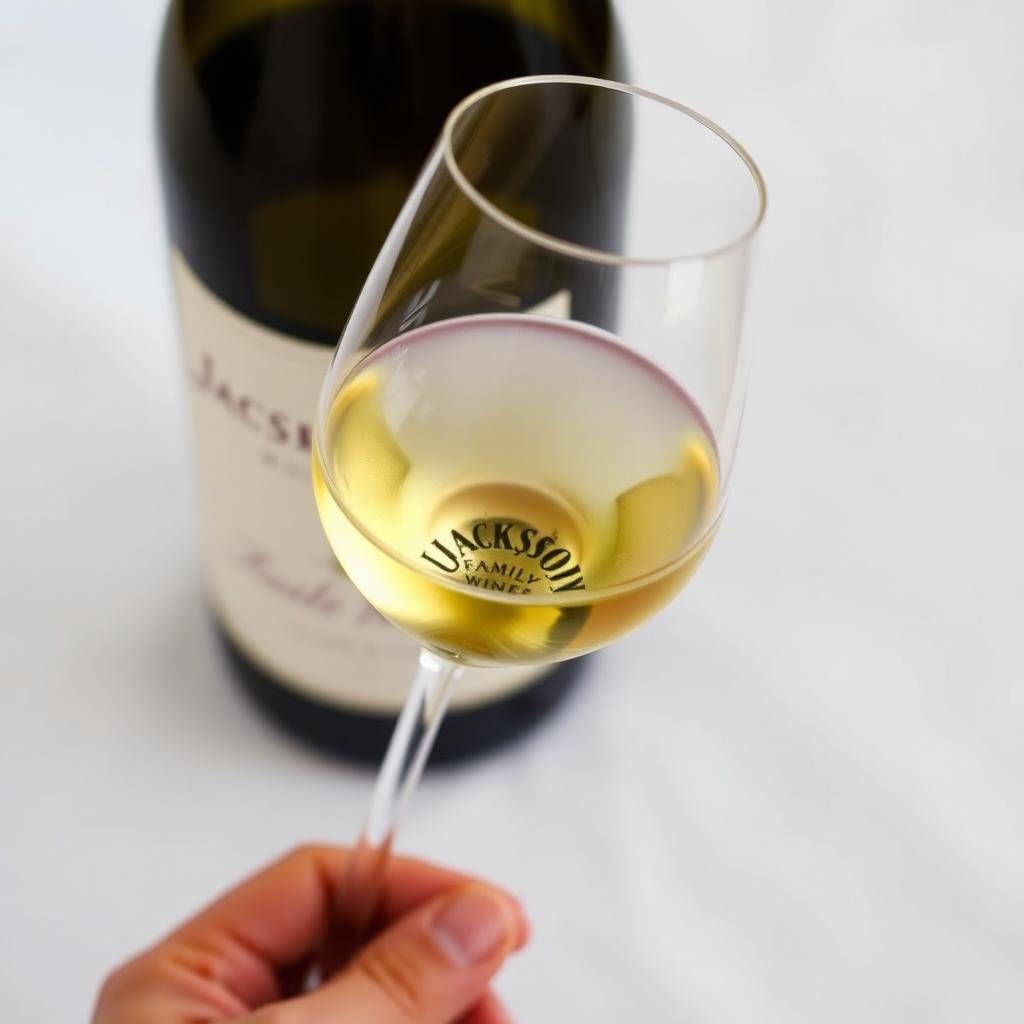
Start by looking at your wine. Hold the glass by the stem to avoid warming it, and tilt it against a white background, like a tablecloth. Notice the color and clarity. A pale straw hue might hint at a young Sauvignon Blanc, while a deep gold could suggest an aged Chardonnay from the Jackson Family Wines white wine collection. The 'legs'—those drips running down the glass after swirling—can indicate alcohol content or body. Thicker legs often mean higher alcohol or a fuller-bodied wine.
Swirl: Release the Aromas
Gently swirl the wine in your glass. This aerates the wine, releasing its aromas. It might feel awkward at first—I spilled a bit during my early attempts—but practice makes it smooth. Place the glass on a table, hold the stem, and make small circles. Watch the wine coat the glass. This step is crucial for unlocking the scents you’ll explore next.
Sniff: Explore the Bouquet
Now, bring the glass to your nose and take a gentle sniff. What do you smell? Fruits like apple or citrus? Maybe floral notes or a hint of oak? When I first tried sniffing a Pinot Grigio from a local winery, I was surprised to pick up green apple and pear. Your nose is your best tool for tasting, as smell shapes much of the flavor. Don’t rush—take a few sniffs to catch different layers. If you’re stuck, an aroma wheel can help you name scents.
Sip: Taste the Flavors
Take a small sip and let it roll over your tongue before swallowing. Notice the flavors—are they sweet, tart, or creamy? A Chardonnay from Jackson Family Wines might taste buttery with hints of vanilla, while a Sauvignon Blanc could be crisp with grapefruit notes. Pay attention to the wine’s texture, or 'mouthfeel.' Is it light and refreshing or rich and heavy? This step reveals the wine’s personality.
Savor: Reflect on the Finish
After swallowing, notice the 'finish'—the lingering taste. Does it fade quickly or stay with you? A long, pleasant finish often marks a high-quality wine. I remember savoring a Jackson Family Wines Chardonnay and noticing how its creamy apple notes lingered, making me eager for the next sip. Reflect on what you liked or didn’t. This helps you discover your preferences and choose wines you’ll love.
Choosing the Right Glassware
The right glass enhances your tasting experience. Tulip-shaped glasses, with a wide bowl and narrower rim, concentrate aromas. For white wines like those in the Jackson Family Wines white wine collection, use a smaller glass to keep the wine cool and highlight its delicate flavors. Red wines need larger bowls for bolder aromas. Always hold the glass by the stem to avoid warming the wine or smudging the bowl. A good glass makes a surprising difference!
Pairing Wine with Food
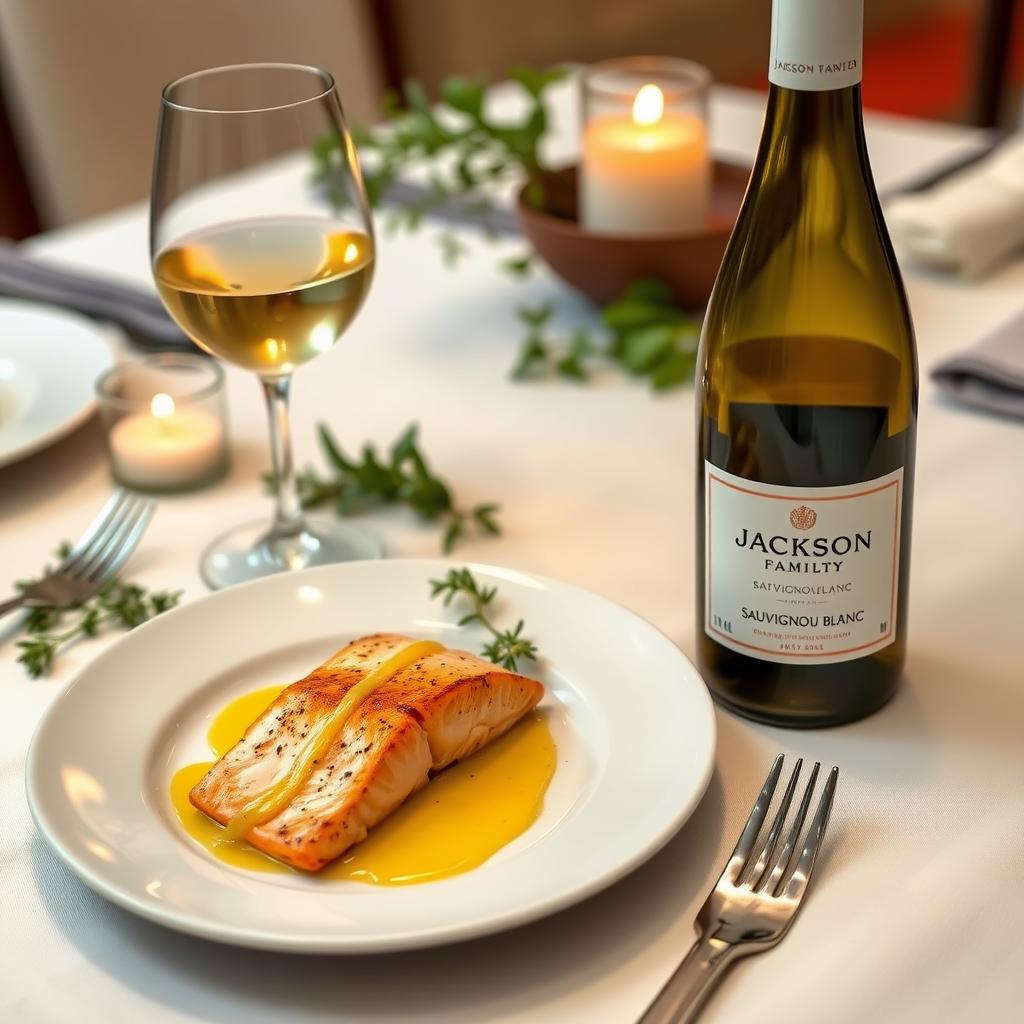
Wine and food can elevate each other when paired well. White wines, like those from Jackson Family Wines, pair beautifully with seafood, poultry, or light pasta. For example, a Sauvignon Blanc’s crisp acidity complements grilled fish, while a Chardonnay’s richness matches creamy sauces. According to a study from Cornell University, thoughtful pairings enhance flavors by balancing sweetness, acidity, and texture. Experiment with pairings to find what delights your palate.
Tips for Beginners
Here are some practical tips to make your wine tasting journey enjoyable:
- Stay Hydrated: Drink water before and during tastings to keep your palate fresh.
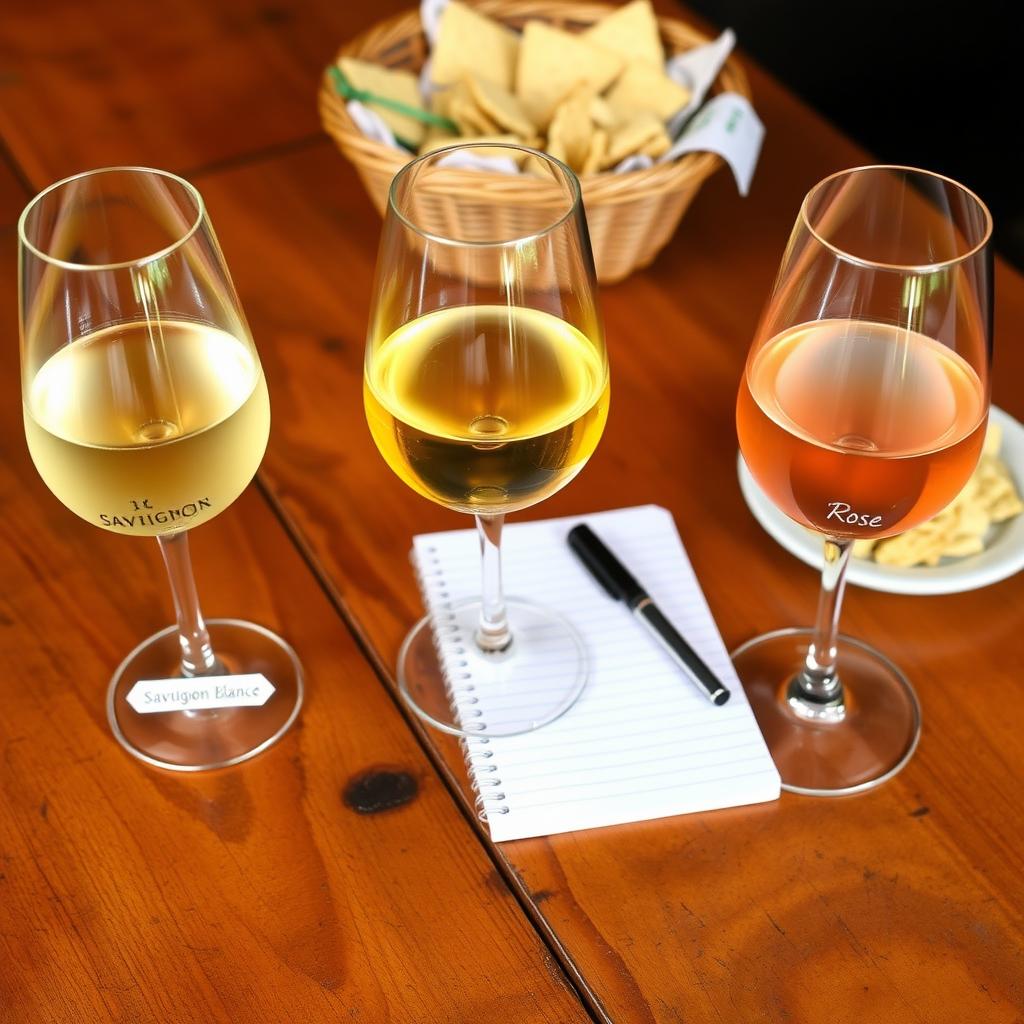
- Cleanse Your Palate: Use plain crackers or water between wines to reset your taste buds.
- Avoid Strong Scents: Skip perfume or scented lotions, as they can mask wine aromas.
- Take Notes: Jot down your thoughts in a notebook or app like Vivino to track what you love.
- Start Simple: Try beginner-friendly wines from trusted wine brands like Jackson Family Wines to build confidence.
When I started, I used a small notebook to record flavors and feelings. It helped me remember why I loved certain wines and avoid ones I didn’t.
Exploring Wine Brands
Diving into wine brands can be exciting. Jackson Family Wines, for instance, is known for its exceptional white wine collection, including Chardonnays and Sauvignon Blancs crafted with care. Other notable wine brands like Kendall-Jackson or La Crema offer approachable options for beginners. Each brand has a unique style, so tasting a variety helps you find your favorites. Visit a winery or join a wine club to explore different offerings.
Common Mistakes to Avoid
Beginners often make simple mistakes, and I’ve been there! Don’t overfill your glass—about a third full is enough for swirling. Avoid strong foods like spicy snacks before tasting, as they overpower delicate flavors. And don’t feel pressured to spit wine out like pros do; swallowing is fine if you’re sipping responsibly. The Wine Institute suggests tasting in moderation to fully enjoy the experience without overindulging.
Building Your Wine Tasting Skills
Like any skill, wine tasting improves with practice. Attend tastings at local wineries or book a virtual session with an expert. The Wine & Spirit Education Trust (WSET) offers courses for beginners, teaching you to identify flavors and describe wines confidently. I joined a local wine club and found that discussing wines with others sharpened my palate. Keep tasting, stay curious, and trust your senses.
Summary
The Art of Wine Tasting: A Beginner’s Guide is about embracing the journey of discovery. From the Five S’s to choosing the right glass, these steps make wine tasting approachable and fun. Brands like Jackson Family Wines offer excellent starting points with their white wine collection. With practice, you’ll gain confidence, uncover your preferences, and enjoy wine on a deeper level. Cheers to your wine adventure!