How to Host a Wine Tasting Party: Tips for a Memorable Evening
Overview
Hosting a wine tasting party is a delightful way to gather friends, explore new flavors, and create lasting memories. Whether you're a seasoned wine enthusiast or a curious beginner, this guide, inspired by expert advice from Food & Wine and Beringer, will help you plan a sophisticated yet approachable event. From selecting wines to pairing them with food, we’ll cover everything you need for a successful evening.
Why Host a Wine Tasting Party?
A wine tasting party is more than just sipping wine—it’s an experience that sparks conversation, educates guests, and celebrates the art of flavor. Inspired by How to Host a Wine Tasting Party - foodandwine.com, this guide draws on years of hosting my own gatherings, from casual backyard sip-and-chats to themed tastings in cozy lofts. The key is creating an environment where everyone feels comfortable exploring wines, sharing opinions, and enjoying delicious pairings.
Step 1: Plan Your Theme and Guest List
Start by choosing a theme to give your party focus. A theme narrows down wine choices and makes the event more engaging. For example, you could focus on Beringer wines, like their rich Merlot or crisp Chardonnay, or explore a region like Napa Valley. I once hosted a 'Beringer Merlot Tasting Guide' night, showcasing different vintages from their Bancroft Ranch vineyard—it was a hit!
Keep your guest list manageable—8 to 12 people is ideal for intimate discussions. Invite a mix of wine lovers and novices to encourage lively exchanges.
Step 2: Selecting the Right Wines
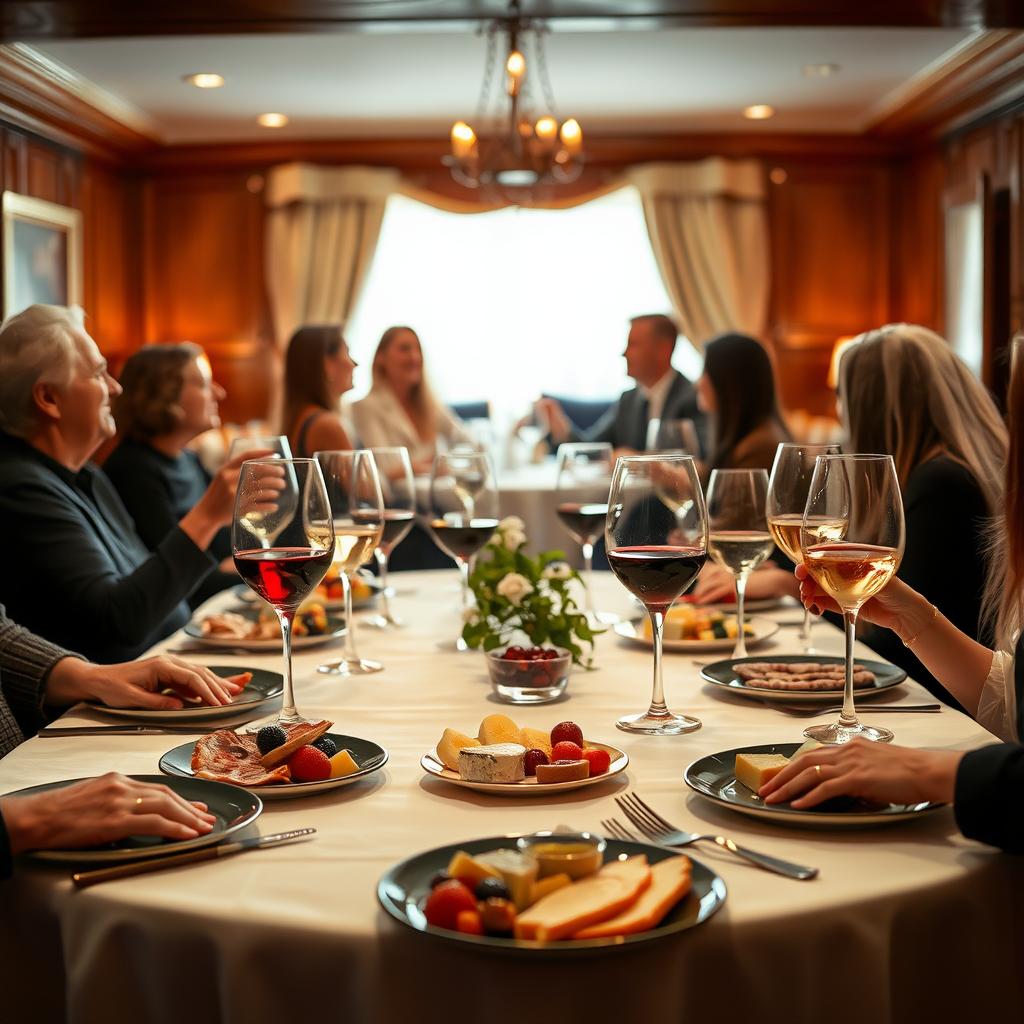
Choosing wines is the heart of your party. Aim for 4–6 wines to keep things manageable. According to Food & Wine, a good rule is to have more wine than you think you’ll need—leftovers are never a problem! A 750ml bottle serves about 12 two-ounce tasting pours or 5 six-ounce generous pours.
For variety, include a mix of red, white, and perhaps a sparkling wine. Beringer, one of Napa Valley’s oldest and most respected wine brands, offers excellent options. Their Private Reserve Cabernet Sauvignon is bold and perfect for red wine lovers, while their Chardonnay pairs beautifully with creamy dishes. If you’re following a Beringer Merlot Tasting Guide, try their Bancroft Ranch Merlot for its floral and spicy plum notes.
Wine Selection Tips: - Stick to a Theme: Compare vintages, regions, or varietals (e.g., Merlot vs. Cabernet Sauvignon). - Mix Price Points: Include affordable and premium wines to spark discussion. - Label Anonymity: Wrap bottles in foil or bags for a blind tasting to keep things fun and unbiased.
Step 3: Pairing Wine with Food: Tips and Tricks
Food elevates a wine tasting party, and thoughtful pairings enhance the experience. Pairing Wine with Food: Tips and Tricks from Food & Wine emphasizes matching the wine’s acidity to the food. For example, high-acid wines like Beringer’s Sauvignon Blanc pair well with tangy dishes like goat cheese salads, while their Merlot complements fattier foods like short ribs.
Here’s a simple pairing guide inspired by Beringer’s culinary expertise:
| Wine Type | Food Pairing | Why It Works |
|---|---|---|
| Beringer Merlot | Mushroom Arancini with Manchego Bechamel | The wine’s soft tannins balance the rich, savory flavors. |
| Beringer Chardonnay | Grilled Shrimp Skewers | The wine’s creamy texture complements the seafood’s lightness. |
| Beringer Cabernet Sauvignon | Beef Shortribs with Chocolate Gastrique | Bold tannins cut through the meat’s fat, enhancing both. |
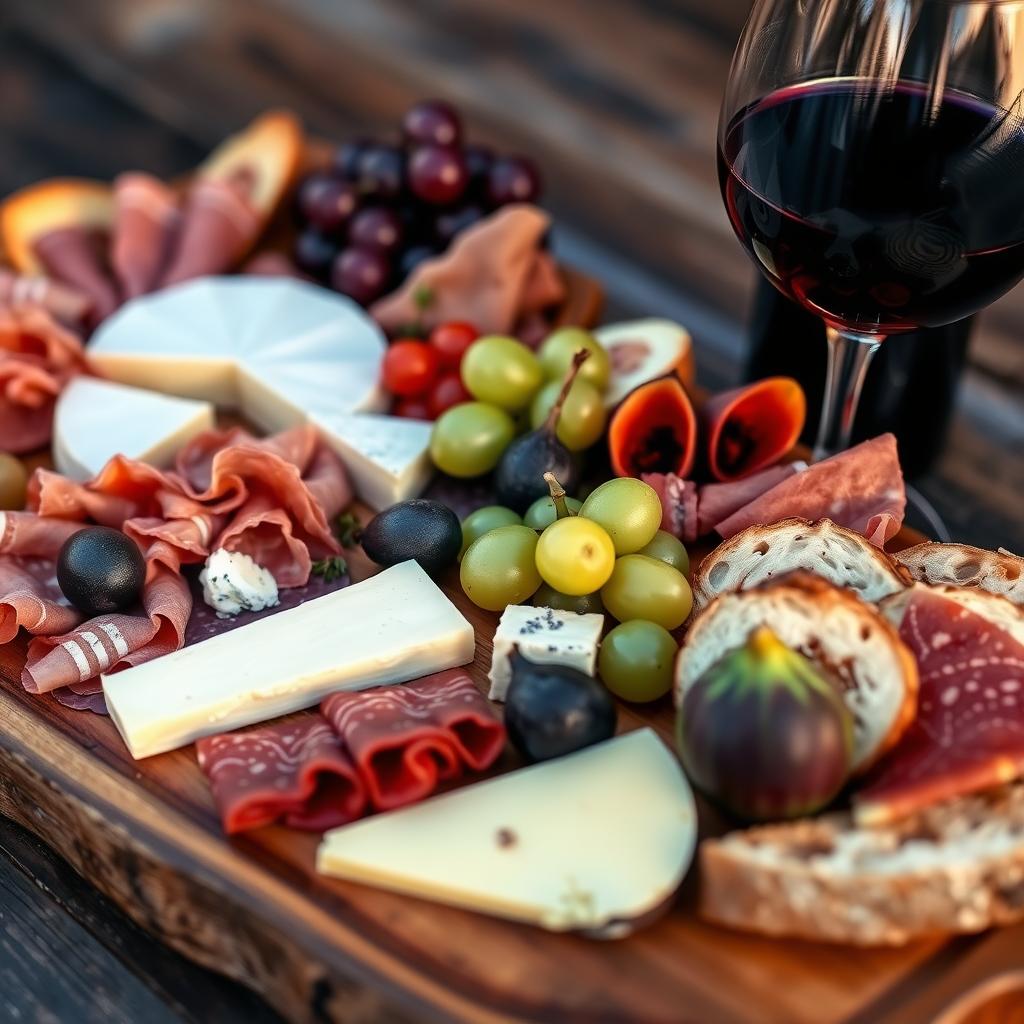
When I hosted a Beringer-themed party, I served a cheese and charcuterie board with their Merlot. The creamy brie and salty prosciutto brought out the wine’s fruitiness, and guests couldn’t stop raving. Always provide palate cleansers like crackers or water between tastings to keep flavors distinct.
Step 4: Setting Up Your Tasting Space
Create a welcoming atmosphere that encourages interaction. A well-lit room with minimal distractions works best, as noted by Wine Folly. I prefer a long dining table where everyone can see each other, with simple decor like candles or flowers to keep the focus on the wine.
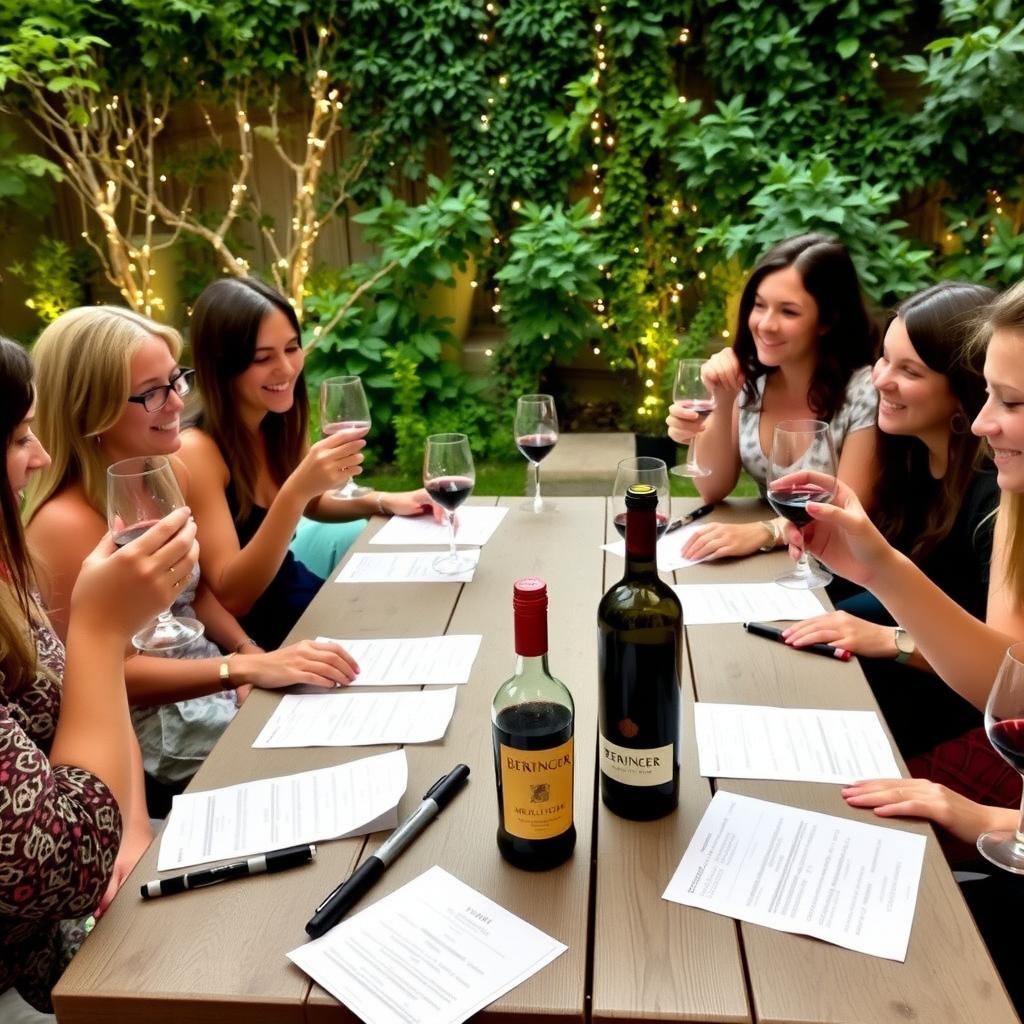
Setup Essentials: - Glassware: Provide one glass per guest for each wine or two glasses for side-by-side comparisons. - Tasting Sheets: Offer paper and pens for guests to jot down notes on aroma, taste, and preferences. - Spit Buckets: Optional, but useful for guests who want to taste without overindulging. - Water and Crackers: Keep these on hand to cleanse palates.
For my Beringer Merlot tasting, I used small cards with tasting notes from the Beringer Merlot Tasting Guide to spark discussion. Guests loved comparing their impressions with the official notes.
Step 5: Hosting the Tasting
As the host, your job is to guide without overwhelming. Start with a brief welcome and explain the theme. Pour wines in order from light to bold (e.g., sparkling, white, red). I like to stagger pours every 15 minutes, as suggested by Wine Folly, to give guests time to savor each wine.
Encourage guests to share their thoughts—what do they smell, taste, or feel? Avoid long lectures; instead, share quick facts about each wine. For example, when pouring Beringer’s Private Reserve Cabernet Sauvignon, I mentioned its history as a Wine Spectator award-winner. This sparked curiosity without bogging down the fun.
For a blind tasting, reveal each wine after discussion to add excitement. At my last party, guests were shocked to learn their favorite was an affordable Beringer Merlot over a pricier competitor!
Step 6: Adding Fun and Education
Make the tasting interactive to keep guests engaged. Try these ideas: - Guessing Game: Have guests guess the varietal or vintage in a blind tasting. - Pairing Challenge: Serve two foods with one wine and ask which pairs better. - Storytelling: Share a tidbit about the winery, like Beringer’s 150-year legacy in Napa Valley.
At one party, I had guests vote on their favorite wine-food pairing. The winner was Beringer’s Chardonnay with grilled shrimp skewers, a combo that felt like a mini-vacation to Napa.
Step 7: Wrapping Up
End the evening by pouring a full glass of each guest’s favorite wine. Discuss the tasting notes as a group to wrap up the educational aspect. I always send guests home with a small bottle or a recipe card for a dish we paired, like the Mushroom Arancini from Beringer’s Taste of Beringer Experience.
Clean-up is easier if you use disposable tasting sheets and napkins, but don’t rush guests out. Let the evening linger with good conversation and maybe a final toast.
Summary
Hosting a wine tasting party is about creating a shared experience that blends flavor, fun, and learning. By choosing a theme, selecting quality wines like those from Beringer, and pairing them with thoughtful foods, you’ll craft an evening that guests will talk about for weeks. Use these tips to plan your event, and don’t be afraid to experiment with pairings and themes to make it your own.