The Art of Winemaking: From Grape to Glass
Overview
Winemaking is a blend of art, science, and passion that transforms humble grapes into a drink enjoyed worldwide. The Art of Winemaking: From Grape to Glass takes you through each step, from vineyard cultivation to bottling, highlighting the role of terroir and sustainability. Discover how winemakers, like those at Jackson Family Wines, craft exceptional wines.
The Vineyard: Where It All Begins
The journey starts in the vineyard, where grapes soak up the essence of their environment. Every bottle of wine tells a story of the land it came from. The soil, climate, and even the slope of the hill shape the grape’s flavor. This connection is what makes Understanding Terroir: The Connection Between Land and Wine so vital. For example, a vineyard in a cool, foggy valley might produce crisp, acidic grapes perfect for Chardonnay, while a sunny, rocky hillside could yield bold, tannic Cabernet Sauvignon.
Grape growers carefully choose varieties that thrive in their region. They prune vines, manage pests, and monitor soil health to ensure the grapes reach peak ripeness. Timing is everything—picking too early or too late can change the wine’s flavor drastically. I once visited a small vineyard in Sonoma, where the grower walked me through rows of Pinot Noir, explaining how morning fog preserved the grapes’ delicate acidity. That experience showed me how much care goes into every cluster.
Harvesting: Timing the Perfect Pick
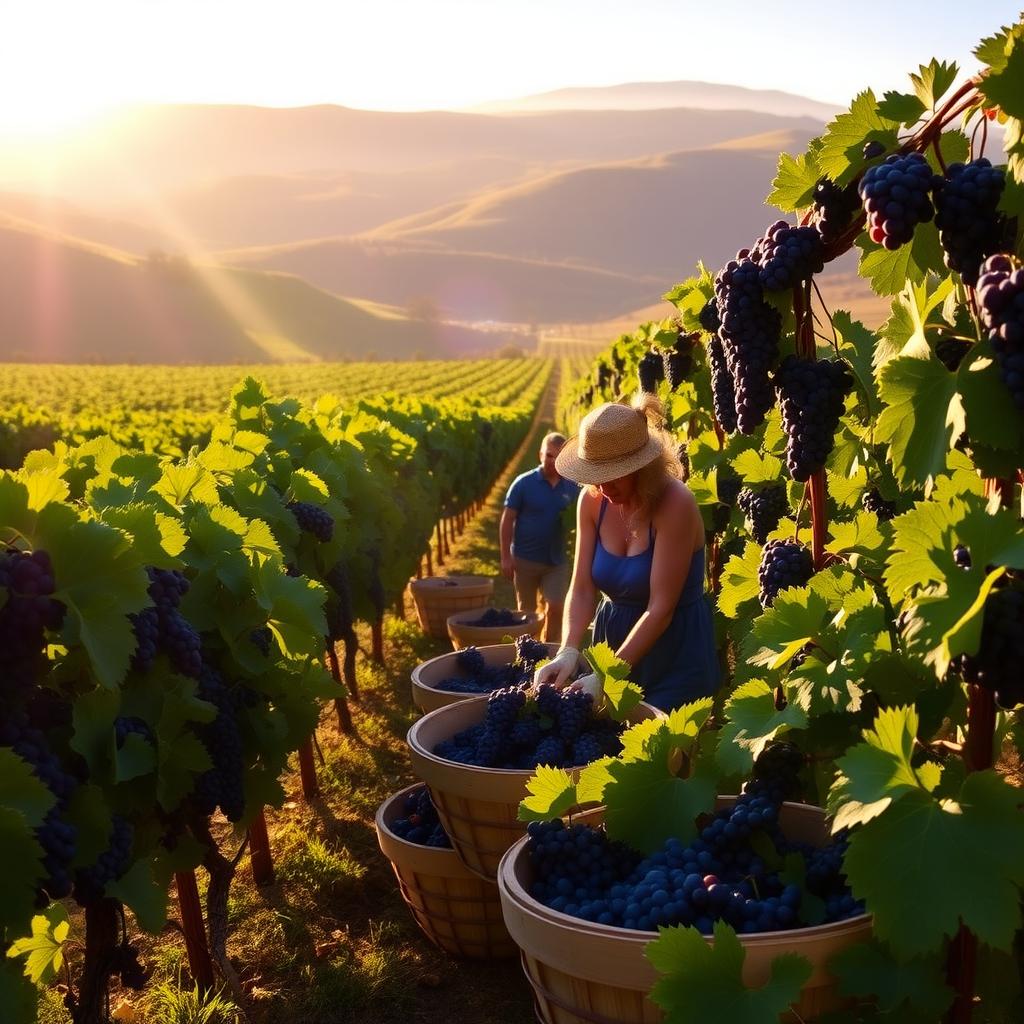
Harvesting grapes is a race against time. Winemakers test sugar levels and acidity daily, often using tools like refractometers to pinpoint the perfect moment. Hand-picking, though labor-intensive, ensures only the best grapes make the cut. Mechanical harvesters are faster but can be less selective. At Jackson Family Wines, for instance, their organic vineyards prioritize hand-picking to maintain quality, especially for their premium labels.
The season matters too. In cooler climates, like Oregon’s Willamette Valley, harvest might stretch into late fall, while warmer regions like Napa finish earlier. A winemaker I met in Bordeaux shared how a single rainy day could delay their harvest, forcing them to wait for the grapes to dry to avoid diluting flavors. It’s a delicate balance, blending science and instinct.
Crushing and Fermentation: The Heart of Winemaking
Once harvested, grapes head to the winery for crushing. This breaks the skins, releasing juice (called must) that’s ready for fermentation. Red wines ferment with their skins to gain color and tannins, while white wines are pressed quickly to keep flavors light. Rosé wines split the difference, with brief skin contact for that signature pink hue.
Fermentation is where the magic happens. Yeast turns grape sugars into alcohol, creating flavors and aromas along the way. Winemakers choose between wild yeasts, which add unique, unpredictable notes, or commercial yeasts for consistency. Temperature matters too—cooler fermentation preserves fruity flavors, while warmer settings enhance complexity. I recall tasting a barrel sample of Merlot at a small winery; the winemaker explained how a slightly longer fermentation brought out its rich, plummy notes.
Aging: Crafting Complexity
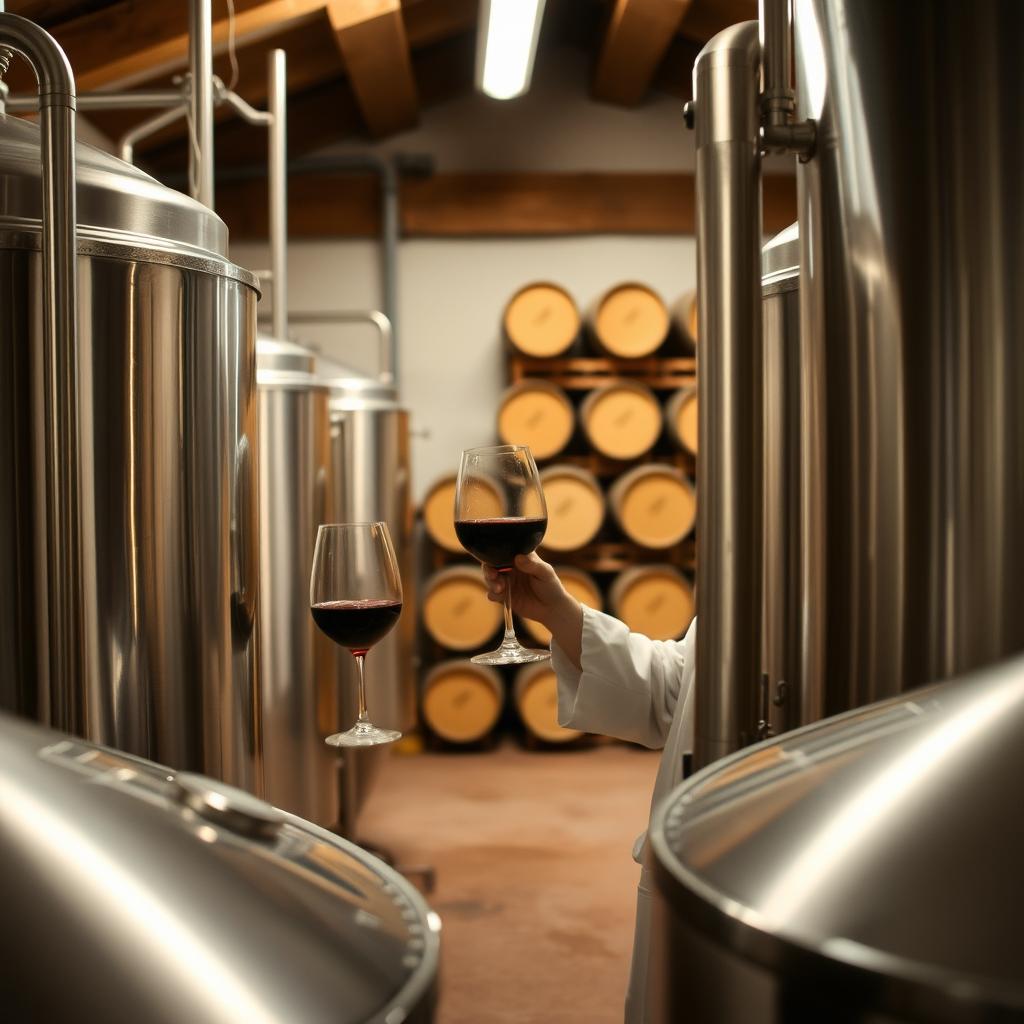
After fermentation, wines often age to develop depth. Oak barrels add flavors like vanilla or spice, while stainless steel tanks keep things fresh and fruity. Some wines, like bold reds, age for years, while others, like crisp Sauvignon Blancs, are bottled quickly to preserve vibrancy. The choice of vessel and aging time is a winemaker’s signature.
Sustainability in Winemaking Explained comes into play here. Many wineries, including Jackson Family Wines, use eco-friendly practices during aging, like energy-efficient cellars or recycled oak barrels. I once toured a winery in Tuscany that aged their Sangiovese in century-old barrels, each one adding a unique layer to the wine’s story. That visit taught me how aging isn’t just about time—it’s about intention.
Bottling: The Final Touch
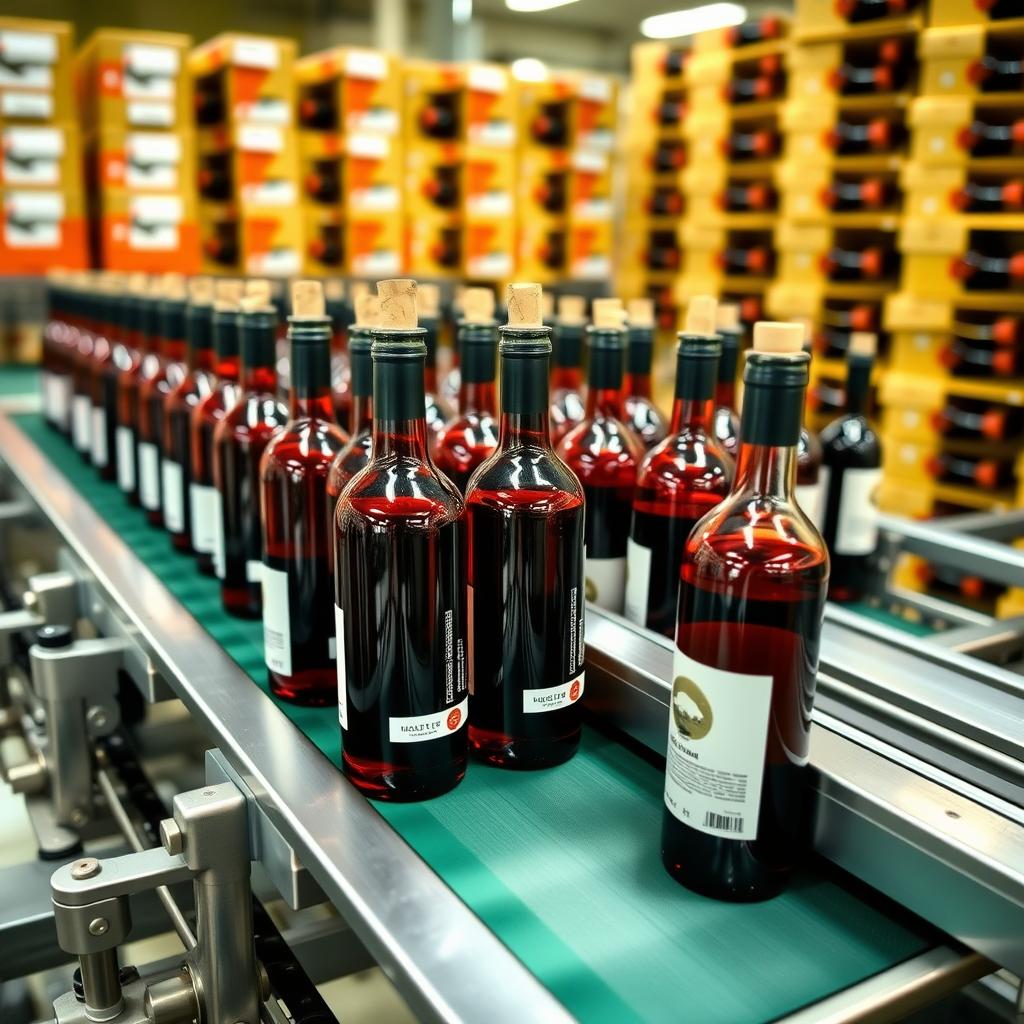
Bottling is the last step before a wine reaches your glass. Winemakers filter the wine to remove sediment, then blend batches to perfect the flavor. Some choose corks for tradition, allowing slight oxygen exchange, while screw caps are popular for their reliability. At Jackson Family Wines, their organic vineyards produce wines often sealed with sustainable corks, reflecting their commitment to the environment.
The bottling line is a sight to behold—rows of gleaming bottles filled, sealed, and labeled with precision. I remember watching this process at a family-run winery in Oregon, where the owner proudly showed off their new eco-friendly labels. It was a reminder that every detail, even the bottle, matters in winemaking.
The Role of Terroir: Land’s Lasting Impact
Understanding Terroir: The Connection Between Land and Wine is key to appreciating wine’s diversity. Terroir is the unique fingerprint of a vineyard’s soil, climate, and geography. For example, the chalky soils of Champagne give its wines a crisp minerality, while the volcanic soils of Sicily add a smoky edge to Nero d’Avola.
Jackson Family Wines embraces terroir in their organic vineyards, letting the land shine through minimal intervention. Their Santa Barbara Pinot Noirs, for instance, reflect the region’s cool coastal breezes with bright cherry notes. A winemaker I spoke with compared terroir to a painter’s canvas—every brushstroke (or grape) is shaped by the land’s character.
Sustainability: Winemaking for the Future
Sustainability in Winemaking Explained isn’t just a buzzword—it’s a commitment to the planet. Practices like organic farming, water conservation, and renewable energy are transforming the industry. Jackson Family Wines leads the way, with their organic vineyards avoiding synthetic pesticides to preserve soil health. This approach not only protects the environment but also enhances the wine’s purity.
I visited a sustainable winery in Napa that used solar panels to power their cellars. The owner explained how healthy soil leads to better grapes, which translates to better wine. It’s a cycle where caring for the earth pays off in every glass.
Summary
The Art of Winemaking: From Grape to Glass is a journey of patience and precision. From the vineyard’s terroir to sustainable practices, every step shapes the final product. Wineries like Jackson Family Wines show how tradition and innovation can create unforgettable wines. Next time you sip a glass, think about the land, hands, and heart behind it.