Jackson Family Wines and Organic Vineyards: A Sustainable Legacy in Winemaking
Overview: A Commitment to the Land
Jackson Family Wines has long been a name synonymous with quality and innovation in the wine industry. With a bold move in 2023, they achieved organic certification for 480 acres across 15 Napa Valley vineyards, marking a significant step in their sustainability journey. This article dives into how Jackson Family Wines and organic vineyards are shaping the future of winemaking.
The Roots of Jackson Family Wines
Founded in 1982 by Jess Jackson, Jackson Family Wines began with a vision to craft exceptional wines rooted in the land. Today, led by chairman Barbara Banke, the family-owned company oversees 40 wineries across California, Oregon, France, Italy, Australia, Chile, and South Africa. Their portfolio includes iconic wine brands like Kendall-Jackson, La Crema, Cardinale, and Lokoya, each reflecting a deep respect for terroir—the unique character of the land where grapes are grown.
What sets Jackson Family Wines apart is their commitment to sustainable farming. Their Rooted for Good: Roadmap to 2030 initiative outlines ambitious goals to transition all estate vineyards to regenerative practices. This focus on sustainability isn’t just talk—it’s a hands-on effort to nurture the soil, vines, and ecosystems for future generations.
Why Organic Vineyards Matter
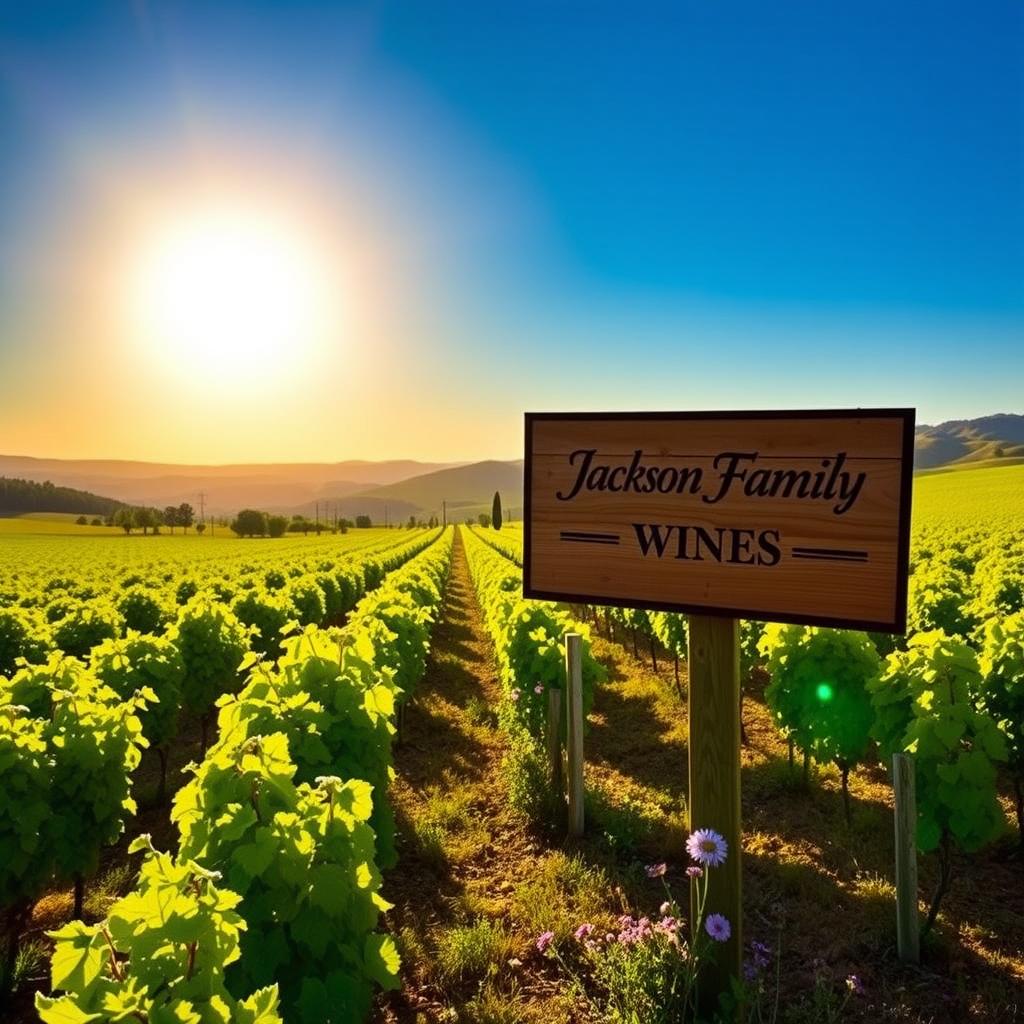
Organic viticulture is more than a buzzword—it’s a philosophy that prioritizes soil health, biodiversity, and environmental balance. For Jackson Family Wines, going organic means growing grapes without synthetic pesticides or fertilizers, letting the land’s natural systems thrive. In fall 2023, they earned certification from the Certified California Organic Farmers (CCOF), a USDA-approved program, for 15 Napa Valley vineyards spanning 480 acres. This makes them the third-largest organic vineyard owner in Napa, behind Demeine Estates and Yount Mill Vineyards.
Organic farming benefits more than just the grapes. Healthy soils teem with microbial life, which helps vines absorb nutrients and withstand drought or pests. According to a study by the University of California, Davis, organic practices can enhance soil carbon storage, aiding in climate change mitigation. For Jackson Family Wines, this aligns perfectly with their goal to move toward regenerative organic certification, which goes beyond organic by emphasizing carbon sequestration and ecosystem restoration.
How Jackson Family Wines Embraces Organic Practices
The shift to organic wasn’t overnight—it took years of dedication. Winemaker Christopher Carpenter and vineyard manager Rafael Jimenez, a 35-year veteran of organic farming, led the charge. They introduced practices like:
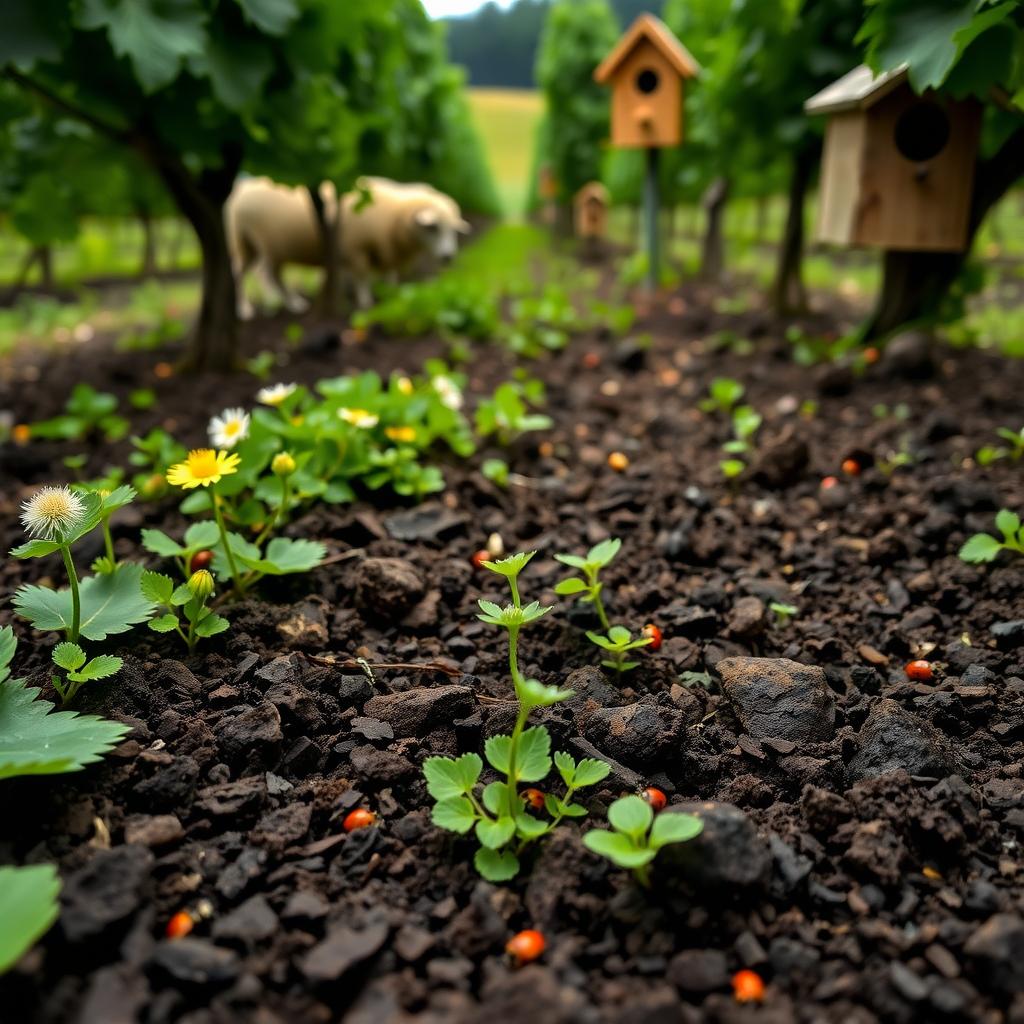
- Compost and biochar: Adding organic matter to enrich soil and boost microbial activity.
- No-till farming: Avoiding soil disruption to preserve structure and prevent erosion.
- Sheep grazing: Using animals to control weeds naturally, reducing herbicide use.
- Integrated pest management: Releasing ladybugs and installing owl boxes to manage pests without chemicals.
These methods aren’t just good for the environment—they enhance wine quality. Healthy soils produce grapes with concentrated flavors, giving wines from brands like Cardinale and Lokoya their signature depth. As Carpenter puts it, “The beauty of organic vineyards lies under the vines,” where thriving soil ecosystems create a foundation for exceptional wines.
The Vineyards Behind the Wines
Jackson Family Wines’ organic vineyards are spread across Napa’s diverse terroirs, from valley floors in Oakville to mountain slopes in Howell Mountain. Here’s a snapshot of some key sites:
| Vineyard Name | Location | Acres | Wine Brands |
|---------------|----------|-------|-------------|
| Potelle | Mount Veeder AVA | 202 | Lokoya, Mt. Brave |
| Keyes | Howell Mountain AVA | 109 | La Jota |
| Wurtele | Spring Mountain AVA | 27 | Lokoya |
| Freemark Abbey | St. Helena AVA | 2 | Freemark Abbey |
These vineyards produce grapes for high-end wines, with bottles like Lokoya’s single-vineyard designates retailing for around $450, reflecting the premium quality of organic fruit.
The diversity of these sites—from cool, foggy valleys to sun-drenched mountain ridges—gives Jackson Family Wines a unique edge. Each vineyard’s microclimate and soil shape the character of their wine brands, creating a portfolio that’s both varied and consistently excellent.
Challenges and Rewards of Organic Farming
Going organic isn’t easy. It requires a three-year transition period where no prohibited substances can touch the soil, as outlined by the USDA National Organic Program. Weeds, which are often controlled with herbicides in conventional farming, become a visible part of organic vineyards. Carpenter notes that while the vineyard floor might look “messy” with weeds, this is a sign of healthy soil cycling nitrogen back into the earth.
The rewards, however, are worth it. Organic vineyards are more resilient to climate challenges like drought, thanks to improved soil water retention. A report by the Rodale Institute highlights that organic systems can increase yields by up to 40% in drought years. For Jackson Family Wines, this resilience ensures consistent quality for their wine brands, even in tough seasons.
A Vision for the Future
Jackson Family Wines isn’t stopping at organic certification. Their Rooted for Good plan aims to make all estate vineyards regenerative by 2030. This means going beyond organic to practices that actively rebuild soil carbon, enhance biodiversity, and combat climate change. They’ve already made strides, like installing solar panels at their Oakville facility, which offset over 40% of the winery’s electricity use, as noted in a Wine Spectator article.
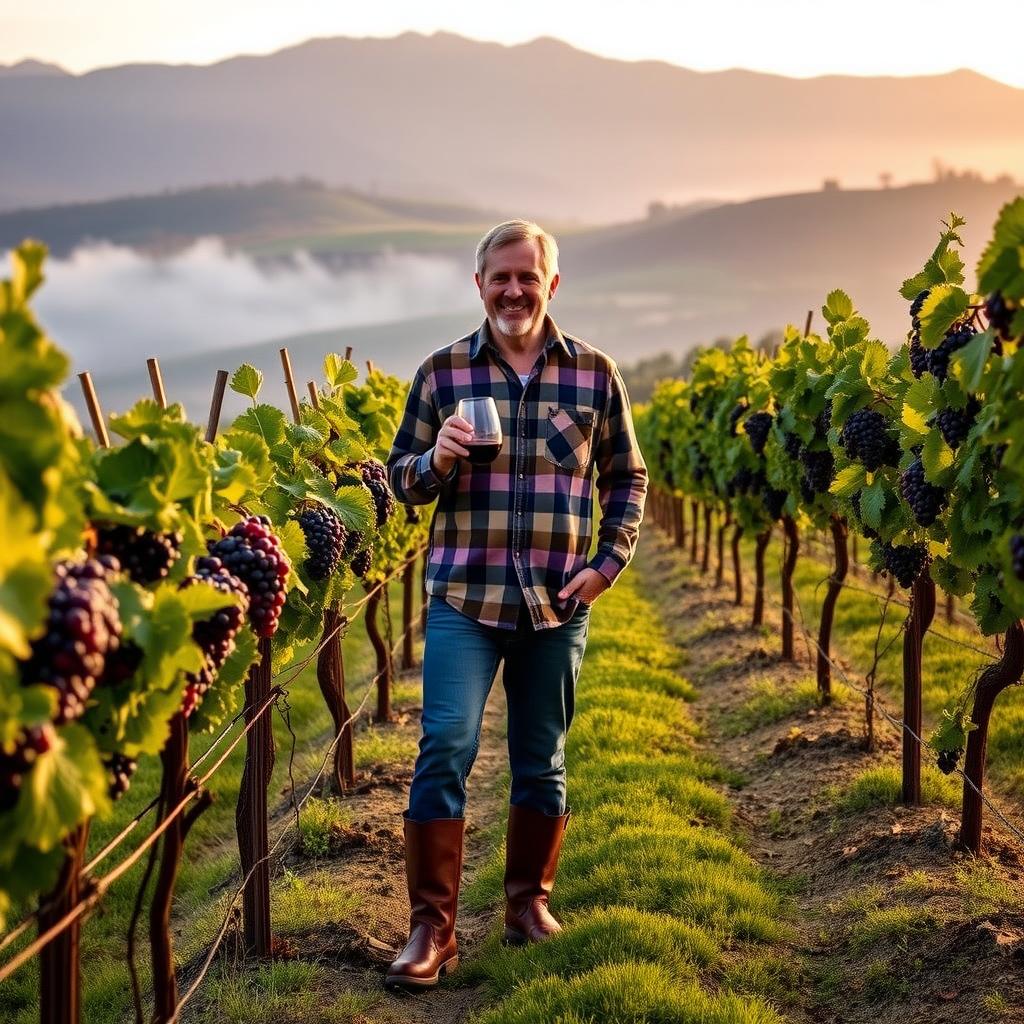
This vision resonates with me personally. Visiting a Jackson Family Wines vineyard a few years ago, I saw firsthand how their practices bring the land to life. The hum of insects, the scent of wildflowers, and the rich, dark soil underfoot felt like a living testament to their care. It’s a reminder that great wine starts with a healthy planet.
Summary: Leading by Example
Jackson Family Wines and organic vineyards are a powerful combination, proving that sustainability and quality can go hand in hand. By certifying 480 acres in Napa Valley and pushing for regenerative practices, they’re setting a standard for the wine industry. Their wine brands, from Cardinale to La Jota, showcase the fruits of this commitment, delivering exceptional flavors rooted in healthy soils.