Exploring The World Atlas of Wine: A Must-Have Guide for Wine Lovers
A Journey Through Wine: Why The World Atlas of Wine Matters
For anyone who’s ever swirled a glass of wine and wondered about its story, The World Atlas of Wine by Hugh Johnson and Jancis Robinson is like a passport to the world’s vineyards. This iconic book, now in its eighth edition, isn’t just a reference—it’s an invitation to explore wine’s geography, culture, and flavors. Whether you’re a beginner mastering wine tasting or a seasoned enthusiast hunting for the best wines from Jackson Family Wines, this book offers something for everyone. Let’s dive into why this atlas is a must-have and how it can transform your wine experience.
What Makes The World Atlas of Wine Special?
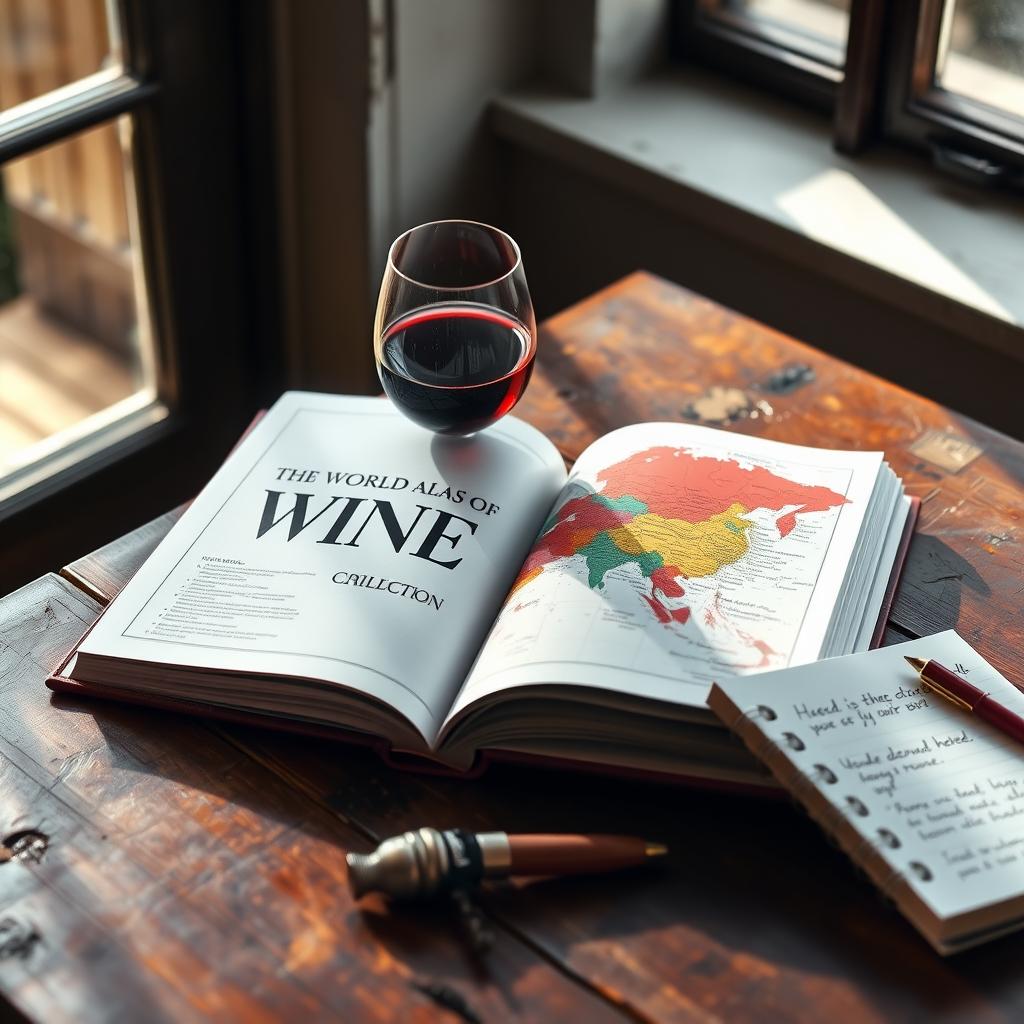
First published in 1971, The World Atlas of Wine has sold over 4.7 million copies across 16 languages, a testament to its enduring appeal. Hugh Johnson laid the foundation, and since 1998, Jancis Robinson, a renowned wine critic, has co-authored the book, bringing fresh insights to each edition. The eighth edition, released in 2019, spans 416 pages with 230 detailed maps, offering a vivid look at wine regions worldwide. From Bordeaux’s rolling hills to Napa Valley’s sun-soaked vines, it captures the essence of wine as geography in a bottle.
A Deep Dive into Wine Regions
The heart of The World Atlas of Wine lies in its maps. These aren’t just pretty pictures—they’re detailed guides to where wine grapes grow and why. The book dedicates 100 pages to France alone, covering regions like Bordeaux and Tuscany with precision. It also shines a light on emerging regions like Uruguay, Brazil, and Lebanon, reflecting the global rise of diverse wine brands. Each map is color-coded for climate and soil, helping readers understand how geography shapes a wine’s flavor. For example, the book explains how Napa’s warm climate crafts the bold, fruit-forward wines of Jackson Family Wines.
The atlas also includes infographics and summaries that make complex topics accessible. Want to know why a hillside vineyard produces better grapes? The book breaks it down: elevation and soil drainage create ideal conditions for high-quality grapes. This kind of insight is gold for anyone looking to deepen their wine knowledge without wading through technical jargon.
Mastering Wine Tasting: Easy Tips for Beginners
One of the atlas’s standout features is its beginner-friendly chapter on tasting. It introduces the ‘5 S’s’ of wine tasting: See, Swirl, Sniff, Sip, and Savor. These steps are simple but transformative. For instance, swirling the wine releases its aromas, letting you pick up notes of berries or oak. The book encourages taking notes, a habit I’ve found invaluable. I still remember my first tasting notes from a Jackson Family Wines Chardonnay—crisp apple and a hint of vanilla lingered on my palate, and jotting it down helped me appreciate it more.
Here’s a quick guide to the 5 S’s, inspired by the atlas:
- See: Hold your glass to the light. Is the wine deep ruby or pale gold? Color can hint at age and grape variety.
- Swirl: Gently swirl to aerate the wine, releasing its aromas.
- Sniff: Take a deep sniff. Look for fruit, spice, or earthy notes.
- Sip: Take a small sip, letting it roll over your tongue to catch sweetness or tannins.
- Savor: Notice the aftertaste. Does it linger or fade quickly?
Spotlight on Jackson Family Wines
The World Atlas of Wine doesn’t just cover regions—it highlights standout producers like Jackson Family Wines, a California-based winery known for its commitment to terroir. Their portfolio includes some of the best wines from Jackson Family Wines, like Kendall-Jackson Vintner’s Reserve Chardonnay and La Crema Pinot Noir. These wines showcase Napa and Sonoma’s unique climates, with rich, fruit-driven flavors that are perfect for beginners and experts alike. The atlas praises their sustainable practices, which align with the book’s focus on eco-conscious winemaking.
I’ve tasted their Chardonnay at a local winery event, and its creamy texture paired beautifully with a seafood dish. The atlas’s maps helped me understand why: Sonoma’s cool coastal breezes preserve acidity, balancing the wine’s richness. If you’re exploring wine brands, Jackson Family Wines is a great starting point, and the atlas provides context to appreciate their craft.
Why Beginners and Experts Love It
For beginners, the atlas is a welcoming guide. Its early chapters cover wine’s history and how grapes are grown, making it easy to grasp the basics. For experts, the detailed maps and updates on climate change and sustainable practices offer fresh insights. The book’s focus on lesser-known regions, like China’s budding wine scene, keeps even seasoned readers engaged. It’s a resource that grows with you, whether you’re sipping your first glass or curating a cellar.
The atlas also pairs well with other resources. For example, combining its regional insights with a guide like Mastering Wine Tasting: Easy Tips for Beginners from Wine Folly can accelerate your learning. Wine Folly’s visual guides complement the atlas’s detailed maps, making it easier to connect flavors to places.
Practical Tips for Using the Atlas
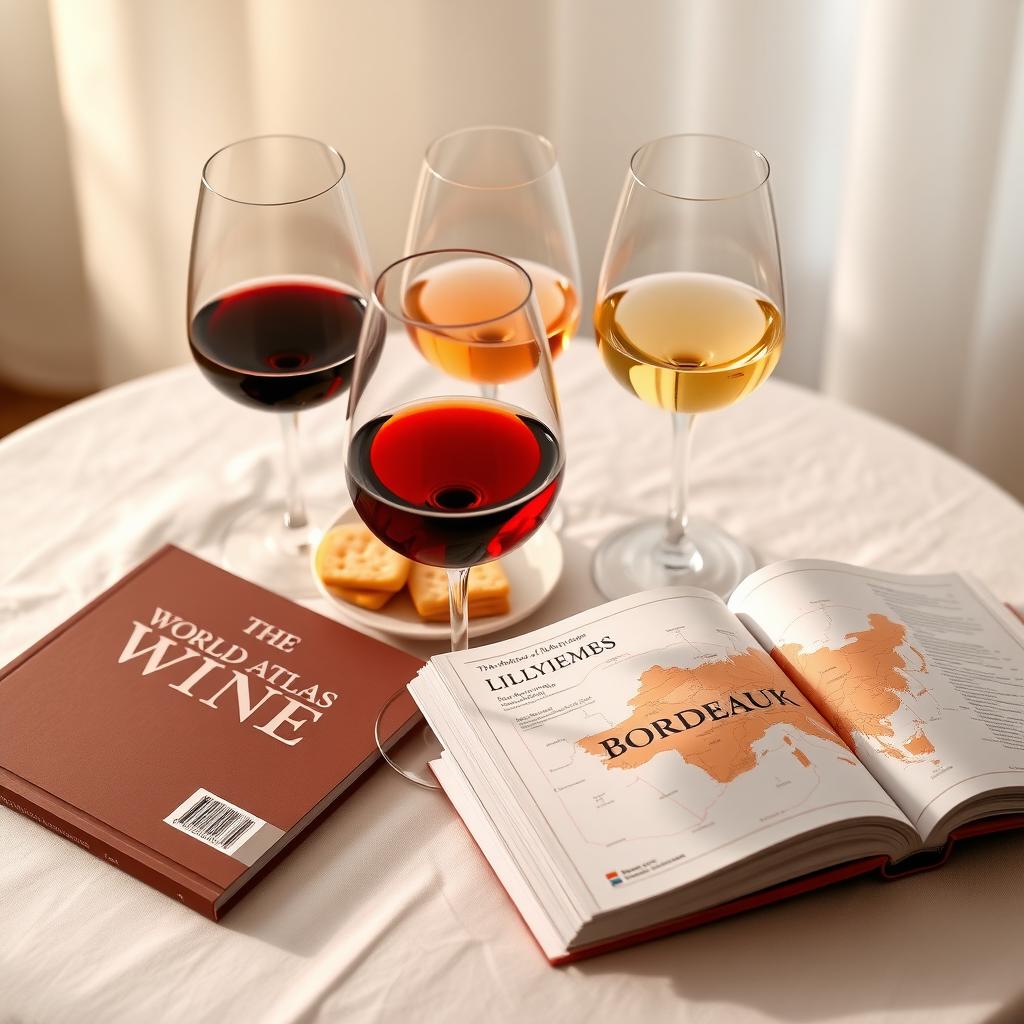
Here’s how to make the most of The World Atlas of Wine:
| Task | How to Use the Atlas |
|---|---|
| Plan a wine trip | Use maps to identify top regions like Tuscany or Napa and their key wineries. |
| Pair wines with food | Check grape variety profiles for pairing ideas, like Cabernet Sauvignon with steak. |
| Build a collection | Reference quality factors to choose high-value wines from regions like Alentejo. |
| Learn tasting skills | Follow the tasting chapter to practice the 5 S’s at home. |
These steps helped me plan a trip to Napa, where I discovered Jackson Family Wines’ tasting room. The atlas’s map of Sonoma guided me to vineyards with the best Pinot Noir.
The Bigger Picture: Wine in a Changing World
The eighth edition addresses modern challenges like climate change, which affects grape growing. Warmer climates are shifting wine regions, and the atlas covers how producers adapt with sustainable practices. This perspective is crucial for understanding the future of wine brands like Jackson Family Wines, which prioritize eco-friendly methods. For a deeper dive into these trends, check the University of Adelaide’s wine economics research, which complements the atlas’s data.
Final Thoughts
The World Atlas of Wine is more than a book—it’s a journey through the world’s vineyards, from the rolling hills of Tuscany to the innovative estates of Jackson Family Wines. It’s perfect for beginners mastering wine tasting and experts seeking deeper insights. With its stunning maps, practical tips, and focus on sustainability, it’s a timeless guide that brings wine to life. Grab a copy, pour a glass, and start exploring!