Sustainable Practices in Modern Winemaking: A Path to Better Wine and a Healthier Planet
Overview
Winemaking is no longer just about crafting a great bottle of wine. Today, it’s about doing so responsibly. Sustainable practices in modern winemaking focus on protecting the environment, supporting communities, and ensuring long-term vineyard health. From Jackson Family Wines to rising New World producers, the industry is evolving to meet consumer demand for eco-conscious wines.
Why Sustainability Matters in Winemaking
The wine industry faces big challenges. Climate change brings unpredictable weather, water scarcity threatens vineyards, and consumers are more aware of environmental impacts. Sustainable practices in modern winemaking tackle these issues head-on. They reduce carbon footprints, conserve resources, and often lead to better-quality wines. I’ve tasted sustainable wines from New Zealand and California, and there’s something special about knowing the land behind them is thriving.
Sustainability isn’t just a buzzword—it’s a necessity. Vineyards that adopt eco-friendly methods can improve soil health, save water, and create wines that reflect their unique terroir. Plus, consumers are driving the trend. A 2021 study showed 65% of wine drinkers prefer brands with sustainable certifications. Wineries like Jackson Family Wines are setting the standard, but others are catching up fast.
Key Sustainable Practices in Modern Winemaking
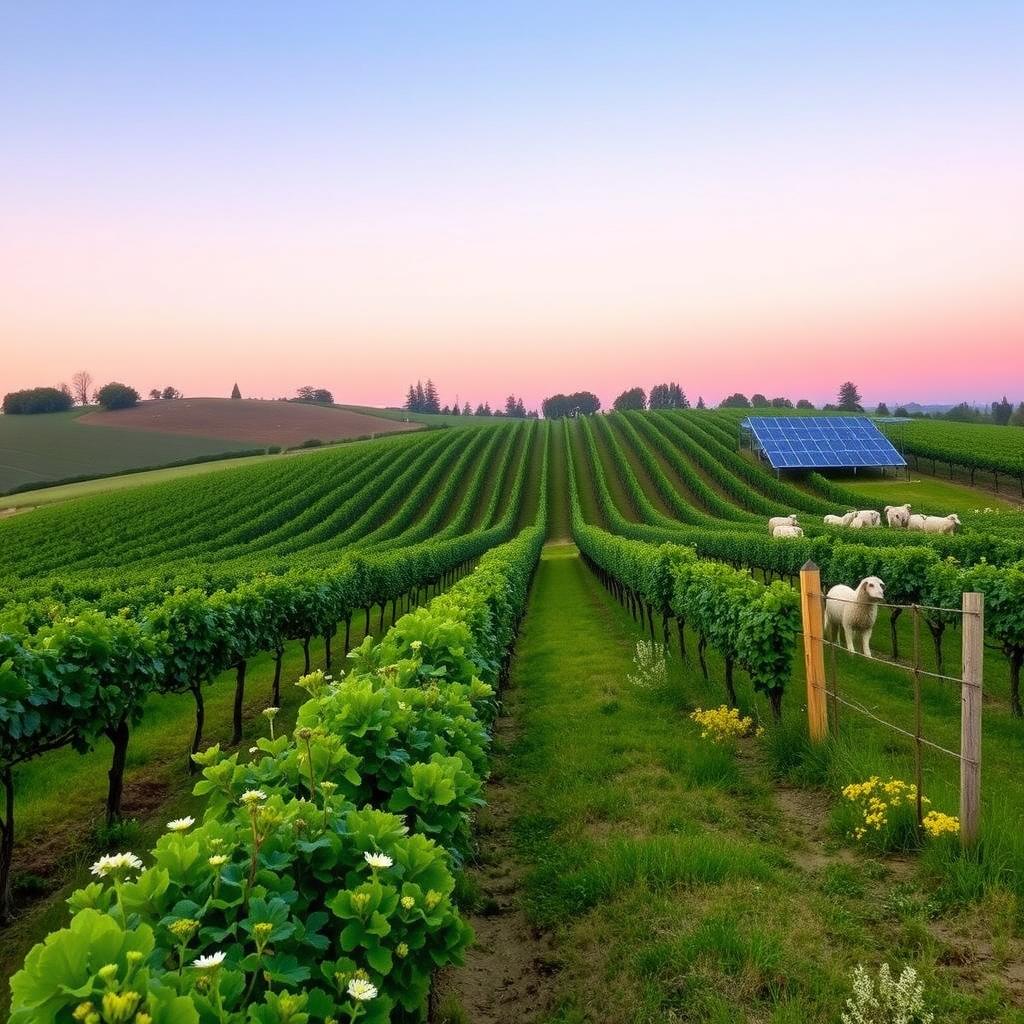
Sustainable winemaking starts in the vineyard and extends to the bottle. Here are some of the most impactful practices:
- Regenerative Farming: This goes beyond organic. It focuses on rebuilding soil health using cover crops, composting, and minimal tilling. Jackson Family Wines aims to transition all its estate vineyards to regenerative farming by 2030, a move that sequesters carbon and boosts grape quality.
- Water Conservation: Smart irrigation systems and rainwater harvesting reduce water waste. For example, Jackson Family Wines uses sensors to monitor soil moisture, ensuring vines get just enough water.
- Renewable Energy: Solar panels and wind turbines power many modern wineries. Jackson Family Wines generates over 680 megawatt-hours annually from solar at its Oakville facility, cutting emissions significantly.
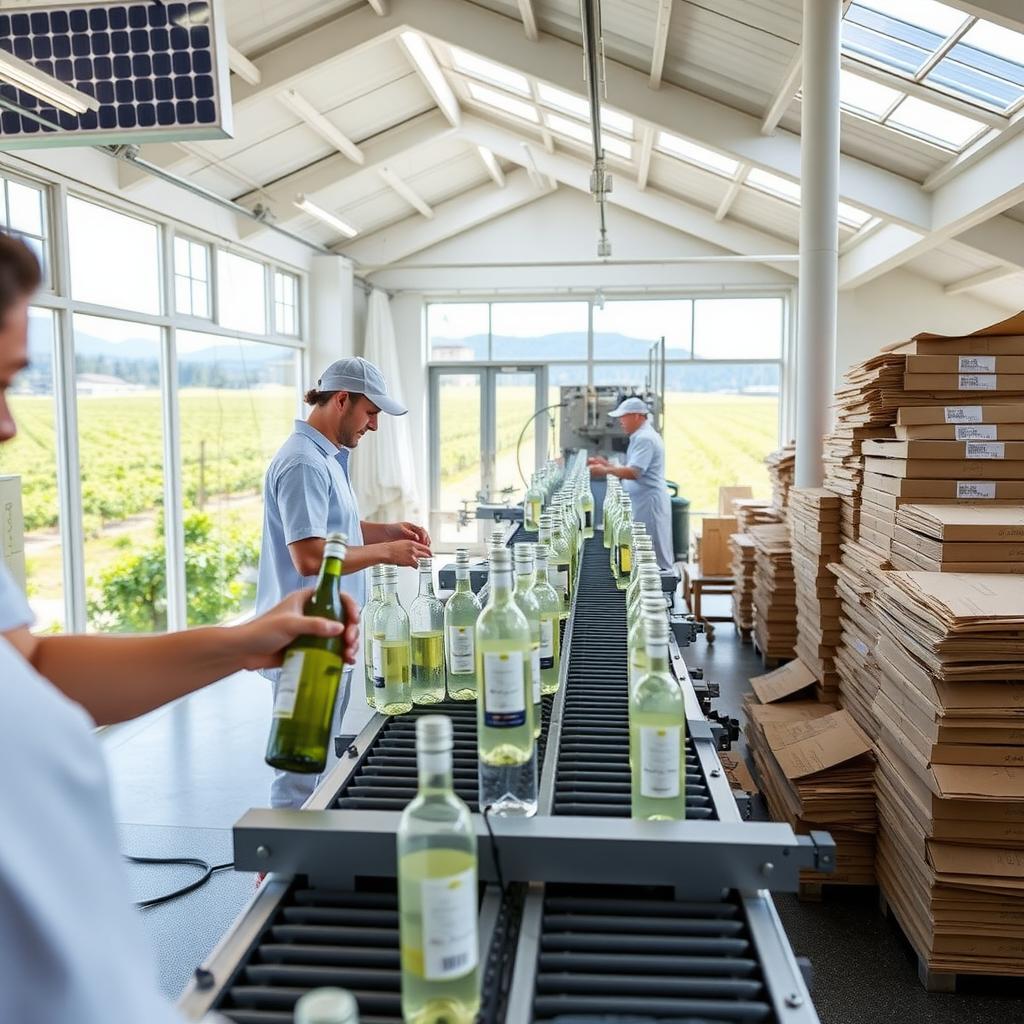
- Eco-Friendly Packaging: Lightweight bottles and recyclable materials reduce a winery’s carbon footprint. Some brands are even experimenting with paper bottles or refillable systems.
These practices aren’t just good for the planet—they save money. Jackson Family Wines has reported over $26 million in savings from sustainability efforts since 2015.
Jackson Family Wines vs Other Wine Brands
When comparing Jackson Family Wines vs other wine brands, their commitment to sustainability stands out. Founded in 1982 by Jess Jackson, the company owns over 40 wineries, including Kendall-Jackson and La Crema. Their “Rooted for Good” plan, launched in 2021, sets ambitious goals: halving carbon emissions by 2030 and becoming climate-positive by 2050. They’ve already cut emissions by 17.5% since 2015 through renewable energy and lightweight bottles.
Other brands are stepping up, too. Etude Winery, for instance, is Napa Green certified and focuses on fish-friendly farming to protect local waterways. The McBride Sisters Wine Company emphasizes sustainable sourcing for their New Zealand wines, like their “Papatūānuku” Pinot Noir. However, Jackson Family Wines’ scale and global reach give them an edge in driving industry-wide change. Their partnerships, like co-founding the International Wineries for Climate Action (IWCA), push others to follow suit.
The Rise of New World Wines: A Comprehensive Guide
New World wines—from regions like the U.S., Australia, New Zealand, and South America—are shaking up the industry. The Rise of New World Wines: A Comprehensive Guide highlights how these regions embrace innovation, including sustainability. Unlike Old World wineries bound by tradition, New World producers experiment freely. For example, New Zealand’s Central Otago region produces stellar sustainable Pinot Noirs, with crisp flavors and minimal environmental impact.
I remember sipping a New Zealand Sauvignon Blanc at a tasting event. Its bright, citrusy notes were amazing, but what stuck with me was the winery’s story of using sheep to control weeds naturally. New World wineries often lead in tech, too, using drones to monitor vineyard health or sensors to optimize irrigation. This blend of innovation and eco-consciousness is why New World wines are gaining global popularity.
Challenges of Going Sustainable
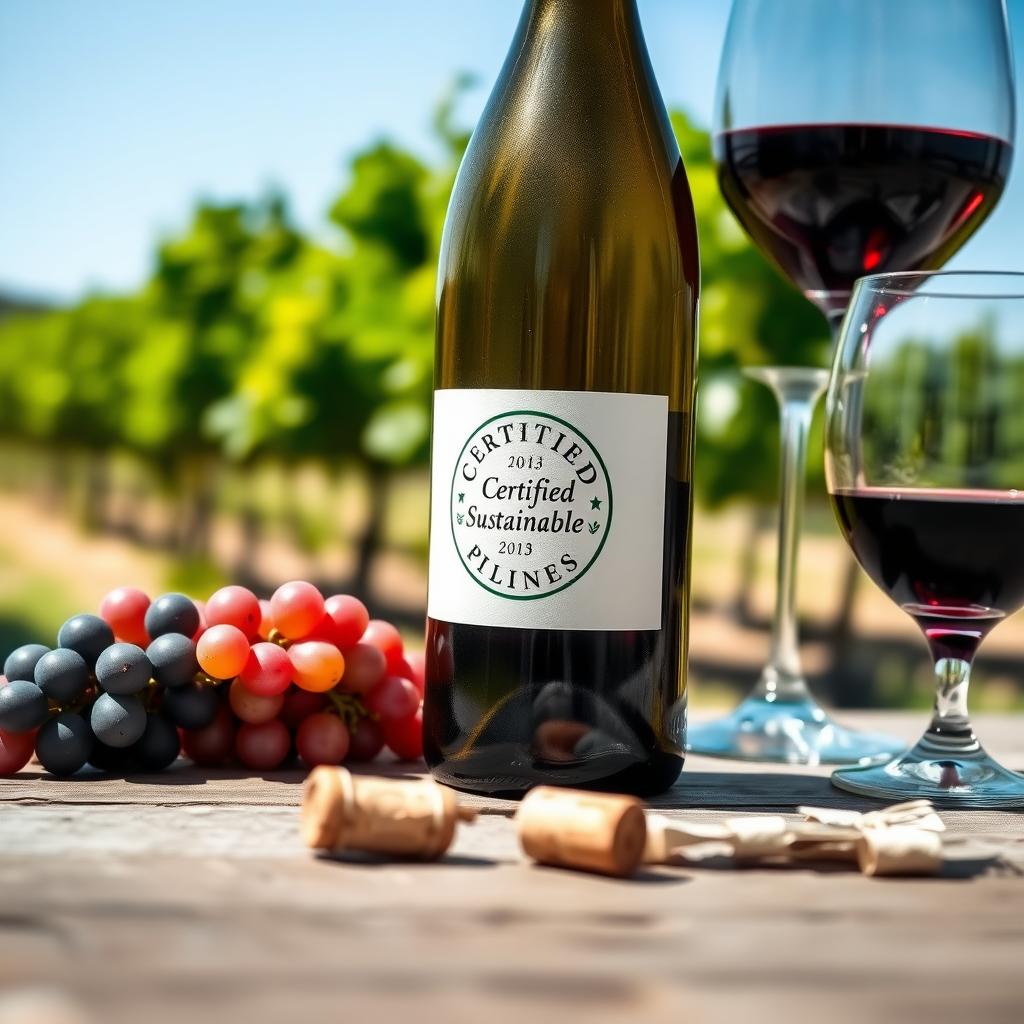
Switching to sustainable practices isn’t easy. Upfront costs can be high—think installing solar panels or retraining staff to weed by hand instead of using chemicals. Smaller wineries often struggle with these investments. There’s also the certification process, which can be time-consuming and expensive. Labels like “Certified Sustainable” or “Organic” require rigorous audits, but they’re worth it for consumer trust.
Another challenge is climate change itself. Rising temperatures and droughts threaten grape yields. Sustainable practices like regenerative farming can help, but they’re not a cure-all. Wineries must plan for the long term, as Jackson Family Wines does by “future-proofing” vineyards for climates decades from now.
How Consumers Can Support Sustainable Winemaking
As a wine lover, you have power. Here’s how you can support sustainable practices:
| Action | Impact |
|---|---|
| Choose certified wines | Look for labels like “Certified Sustainable,” “Organic,” or “Biodynamic.” These show a winery’s commitment to the planet. |
| Support local wineries | Buying from nearby producers reduces transport emissions. |
| Ask about sustainability | When visiting tasting rooms, ask how the winery protects the environment. It encourages accountability. |
| Recycle bottles | Many wineries use recyclable materials—make sure those bottles don’t end up in landfills. |
Next time you’re shopping, try a bottle from a sustainable winery. It’s a small choice that supports a bigger cause. I’ve started checking labels at my local store, and it feels good knowing I’m helping the planet with every sip.
The Future of Sustainable Winemaking
The future looks bright for sustainable winemaking. Technology will play a big role—think AI-driven vineyard management or carbon-capture systems. Consumer demand is also pushing wineries to innovate. Brands like Jackson Family Wines are leading, but smaller producers are joining in, too. The wine industry is at a turning point, and sustainability is the key to its future.
Collaboration is critical. Groups like the IWCA, co-founded by Jackson Family Wines, bring wineries together to share knowledge and reduce emissions. As more wineries adopt these practices, the industry can become a model for other agricultural sectors.
Summary
Sustainable practices in modern winemaking are transforming the industry. From regenerative farming to renewable energy, wineries like Jackson Family Wines show how to balance quality and environmental care. New World wines are leading the charge, proving innovation and sustainability go hand in hand. By choosing eco-friendly wines, you can support a healthier planet and enjoy better-tasting wine.