A History of Wine Brands: From Ancient Times to Modern Day
Overview
Wine has been a part of human culture for thousands of years, weaving its way through ancient rituals, medieval monasteries, and modern vineyards. A History of Wine Brands: From Ancient Times to Modern Day traces the journey of wine from sacred elixirs to global brands like Jackson Family Wines, known for their commitment to organic vineyards. This article dives into the stories, innovations, and traditions that have shaped wine brands across centuries.
Ancient Beginnings: Wine as a Cultural Cornerstone
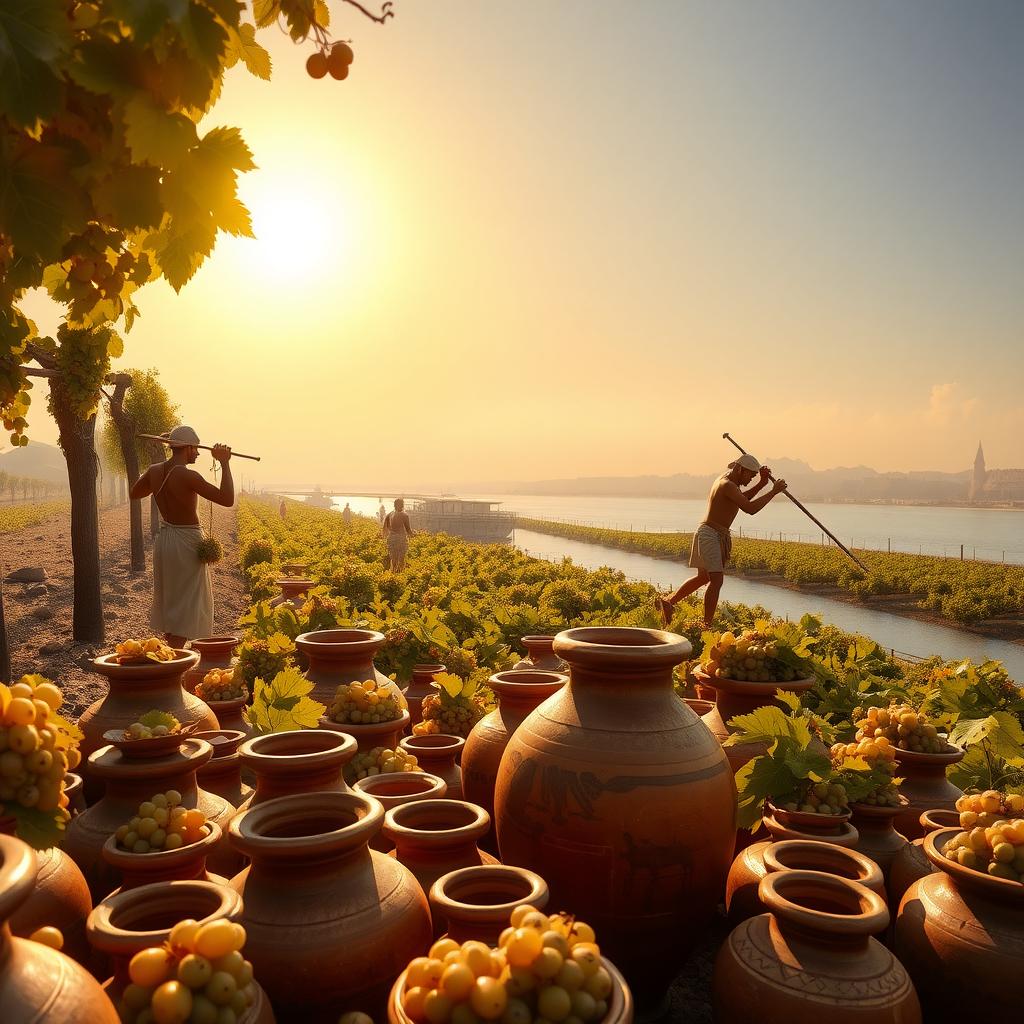
The story of wine brands starts around 6000 BCE in the South Caucasus, where early humans in modern-day Georgia fermented wild grapes in clay jars. These weren’t brands as we know them today, but the seeds of winemaking were planted. In ancient Egypt, wine was a luxury for the elite, used in religious ceremonies and even buried in tombs for the afterlife. The Egyptians didn’t just drink wine; they revered it as a gift from the gods.
By the time the Greeks came along, wine was central to social life. They worshipped Dionysus, the god of wine, and held symposia—lively gatherings where wine fueled philosophical debates. The Greeks spread their love for wine across the Mediterranean, laying the groundwork for regional styles. The Romans took it further, scaling up production and introducing techniques like barrel aging. They planted vineyards across their empire, from France to Spain, creating the first widespread wine trade.
What’s fascinating is how these early cultures didn’t just make wine—they built stories around it. That’s where the idea of a wine brand began: a product tied to a place, a people, and a purpose.
Medieval Europe: Monks and Monasteries
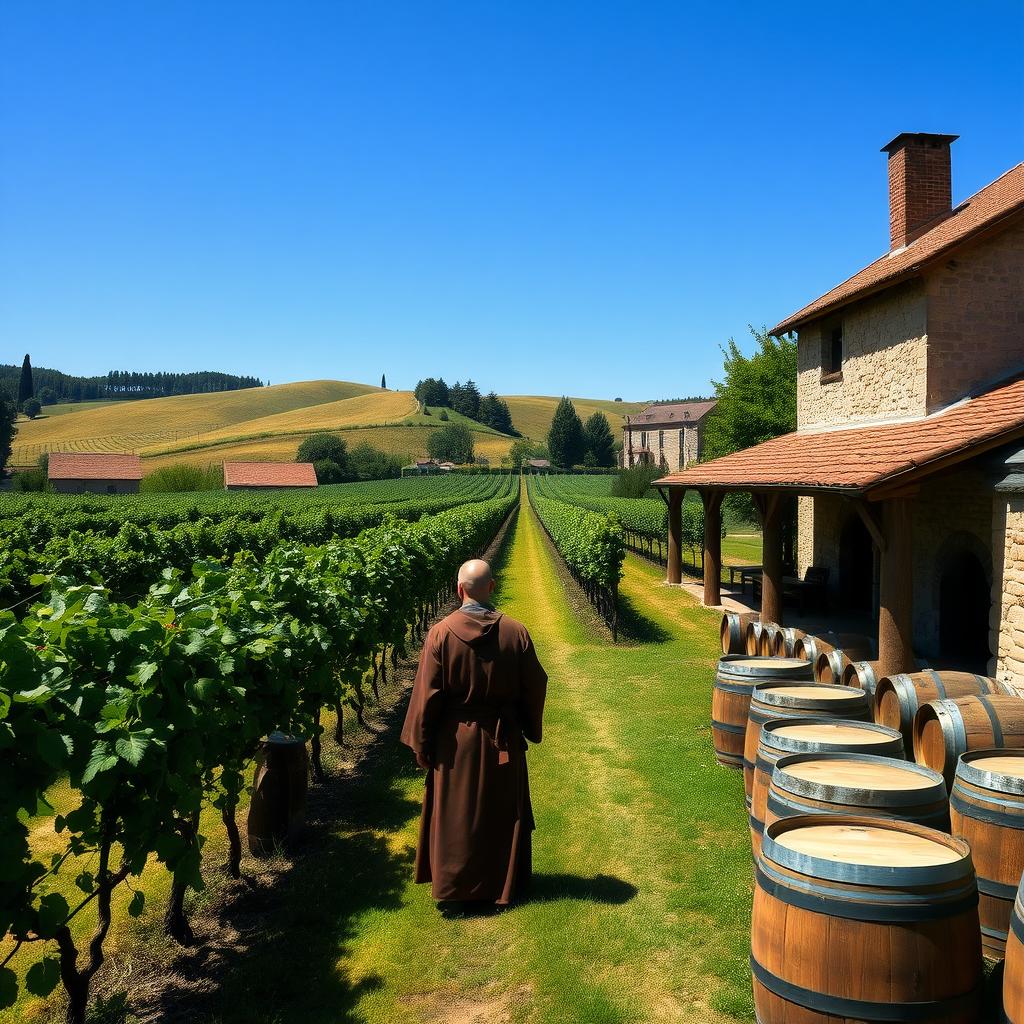
After the Roman Empire fell, winemaking could have faded into obscurity. Instead, the Catholic Church kept it alive. Monks in monasteries across Europe, especially in France and Italy, became the custodians of wine. They didn’t just make wine for the Eucharist; they turned it into an art form. Regions like Bordeaux and Burgundy owe their fame to these early winemakers, who experimented with grape varieties and soil types.
The Church’s influence went beyond spirituality. Monasteries were economic hubs, and their vineyards drove trade. Wine became a safer drink than water, which was often contaminated. By the Middle Ages, wine was a staple for everyone, from peasants to kings. The monks’ meticulous records laid the foundation for modern viticulture, teaching us about terroir—the unique way a place shapes a wine’s flavor.
The Renaissance and Global Expansion
The Renaissance brought a new thirst for knowledge, and winemaking benefited. People like Andrea Bacci, an Italian scholar, wrote detailed guides on grape growing and winemaking. Meanwhile, European explorers took vines to new lands. The Spanish planted vineyards in South America, while the French and Dutch introduced them to South Africa. These efforts created new wine regions, expanding the global reach of wine.
This era also saw the rise of wine as a status symbol. Merchants and guilds set standards to ensure quality, and the first recognizable wine brands emerged. Regions like Bordeaux began classifying their wines, a system that’s still used today. It wasn’t just about taste—it was about reputation. A bottle from a respected estate carried weight, much like a luxury brand does now.
The Modern Era: Innovation and Challenges
The 19th century was a turning point for wine brands. The Industrial Revolution brought new tools, like mechanized presses and glass bottles with corks, making wine more accessible. But it wasn’t all smooth sailing. The phylloxera epidemic, a tiny pest from North America, nearly wiped out European vineyards in the late 1800s. The solution—grafting European vines onto resistant American rootstocks—saved the industry and showed how innovation could overcome disaster.
The 20th century saw wine go global. New World regions like California, Australia, and Chile challenged Europe’s dominance. The 1976 Judgment of Paris, where California wines beat French ones in a blind tasting, put brands like Napa Valley’s Opus One on the map. Technology, like stainless steel tanks and temperature-controlled fermentation, made wines more consistent and affordable.
A Deep Dive into the World of Wine Brands: Jackson Family Wines
Enter Jackson Family Wines, a modern success story in the world of wine brands. Founded in 1982 by Jess Jackson, this California-based company started with Kendall-Jackson, a name now synonymous with quality Chardonnay. What sets Jackson Family Wines apart is their focus on terroir-driven wines and sustainability. Their portfolio includes over 60 brands, from California’s Cambria to international estates in Australia and Bordeaux.
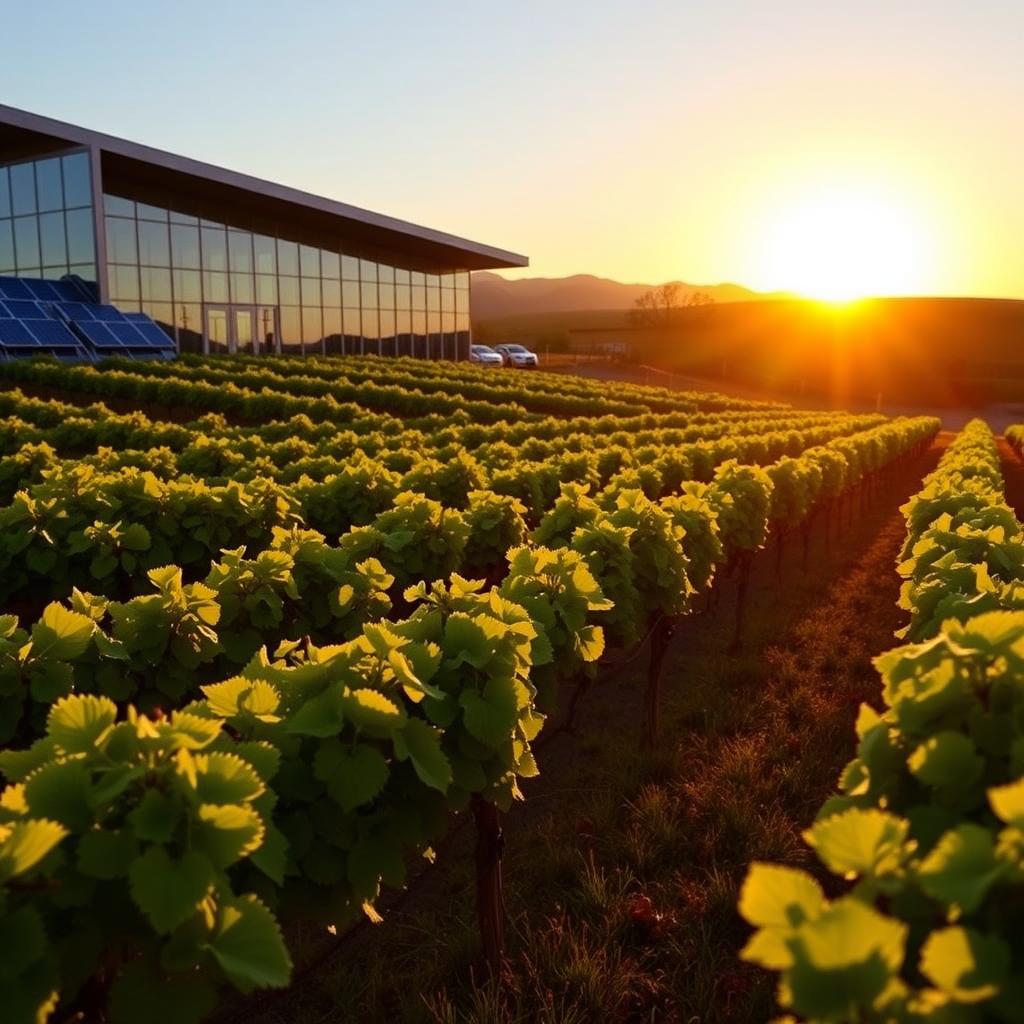
I’ve tasted their Kendall-Jackson Vintner’s Reserve Chardonnay, and it’s a standout—crisp, with notes of green apple and a creamy finish. It’s no surprise it’s been America’s top-selling Chardonnay for over 25 years. What impresses me more is their commitment to organic vineyards. All their estate vineyards are certified sustainable, and they’ve embraced solar power and biodiversity projects. This isn’t just about making great wine; it’s about doing it responsibly.
Jackson Family Wines and organic vineyards go hand in hand. Their approach shows how modern brands can honor tradition while pushing for a greener future. For example, their collaboration with Tesla Energy on a pilot project in 2015 highlights their forward-thinking ethos. It’s a reminder that wine brands today aren’t just selling bottles—they’re selling values.
Iconic Wine Brands and Their Legacy
Some wine brands have become legends. Château Margaux in Bordeaux, with roots in the 16th century, is known for its elegant Cabernet Sauvignon blends. Penfolds Grange from Australia, born from a winemaker’s bold vision in the 1940s, redefined New World wines. Italy’s Tignanello broke tradition by blending Sangiovese with Cabernet, inspiring a wave of innovation.
These brands aren’t just about wine; they’re about storytelling. Each bottle carries a history, a place, and a vision. Whether it’s the prestige of Château Lafite Rothschild or the pioneering spirit of Jackson Family Wines, these names resonate because they connect with people on a deeper level.
| Iconic Wine Brand | Region | Signature Wine | Notable Achievement |
|---|---|---|---|
| Château Margaux | Bordeaux, France | Cabernet Sauvignon Blend | Premier Grand Cru Classé (1855) |
| Penfolds Grange | Australia | Shiraz | Global acclaim after initial criticism |
| Tignanello | Tuscany, Italy | Sangiovese-Cabernet Blend | Pioneered Super Tuscan wines |
| Jackson Family Wines | California, USA | Kendall-Jackson Chardonnay | America’s #1 Chardonnay for 25+ years |
What I love about these brands is how they balance tradition and innovation. They respect the past while embracing new techniques, like organic farming or modern fermentation methods.
The Future of Wine Brands
Today’s wine brands face new challenges, like climate change and shifting consumer tastes. Sustainability is no longer optional—it’s a must. Brands like Jackson Family Wines lead the way with organic vineyards and eco-friendly practices. Consumers also want authenticity, driving the rise of natural and biodynamic wines.
Technology is shaping the future too. From precision viticulture to AI-driven fermentation, winemakers are finding new ways to improve quality. Emerging markets in Asia and Africa are also expanding the global wine scene, bringing fresh perspectives and flavors.
My takeaway? Wine brands thrive when they stay true to their roots but adapt to the times. Whether it’s a 16th-century château or a modern organic vineyard, the best brands tell a story that resonates across generations.
Summary
A Deep Dive into the World of Wine Brands reveals a journey from ancient clay jars to modern organic vineyards. From Egypt to Bordeaux, monks to moguls, wine brands have shaped culture and commerce. Jackson Family Wines stands out today, blending quality with sustainability. As the industry evolves, the heart of wine remains: a story in every bottle.