Jackson Family Wines Unveils New Report, Goals Aimed at Advancing Field of Sustainable Wine
Jackson Family Wines, a titan in the global wine industry, has long been a name synonymous with quality and innovation. Their latest move, detailed in Jackson Family Wines Unveils New Report, Goals Aimed at Advancing Field of Sustainable Wine on sustainablebrands.com, solidifies their commitment to environmental and social responsibility. This article dives into their groundbreaking sustainability efforts, compares their approach to other wine brands, and explores how they’re shaping the future of winemaking. From regenerative farming to carbon neutrality, their roadmap is a masterclass in balancing tradition with forward-thinking practices.
A Legacy Rooted in Responsibility
Founded in 1982 by Jess Jackson, Jackson Family Wines started as a small winery in California’s Lake County. Today, it’s a global powerhouse with 40 high-end wineries across California, Oregon, France, Italy, Australia, Chile, and South Africa. What sets them apart isn’t just their scale but their unwavering focus on sustainability. Their Rooted for Good initiative, launched in 2021, is a 10-year plan to cut their carbon footprint in half by 2030 and achieve climate positivity by 2050—without relying on carbon offsets. This bold vision reflects a deep understanding that sustainable winemaking isn’t just a trend; it’s a necessity for the planet and future generations.
Their first sustainability report, released in 2018, laid the groundwork. It outlined ambitious five-year goals, including a 25% reduction in greenhouse gas emissions and a 33% reduction in water use per gallon of wine produced. By 2021, they’d already slashed water use by 31% and were recycling 98% of packaging waste. These achievements aren’t just numbers—they’re proof that sustainable practices can drive real results.
Sustainable Practices in Modern Winemaking
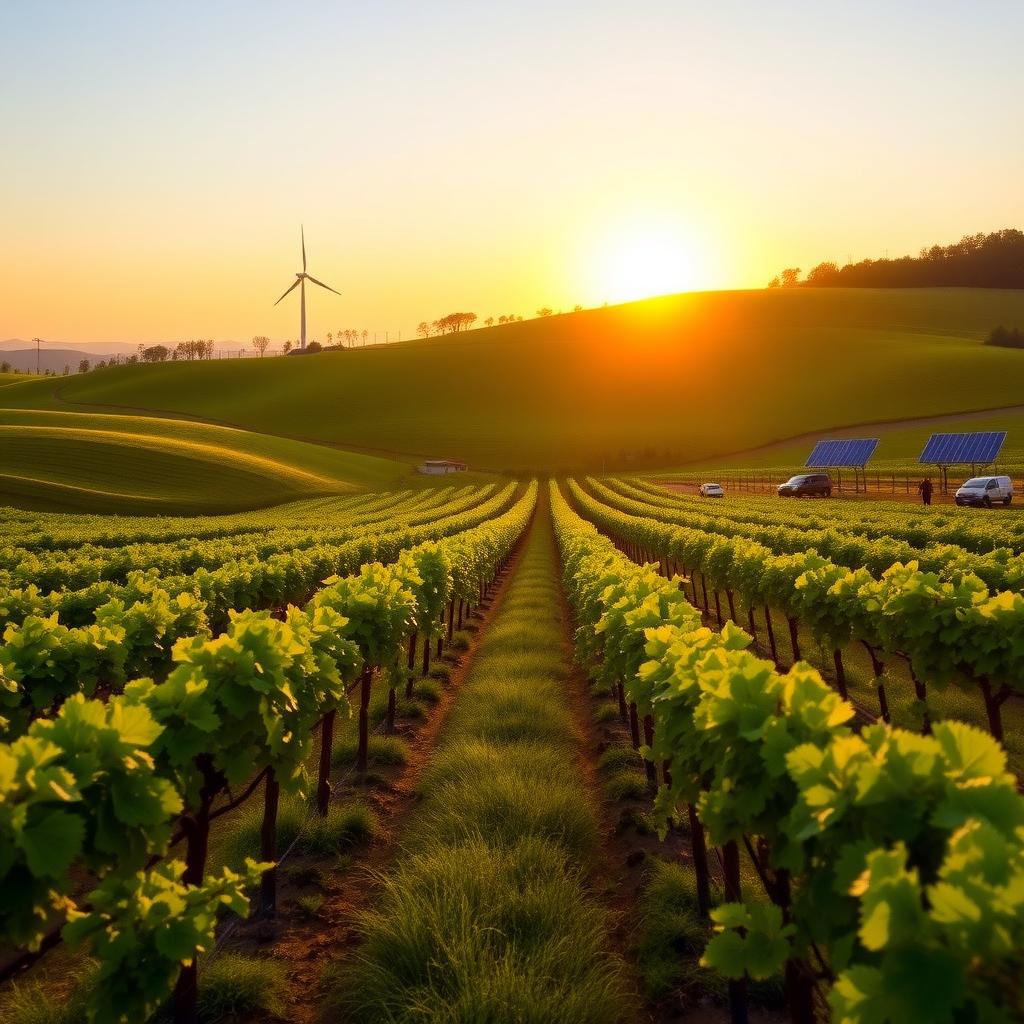
Sustainable winemaking goes beyond organic farming. It’s about rethinking every step of the process—from soil health to energy use to employee well-being. Jackson Family Wines excels here. Their commitment to regenerative farming, which emphasizes low or no-till practices, cover crops, and composting, is a cornerstone of their strategy. By 2030, they aim to transition 100% of their estate vineyards to regenerative methods. This approach not only sequesters carbon but also improves soil health, ensuring vineyards remain productive for decades.
They’re also pioneers in renewable energy. The company has installed solar panels and wind turbines across their wineries, reducing reliance on fossil fuels. In 2015, they partnered with Tesla to install 21 stationary battery systems at their Kendall-Jackson winery, cutting energy costs by nearly 10% annually. According to a study by UC Davis, such innovations in energy storage are critical for reducing the carbon footprint of agricultural operations. Jackson Family Wines is setting a standard that others in the industry are scrambling to match.
Comparing Jackson Family Wines vs Other Wine Brands
How does Jackson Family Wines stack up against competitors? Many brands tout sustainability, but few match JFW’s depth and transparency. Take E. & J. Gallo, another California giant. While Gallo has made strides in water conservation and sustainable packaging, their focus is narrower, often centered on operational efficiency rather than systemic change. JFW’s Rooted for Good initiative, by contrast, tackles everything from soil health to diversity, equity, and inclusion (DEI).
European brands like Familia Torres in Spain share JFW’s commitment to decarbonization through the International Wineries for Climate Action (IWCA), co-founded by Katie Jackson in 2019. However, JFW’s global reach and multi-faceted approach give them an edge. For example, their DEI efforts include scholarships and mentorships to diversify the wine industry, where women make up only 10-14% of winemakers in California. At JFW, 61% of winemakers are women, a statistic that speaks volumes about their leadership in social responsibility.

The Rise of New World Wines: A Comprehensive Guide
The rise of New World wines—those produced outside traditional European regions—has reshaped the global wine industry. Jackson Family Wines is at the forefront, blending Old World craftsmanship with New World innovation. Their portfolio, including brands like Kendall-Jackson and La Crema, showcases the diversity of regions like Sonoma County and Oregon’s Willamette Valley. But it’s their sustainability focus that makes them a leader in this space.
Unlike traditional European wineries, which often lean on centuries-old practices, New World producers like JFW embrace technology and adaptability. Their investment in soil carbon sequestration, for instance, aligns with research from the USDA, which highlights agriculture’s potential to mitigate climate change. By sharing their successes and failures openly, JFW inspires others to adopt similar practices, amplifying their impact across the industry.
Challenges and Opportunities
Sustainability isn’t without challenges. Transitioning to regenerative farming requires upfront investment and patience, as soil health improvements take years to fully materialize. Energy transitions, while cost-saving in the long run, demand significant capital. Yet, JFW’s $26 million in savings from sustainability efforts shows the financial upside. Their partnership with organizations like the Sonoma County Winegrape Commission, which aims to make the region 100% sustainable, further amplifies their impact.
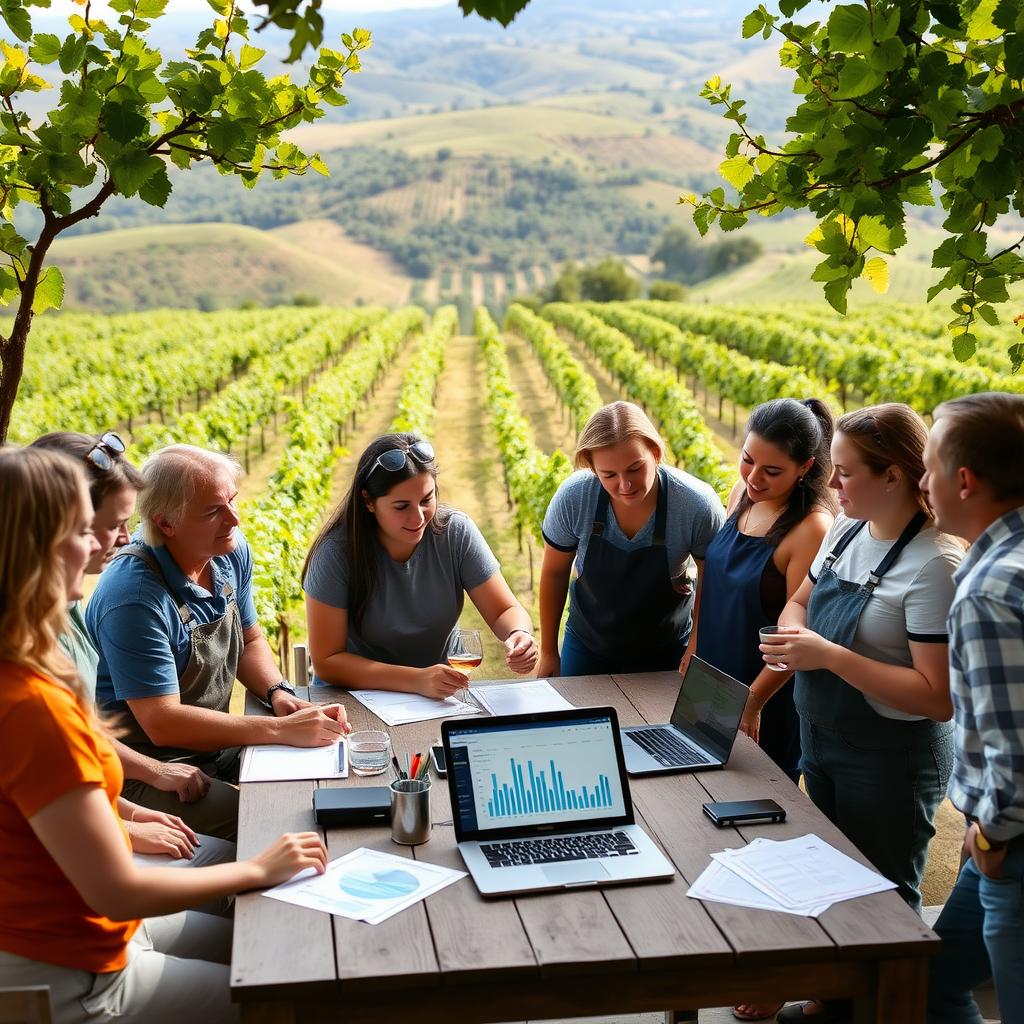
Another hurdle is consumer perception. While wine drinkers increasingly value sustainability, many don’t fully understand terms like 'regenerative' or 'climate positive.' JFW tackles this through education, hosting online seminars on climate action and social impact. Their transparency—sharing both successes and setbacks—builds trust and sets a model for others.
Why It Matters
Jackson Family Wines isn’t just making wine; they’re redefining what it means to be a responsible producer. Their goals—cutting emissions, conserving water, and fostering inclusivity—address the interconnected challenges of climate change and social equity. By leading with action, not just words, they’re proving that sustainability and profitability can coexist.
Their influence extends beyond their own operations. Through initiatives like IWCA and partnerships with academic institutions like UC Davis, they’re driving industry-wide change. For consumers, choosing JFW’s wines means supporting a vision where quality and responsibility go hand in hand.
Looking Ahead
The wine industry faces a critical decade. With climate change threatening traditional growing regions, producers must adapt or risk obsolescence. Jackson Family Wines is ahead of the curve, blending innovation, transparency, and a multi-generational vision. Their latest report isn’t just a milestone—it’s a call to action for the entire industry.
In summary, Jackson Family Wines Unveils New Report, Goals Aimed at Advancing Field of Sustainable Wine showcases a company that’s not afraid to lead. From regenerative farming to renewable energy to DEI, their holistic approach sets a high bar. As they work toward a climate-positive future, they’re proving that great wine can also do great good.