How to Store Wine Properly at Home: A Guide for Beginners and Collectors
Overview
Storing wine properly at home is key to preserving its flavor and quality. Whether you're a casual drinker or dreaming of starting your own wine collection, understanding how to store wine correctly ensures every bottle tastes as the winemaker intended. This guide covers practical tips, from temperature control to choosing the right storage, with insights into different wine aging techniques and a nod to Beringer’s renowned production process.
Why Proper Wine Storage Matters
Wine is a living thing. It changes over time, and how you store it can make or break its taste. Improper storage can lead to oxidation, where the wine loses its vibrant flavors and develops a flat, vinegar-like taste. For example, I once left a bottle of Pinot Noir in a sunny kitchen corner for a month, only to find it had lost its fruity charm. To avoid such mishaps, let’s dive into the essentials of storing wine properly at home.
Temperature: The Heart of Wine Storage
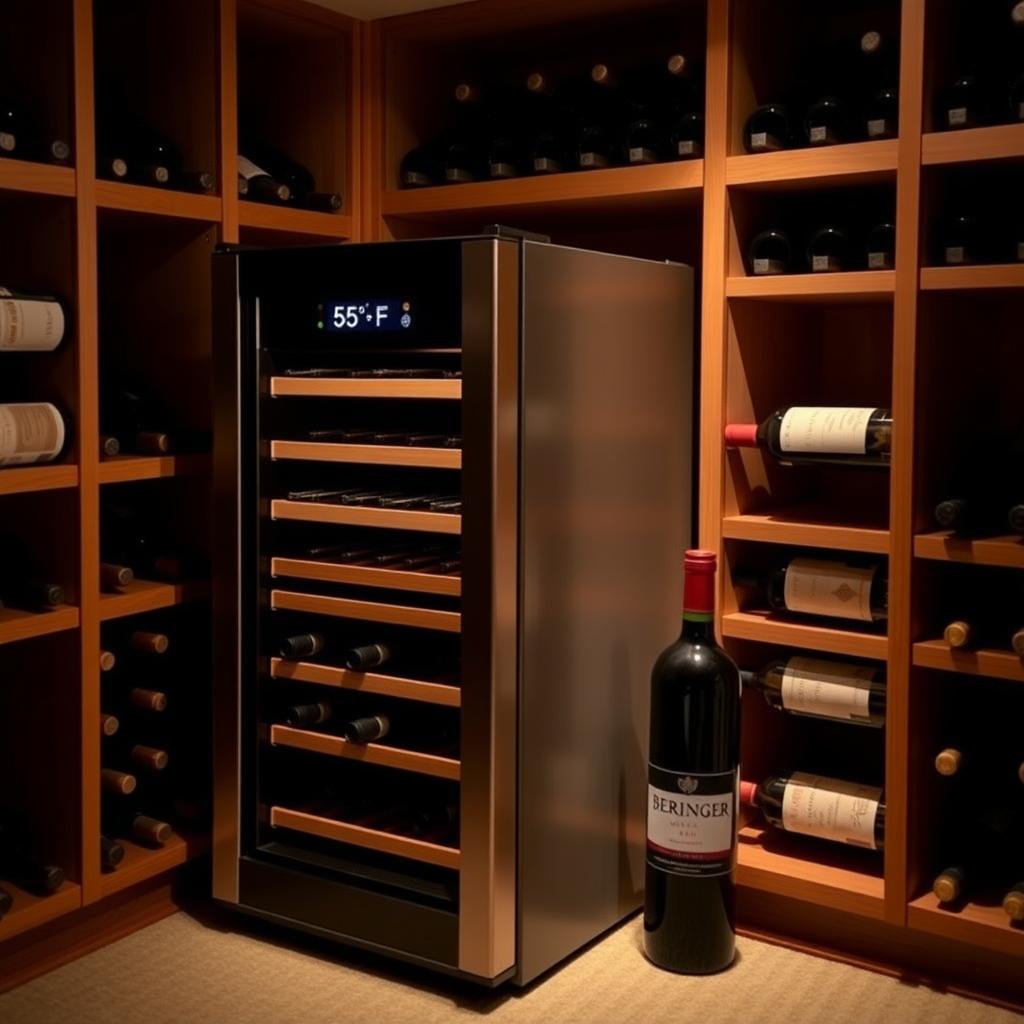
Temperature is the most critical factor in wine storage. Wine thrives in a cool, stable environment, ideally between 45°F and 65°F (7°C to 18°C), with 55°F (13°C) being the sweet spot for most wines. Fluctuations can cause the wine to expand and contract, damaging the cork and letting air seep in. Red wines, like those crafted in the Beringer wine production process, are particularly sensitive to heat, which can accelerate aging and dull their rich flavors.
If you don’t have a wine cellar, a dedicated wine cooler is a great investment. I started with a small 12-bottle cooler, which kept my collection safe without breaking the bank. Avoid storing wine in your kitchen fridge for long periods—it’s too cold and can dry out corks, leading to spoilage.
Humidity: Keeping Corks Happy
Humidity is another key player. Aim for 50-70% humidity to keep corks moist and prevent them from shrinking, which could let air into the bottle. Too much humidity, though, can lead to moldy labels. I learned this the hard way when a damp basement corner left my bottle labels peeling. A simple hygrometer can help you monitor humidity levels. If your storage area is too dry, consider a small humidifier.
Light and Vibration: Silent Enemies
Light, especially sunlight, can harm wine by triggering chemical reactions that degrade its flavor. This is why many wines, including those from Beringer, come in dark green or amber bottles to block UV rays. Store your wine in a dark place, like a basement or a closet, away from windows. Vibration is another culprit—constant shaking can disturb the sediment in wines, especially reds meant for long-term aging. Keep bottles away from appliances like washing machines.
How to Start Your Own Wine Collection
Starting a wine collection is exciting but can feel overwhelming. Begin with wines you enjoy drinking, and think about their aging potential. Not all wines improve with age—most are meant to be enjoyed within a few years. For example, Beringer’s Napa Valley Chardonnay is delicious young, but their Private Reserve Cabernet Sauvignon can age beautifully for decades, thanks to their meticulous production process.
Choosing Wines for Your Collection
Focus on reds with high tannins, like Cabernet Sauvignon or Bordeaux blends, for long-term aging. Whites like Chardonnay or Riesling can also age well, especially those with high acidity. When I started my collection, I picked a mix of affordable bottles and a few premium ones, like a Beringer Knights Valley Cabernet, to balance cost and quality. Research wines with aging potential using resources like Wine Spectator’s vintage charts to guide your purchases.
Building Your Storage Setup
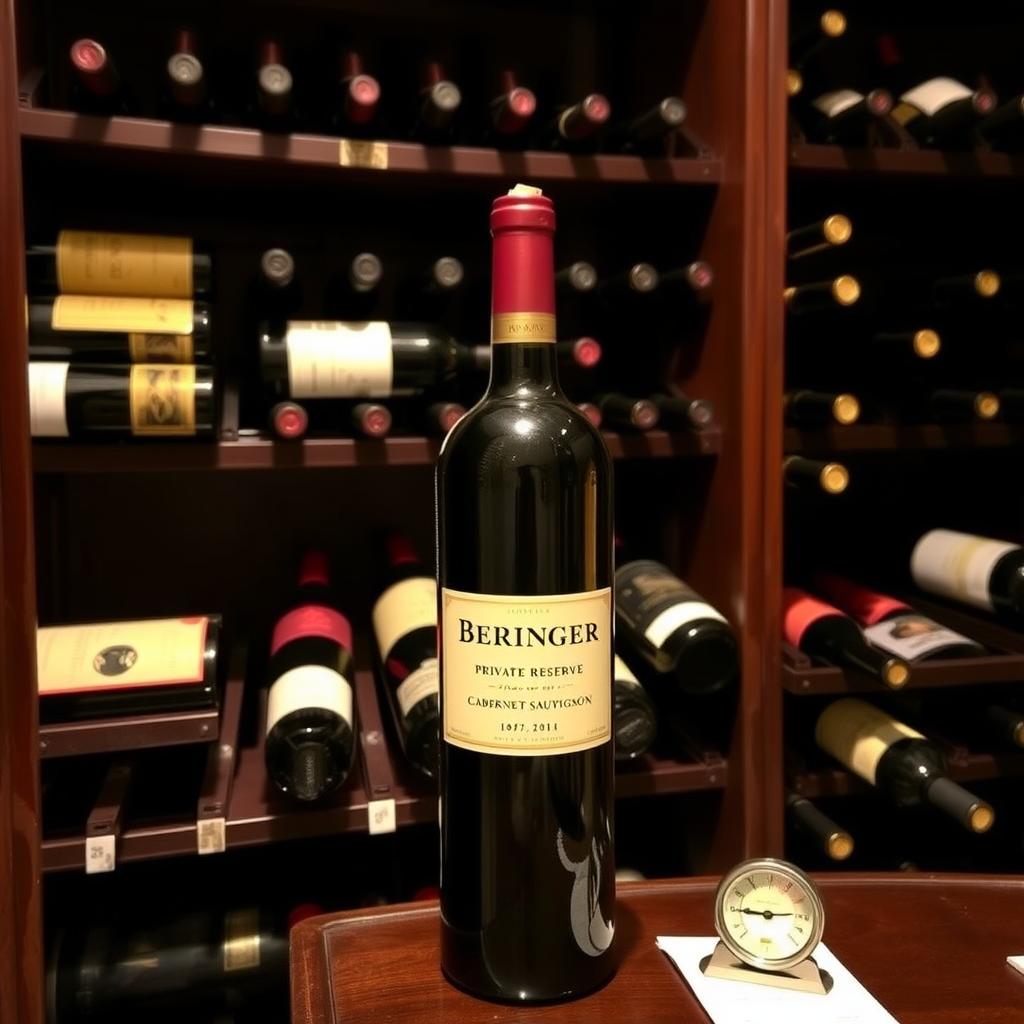
You don’t need a fancy cellar to start collecting. A small wine cooler or a dedicated shelf in a cool, dark closet works fine. Store bottles horizontally to keep corks moist, as I learned after a Merlot went bad from an upright bottle drying out. Label your bottles with purchase dates and tasting notes to track their progress. Apps like Vivino can help you manage your collection.
Understanding Different Wine Aging Techniques
Aging wine is an art that enhances its flavor and complexity. Different techniques, used by winemakers like Beringer, influence how a wine develops over time. Here’s a look at some common methods and how they impact storage at home.
| Aging Technique | Description | Impact on Wine |
|---|---|---|
| Oak Barrel Aging | Wine is stored in oak barrels, often French or American oak, for months or years. | Adds flavors like vanilla, spice, or toast; softens tannins. Beringer uses this for their bold reds. |
| Stainless Steel Aging | Wine is aged in stainless steel tanks to preserve freshness. | Keeps fruit flavors vibrant, common for whites like Beringer’s Chardonnay. |
| Bottle Aging | Wine matures in the bottle after bottling. | Develops complex aromas and smoother textures; requires proper home storage. |
| Aging on Lees | Wine sits on dead yeast cells, often used for sparkling wines. | Adds creamy textures and nutty flavors, less common for home aging. |
Beringer’s wine production process, for instance, often involves oak barrel aging for their premium reds, like the Private Reserve Cabernet Sauvignon. This method, detailed in The Wine Society’s guide to winemaking, imparts rich flavors but requires careful storage at home to maintain quality. Bottle aging, on the other hand, is where your home storage setup shines—keeping bottles at the right temperature and humidity ensures the wine evolves as intended.
Insights into Beringer’s Wine Production Process
Beringer, one of Napa Valley’s oldest wineries, is known for its meticulous approach to winemaking. Their process begins with hand-picking grapes at peak ripeness, ensuring only the best fruit is used. For reds, grapes undergo fermentation with the skins to extract color and tannins, followed by aging in French oak barrels for up to two years. This careful process, as explained in Cornell University’s wine industry resources, enhances the wine’s structure and flavor, making proper home storage crucial to preserve these qualities.
For example, Beringer’s Sauvignon Blanc is fermented in stainless steel to retain its crisp, fruity profile. Knowing this helps you store it correctly—cooler temperatures to maintain its freshness. Understanding the production process gives you clues about how to store each wine type to honor the winemaker’s craft.
Practical Tips for Home Wine Storage
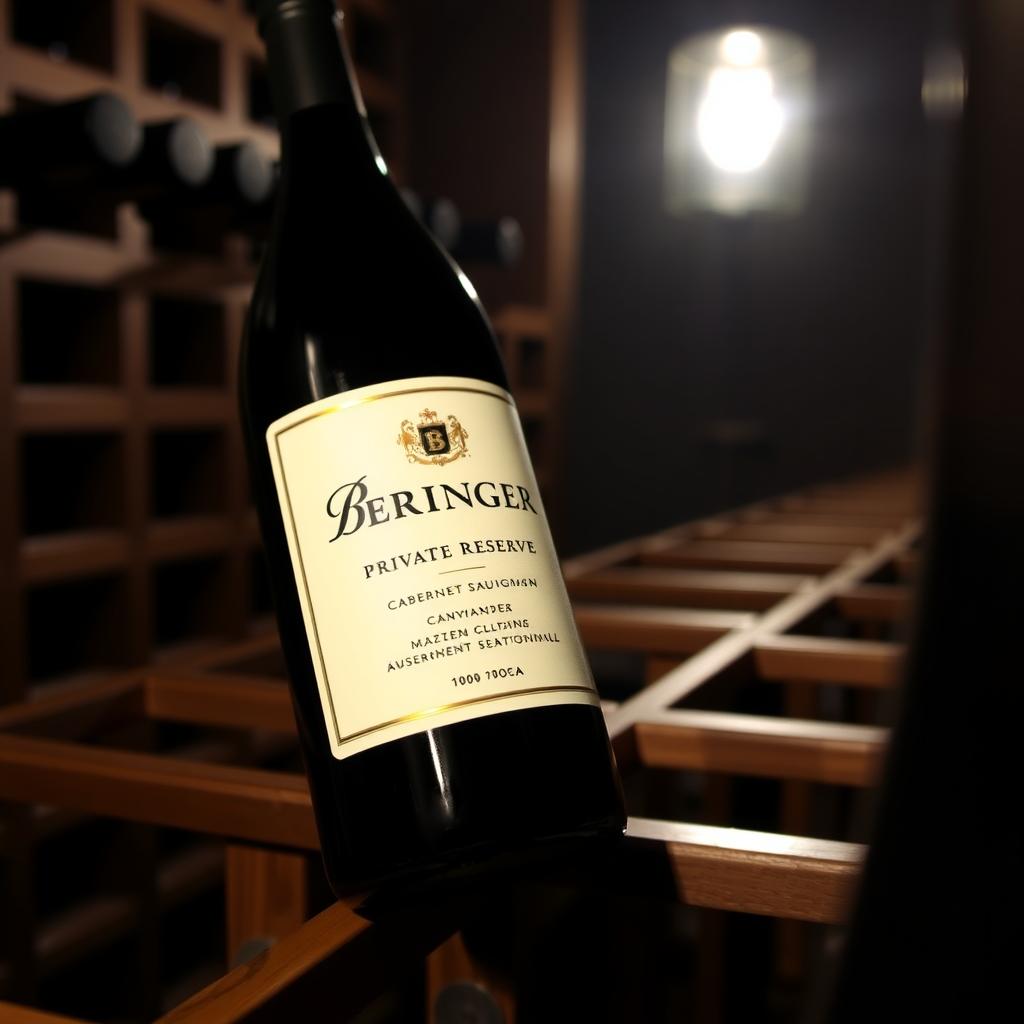
Here’s a quick checklist to store wine properly at home: - Temperature: Keep it steady at 55°F (13°C). - Humidity: Aim for 50-70% to protect corks. - Position: Store bottles horizontally. - Light: Avoid sunlight; use dark bottles or a dark storage area. - Vibration: Place bottles away from appliances or heavy foot traffic. - Inventory: Track your collection with notes or an app.
If you’re serious about collecting, consider investing in a wine fridge with dual zones for reds and whites. For long-term aging, check bottles yearly for cork condition and sediment. I once opened a 10-year-old Cabernet to find it had turned—likely due to a faulty cork from improper storage. Regular checks can save your collection.
Common Mistakes to Avoid
Avoid these pitfalls to keep your wine in top shape: - Storing in the kitchen: It’s too warm and busy. - Upright storage: Dries out corks, letting air in. - Ignoring humidity: Too dry or too wet ruins labels or corks. - Buying without research: Not all wines age well, so choose wisely.
Summary
Storing wine properly at home is about creating a stable, cool, and dark environment to protect its flavor and quality. Whether you’re starting your own wine collection or just keeping a few bottles, focus on temperature, humidity, and light control. Understanding different wine aging techniques, like those used in Beringer’s wine production process, helps you store each bottle to its full potential. With these tips, you’ll enjoy every sip as the winemaker intended.