Jackson Family Wines and Organic Vineyards: Pioneering Sustainable Winemaking
Overview: A Legacy of Land and Wine
Jackson Family Wines is more than a winery—it’s a family-driven mission to craft exceptional wines while nurturing the earth. Founded in 1982 by Jess Jackson, this Sonoma-based company has become a leader in organic viticulture, with 480 acres of Napa Valley vineyards certified organic by 2023. Their story blends passion, innovation, and a deep respect for nature.
The Roots of Jackson Family Wines
It all started with a single vineyard in Lake County, California. Jess Jackson, a lawyer turned vintner, had a vision: make great wine that respects the land. His first big hit was the Kendall-Jackson Vintner’s Reserve Chardonnay, a smooth, fruit-forward wine that won hearts across America. Today, led by Jess’s wife, Barbara Banke, and their children, Jackson Family Wines owns over 40 wineries worldwide. Their focus? Quality wines and sustainable practices.
What sets them apart is their commitment to the land. They don’t just grow grapes—they build ecosystems. Their organic vineyards are a testament to this, using natural methods to produce grapes that reflect the true character of their terroir.
Why Organic Vineyards Matter
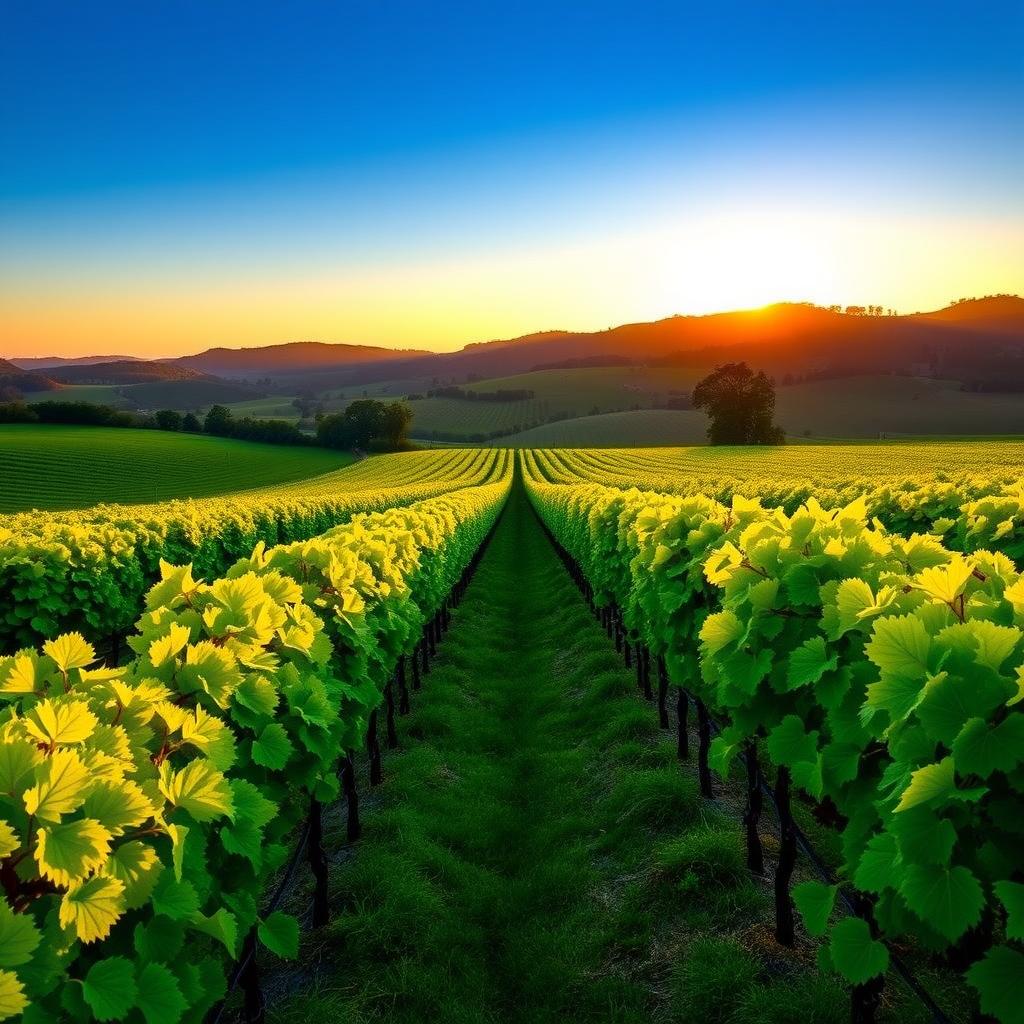
Organic vineyards aren’t just a trend—they’re a game-changer. By avoiding synthetic pesticides and fertilizers, Jackson Family Wines keeps the soil healthy and the ecosystem thriving. This approach leads to purer grapes with flavors that truly reflect the land. According to the USDA’s National Organic Program, organic farming enhances soil fertility and supports biodiversity, which aligns perfectly with Jackson’s goals.
Their 480 acres of certified organic vineyards in Napa Valley, recognized by the Certified California Organic Farmers (CCOF), make them the third-largest organic vineyard owner in the region. This milestone, achieved in 2023, showcases their dedication to sustainable agriculture.
Sustainable Practices in Action
Jackson Family Wines doesn’t stop at organic. They’re pushing for regenerative farming, a step beyond organic that rebuilds soil health and sequesters carbon. Their practices include:
- No-till farming: Keeps soil structure intact and reduces erosion.
- Compost and biochar: Enriches soil naturally, boosting organic matter.
- Sheep grazing: Controls weeds without chemicals.
- Integrated pest management: Uses ladybugs and owl boxes to manage pests naturally.
These methods, led by winemaker Christopher Carpenter and vineyard manager Rafael Jimenez, show how farming can work with nature. As Carpenter puts it, “The beauty of organic vineyards lies under the vines,” where healthy soils drive better wines.

Iconic Wine Brands
Jackson Family Wines boasts a portfolio of standout wine brands, each with a unique story:
| Brand | Signature Wine | Region | Tasting Notes |
|-----------|-------------------|------------|-------------------|
| Kendall-Jackson | Vintner’s Reserve Chardonnay | Sonoma | Creamy, with apple and oak |
| La Crema | Pinot Noir | Monterey | Elegant, with cherry and spice |
| Stonestreet | Cabernet Sauvignon | Alexander Valley | Bold, with blackberry and cedar |
| Freemark Abbey | Cabernet Sauvignon | Napa Valley | Rich, with dark fruit and spice |
| Arrowood | Cabernet Sauvignon | Sonoma | Smooth, with cassis and vanilla |
These brands draw from organic vineyards to create wines that are both delicious and sustainable. Whether you’re sipping a crisp Chardonnay or a bold Cabernet, you’re tasting the land’s true essence.
A Personal Take: Tasting the Land
I’ve had the chance to visit Jackson Family Wines’ Kendall-Jackson estate in Sonoma. Walking through their vineyards, you feel the care put into every row. The air smells of fresh earth and blooming vines. During a tasting, their Chardonnay stood out—bright, creamy, and full of fruit, like biting into a ripe apple. The guide explained how organic farming lets the grapes shine, free from chemical interference. It’s not just wine; it’s a story of the land in every glass.
At La Crema in Healdsburg, the Pinot Noir was a revelation—light yet complex, with a hint of cherry that lingered. Knowing these wines come from organic vineyards made the experience even richer. You’re not just drinking wine; you’re supporting a vision for a healthier planet.
The Road to 2030: A Bold Vision
Jackson Family Wines isn’t resting on their laurels. Their Rooted for Good: Roadmap to 2030 plan sets ambitious goals:
- Cut carbon emissions in half by 2030 and become climate-positive by 2050.
- Transition all estate vineyards to regenerative farming.
- Conserve water and enhance local watersheds.
- Build a workplace where every voice matters.
This roadmap, detailed on their official sustainability page, shows their commitment to leading the wine industry toward a greener future. They’re not just making wine—they’re reshaping how it’s made.

Challenges and Rewards of Organic Viticulture
Going organic isn’t easy. It requires more labor, constant monitoring, and a willingness to embrace “weeds” as part of the ecosystem. As Carpenter noted in a Grape and Wine Magazine article, organic vineyards may not look pristine, but their soils are healthier than ever. This health translates to grapes with vibrant flavors and a lower environmental footprint.
The rewards? Better wines, a thriving ecosystem, and a legacy for future generations. Jackson Family Wines proves that doing good for the planet can also mean making great wine.
Summary: A Model for the Future
Jackson Family Wines and organic vineyards are a powerful duo, blending exceptional winemaking with environmental care. From their 480 acres of certified organic vineyards to their bold Rooted for Good plan, they’re setting a standard for the wine industry. Their brands like Kendall-Jackson and La Crema deliver world-class wines while showing that sustainability and quality go hand in hand. Want to learn more? Check out the recommended readings below for deeper insights into their journey.