How to Choose Eco-Friendly Wines: A Guide to Sustainable Sipping
Overview
Wine lovers today care about more than just taste—they want to sip responsibly. Choosing eco-friendly wines means supporting brands that prioritize the environment through sustainable practices. This guide explores how to select wines that are kind to the planet, spotlighting sustainable practices at Jackson Family Wines and other wine brands committed to green production.
Why Eco-Friendly Wines Matter
The wine industry has a big environmental footprint. From water use to carbon emissions, traditional winemaking can strain natural resources. But many wineries, like Jackson Family Wines, are changing that. Eco-friendly wines come from vineyards that use sustainable methods to reduce waste, conserve water, and protect ecosystems. These practices not only help the planet but can also enhance wine quality by fostering healthier vines.
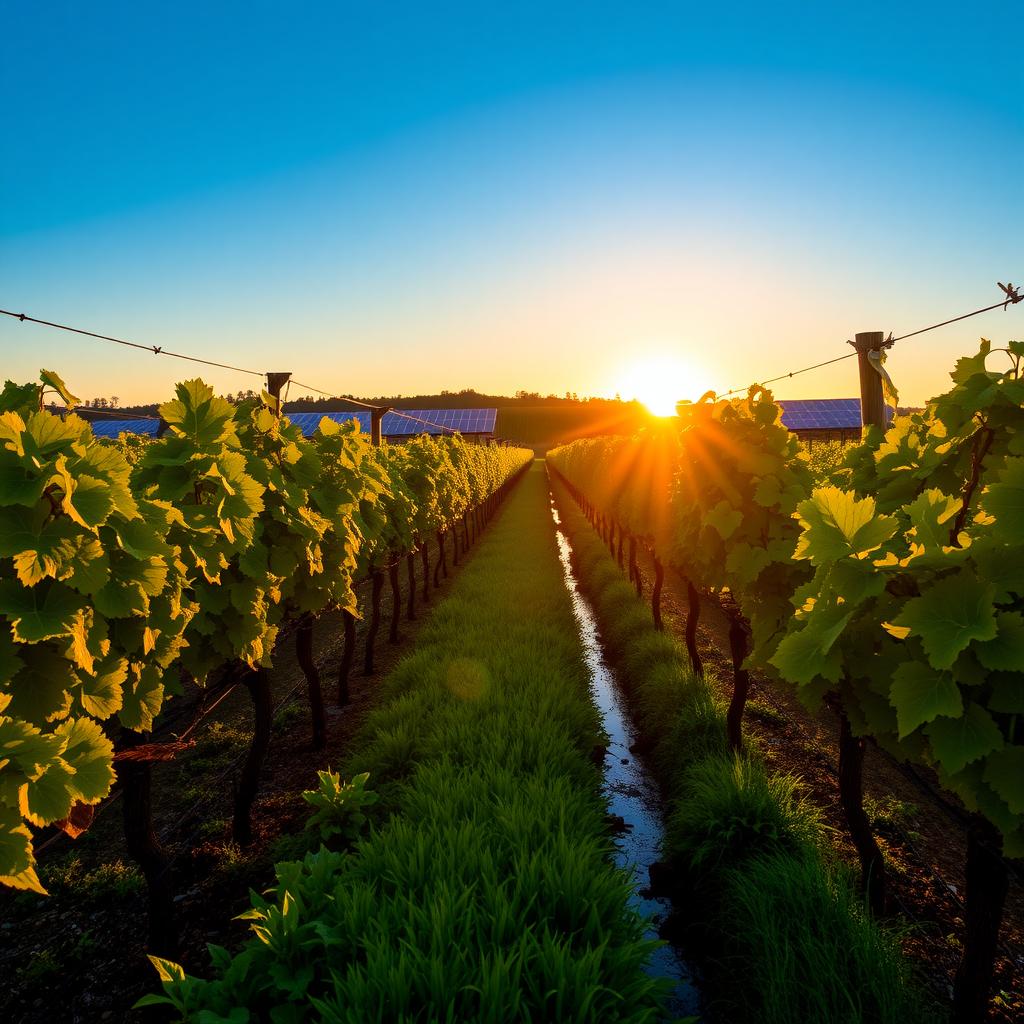
As someone who’s spent time visiting vineyards, I’ve seen firsthand how sustainable practices make a difference. Walking through a vineyard where cover crops bloom between rows, you can feel the life in the soil. It’s inspiring to know your glass of wine supports a healthier planet.
Understanding Sustainable Wine Practices
To choose eco-friendly wines, you need to know what makes a winery sustainable. Here are the key practices to look for:
- Organic Farming: Avoiding synthetic pesticides and fertilizers to promote soil health.
- Biodynamic Farming: A holistic approach that treats the vineyard as a living ecosystem, often using natural preparations and lunar cycles.
- Regenerative Agriculture: Enhancing soil health and sequestering carbon through practices like cover cropping and minimal tilling.
- Water Conservation: Using drip irrigation or rainwater harvesting to reduce water waste.
- Renewable Energy: Powering wineries with solar or wind energy to cut emissions.
- Lightweight Packaging: Using lighter bottles or alternative packaging like cans to reduce transport emissions.
Jackson Family Wines, a leader in sustainability, has embraced many of these practices. Their ‘Rooted for Good’ initiative, launched in 2021, aims to cut their carbon footprint in half by 2030 and become climate positive by 2050. They’ve already invested over $19 million in sustainability, saving $26 million through renewable energy and efficiency efforts Forbes article on Jackson Family Wines sustainability.
Spotlight on Jackson Family Wines
Jackson Family Wines, based in Sonoma County, is a family-owned company with over 40 wine brands, including Kendall-Jackson and La Crema. Their commitment to sustainability started in the mid-2000s, making them one of the first California wineries to pursue certifications for both vineyards and wineries. Their sustainable practices include:
| Practice | Description |
|---|---|
| Water Management | Rainwater capture, recycling, and employee-driven water-saving programs like Water Wise. |
| Regenerative Farming | Transitioning all estate vineyards to regenerative methods by 2030, with organic certification for Napa Valley vineyards. |
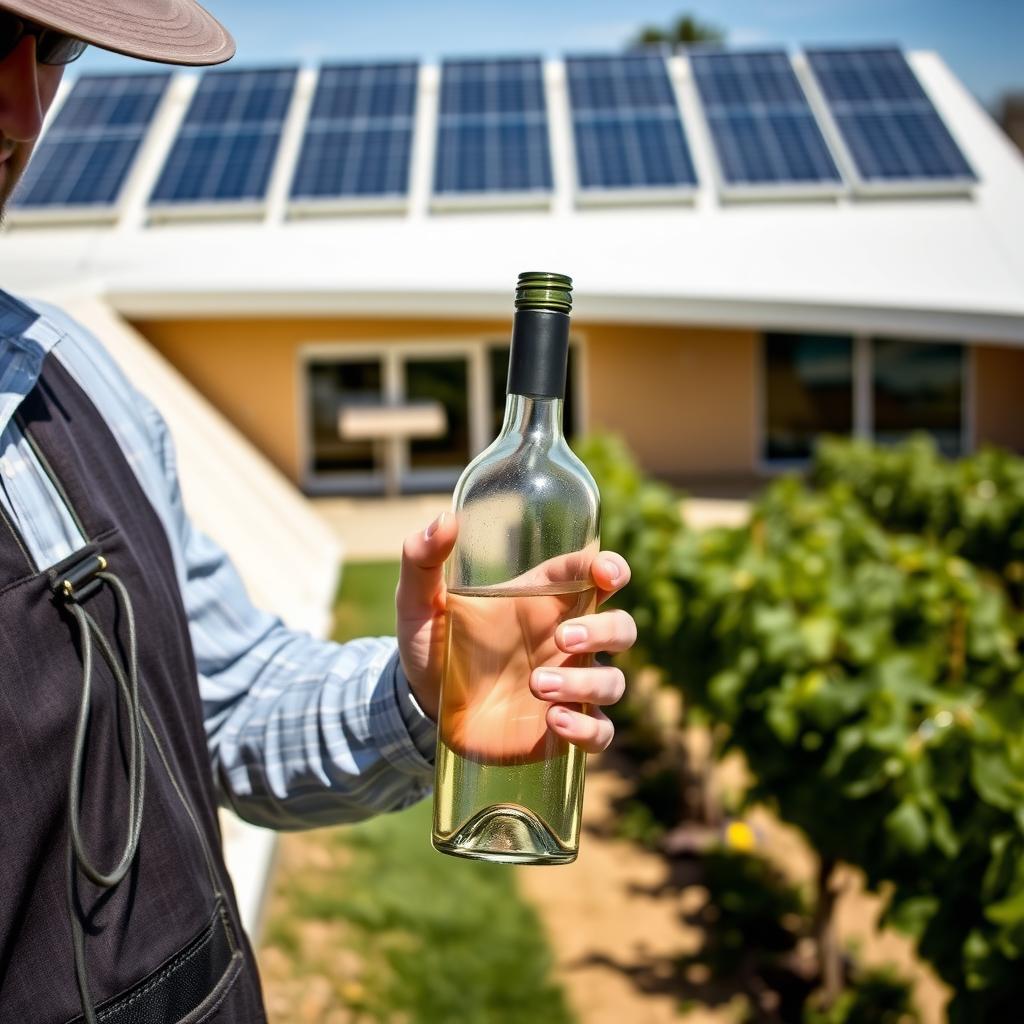
| Renewable Energy | Over 30% of operations powered by solar, with 23,000 solar panels installed across properties. |
| Carbon Reduction | Aiming to halve emissions by 2030 through electric vehicles and optimized logistics. |
I’ve always admired how Jackson Family Wines balances quality with responsibility. Their wines, like Kendall-Jackson’s Vintner’s Reserve Chardonnay, taste exceptional because of their focus on healthy soils and ecosystems. It’s proof that sustainability and great wine go hand in hand.
Certifications to Look For
When choosing eco-friendly wines, certifications can guide you. Here are the most common ones:
- Certified California Sustainable Winegrowing (CCSW): Ensures sustainable practices in vineyards and wineries, used by brands like Jackson Family Wines.
- USDA Organic: Guarantees no synthetic pesticides or fertilizers.
- Demeter Biodynamic: Certifies biodynamic farming, focusing on ecosystem health.
- SIP Certified: Focuses on sustainability in pest management, water use, and worker welfare.
Check wine labels or winery websites for these certifications. For example, Jackson Family Wines proudly displays the CCSW logo on their Kendall-Jackson bottles California Sustainable Winegrowing Alliance.
Tips for Choosing Eco-Friendly Wines
Here’s how to pick wines that align with your eco-conscious values:
- Research the Winery: Visit winery websites to learn about their sustainability efforts. Jackson Family Wines, for instance, shares detailed reports on their ‘Rooted for Good’ progress Jackson Family Wines Sustainability.
- Look for Certifications: Choose wines with clear sustainability or organic certifications.
- Buy Local: Local wines reduce transport emissions. If you’re in the U.S., brands like Jackson Family Wines or Bonterra are great choices.
- Choose Lightweight Packaging: Opt for wines in lighter bottles, cans, or Tetra Paks to cut emissions.
- Support Small and Ethical Brands: Smaller wineries often prioritize sustainability due to their close connection to the land.
I’ve found that chatting with local wine shop staff can uncover hidden gems. They often know which brands prioritize the environment and can recommend sustainable options.
The Role of Consumer Choice
Your wine purchases matter. Younger consumers, like Millennials and Gen Z, are driving demand for sustainable wines, with the global organic wine market expected to grow at 8.7% annually through 2027 The Wine Caverns on sustainable wine trends. By choosing eco-friendly wines, you encourage more wineries to adopt green practices. It’s a small but powerful way to support a healthier planet.

Challenges and Considerations
Not all eco-friendly wines are perfect. Some certifications can be costly, excluding smaller wineries with sustainable practices but no formal label. Also, terms like ‘natural’ or ‘green’ can be vague without certifications to back them up. Always dig deeper into a winery’s practices to ensure they align with your values.
I’ve learned to ask questions when buying wine. Once, at a tasting, I discovered a small winery using biodynamic methods but lacking certification due to costs. Their passion for the land convinced me to buy a bottle—and it was delicious.
Summary
Choosing eco-friendly wines is about more than taste—it’s about supporting wineries that care for the planet. By focusing on certifications, researching brands like Jackson Family Wines, and making informed choices, you can enjoy great wine while contributing to a sustainable future. Start small, ask questions, and sip responsibly.