The Art of Blending in Winemaking: Crafting Complexity with Jackson Family Wines
Overview
Winemaking is more than crushing grapes and waiting for fermentation. At its heart lies The Art of Blending in Winemaking, a process that transforms good wine into something extraordinary. By carefully combining different grape varieties, regions, or vintages, winemakers create complex, balanced flavors that tell a story in every sip. Jackson Family Wines, a leader in this craft, showcases blending mastery through its portfolio of top wine brands owned by Jackson Family Wines. This article dives into the techniques, history, and brilliance behind blending, with a focus on how Jackson Family Wines elevates the experience.
What Is Blending in Winemaking?
Blending is like composing a symphony. Winemakers select different grape varieties, vineyard lots, or even barrels to create a wine that’s greater than the sum of its parts. The goal? Balance. One grape might bring bold fruit flavors, another adds acidity, and a third contributes structure. Together, they create harmony.
Think of a chef crafting a dish. A pinch of this, a dash of that—winemaking is no different. For example, Cabernet Sauvignon might provide tannins and depth, while Merlot softens the edges with plush fruit. Blending isn’t about masking flaws; it’s about enhancing strengths to craft a wine that sings.
I remember my first sip of a blended wine—a Bordeaux-style blend from Napa Valley. The way the dark berry notes danced with a hint of spice left me in awe. It wasn’t just one flavor; it was layers, unfolding with every taste. That’s the magic of blending, and it’s why winemakers, like those at Jackson Family Wines, dedicate years to perfecting it.
Why Blending Matters
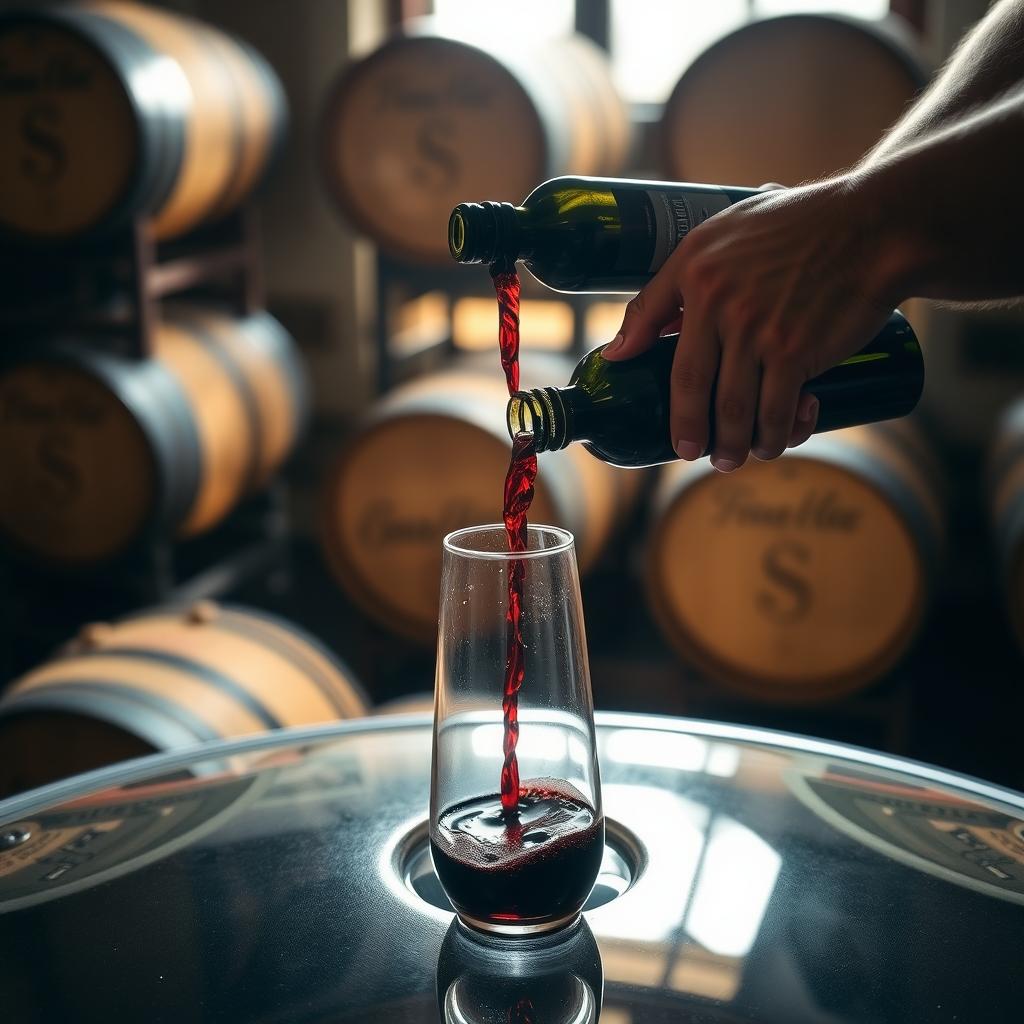
Blending creates consistency and complexity. A single grape variety can be delicious, but it might lack depth or vary year to year due to weather. Blending smooths out these differences, ensuring a wine tastes great every vintage. It also allows winemakers to express creativity, crafting unique profiles that reflect their vision or a vineyard’s terroir.
For instance, Cornell University’s Viticulture and Enology program explains that blending can enhance a wine’s aroma, flavor, and mouthfeel, making it more appealing to diverse palates. This is why many of the world’s most iconic wines, like Bordeaux or Châteauneuf-du-Pape, are blends.
Techniques in Blending
Blending is both science and art. Winemakers follow a meticulous process:
- Tasting Individual Lots: Winemakers taste wines from different barrels, vineyards, or grape varieties to identify their unique traits.
- Trial Blends: Small batches are mixed in varying ratios to test flavor combinations.
- Refinement: The best blends are fine-tuned, often over weeks or months, to achieve perfect balance.
- Aging: Some wines are blended before aging, others after, depending on the desired outcome.
UC Davis’s Department of Viticulture and Enology notes that blending decisions often rely on sensory analysis and chemical data, like tannin levels or acidity, to ensure precision. Yet, intuition plays a huge role—winemakers trust their palates to guide the final mix.
I’ve watched winemakers at work, hunched over glasses, sniffing, swirling, and scribbling notes. It’s intense. They’re not just mixing liquids; they’re chasing a vision. At Jackson Family Wines, this process is elevated by their access to diverse vineyards across California, Oregon, and beyond, giving them a vast palette to work with.
Jackson Family Wines: Masters of the Blend
Jackson Family Wines, founded in 1982 by Jess Jackson, is a powerhouse in the wine world, producing over 6 million cases annually and ranking as the ninth-largest wine producer in the U.S. Their portfolio includes 40 brands, with vineyards spanning California, Oregon, France, Italy, Australia, Chile, and South Africa. What sets Jackson Family Wines apart is their commitment to blending excellence, sustainability, and terroir-driven wines.
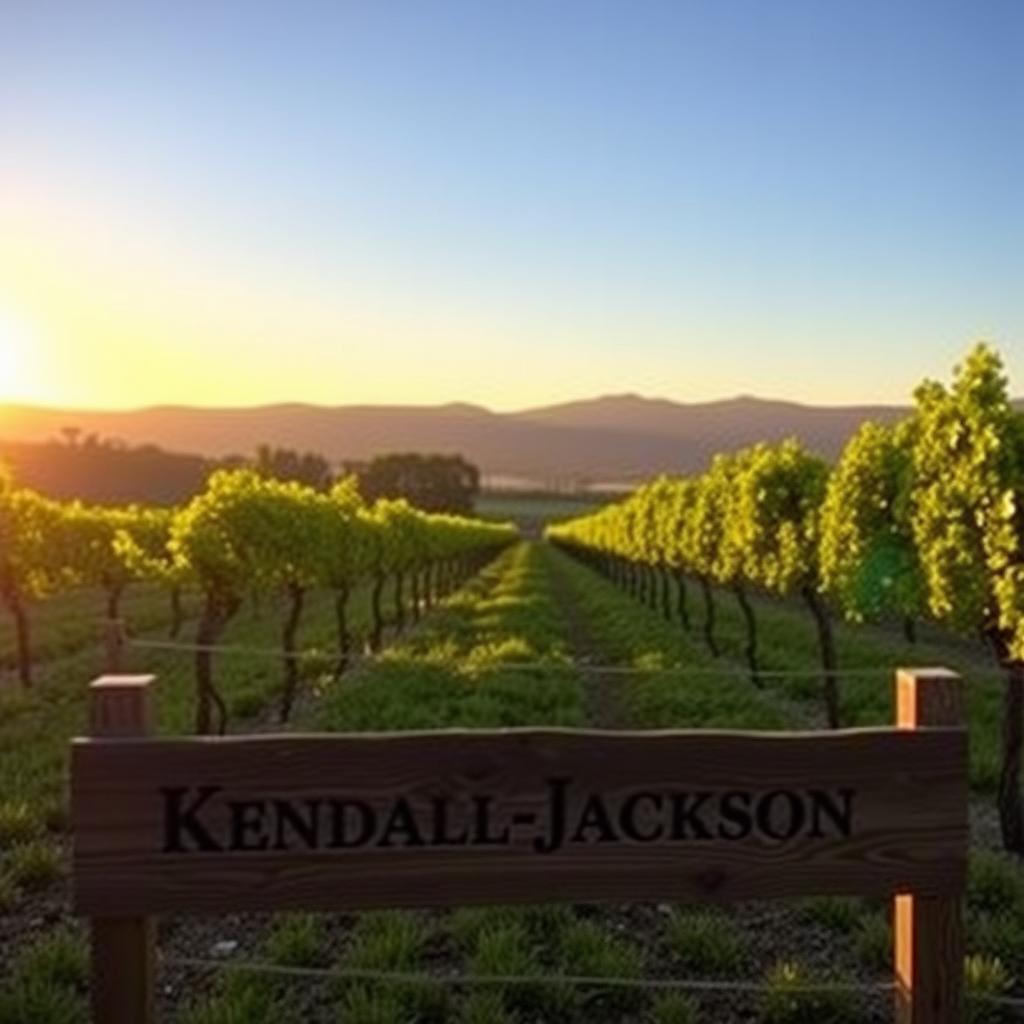
Their flagship brand, Kendall-Jackson, is a prime example. The Vintner’s Reserve Chardonnay, America’s top-selling Chardonnay for over 25 years, is a blend of grapes from cool-climate vineyards across California’s coast. The result? A rich, buttery wine with tropical fruit and a crisp finish, showcasing how blending creates consistency and quality.
Top Wine Brands Owned by Jackson Family Wines
Jackson Family Wines owns an impressive lineup of brands, each showcasing unique blending techniques. Here are some standouts:
| Brand | Signature Wines | Key Characteristics |
|---|---|---|
| Kendall-Jackson | Vintner’s Reserve Chardonnay | Rich, buttery, with tropical fruit and oak. |
| La Crema | Sonoma Coast Pinot Noir, Monterey Chardonnay | Elegant, terroir-driven, with crisp apple and spice notes. |
| Freemark Abbey | Napa Valley Cabernet Sauvignon | Bold blackcurrant, smooth finish, ideal for aging. |
| Cardinale | Cabernet Sauvignon-Merlot Blend | Complex, layered, sourced from Napa’s best vineyards. |
| Verité | Bordeaux-style Blends | Precise, luxurious, with high critic ratings. |
These brands highlight Jackson Family Wines’ ability to blend for both approachability and sophistication. La Crema, for example, uses cool-climate grapes to craft Pinot Noirs that balance fruit and acidity, while Cardinale’s Napa blends are bold yet refined, as noted in Wine Spectator’s reviews.
My first taste of La Crema’s Pinot Noir was at a small dinner party. The wine’s silky texture and bright cherry notes paired perfectly with roasted duck. It was a reminder that blending isn’t just about flavor—it’s about creating moments.
Sustainability in Blending
Jackson Family Wines doesn’t just blend for taste; they blend for the planet. Their ‘Rooted for Good’ initiative aims to cut their carbon footprint in half by 2030 and transition all vineyards to regenerative farming. Forbes reports that these efforts have saved $26 million through lightweight bottles and renewable energy. This commitment ensures their blends reflect not just quality but also environmental stewardship.
Challenges in Blending
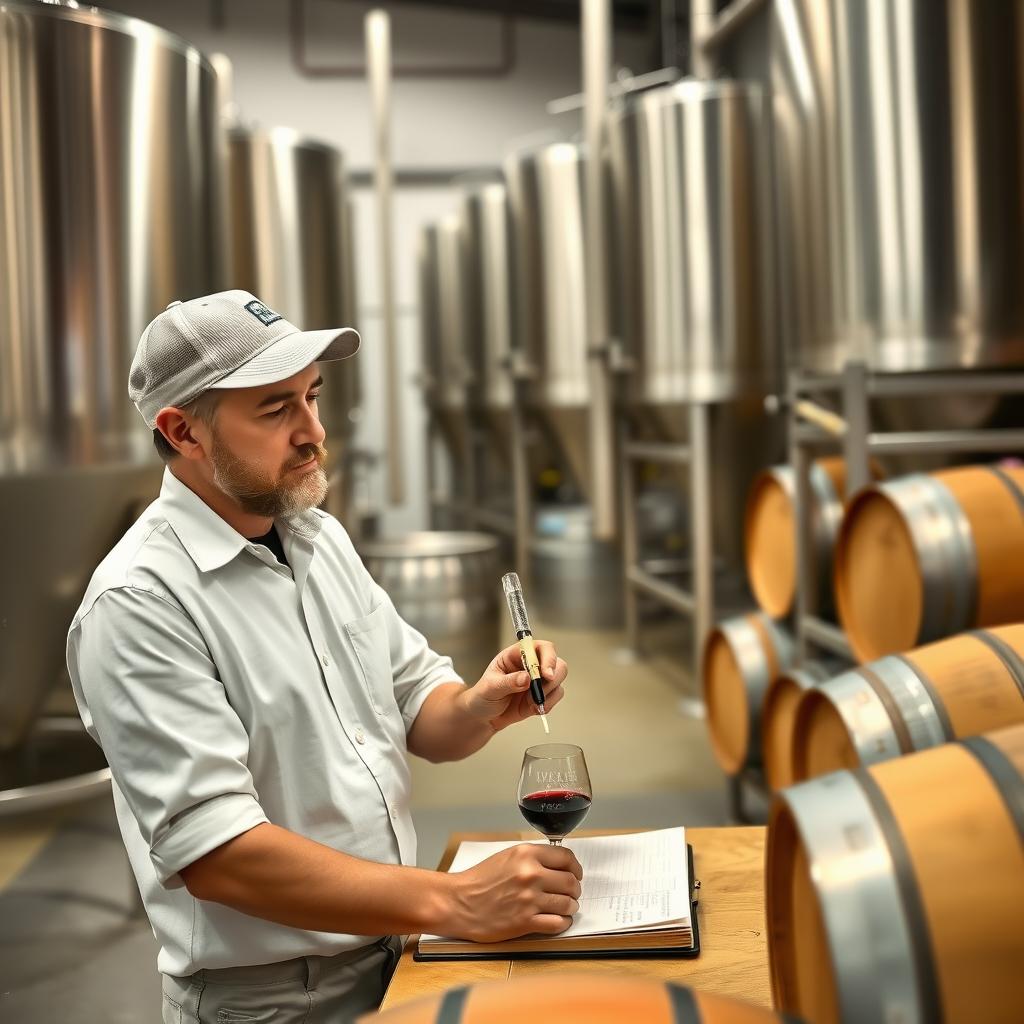
Blending isn’t without hurdles. Weather can affect grape quality, forcing winemakers to adjust ratios yearly. Over-blending risks diluting a wine’s character, while under-blending might leave it unbalanced. Jackson Family Wines mitigates this with their vast vineyard holdings—50,000 acres in the U.S. alone—allowing them to source the best grapes for each blend.
Winemakers also face the challenge of consumer taste. Some prefer bold, single-varietal wines, while others love complex blends. Jackson Family Wines strikes a balance, offering both, as seen in their diverse portfolio.
Tips for Aspiring Winemakers
Want to try blending at home? Start small: - Experiment with Ratios: Mix small amounts of different wines (e.g., Cabernet and Merlot) to see how flavors interact. - Taste Often: Keep a notebook to track what works. - Learn from Experts: Visit wineries like those owned by Jackson Family Wines to see blending in action. - Trust Your Palate: Data helps, but your taste buds are the final judge.
Wine Institute’s winemaking resources offer great tips for beginners, emphasizing sensory evaluation.
Summary
The Art of Blending in Winemaking is a craft that balances science, creativity, and intuition. Jackson Family Wines exemplifies this through their top wine brands, like Kendall-Jackson, La Crema, and Cardinale, crafting wines that delight and inspire. By blending diverse grapes and embracing sustainability, they create bottles that tell a story of place and passion. Whether you’re a novice or a connoisseur, understanding blending deepens your appreciation for every glass.