Wine Tasting Etiquette for Beginners: Your Guide to Sipping with Confidence
Overview
Wine tasting is an exciting way to explore new flavors and learn about wine. But for beginners, it can feel intimidating. Don’t worry! This guide on Wine Tasting Etiquette for Beginners will walk you through the dos and don’ts, helping you feel at ease. From holding your glass properly to appreciating aromas, we’ll cover it all with practical tips and personal insights.
Why Wine Tasting Etiquette Matters
Walking into a winery, like one of the renowned Beringer wine tours and experiences, can feel like stepping into a new world. The atmosphere is elegant, the people seem knowledgeable, and you might wonder if you’ll stand out as a newbie. Etiquette matters because it shows respect for the craft, the host, and fellow tasters. Plus, it helps you enjoy the experience without stress.
When I first attended a wine tasting, I was nervous about doing something 'wrong.' But I learned that a little preparation goes a long way. Knowing the basics lets you focus on the wine, not the rules.
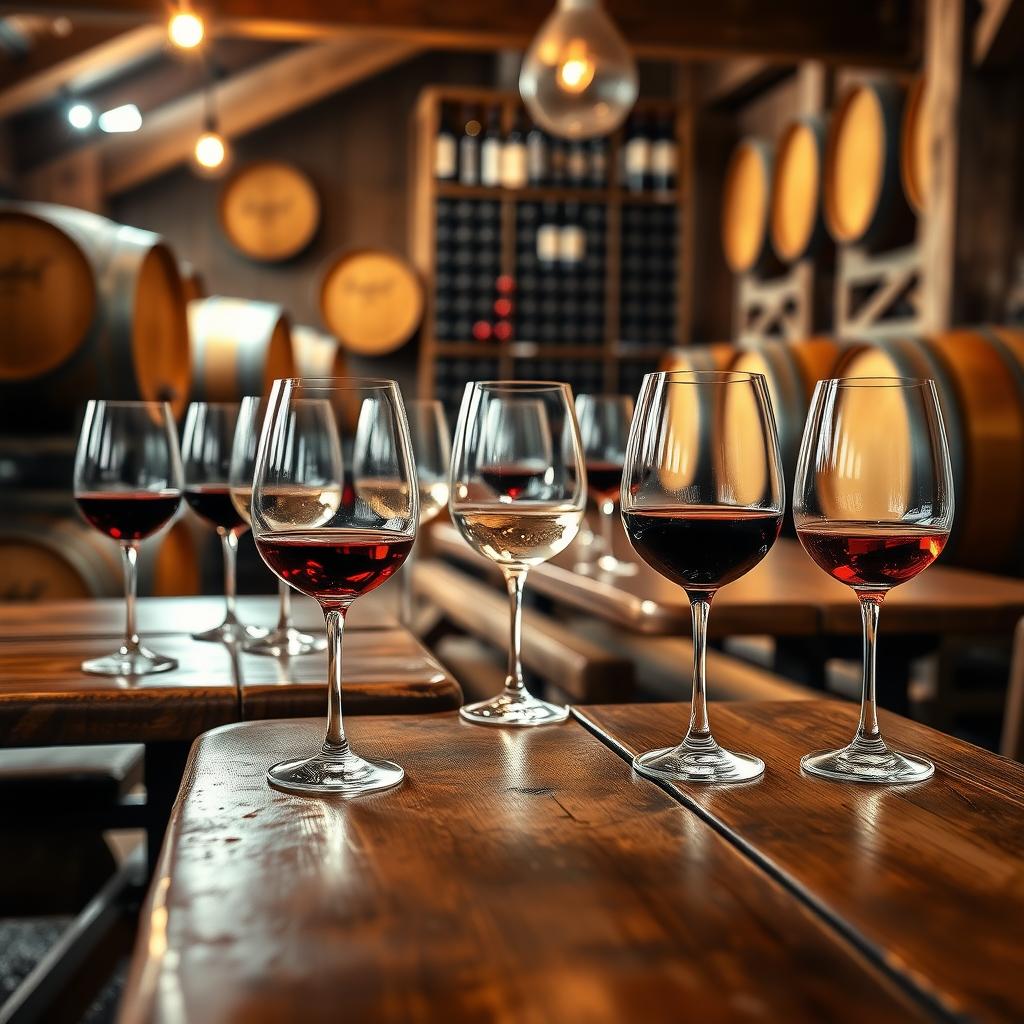
Before You Go: Preparing for a Wine Tasting
Preparation sets the stage for a great experience. Here’s how to get ready:
- Dress Appropriately: Wineries range from casual to upscale. For Beringer wine tours and experiences, smart casual works well—think collared shirts or nice sweaters. Avoid strong perfumes or colognes, as they can interfere with wine aromas.
- Eat Lightly: Have a small meal before tasting to avoid an empty stomach, which can amplify alcohol’s effects. Crackers or bread are often provided at tastings to cleanse your palate.
- Bring a Notebook: Jotting down notes about wines you like helps you remember flavors and brands, like Beringer or other popular wine brands.
Pro tip: Check the winery’s website for specific guidelines. For example, Beringer’s site (https://www.beringer.com) often details what to expect during their tours.
At the Tasting: The Basics of Etiquette
Once you’re at the tasting, follow these simple steps to blend in like a seasoned sipper:
1. Hold the Glass Correctly
Hold your wine glass by the stem, not the bowl. This keeps your hand from warming the wine and prevents smudges on the glass. It feels fancy at first, but it’s practical.
2. Look, Swirl, Sniff, Sip
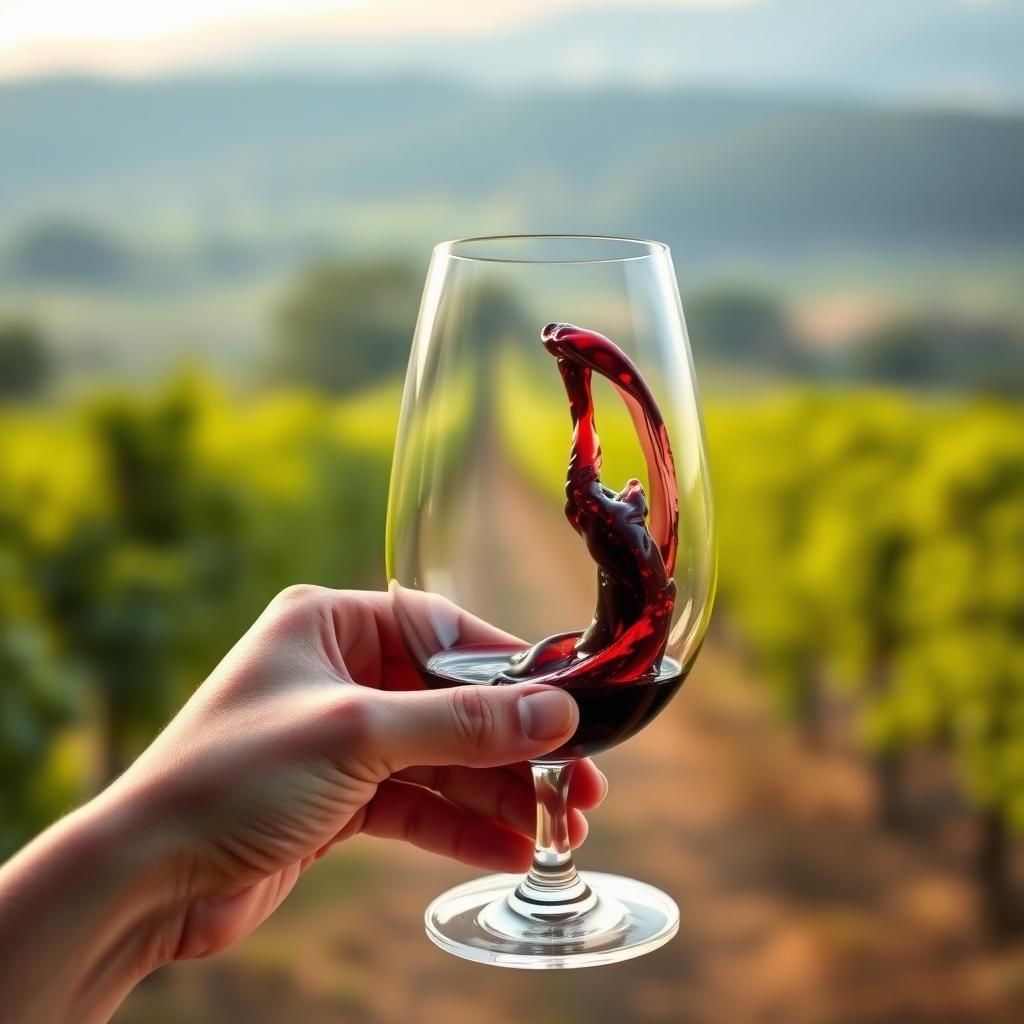
Tasting wine is a sensory journey. Here’s how to do it: - Look: Hold the glass up to light to check the wine’s color and clarity. - Swirl: Gently swirl the wine to release its aromas. - Sniff: Take a quick sniff, then a deeper one to catch the wine’s scents, like fruit or oak. - Sip: Take a small sip, letting the wine roll over your tongue before swallowing.
This process, part of Understanding Wine: A Beginner’s Guide to Tasting, helps you appreciate the wine’s complexity. Don’t rush—savor each step.
3. Use the Spit Bucket
Spitting is common at tastings, especially if you’re sampling many wines. It’s not rude—it’s practical. If you choose to swallow, sip sparingly to stay clear-headed.
4. Ask Questions
Winery staff love sharing their knowledge. Ask about the wine’s origin, grape variety, or pairing suggestions. At Beringer, the staff often share stories about their historic vineyards, making the experience richer.
5. Pace Yourself
Tastings often include 5-10 wines. Sip slowly to avoid feeling overwhelmed. If you’re at a busy event, step aside between pours to let others have their turn.
Common Mistakes to Avoid
Even seasoned tasters make mistakes, but here are some beginner pitfalls to dodge:
| Mistake | Why It’s a Problem | How to Avoid |
|---|---|---|
| Overdrinking | Impairs judgment and enjoyment | Sip sparingly or use the spit bucket |
| Strong Scents | Interferes with wine aromas | Skip perfume or scented lotions |
| Talking Loudly | Disrupts others’ experience | Keep conversations quiet and respectful |
My first tasting taught me the perfume lesson the hard way. I wore a scented lotion, and it dulled my ability to smell the wine’s notes. Now, I keep it scent-free.
Understanding Wine: A Beginner’s Guide to Tasting
Tasting isn’t just about drinking—it’s about discovering what you enjoy. Wines vary by grape, region, and style. For example, Beringer offers crisp Sauvignon Blancs and bold Cabernet Sauvignons, each with unique flavors. Here’s a quick guide to tasting terms:
- Body: How heavy or light the wine feels (light like Pinot Grigio, full like Merlot).
- Tannins: The dry, puckery feel in red wines, like in a Beringer Cabernet.
- Acidity: The zingy, crisp quality in whites, like Chardonnay.
- Finish: The taste that lingers after swallowing.
Try describing what you taste, even if it’s simple like 'berries' or 'buttery.' It makes the experience fun and memorable.
Making the Most of Winery Experiences
Visiting a winery like Beringer is more than just tasting—it’s about the experience. Beringer, one of the oldest Napa Valley wine brands, offers tours through their historic estate, complete with stunning gardens and barrel rooms. Book a tour in advance to secure your spot, especially during peak seasons.
When I visited a similar winery, I was amazed by how much I learned about the winemaking process. The guide explained how soil and climate shape flavors, which made each sip more meaningful. Take time to enjoy the setting—it’s part of the charm.
Buying Wine After a Tasting
If you love a wine, consider buying a bottle. Many wineries, including Beringer, offer discounts during tastings. Don’t feel pressured to buy, though—tastings are about discovery, not obligation. If you’re unsure, ask for recommendations based on your taste preferences.
I once bought a bottle of Beringer Chardonnay after a tasting because I loved its crisp apple notes. It’s now a go-to for dinners with friends.
Summary
Mastering Wine Tasting Etiquette for Beginners is about confidence and curiosity. By preparing ahead, following basic etiquette, and engaging with the experience, you’ll feel like a pro in no time. Whether you’re exploring Beringer wine tours and experiences or a local winery, these tips will help you savor every sip. Keep learning, ask questions, and enjoy the journey of Understanding Wine: A Beginner’s Guide to Tasting.