Innovations in Sustainable Agriculture: Transforming Farming for a Greener Future
Overview
The world’s population is growing, and so is the demand for food. By 2050, we’ll need to feed nearly 10 billion people while protecting our planet’s resources. Innovations in sustainable agriculture offer solutions to this challenge, blending technology and eco-friendly practices to produce food efficiently without harming the environment. From precision farming to regenerative techniques, these advancements are reshaping how we grow food and care for the Earth.
The Need for Sustainable Agriculture
Agriculture is a cornerstone of human survival, but traditional methods often strain the environment. Overuse of water, chemical fertilizers, and pesticides can degrade soil, pollute waterways, and increase greenhouse gas emissions. Sustainable agriculture addresses these issues by focusing on three key goals: environmental health, economic viability, and social equity. It’s about producing food in a way that preserves resources for future generations while ensuring farmers can thrive.
I’ve always been fascinated by how farmers balance productivity with environmental care. Growing up near a small vineyard, I saw firsthand the effort it takes to nurture the land while keeping a business afloat. Today, innovations are making that balance easier, allowing farmers to grow more with less impact. Let’s dive into some of the most exciting advancements driving this change.
Precision Agriculture: Farming Smarter
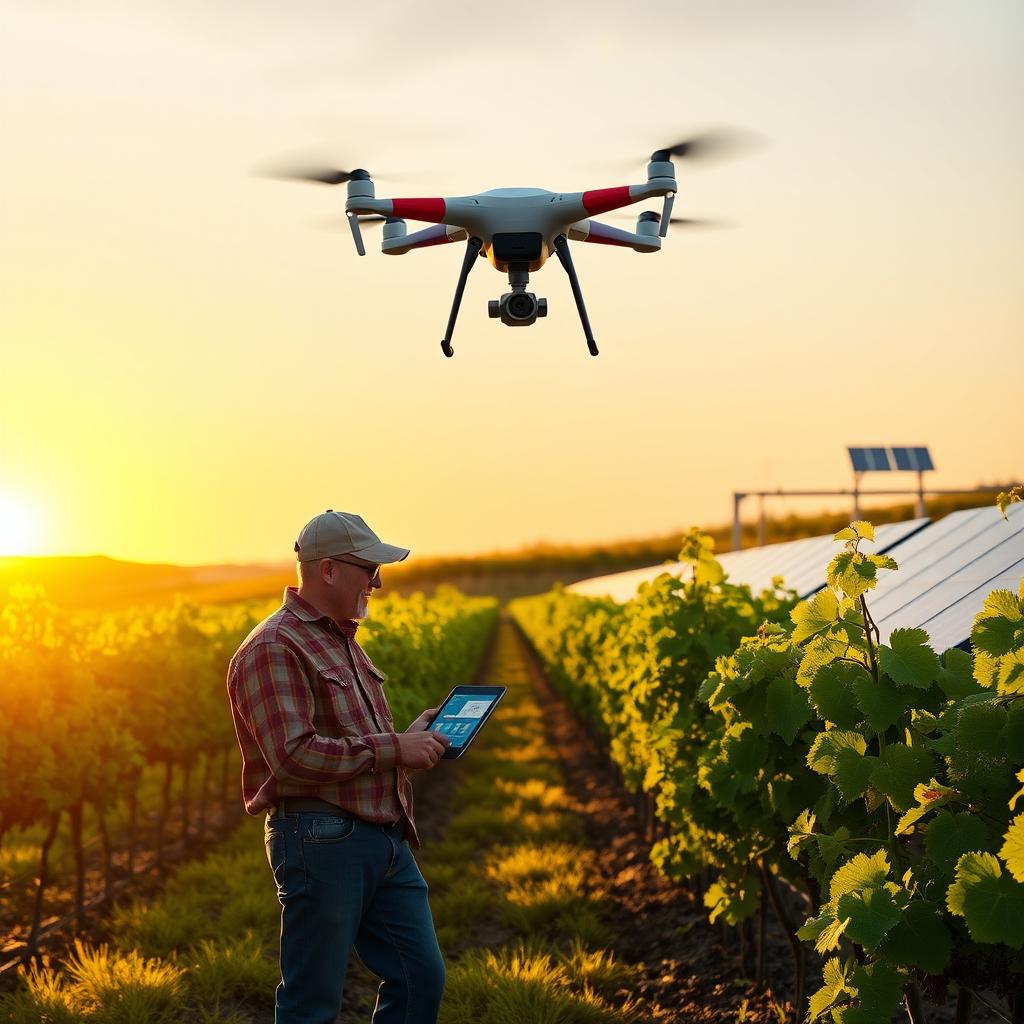
One of the most transformative innovations in sustainable agriculture is precision farming. This approach uses technology like GPS, sensors, drones, and data analytics to monitor and manage crops with pinpoint accuracy. Farmers can track soil moisture, nutrient levels, and pest activity in real time, applying water and fertilizers only where needed. This reduces waste, saves resources, and boosts yields.
For example, sensors placed in fields can detect when crops need water, cutting irrigation use by up to 50%. Drones equipped with cameras identify pest issues early, allowing farmers to target treatments instead of blanketing entire fields with pesticides. These tools not only protect the environment but also save farmers money.
I recently spoke with a farmer who uses precision agriculture to manage his orchard. He showed me how a single drone flight could reveal which trees needed attention, saving him hours of manual inspection. It’s amazing to see technology make farming more efficient while reducing environmental harm.
Regenerative Agriculture: Healing the Land
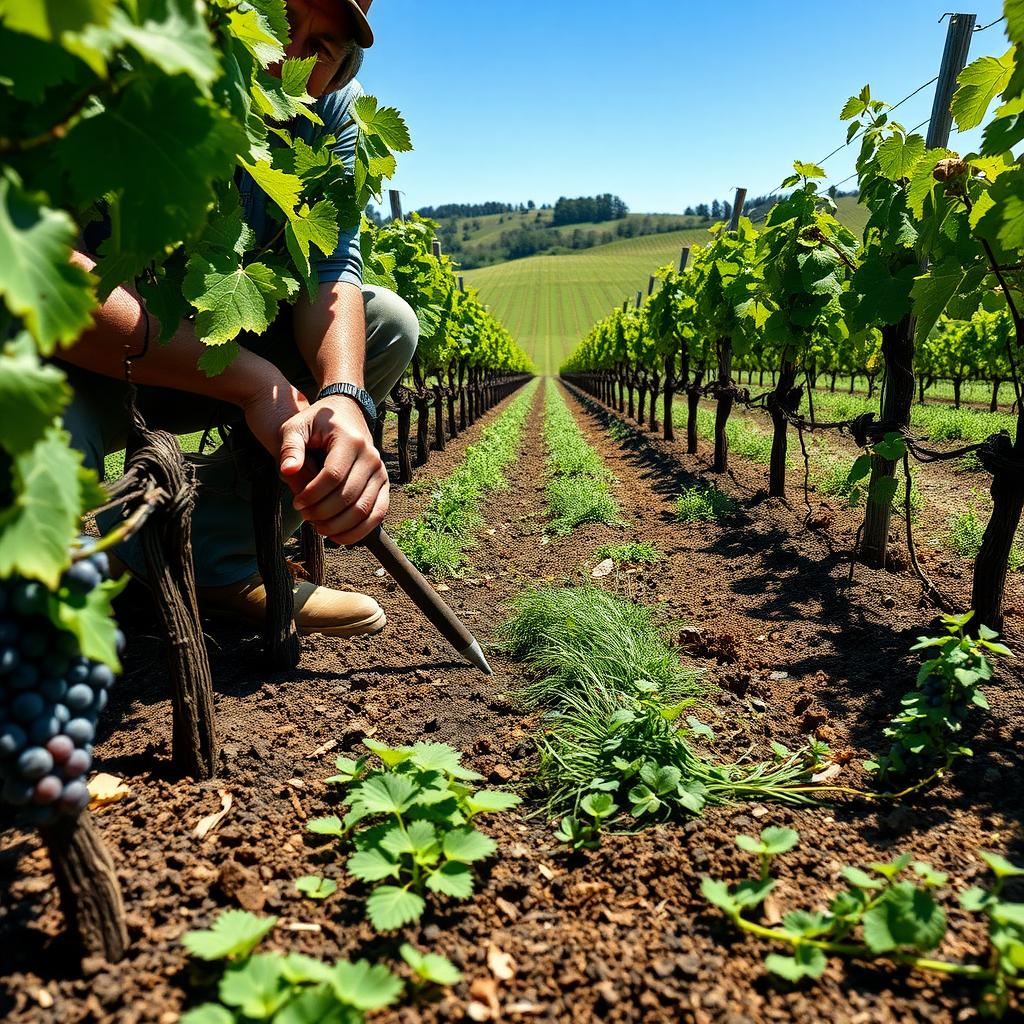
Regenerative agriculture takes sustainability a step further by actively improving the land. Practices like cover cropping, reduced tillage, and crop rotation build healthier soils, sequester carbon, and enhance biodiversity. These methods help farms become more resilient to climate change while reducing greenhouse gas emissions.
Cover crops, for instance, protect soil from erosion and add nutrients naturally, reducing the need for chemical fertilizers. Reduced tillage preserves soil structure, keeping carbon locked in the ground. These practices create a cycle of renewal, ensuring farms remain productive for years to come.
The Impact of Eco-Friendly Vineyards
Vineyards are a great example of sustainable agriculture in action. The impact of eco-friendly vineyards extends beyond the farm, influencing entire communities and ecosystems. By adopting sustainable practices, vineyards can reduce water use, protect local wildlife, and produce high-quality grapes with a smaller carbon footprint.
Take Jackson Family Wines: Inside Their Sustainability Journey. This California-based winery has embraced eco-friendly practices to lead the industry. They use solar power to run operations, implement water-saving irrigation systems, and practice regenerative farming to improve soil health. Their commitment shows how sustainability can align with profitability.
How Wine Brands Are Reducing Their Carbon Footprint
Wine production can be resource-intensive, but many brands are taking steps to lighten their environmental load. How wine brands are reducing their carbon footprint involves a mix of innovative technologies and traditional wisdom. Lightweight bottles, renewable energy, and organic farming are just a few ways wineries are going green.
Jackson Family Wines is a leader here. They’ve reduced energy use by installing solar panels and use precision irrigation to cut water waste. They also recycle grape pomace (the leftover skins and seeds) into compost, closing the loop on waste. These efforts not only lower emissions but also inspire other wineries to follow suit.
Visiting a sustainable winery last summer, I was struck by how every detail mattered. From solar-powered cellars to compost bins for grape waste, the operation felt like a living example of environmental care. It made me realize that small changes, when scaled, can have a big impact.
Digital Tools and Data Analytics
Digital platforms are revolutionizing sustainable agriculture. Farmers can now use apps to track weather patterns, predict crop yields, and manage resources efficiently. Data analytics helps identify trends, like which crops perform best in certain soils, allowing farmers to make informed decisions.
For smallholder farmers, mobile apps provide access to market prices and agricultural advice, bridging the digital divide. In places like Tanzania, mobile technology has empowered farmers to adopt sustainable practices, boosting productivity without harming the environment. These tools make farming smarter and more inclusive.
Agrivoltaics: Combining Food and Energy
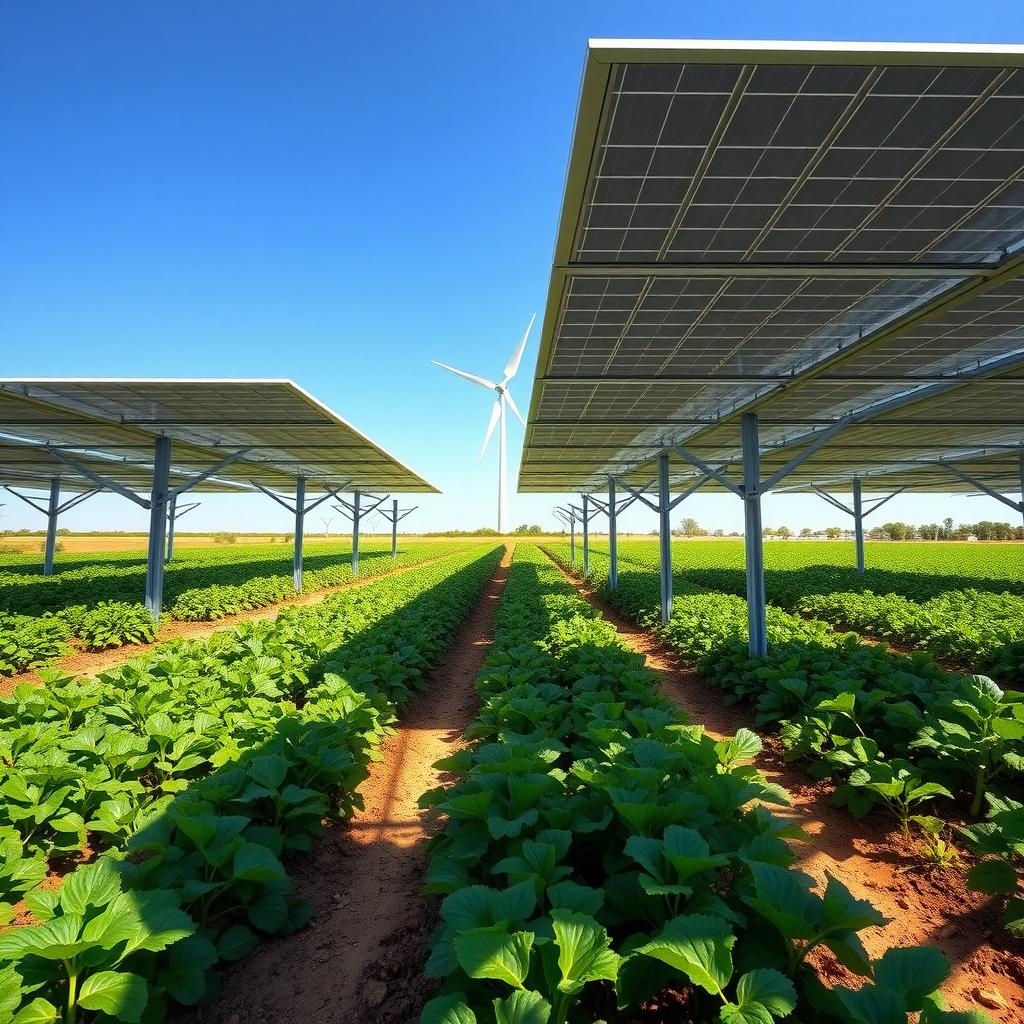
Agrivoltaics is an exciting innovation that combines agriculture with solar energy production. Solar panels are installed above crops, providing shade that reduces water evaporation while generating clean energy. This dual-use system can increase land productivity by up to 60%, making it a game-changer for sustainable farming.
I saw an agrivoltaics setup at a farm in Arizona, where solar panels shaded delicate crops while powering the farm’s operations. It was a brilliant example of how innovation can solve multiple problems at once—food production, water conservation, and renewable energy.
Challenges and Opportunities
While innovations in sustainable agriculture are promising, challenges remain. High costs for technology like drones or sensors can be a barrier for small farmers. Lack of training or access to digital tools can also slow adoption. Governments and organizations can help by offering subsidies, training programs, and infrastructure support.
On the flip side, these innovations open doors for farmers. Sustainable practices can lead to higher yields, lower costs, and new markets for eco-conscious consumers. As more brands like Jackson Family Wines show what’s possible, others are inspired to act.
Sustainable Practices at Jackson Family Wines
The sustainable practices at Jackson Family Wines are a model for others. They use lightweight bottles to reduce shipping emissions, practice organic farming to avoid synthetic pesticides, and invest in biodiversity by planting native species around their vineyards. These efforts not only protect the environment but also enhance the quality of their wines.
Their approach reminds me of a local farmer I met who switched to organic methods. He said it was tough at first, but the improved soil health and customer demand made it worth it. Jackson Family Wines’ story shows how sustainability can be a win-win.
Looking Ahead
The future of sustainable agriculture is bright, but it requires collaboration. Farmers, policymakers, and consumers must work together to scale these innovations. Supporting brands that prioritize sustainability, like Jackson Family Wines, sends a message that eco-friendly practices matter. By embracing these changes, we can ensure a healthier planet and a secure food supply for generations.
As someone who’s seen the impact of sustainable farming up close, I’m optimistic. The tools and knowledge are there—it’s up to us to use them wisely.
Summary
Innovations in sustainable agriculture are transforming how we grow food, from precision farming to regenerative practices and agrivoltaics. Vineyards like Jackson Family Wines show how eco-friendly methods can reduce carbon footprints while boosting productivity. By adopting these innovations, farmers can protect the environment and ensure food security for the future.