Understanding Soil Types in Winemaking: The Heart of Terroir
Overview: The Ground Beneath the Glass
Wine is more than just fermented grapes—it’s a story of the land. Understanding Soil Types in Winemaking - VinePair highlights how soil shapes a wine’s character, from its aroma to its finish. This article dives into the science and art of terroir, exploring how different soils influence grapevines and the wines they produce, with a nod to Jackson Family Wines and their global vineyards.
What Is Terroir, and Why Does Soil Matter?
Terroir is a French term that captures the essence of a wine’s origin. It’s the unique blend of soil, climate, topography, and human touch that gives each bottle its distinct personality. While climate often steals the spotlight, soil is the unsung hero. It’s the foundation that nourishes grapevines, regulates water, and imparts subtle flavors that make a Pinot Noir from Burgundy taste different from one grown in California.
Soil affects how vines grow, how grapes ripen, and ultimately, how a wine tastes. It’s not just about dirt—it’s about texture, drainage, mineral content, and even color. These factors work together to create the backbone of The Art of Terroir: How Soil and Climate Shape Wine. For example, a vine struggling in nutrient-poor soil might produce smaller, more concentrated grapes, leading to intense, complex wines.
The Main Soil Types in Winemaking
Vineyard soils vary widely, and each type brings something unique to the table. Here’s a breakdown of the most common soil types and how they influence wine:
-
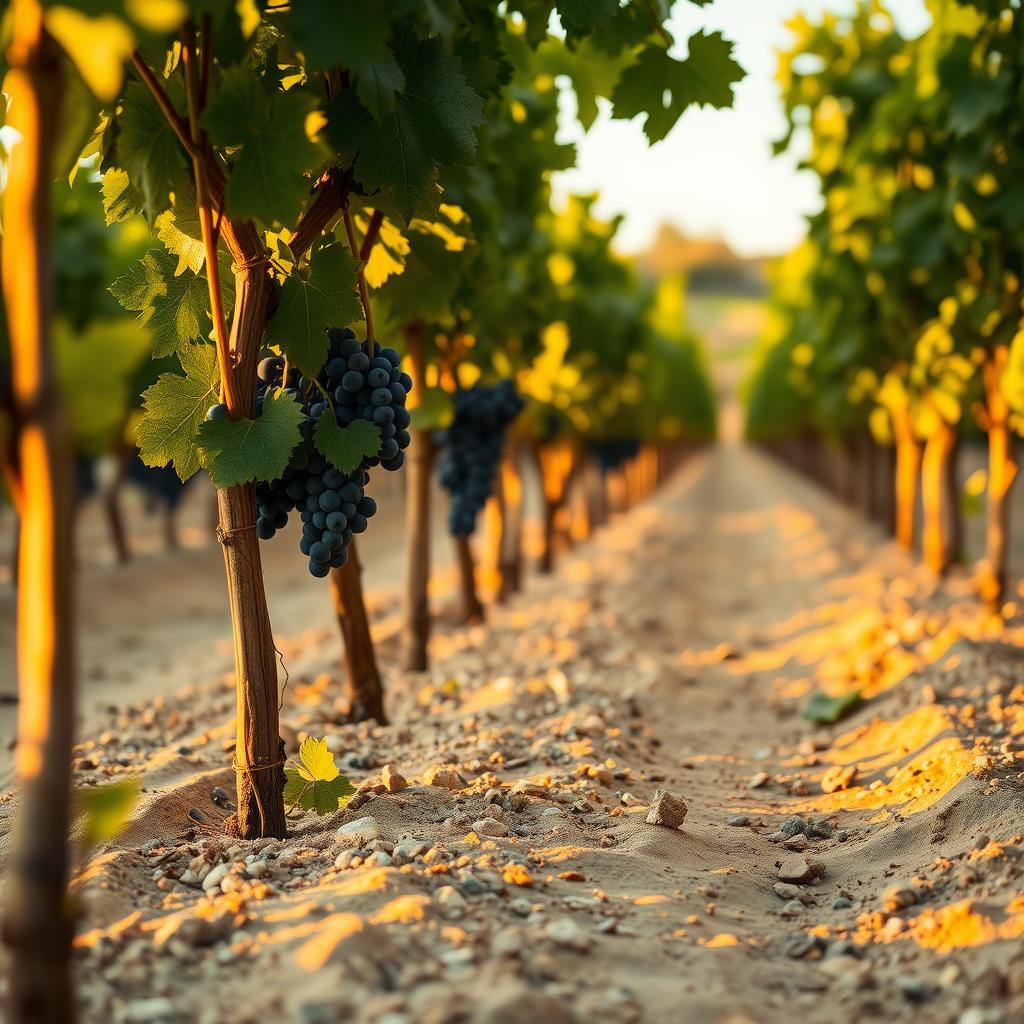
Sandy Soils: These loose, well-draining soils are like the beach of the vineyard world. They let water pass through quickly, which can stress vines in dry climates but works well in wetter regions. Sandy soils often produce lighter, more aromatic wines with delicate flavors. Think of the pale, crisp wines from Portugal’s Colares region.
-
Clay Soils: Dense and moisture-retentive, clay soils act like a sponge, holding water and nutrients. This can lead to vigorous vine growth and grapes with bold flavors and softer acidity. In regions like Rioja, Spain, clay-limestone soils create structured Tempranillo wines with aging potential.
-
Loam Soils: A balanced mix of sand, silt, and clay, loam is the Goldilocks of soils—not too heavy, not too light. It retains water and nutrients well but still drains effectively. However, loam can be too fertile, leading to over-vigorous vines that produce less flavorful grapes unless carefully managed. Many Napa Valley vineyards use loam soils to craft robust Cabernet Sauvignon.
-
Limestone and Chalk Soils: Known for high calcium carbonate content, these soils are prized for their drainage and heat retention. They often produce wines with high acidity and a distinct minerality, like the crisp Chardonnays of Chablis or the zesty whites of Champagne.
-
Volcanic Soils: Formed from cooled lava, volcanic soils like basalt are rich in iron and drain well. They can impart a unique ashy or rusty note to wines, as seen in Sicily’s Etna Rosso wines.
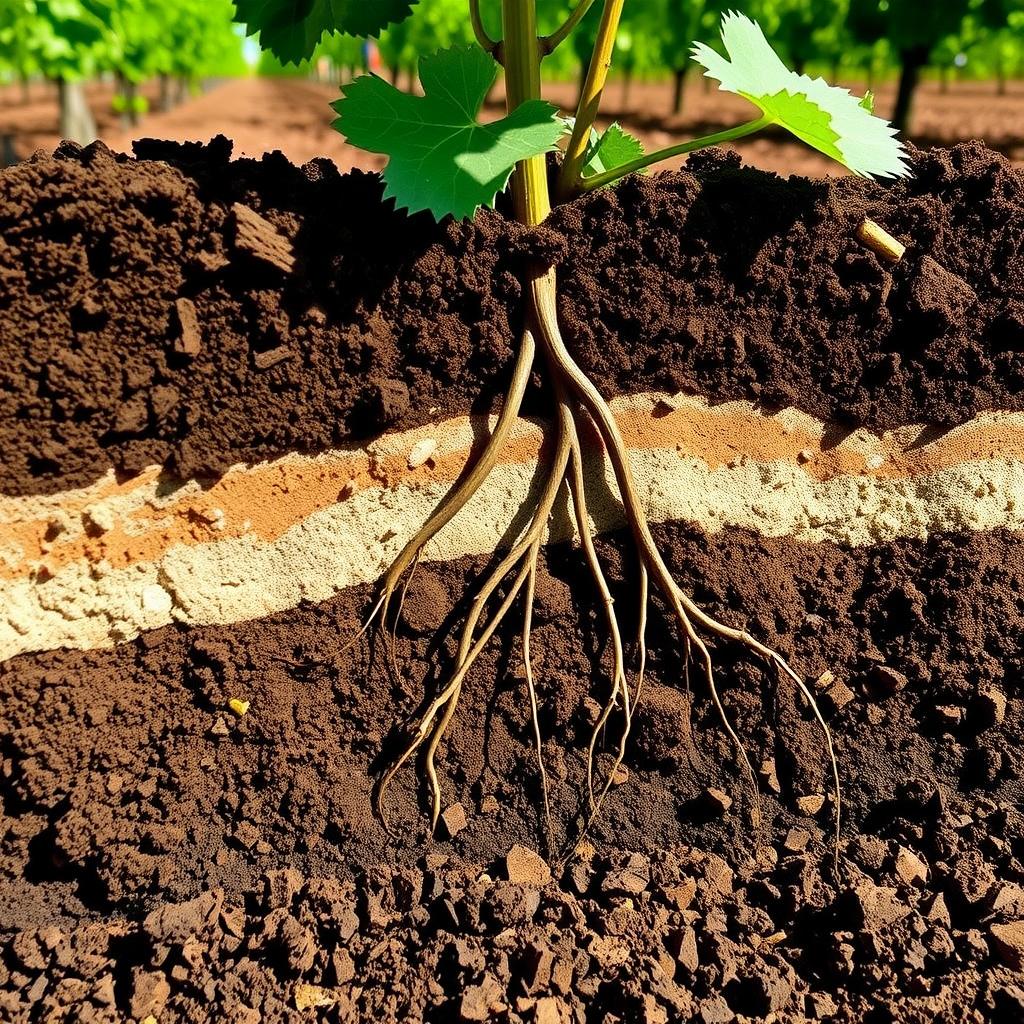
Each soil type interacts with the vine differently, affecting root depth, water availability, and nutrient uptake. This interplay is a key part of what makes terroir so fascinating.
How Soil Influences Wine Flavor
It’s tempting to think that soil directly flavors wine—like grapes soaking up minerals and passing them into your glass. But the reality is more complex. According to research from the University of California, Davis, soil influences wine indirectly through vine physiology, affecting how grapes grow and ripen. For instance, soils with good drainage, like gravel or limestone, force vines to work harder for water, resulting in smaller berries with concentrated flavors.
Take limestone soils, for example. They’re often linked to wines with a ‘mineral’ quality, like the flinty notes in Sauvignon Blanc from Sancerre. But this minerality isn’t from minerals being absorbed directly—it’s the result of how the soil regulates water and nutrients, shaping the grape’s chemical makeup. A study published in Frontiers in Microbiology found that soil microbiomes—tiny organisms living in the dirt—also play a role, influencing vine health and grape composition, adding another layer to terroir.
Jackson Family Wines: A Case Study in Terroir
Jackson Family Wines is a prime example of how soil diversity can elevate winemaking. With Jackson Family Wines vineyards locations spanning California, Oregon, France, Italy, Australia, Chile, and South Africa, the company harnesses a range of soil types to craft its portfolio of wine brands like Kendall-Jackson, La Crema, and Stonestreet. Their Napa Valley vineyards, for instance, sit on a mix of volcanic, alluvial, and clay-loam soils, each contributing to the bold, structured Cabernet Sauvignons the region is known for.
In Sonoma County, Jackson Family Wines works with sandy loam soils in the Russian River Valley to produce elegant Pinot Noirs and Chardonnays. These soils drain well but retain enough moisture to support the vines, creating wines with bright acidity and delicate fruit notes. Their commitment to sustainability, including regenerative farming practices, ensures that these soils remain healthy, preserving the terroir for future vintages.
The Role of Soil Management in Winemaking
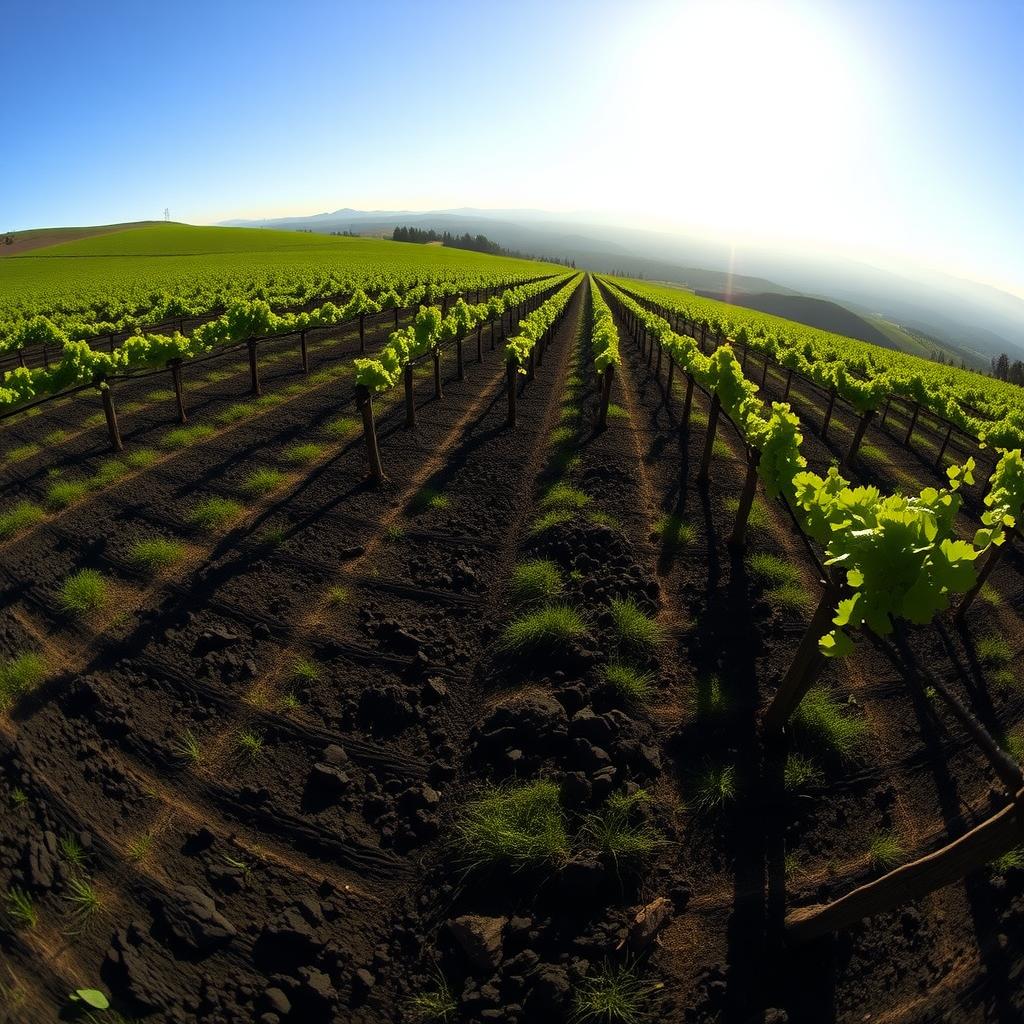
Winemakers don’t just rely on what nature provides—they actively manage soils to enhance terroir. Soil sampling, as highlighted by Benchmark Labs, allows vintners to monitor nutrient levels, pH, and moisture, tailoring their practices to the vineyard’s needs. For example, in nutrient-rich loam soils, winemakers might prune vines aggressively to limit vigor and boost grape quality.
Organic and biodynamic farming methods are gaining traction as ways to enhance terroir. These practices promote soil health by fostering microbial activity and biodiversity, which can lead to more expressive wines. A report from the International Organization of Vine and Wine (OIV) emphasizes that healthy soils support balanced vine growth, which is critical for high-quality grapes.
Climate and Soil: An Inseparable Duo
While soil is crucial, it doesn’t work alone. The Art of Terroir: How Soil and Climate Shape Wine reminds us that climate plays an equally vital role. In cooler climates, like Germany’s Mosel Valley, slate soils retain heat to help grapes ripen, producing vibrant Rieslings. In warmer regions like Paso Robles, well-draining sandy soils prevent overripe grapes, preserving acidity in bold reds.
Climate change is adding new challenges. Rising temperatures can disrupt the balance between soil and vine, leading to faster ripening and lower acidity. Winemakers are adapting by planting in cooler areas or using drought-resistant rootstocks, as noted in a study from Oregon State University. These adaptations ensure that terroir remains a dynamic, evolving concept.
Challenges and Myths About Soil and Terroir
One common myth is that soil directly imparts specific flavors to wine, like chalkiness or earthiness. As professor Alex Maltman explains in Decanter, there’s little scientific evidence to support this. Instead, soil affects vine growth and grape composition, which indirectly shapes flavor. Another challenge is overgeneralizing soil’s impact. While limestone soils are prized in Burgundy, great wines are made on a variety of soils worldwide, from gravel in Bordeaux to schist in the Douro Valley.
Understanding these nuances helps winemakers and wine lovers appreciate terroir without falling for oversimplified narratives. It’s about the whole picture—soil, climate, and human skill working together.
Summary: The Soul of the Soil
Soil is the silent partner in winemaking, shaping the vines and the wines they produce. From sandy soils crafting delicate aromas to limestone adding crisp minerality, each type plays a unique role in Understanding Soil Types in Winemaking - VinePair. Jackson Family Wines shows how diverse soils across their global vineyards create distinctive wine brands. By pairing soil knowledge with sustainable practices, winemakers can unlock the full potential of terroir, delivering wines that tell the story of the land.