Sustainable Winemaking: Inside Jackson Family Wines' Organic Practices
A Commitment to the Land and Wine
Sustainable winemaking isn’t just a trend—it’s a way of life at Jackson Family Wines. Based in Sonoma County, this family-owned winery has set a high bar for eco-friendly practices in the wine industry. Their approach blends tradition with innovation, proving that caring for the planet can also mean crafting better wines. In this article, we’ll dive into how Jackson Family Wines’ organic practices shape their award-winning wines and lead the way in sustainable viticulture.
Why Sustainable Winemaking Matters
Winemaking can take a toll on the environment—water use, energy consumption, and chemical fertilizers all add up. But Jackson Family Wines sees things differently. They believe that sustainable practices in modern viticulture not only protect the earth but also enhance wine quality. Healthier soils and vines lead to grapes with richer flavors. Their philosophy is simple: take care of the land, and it will take care of you.
Walking through their vineyards, you feel the difference. The air is fresh, the soil is alive with cover crops, and there’s a sense of balance. It’s not just about growing grapes; it’s about building an ecosystem that thrives for generations. This mindset drives their ‘Rooted for Good’ initiative, a bold plan to cut their carbon footprint in half by 2030 and become climate positive by 2050.
Organic Farming: The Heart of Better Wines
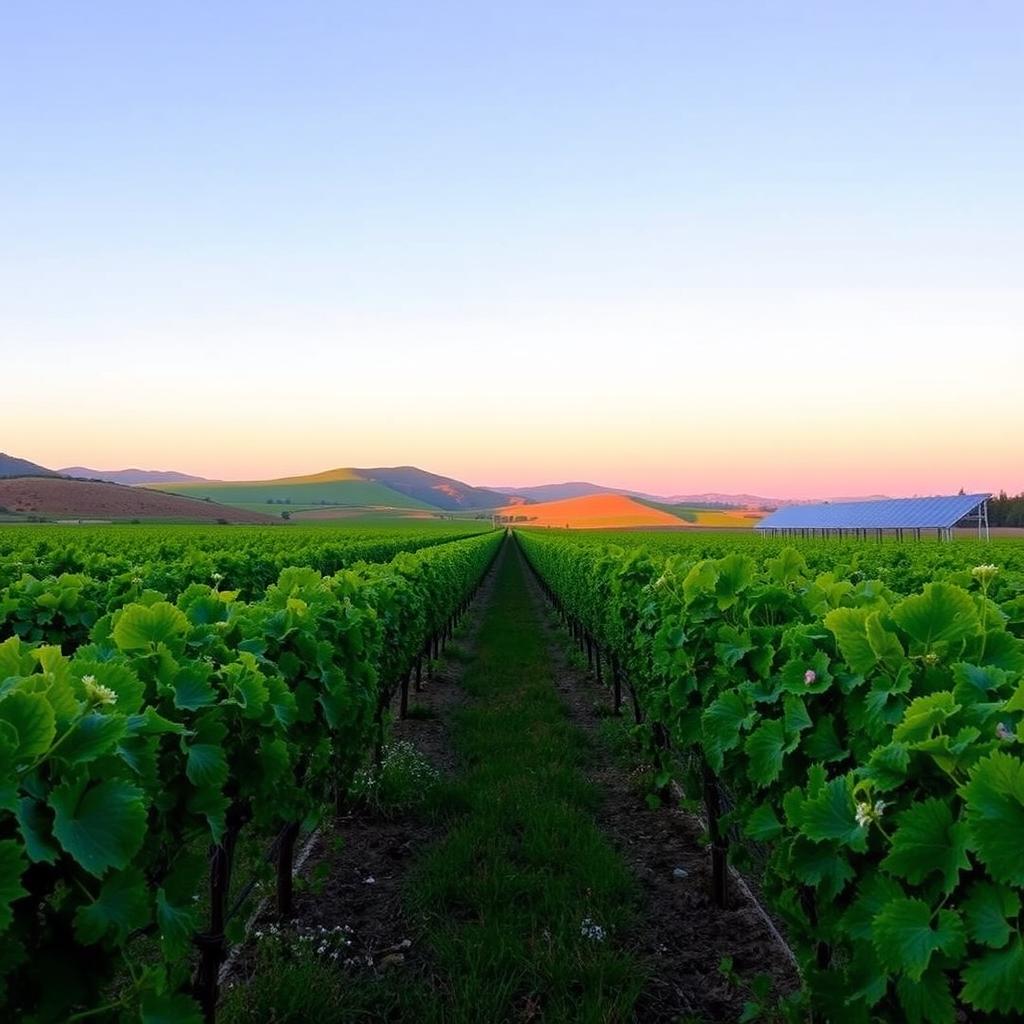
How organic farming shapes better wines is no mystery at Jackson Family Wines. They’ve embraced regenerative agriculture, a step beyond organic certification. This means no synthetic pesticides, minimal tillage, and a focus on soil health. Cover crops like clover and mustard are planted between vines to prevent erosion, boost biodiversity, and enrich the soil naturally.
These practices aren’t just good for the planet—they make a difference in the glass. Smaller berries from water-efficient irrigation lead to more intense flavors. During a visit to their Kendall-Jackson vineyard, I tasted their Chardonnay, and the complexity was striking. The wine had crisp apple notes with a hint of minerality, a testament to healthy, organic vines.
| Organic Practice | Benefit to Wine |
|---|---|
| Cover Crops | Enhances soil health, leading to richer grape flavors |
| No Synthetic Pesticides | Cleaner, more natural taste profiles |
| Minimal Tillage | Preserves soil structure, improving vine resilience |
Water Conservation: Every Drop Counts
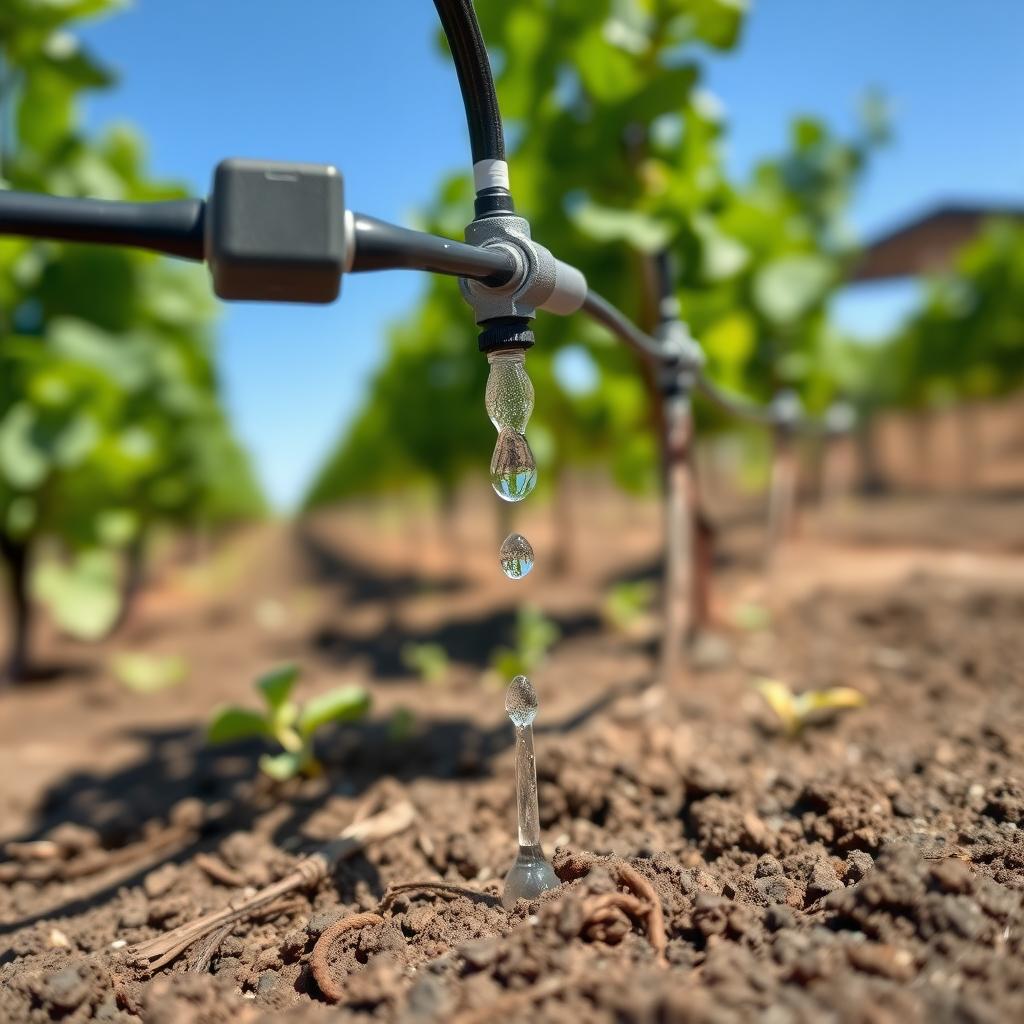
Water is precious in winemaking, especially in drought-prone California. Jackson Family Wines has mastered smart water use. Their vineyards use drip irrigation to deliver water directly to vine roots, reducing waste. Soil moisture sensors ensure they only water when needed. They’ve also set up systems to recycle water in their wineries, saving millions of gallons annually.
I saw this in action at their La Crema winery. A winemaker showed me a sensor buried in the soil, explaining, “It’s like a thirst meter for the vines.” This tech-driven approach has helped them save 28 million gallons of water a year—enough to fill 44 Olympic-sized pools. It’s a clear example of green winemaking: how Jackson Family Wines leads the way.
Renewable Energy and Carbon Goals
Energy use is another focus. Jackson Family Wines powers over 30% of its operations with solar energy, thanks to 23,000 solar panels across their properties. They’re also exploring wind turbines and floating solar arrays to hit 50% renewable energy by 2025. Since 2015, they’ve cut greenhouse gas emissions by 17.5%, a big step toward their 2030 goal.
Their commitment goes beyond their own vineyards. In 2019, they co-founded the International Wineries for Climate Action (IWCA) with Spain’s Familia Torres. This group pushes the global wine industry to reduce emissions. As Katie Jackson, Vice President of Sustainability, says, “We can’t solve the climate crisis alone, but together, we can make a difference.”
Social Responsibility: People and Community
Sustainability isn’t just about the environment—it’s about people too. Jackson Family Wines invests in its 2,500 employees and local communities. They’ve created the IDEA Alliance to promote diversity, equity, and inclusion, with 61% of their winemakers being women—a rare stat in the industry. Employees also volunteer over 6,000 hours a year, supporting local nonprofits.
This focus on community makes their wines feel personal. When you sip a glass of La Crema Pinot Noir, you’re tasting the care of a team that values its people as much as its land. It’s a reminder that sustainable winemaking is about connection—to the earth, to each other, and to the future.
A Deeper Dive into Sonoma County Wines
Sonoma County’s diverse climate and soils make it a perfect home for Jackson Family Wines’ sustainable practices. From the cool coastal breezes of the Russian River Valley to the warm hills of Alexander Valley, their vineyards produce a range of varietals, from Chardonnay to Pinot Noir. Each bottle reflects the region’s unique terroir, enhanced by organic methods.
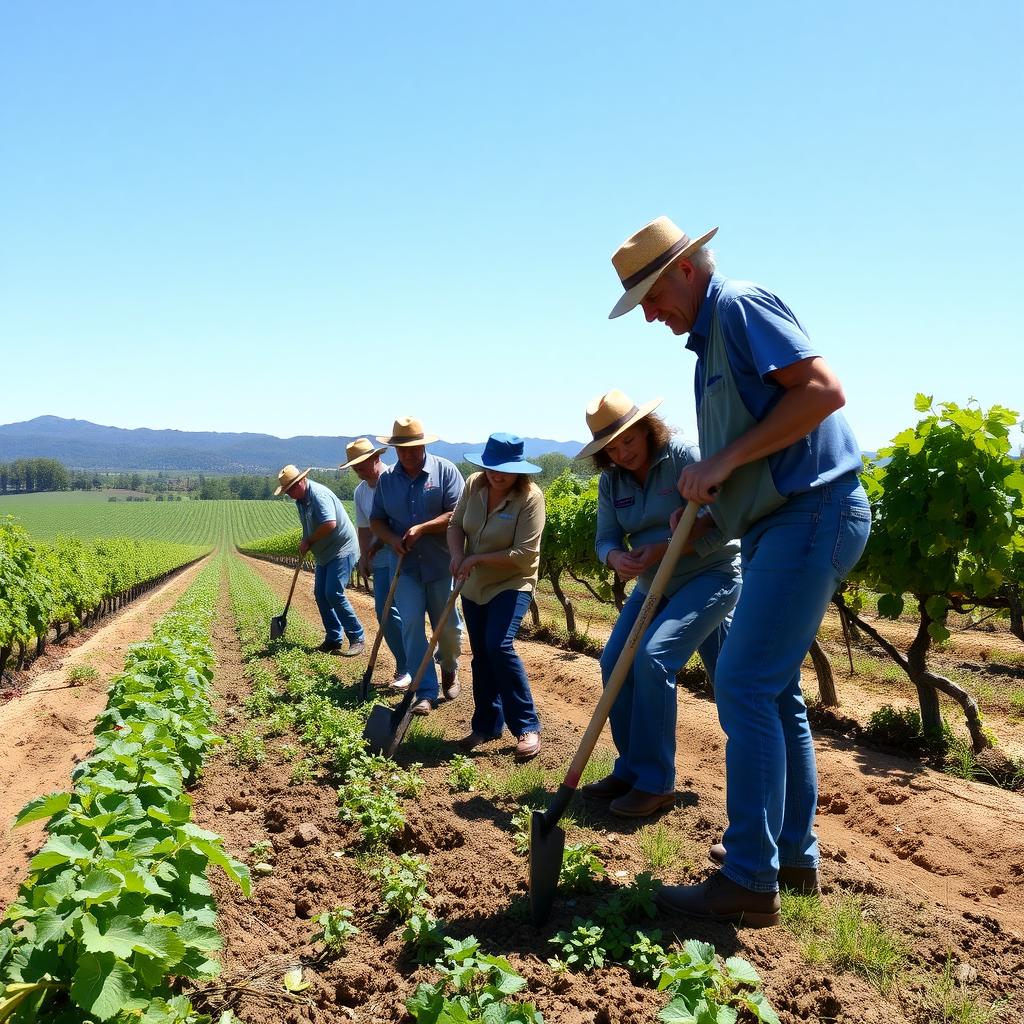
Visiting their vineyards is an experience. At Stonestreet Winery, I walked through rows of vines, guided by a winemaker who pointed out native plants boosting biodiversity. The wines here, like their Cabernet Sauvignon, have a depth that comes from healthy, balanced ecosystems. It’s a deeper dive into Sonoma County wines that leaves you inspired.
Challenges and the Road Ahead
Sustainable winemaking isn’t without challenges. Transitioning to regenerative farming takes time and investment. Climate change brings unpredictable weather, from droughts to wildfires, which can damage grapes. Yet Jackson Family Wines tackles these head-on, using drones to monitor vine health and planting drought-resistant vines to adapt to changing conditions.
Their efforts have already saved $26 million through sustainability initiatives, proving that green practices can be profitable. But for them, it’s not just about money—it’s about leaving the land better than they found it. As Katie Jackson puts it, “Sustainability is personal. It’s about ensuring our children inherit a healthy planet.”
Conclusion: A Model for the Future
Jackson Family Wines shows that sustainable winemaking is more than a buzzword—it’s a commitment to quality, community, and the environment. From organic farming to water conservation and renewable energy, their practices set a standard for the industry. Next time you enjoy a glass of Kendall-Jackson or La Crema, know that you’re supporting a vision for a greener future.