Innovations in Vineyard Management: Shaping the Future of Winemaking
Overview
Vineyards are evolving. New tools, sustainable practices, and a deeper understanding of ecosystems are changing how we grow grapes. Innovations in Vineyard Management are helping winemakers tackle challenges like climate change, labor shortages, and environmental concerns while producing high-quality wines. This article explores these advancements, offering insights into a greener, smarter future for viticulture.
The Push for Smarter Vineyard Management
Vineyard management has come a long way from the days of manual pruning and guesswork. Today, winemakers face rising costs, unpredictable weather, and a growing demand for sustainable practices. These pressures have sparked a wave of innovations that make vineyards more efficient, eco-friendly, and resilient. From ancient techniques refined by monks to cutting-edge technology, the goal remains the same: grow great grapes for exceptional wine.
One major driver of change is How Climate Change is Impacting Vineyards Worldwide. Rising temperatures, drought, and extreme weather events are disrupting grape-growing regions. For example, a 2020 study found that warming trends could reduce suitable vineyard land by up to 50% in some areas by 2050. Winemakers are responding with creative solutions, blending tradition with technology to protect their crops.
Technology Takes Root
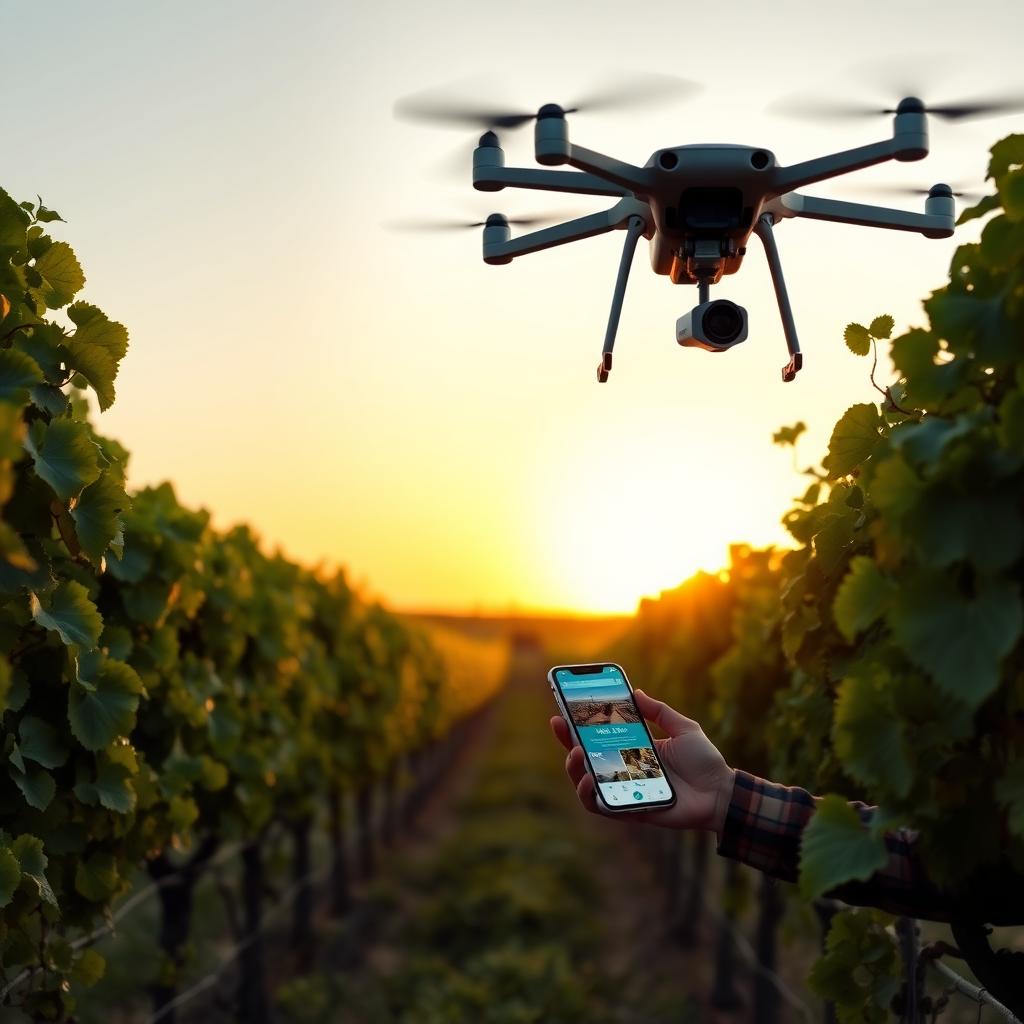
Technology is revolutionizing vineyard management. Drones, sensors, and artificial intelligence (AI) are giving growers real-time insights into their vines. For instance, remote sensing can map vineyard variability, identifying areas with different soil types or water needs. This data helps growers apply water, fertilizers, or pesticides only where needed, reducing waste and environmental impact.
In Romania’s Murfatlar vineyard, IoT sensors paired with machine learning detect grapevine diseases like downy mildew in real time. These systems alert growers via smartphones, allowing quick action to save crops. Such precision agriculture tools are game-changers, cutting costs and boosting yields. A 2021 study from the University of California, Davis, showed that precision irrigation can save up to 20% of water compared to traditional methods. Learn more about precision agriculture in viticulture.
Growing Green: Sustainable Practices in Modern Vineyards
Sustainability is no longer a buzzword—it’s a necessity. Growing Green: Sustainable Practices in Modern Vineyards focuses on methods that protect the environment while maintaining grape quality. Cover crops, like clover or legumes, are a prime example. These plants grow between vine rows, fixing nitrogen in the soil, reducing erosion, and boosting biodiversity. A 2016 study in Spain showed that cover crops cut soil erosion by 30% in hilly vineyards.
Compost is another powerful tool. Adding organic matter improves soil health, supports microbial life, and stores carbon. In California’s Napa Valley, wineries like Fetzer Vineyards have adopted organic viticulture, increasing carbon storage by 6.5 Mg per hectare in vines. These practices not only help the planet but also enhance wine quality by creating a balanced ecosystem. Explore sustainable viticulture research.
The Role of Biodiversity in Sustainable Vineyards
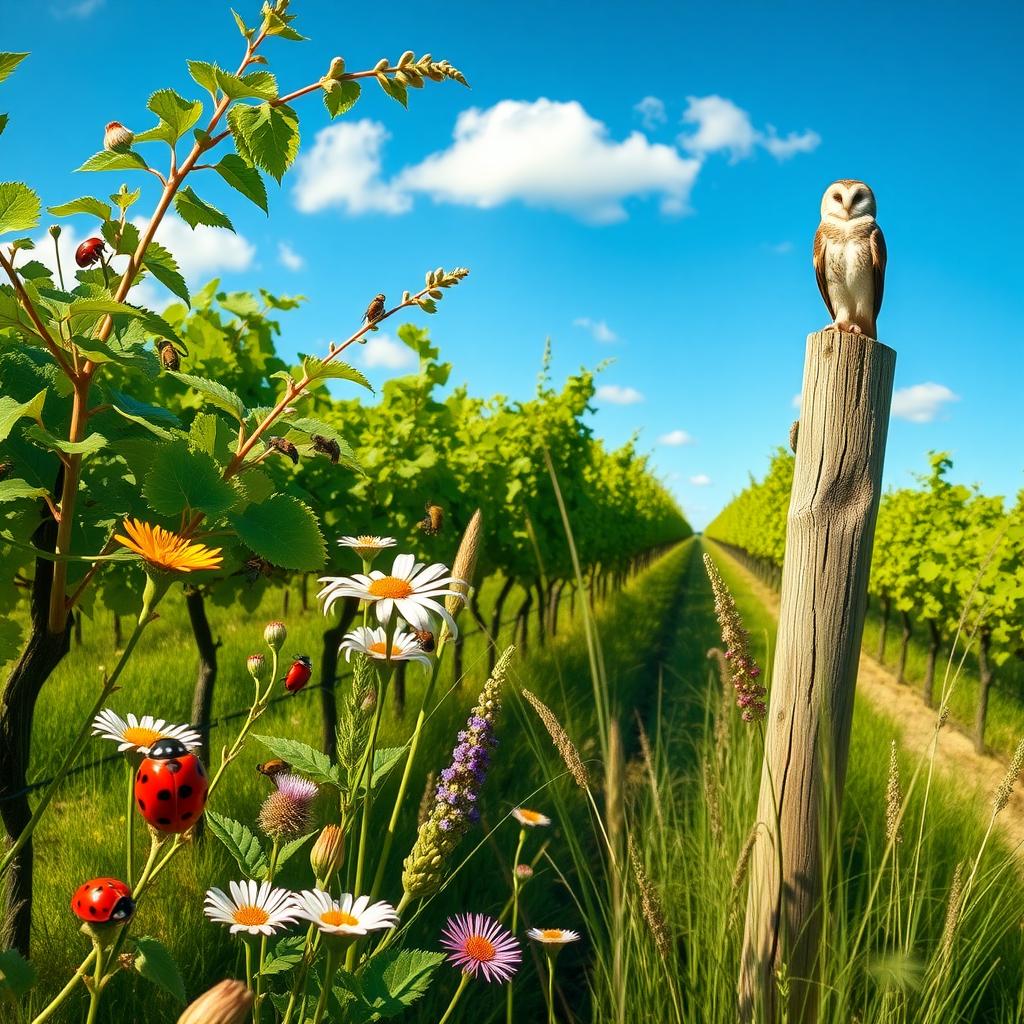
Biodiversity is the backbone of healthy vineyards. The Role of Biodiversity in Sustainable Vineyards cannot be overstated—it supports pollination, pest control, and soil fertility. For example, barn owls, encouraged by nesting boxes, act as natural rodent control. In Australia, studies have shown that reducing pesticide use by fostering beneficial insects like ladybugs can cut pest damage by 25%.
Diverse plantings, like wildflowers or native grasses, attract pollinators and predatory insects, reducing the need for chemical sprays. In South Africa’s Western Cape, wineries are planting native fynbos to boost biodiversity, which also enhances the region’s unique terroir. These efforts create a win-win: healthier vineyards and wines with distinct character.
Adapting to Climate Change
Climate change is forcing vineyards to adapt. How Climate Change is Impacting Vineyards Worldwide includes challenges like earlier harvests, heat stress on vines, and water scarcity. In response, growers are experimenting with drought-tolerant grape varieties, like Israel’s Argaman, which thrives in hot, dry conditions. Rootstocks resistant to drought are also gaining popularity, a technique rooted in the 19th-century fight against phylloxera.
Water management is critical. Deficit irrigation, where vines receive just enough water to thrive, is becoming standard. In Portugal’s Alentejo region, a smart irrigation system using weather data and soil sensors has cut water use by 15%. These innovations help vineyards stay productive despite changing climates. Discover water management strategies.
Mechanization and Labor Solutions
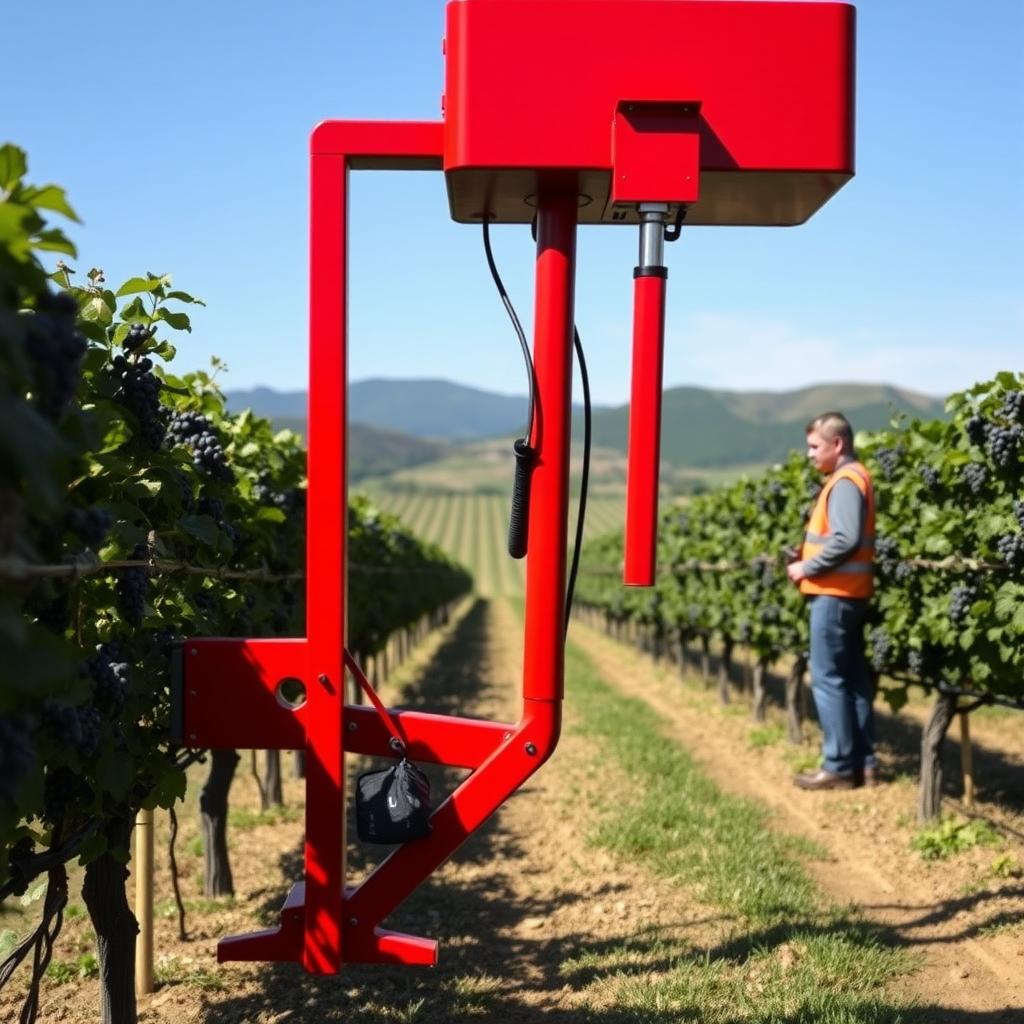
Labor shortages and rising wages are pushing vineyards toward mechanization. Machines for pruning, trimming, and harvesting are now common, especially in large-scale operations. In Australia, mechanical pruning has increased efficiency 40-fold, allowing one person to manage up to 400 hectares. While machines can’t match the precision of hand-pruning for premium wines, they’re a lifeline for growers facing labor constraints.
Intelligent sprayers, which adjust pesticide application based on vine density, are another leap forward. A 2023 study in California found that these sprayers reduced pesticide use by 30%, saving costs and protecting the environment. Mechanization, when paired with smart technology, is making vineyards more sustainable and cost-effective.
Sustainability in Winemaking Explained
Sustainability in Winemaking Explained goes beyond the vineyard. It’s about creating a system that supports the environment, economy, and community. Green transformational leadership, where winery managers inspire eco-friendly practices, is gaining traction. A 2023 study of 196 Spanish wineries found that leaders who prioritize sustainability drive innovation, from reducing water use to cutting carbon emissions.
Wineries are also embracing circular economies. For example, grape pomace, a byproduct of winemaking, is being turned into compost or bioenergy. In South Africa, the wine industry contributes $3.5 billion to the economy, and sustainable practices are boosting rural development and tourism. These efforts ensure that winemaking remains viable for future generations.
The Future of Vineyard Management
The future of vineyard management lies in blending tradition with innovation. Genetic diversity, like exploring lesser-known grape varieties, will help vineyards adapt to climate change. Non-destructive sensors, such as near-infrared spectrometers, will provide real-time data on vine health. Organic amendments and microbial research will further enhance soil vitality.
Growers must also invest in education and collaboration. Podcasts like the Sustainable Winegrowing Podcast offer practical insights from experts, helping vineyard managers stay informed. By combining science, technology, and a passion for the land, the wine industry is poised to thrive in a changing world.
Summary
Innovations in Vineyard Management are reshaping how we grow grapes. From precision agriculture to sustainable practices like cover crops and biodiversity, vineyards are becoming greener and more resilient. Technology, mechanization, and a focus on sustainability are helping winemakers navigate climate change and labor challenges, ensuring high-quality wines for years to come.