The History of Napa Valley Wineries: A Journey Through Time and Taste
A Legacy Born in the Soil
Napa Valley, a name synonymous with world-class wine, wasn’t always the global powerhouse it is today. Its story began humbly, with a few determined settlers who saw potential in the fertile land. The History of Napa Valley Wineries is a tale of grit, innovation, and a relentless pursuit of quality that turned a quiet valley into a wine lover’s paradise. From the first vines planted in the 1800s to the modern era of sustainable winemaking, this region’s journey is as captivating as the wines it produces.
Early Beginnings: The Roots of Napa’s Wine Culture
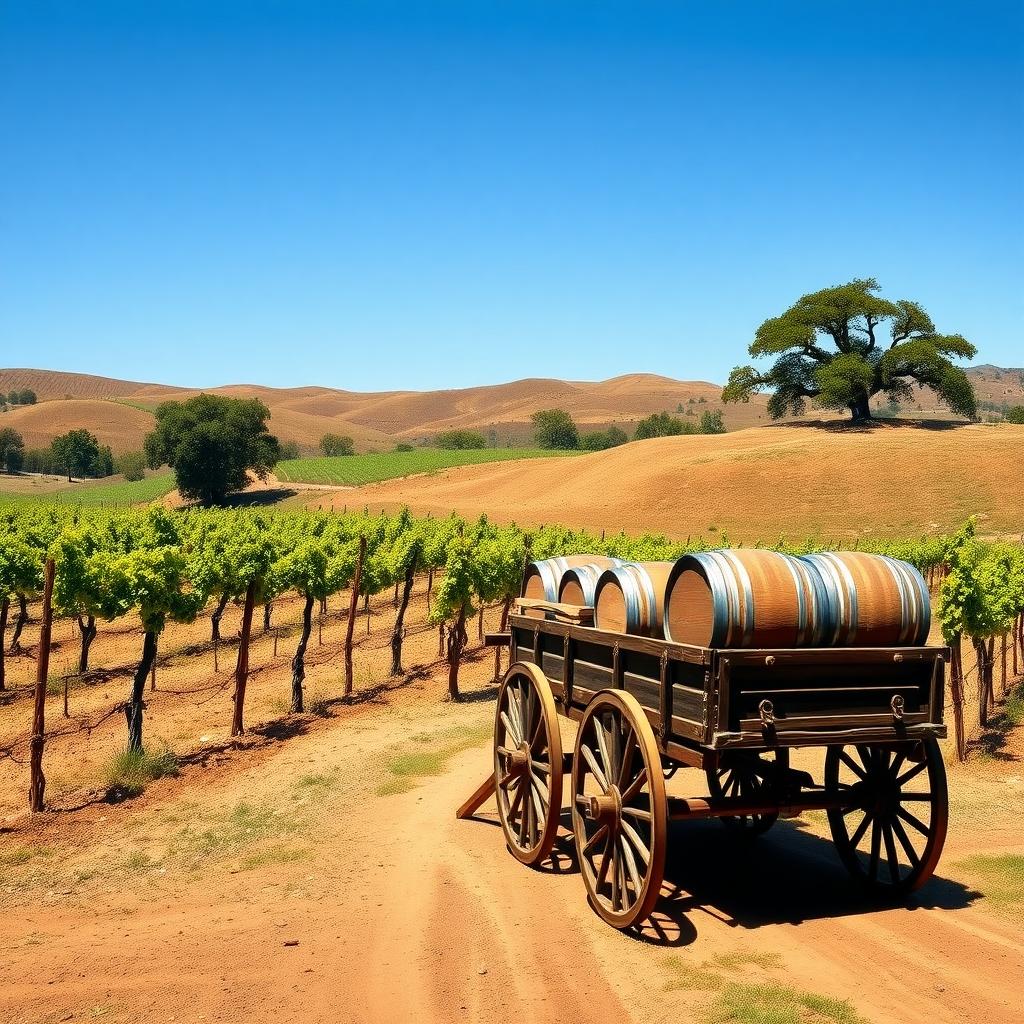
Long before vineyards defined Napa Valley, the land was home to the Patwin people, who lived sustainably along the Napa River for thousands of years. Their respect for the land set the stage for what was to come. In the early 1800s, Spanish colonists and Mexican ranchers arrived, but it was the mid-19th century that marked the true birth of Napa’s wine industry. Pioneers like George Yount and John Patchett planted the first grapevines, recognizing the valley’s ideal mix of volcanic soil, warm days, and cool nights. By 1861, Charles Krug established one of the first commercial wineries, laying the foundation for Napa’s future.
The Rise of Beringer Vineyards
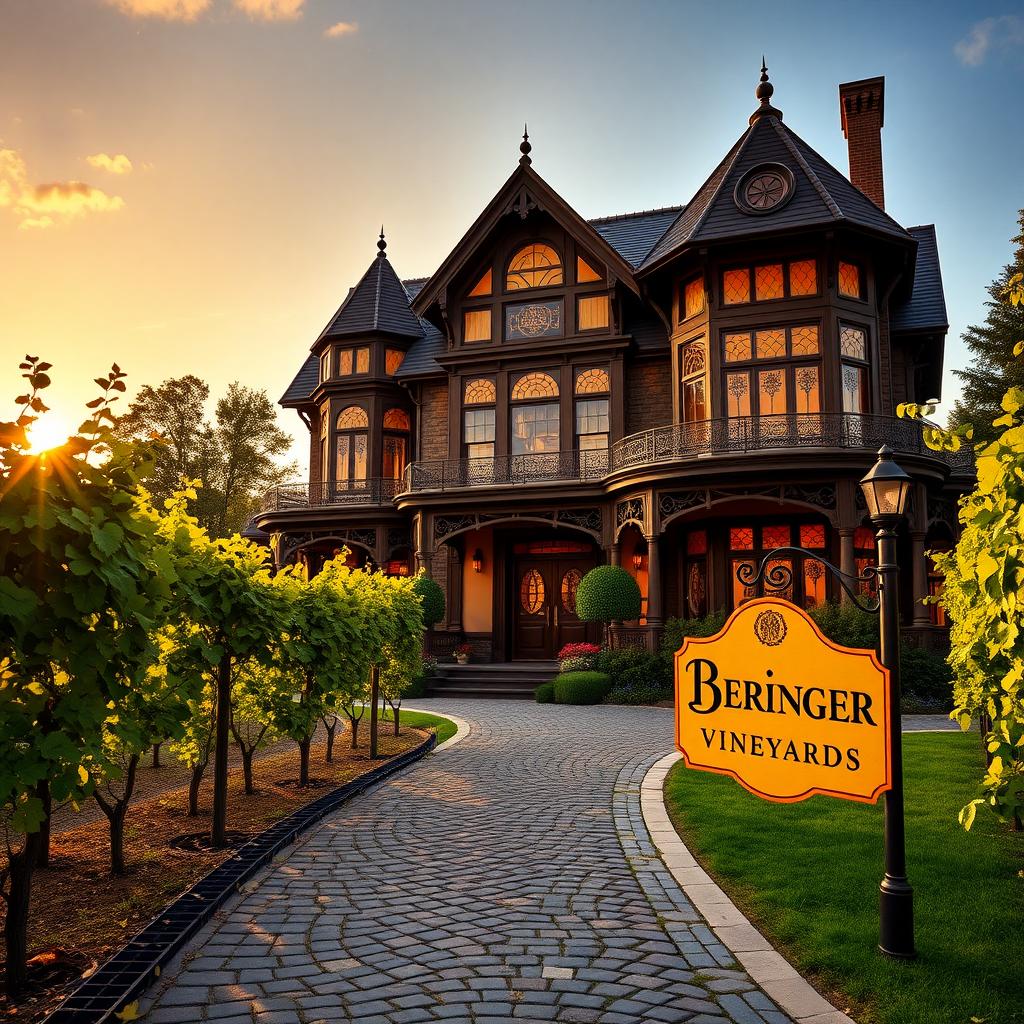
Among the early trailblazers, The History of Beringer Vineyards stands out as a cornerstone of Napa’s legacy. Founded in 1876 by German immigrants Jacob and Frederick Beringer, this winery is the oldest continuously operating winery in Napa Valley. The brothers, drawn by the valley’s resemblance to Germany’s Rhine region, purchased 215 acres in St. Helena and began crafting wines to rival Europe’s finest. Their first harvest produced 40,000 gallons, a bold start that set Beringer apart. The iconic Rhine House, built in 1883, still stands as a testament to their vision, blending Victorian elegance with winemaking ambition.
Surviving Challenges: Prohibition and Beyond
The late 19th century saw Napa’s wine industry flourish, with nearly 200 wineries by 1890. But the early 20th century brought challenges. Prohibition, starting in 1920, forced many wineries to close, as they could only produce sacramental or medicinal wines. Beringer persevered, producing sacramental wines under a federal license, a move that ensured its survival. After Prohibition’s repeal in 1933, Beringer became the first winery to offer public tours in 1934, sparking Napa’s wine tourism tradition. This resilience helped Napa rebound, setting the stage for its modern era.
The Judgment of Paris: Napa’s Global Breakthrough
Napa Valley’s reputation soared in 1976 with the Judgment of Paris, a blind tasting where Napa wines outshone top French Bordeaux and Burgundies. Wines from Stag’s Leap Wine Cellars and Chateau Montelena stunned the wine world, proving Napa could compete globally. This event marked a turning point, drawing international attention and investment to the region. Beringer, already a leader, capitalized on this momentum, earning accolades like Wine Spectator’s #1 Wine of the Year for its 1986 Cabernet Sauvignon and 1994 Chardonnay.
Beringer’s Innovations and Sustainability
Beringer’s influence extends beyond its history. As a pioneer, it introduced innovations like gravity-fed facilities and hand-dug wine caves, some of the first in Napa. Today, Beringer leads in sustainability, using solar power, rainwater capture, and composting to minimize its environmental impact. These efforts earned it the 2019 Green Medal Leader Award from the California Sustainable Winegrowing Alliance. Visiting Beringer feels like stepping into history, with its caves and Rhine House offering a glimpse into Napa’s past while showcasing modern winemaking excellence.
Beringer Wine Tasting Notes: A Taste of Excellence
Beringer’s portfolio is a masterclass in variety and quality. Here are some standout Beringer wine tasting notes:
- Private Reserve Cabernet Sauvignon: Deep ruby red, with aromas of blackberry, cassis, and vanilla. On the palate, it’s full-bodied, with rich dark fruit, chocolate, and a hint of spice. Perfect for pairing with grilled steak.
- Knights Valley Cabernet Sauvignon: Bright ruby, offering red fruit, cedar, and tobacco notes. Medium-bodied, with cherry and plum flavors balanced by subtle spice.
- Private Reserve Chardonnay: Golden-hued, with apple, pear, and vanilla aromas. Creamy and smooth, it delivers citrus, stone fruit, and a touch of oak.
These wines, tasted in Beringer’s historic caves, offer an unforgettable experience, blending flavor with the weight of tradition.
The Evolution of Napa’s Wine Brands
Napa’s wine brands have evolved from small family operations to global names. Early wineries like Charles Krug and Schramsberg paved the way, but Beringer set a standard for consistency and innovation. Today, brands like Opus One, Robert Mondavi, and Stag’s Leap continue Napa’s legacy, each adding unique flavors and stories. The region’s diversity—Cabernet Sauvignon, Chardonnay, Merlot, and more—reflects its ability to adapt and innovate. Napa’s wineries aren’t just about wine; they’re about creating experiences, from tastings to hot air balloon rides over sprawling vineyards.

Why Napa’s History Matters Today
Walking through Napa Valley today, you can feel the history in every sip. The old stone cellars, the sprawling estates, and the stories of pioneers like the Beringer brothers remind us that this region was built on passion. Napa’s commitment to quality, seen in sustainable practices and award-winning wines, ensures its legacy endures. Whether you’re a first-time visitor or a seasoned wine lover, Napa offers a connection to its past and a taste of its future.
Summary
The History of Napa Valley Wineries is a story of transformation, from humble beginnings to global fame. Beringer Vineyards, with its pioneering spirit and exceptional wines, embodies this journey. From surviving Prohibition to leading in sustainability, Napa’s wineries continue to innovate while honoring their roots. Plan a visit to taste the history yourself, and explore the legacy of wine brands that have made Napa Valley a household name.