The Art of Food and Wine Pairing: Expert Advice
Pairing food with wine is like creating a symphony where every note enhances the other. The Art of Food and Wine Pairing: Expert Advice unlocks the secrets to making every meal memorable. Whether you’re hosting a dinner party or enjoying a quiet night in, the right wine can transform your dining experience. This guide dives into the principles of pairing, spotlights Jackson Family Wines, and offers actionable tips to elevate your palate.
Wine and food pairing isn’t about rigid rules—it’s about balance. The goal is to create harmony between the flavors on your plate and in your glass. A good pairing enhances both the food and the wine, making each bite and sip more enjoyable. Start by considering the weight of the dish and the wine. Light dishes, like a fresh salad, pair well with crisp, light wines like Sauvignon Blanc. Heavier dishes, such as a juicy steak, call for bold reds like Cabernet Sauvignon.
Acidity is another key factor. Acidic foods, like tomato-based dishes, need wines with enough acidity to match, such as a bright Pinot Noir. Sweetness matters too—desserts pair best with wines that are slightly sweeter, like a late-harvest Riesling. Tannins, those mouth-drying compounds in red wines, work well with fatty or protein-rich foods, cutting through richness for a balanced bite.
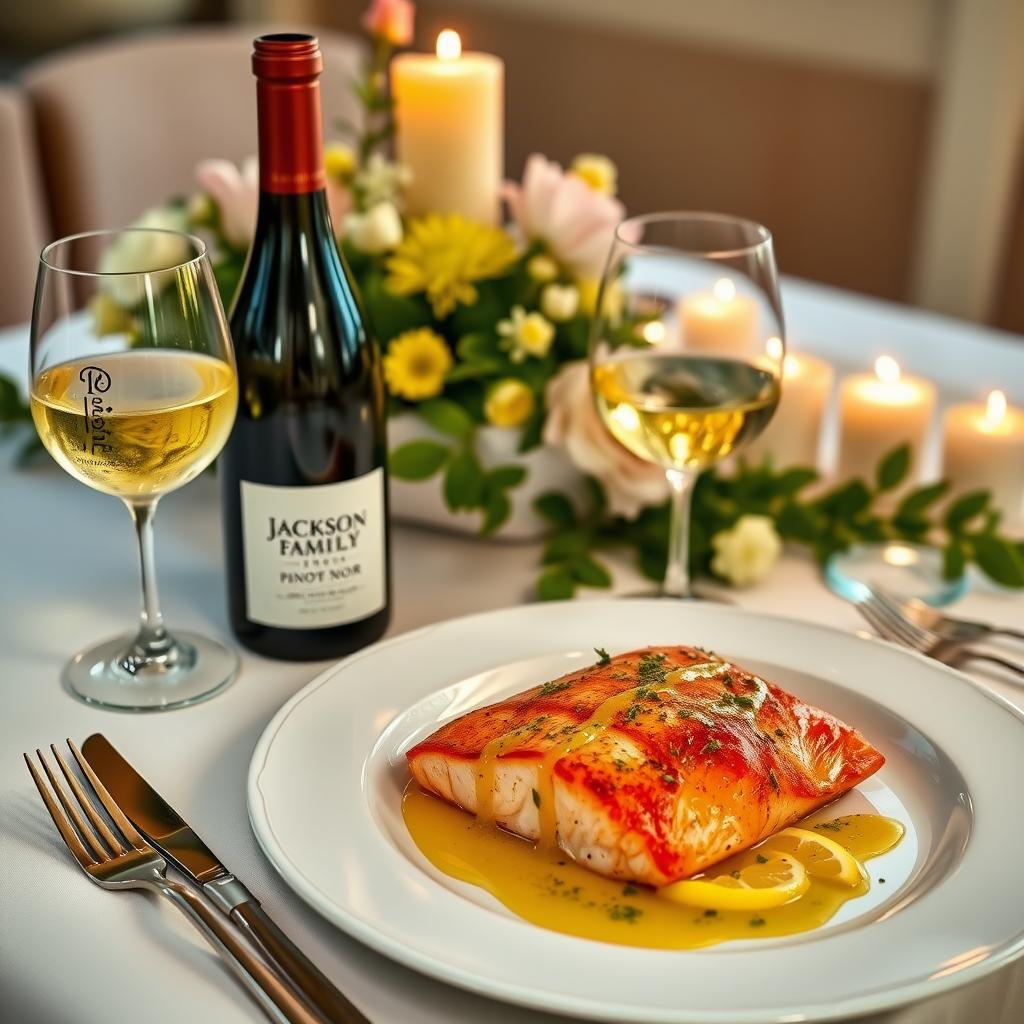
Exploring Pinot Noir: A Deep Dive reveals why this grape is a sommelier’s favorite for food pairing. Pinot Noir’s versatility comes from its medium body, bright acidity, and flavors ranging from cherry and raspberry to earthy mushroom notes. Jackson Family Wines produces exceptional Pinot Noirs, like those from their Santa Barbara and Sonoma County vineyards, which shine with a variety of dishes. According to the Wine Institute, Pinot Noir’s global popularity stems from its ability to complement both delicate and robust flavors, making it a go-to for many cuisines.
When pairing Pinot Noir, think about dishes with earthy or savory elements. Grilled salmon with a light herb sauce is a classic match—the wine’s acidity cuts through the fish’s richness while its fruit notes enhance the herbs. Roasted chicken with mushrooms or a creamy risotto also pairs beautifully, as the wine’s earthy undertones echo the dish’s flavors. For vegetarians, try a mushroom tart or roasted root vegetables to bring out the wine’s complexity.
Perfect Pairs: Matching Food with Jackson Family Wines takes pairing to the next level. Jackson Family Wines offers a diverse portfolio, from crisp Chardonnays to bold Zinfandels. Their tasting notes, available on their official website, provide a roadmap for pairing. For example, their Kendall-Jackson Vintner’s Reserve Chardonnay, with its notes of green apple and vanilla, pairs wonderfully with creamy pasta dishes or lobster. Their La Crema Sonoma Coast Pinot Noir, with its bright cherry and spice notes, is ideal for duck or pork tenderloin.
To make pairing easier, here’s a quick guide for Jackson Family Wines:
| Wine | Food Pairing | Why It Works |
|---|---|---|
| Kendall-Jackson Chardonnay | Creamy pasta, lobster | Rich, buttery notes match creamy textures |
| La Crema Pinot Noir | Duck, pork tenderloin | Bright fruit and spice complement savory meats |
| Stonestreet Cabernet Sauvignon | Grilled steak, lamb | Bold tannins cut through rich, fatty flavors |
| Cambria Julia’s Vineyard Rosé | Goat cheese salad, seafood | Crisp acidity enhances light, fresh dishes |
This table simplifies the process, but experimenting is half the fun!

Tasting notes are your secret weapon for pairing. Jackson Family Wines tasting notes describe each wine’s flavor profile, helping you match it to food. For instance, their Stonestreet Cabernet Sauvignon has bold blackberry and cassis flavors with firm tannins, making it a perfect match for grilled meats or aged cheeses. Check their tasting room resources for detailed notes on each varietal. These notes guide you toward pairings that highlight both the wine and the dish.
Texture plays a big role in pairing too. A creamy Brie pairs better with a silky Chardonnay than a sharp Cheddar, which might overpower it. Similarly, a crunchy dish like fried chicken needs a wine with enough acidity to refresh the palate, like a Sauvignon Blanc. Don’t be afraid to experiment—pairing is personal, and your preferences matter. Keep a journal of your pairings to track what works and what doesn’t.
One personal tip: don’t overlook regional pairings. Wines often pair best with foods from their region. For example, Jackson Family Wines from California’s Central Coast pair beautifully with local dishes like grilled artichokes or fresh seafood. The University of California, Davis Viticulture and Enology Department notes that regional pairings work because the wine and food evolve together, sharing complementary flavors and textures.
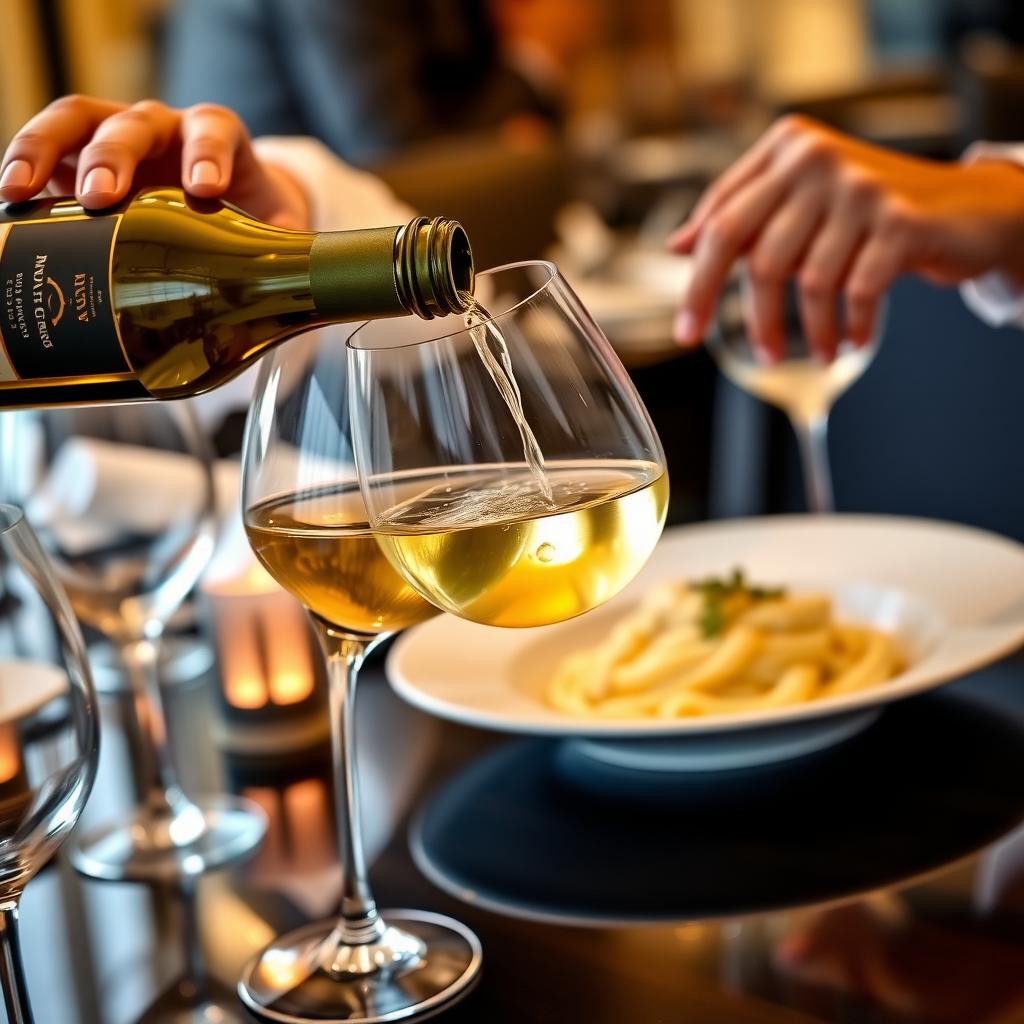
Hosting a dinner party? Make pairing interactive. Offer guests a flight of Jackson Family Wines with small bites to match. Start with a Sauvignon Blanc and shrimp skewers, move to a Pinot Noir with mushroom crostini, and finish with a Cabernet Sauvignon alongside dark chocolate truffles. This creates a memorable experience and sparks conversation. Plus, it’s a great way to explore Jackson Family Wines tasting notes in action.
Mistakes happen, and that’s okay. A too-sweet wine can overwhelm a savory dish, while a highly tannic wine might clash with spicy food. If a pairing doesn’t work, take note and try something different next time. The beauty of The Art of Food and Wine Pairing: Expert Advice is that it’s a journey of discovery. Taste, experiment, and enjoy the process.
In summary, pairing food and wine is about balance, experimentation, and personal taste. Jackson Family Wines offers a versatile range to suit any dish, from light seafood to hearty steaks. Use their tasting notes, consider flavor profiles, and don’t be afraid to try new combinations. With practice, you’ll create pairings that delight your guests and elevate every meal.