Everything You Need to Know About Chardonnay
A Sip of Sunshine: Your Guide to Chardonnay
Chardonnay is the world’s most beloved white wine, and for good reason. Its versatility, ranging from crisp and citrusy to rich and buttery, makes it a go-to for casual dinners and elegant gatherings alike. Whether you're new to wine or a seasoned sipper, this guide covers Everything You Need to Know About Chardonnay, including its history, styles, and how to pair it with everyday meals and cheeses. Let’s dive into what makes this grape so special and how brands like Jackson Family Wines elevate its charm.
What Is Chardonnay?
Chardonnay is a green-skinned grape originating from Burgundy, France. It’s now grown worldwide, from California to Australia, thanks to its adaptability. The grape’s neutral flavor allows winemakers to craft a spectrum of styles, from light and zesty to creamy and oaky. This flexibility is why Chardonnay pairs so well with a variety of foods, making it a staple in kitchens and restaurants. According to the University of California, Davis, Chardonnay is one of the most planted white grape varieties globally, covering over 500,000 acres.
The History of Chardonnay
Chardonnay’s roots trace back to the Burgundy region, where it was first cultivated by monks in the Middle Ages. Its name likely comes from the village of Chardonnay in eastern France. By the 20th century, it had spread to regions like California’s Napa Valley and Australia’s Margaret River, where winemakers embraced its potential. The 1976 Judgment of Paris, a blind tasting where a California Chardonnay outshone French competitors, cemented its global reputation. Today, Jackson Family Wines, a leader in California winemaking, produces some of the finest Chardonnays, like their Vintner’s Reserve, celebrated for over 30 years.
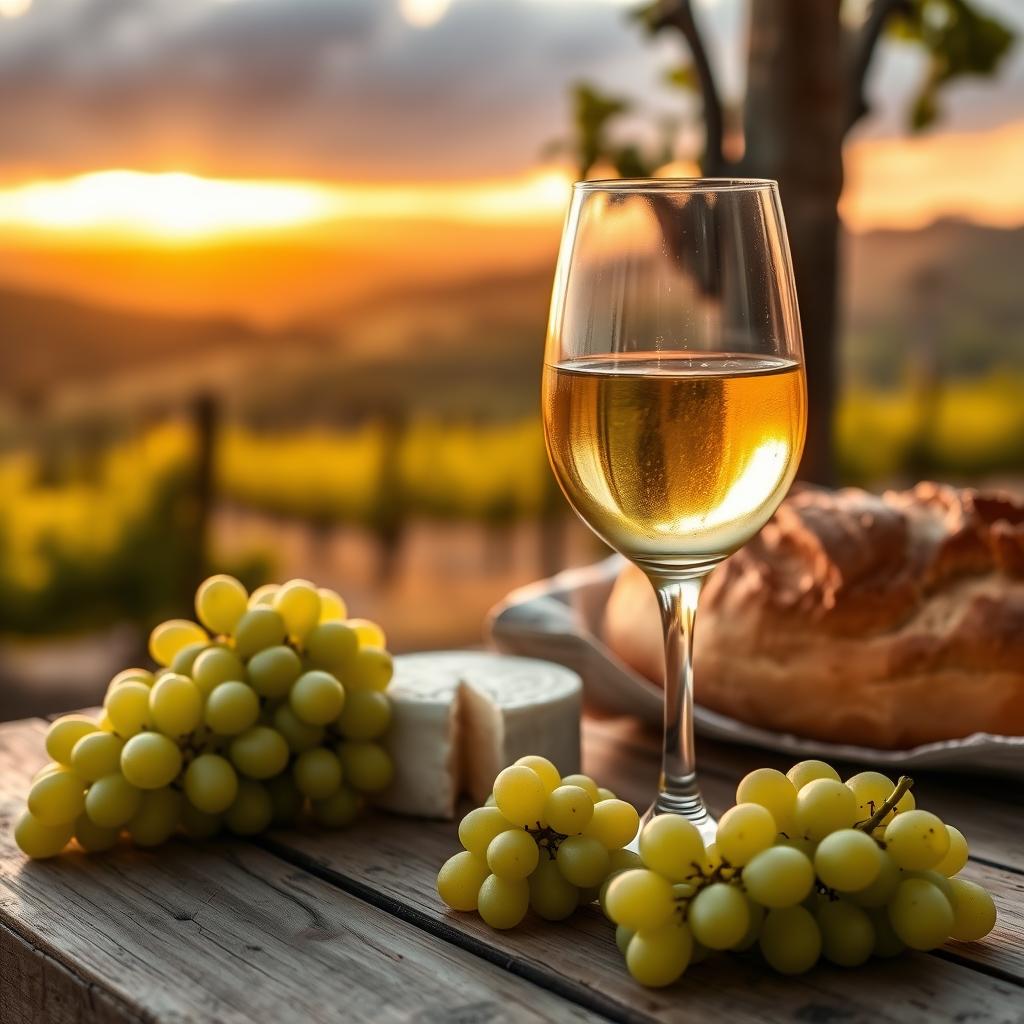
Oaked vs. Unoaked: Understanding Chardonnay Styles
Chardonnay’s flavor depends heavily on how it’s made. Here’s a breakdown of the two main styles:
- Oaked Chardonnay: Aged in oak barrels, these wines take on rich, creamy flavors like vanilla, butter, and caramel. They’re fuller-bodied and pair well with heartier dishes. Think of a Napa Valley Chardonnay with a velvety texture.
- Unoaked Chardonnay: Fermented in stainless steel, these wines are crisp and fruit-forward, with notes of green apple, citrus, and pear. They’re lighter and ideal for delicate foods.
The choice between oaked and unoaked often comes down to personal taste and the meal you’re serving. Jackson Family Wines offers both styles, like their Avant Unoaked Chardonnay for a fresh, vibrant sip or the Grand Reserve for a richer experience.
Flavor Profiles by Region
Chardonnay’s taste varies by where it’s grown. Here’s a quick guide to key regions:
| Region | Flavor Notes | Style |
|---|---|---|
| Burgundy, France | Mineral, green apple, citrus | Crisp, often lightly oaked |
| California, USA | Tropical fruit, vanilla, butter | Rich, often heavily oaked |
| Australia (Margaret River) | Peach, mango, balanced oak | Medium-bodied, fruity |
| New Zealand | Citrus, stone fruit, minerality | Crisp, fruit-forward |
These differences make Chardonnay a chameleon, adapting to local climates and winemaking techniques. The Wine Institute notes that California’s warmer climate enhances Chardonnay’s ripe fruit flavors, making it a favorite for oaked styles.
Pairing Wine with Everyday Meals
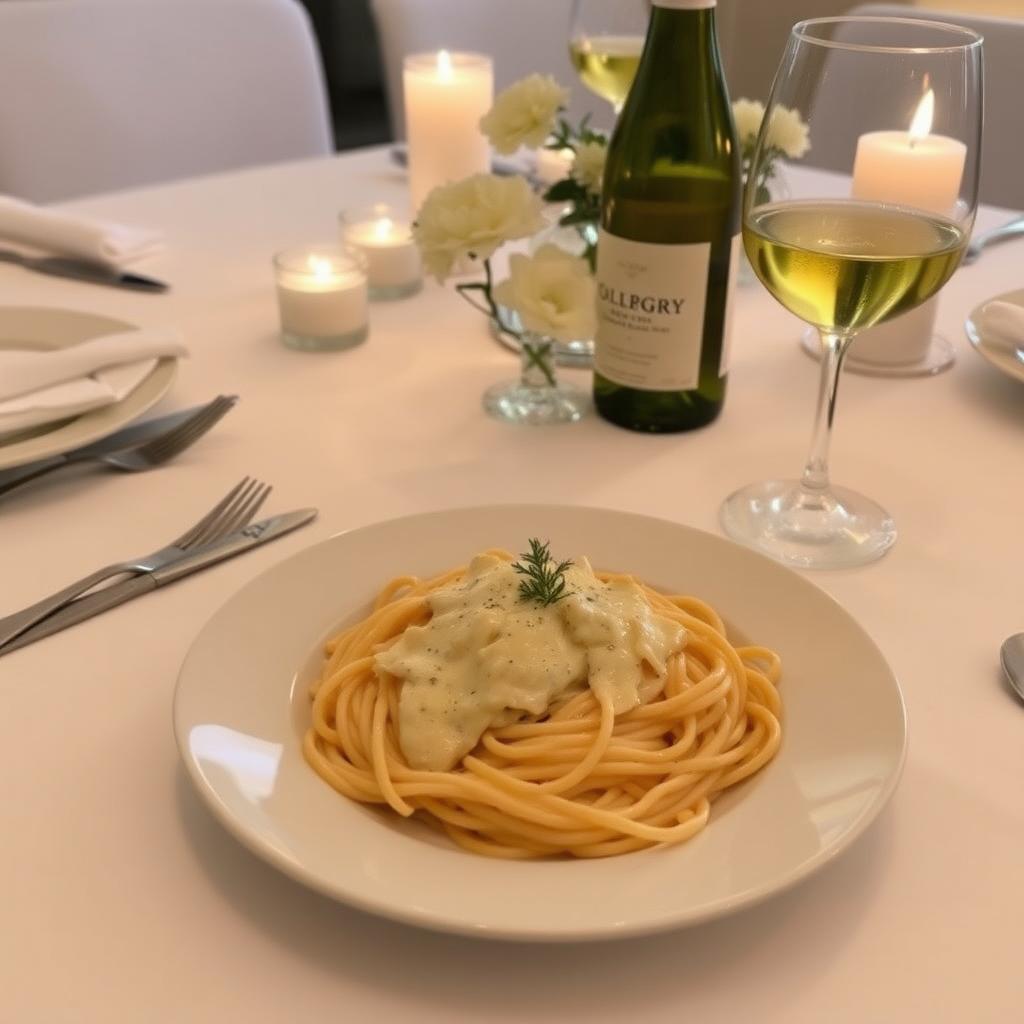
Pairing Wine with Everyday Meals is where Chardonnay shines. Its versatility makes it a perfect match for weeknight dinners or weekend feasts. Here are some practical tips to elevate your meals:
- Oaked Chardonnay: Pair with creamy pasta dishes like fettuccine Alfredo, roasted chicken with herb sauce, or lobster with butter. The wine’s richness complements these bold flavors.
- Unoaked Chardonnay: Try with lighter fare like grilled shrimp, fish tacos, or a Caesar salad. Its bright acidity cuts through delicate textures without overpowering them.
- General Rule: Match the wine’s weight to the dish’s intensity. Light dishes need crisp wines, while heavier meals call for oaky ones.
For inspiration, pairing food with Jackson Family Wines like their Vintner’s Reserve Chardonnay enhances dishes like creamy mushroom risotto or grilled salmon, creating a harmonious balance.
Wine and Cheese: A Match Made in Heaven
Few pairings are as classic as Wine and Cheese: A Match Made in Heaven. Chardonnay’s range makes it a natural partner for a variety of cheeses. Here’s how to get it right:
- Oaked Chardonnay: Pairs beautifully with soft, creamy cheeses like Brie, Camembert, or aged Gouda. The wine’s buttery notes enhance the cheese’s richness.
- Unoaked Chardonnay: Complements milder cheeses like fresh mozzarella, goat cheese, or Havarti. The wine’s acidity balances the cheese’s subtle flavors.
- Pro Tip: Serve cheeses at room temperature and avoid pungent varieties like blue cheese, which can overwhelm Chardonnay’s delicate notes.
A personal favorite is pairing Jackson Family Wines Grand Reserve Chardonnay with a wedge of Brie and some crusty bread. The creamy texture of the cheese mirrors the wine’s smoothness, creating a luxurious bite.
Serving and Storing Chardonnay
To enjoy Chardonnay at its best, follow these tips:
- Temperature: Serve oaked Chardonnay at 50–55°F and unoaked at 45–50°F. Too cold, and you’ll mute the flavors; too warm, and it feels flat.
- Glassware: Use a wide-bowled glass for oaked Chardonnay to capture its aromas, or a standard white wine glass for unoaked.
- Storage: Store bottles horizontally in a cool, dark place. Most Chardonnays are best enjoyed within 3–5 years, though high-quality oaked versions can age for a decade.
The International Wine Center emphasizes proper storage to preserve Chardonnay’s vibrant flavors, especially for premium bottles.
Common Myths About Chardonnay
Chardonnay has its share of misconceptions. Let’s clear up a few:
- Myth: All Chardonnays are buttery and heavy. Truth: Unoaked versions are light and crisp, offering a refreshing alternative.
- Myth: Chardonnay doesn’t age well. Truth: High-quality Chardonnays, especially from Burgundy, can develop complex flavors over years.
- Myth: It’s only for fancy meals. Truth: Chardonnay pairs with everyday foods like pizza or grilled veggies, making it a versatile choice.
These myths often stem from the popularity of heavily oaked styles in the 1990s, but modern winemaking offers diverse options for every palate.
Why Choose Jackson Family Wines?
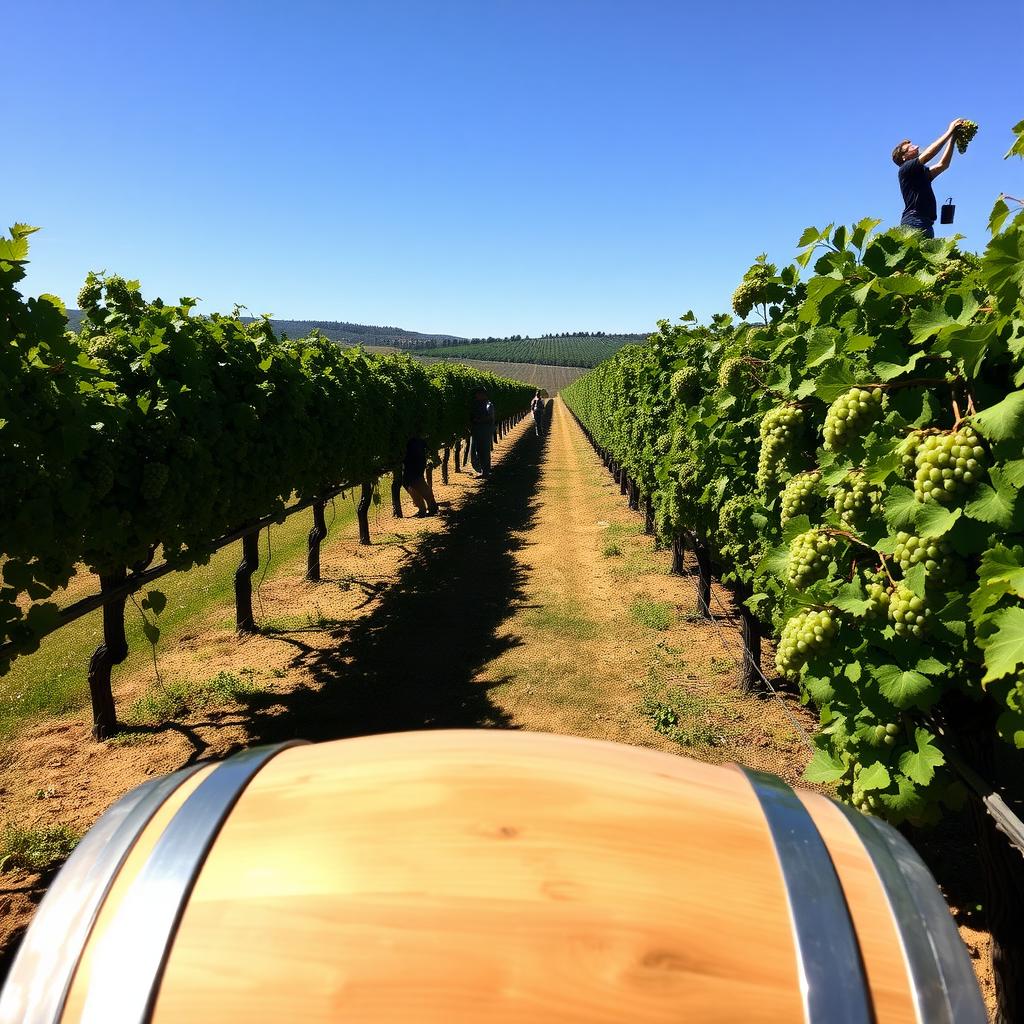
Jackson Family Wines has been a leader in crafting exceptional Chardonnays for decades. Their Vintner’s Reserve Chardonnay, America’s favorite for over 30 years, balances oak and fruit for a crowd-pleasing sip. Their Avant Unoaked Chardonnay offers a crisp, fruit-forward option for lighter meals. By focusing on sustainable practices and premium grape sourcing from regions like Sonoma and Santa Barbara, they deliver consistent quality. Pairing food with Jackson Family Wines is a delight, whether it’s a casual pizza night or a sophisticated seafood dinner.
Final Thoughts
Chardonnay’s charm lies in its ability to adapt to any occasion, from a cozy night in to a festive gathering. Whether you prefer the crisp freshness of an unoaked bottle or the rich depth of an oaked one, there’s a Chardonnay for every taste and meal. By understanding its styles, regions, and pairing potential, you can elevate your dining experience. Next time you uncork a bottle, try pairing it with a creamy dish or a soft cheese and savor the magic of this versatile wine.