From Vine to Glass: The Journey of Sustainable Wine Production
Overview: A Greener Path to Your Glass
From vine to glass, sustainable wine production blends tradition with eco-conscious innovation. This journey ensures every sip supports the planet. Exploring sustainable winemaking practices reveals how brands like Jackson Family Wines craft exceptional wines while prioritizing environmental stewardship.
What Is Sustainable Winemaking?
Sustainable winemaking goes beyond producing great wine. It’s about nurturing the land, conserving resources, and supporting communities. From vine to glass, the journey of sustainable wine production involves careful choices at every step—growing grapes, fermenting juice, and bottling the final product. The goal? Create wines that taste amazing while leaving a lighter footprint on the earth.
Unlike conventional methods, sustainable practices focus on long-term health. This means using less water, reducing chemical use, and protecting soil. For example, many wineries now rely on organic fertilizers and natural pest control, like encouraging birds to eat harmful insects. These choices preserve ecosystems and enhance wine quality.
The Vineyard: Where It All Begins
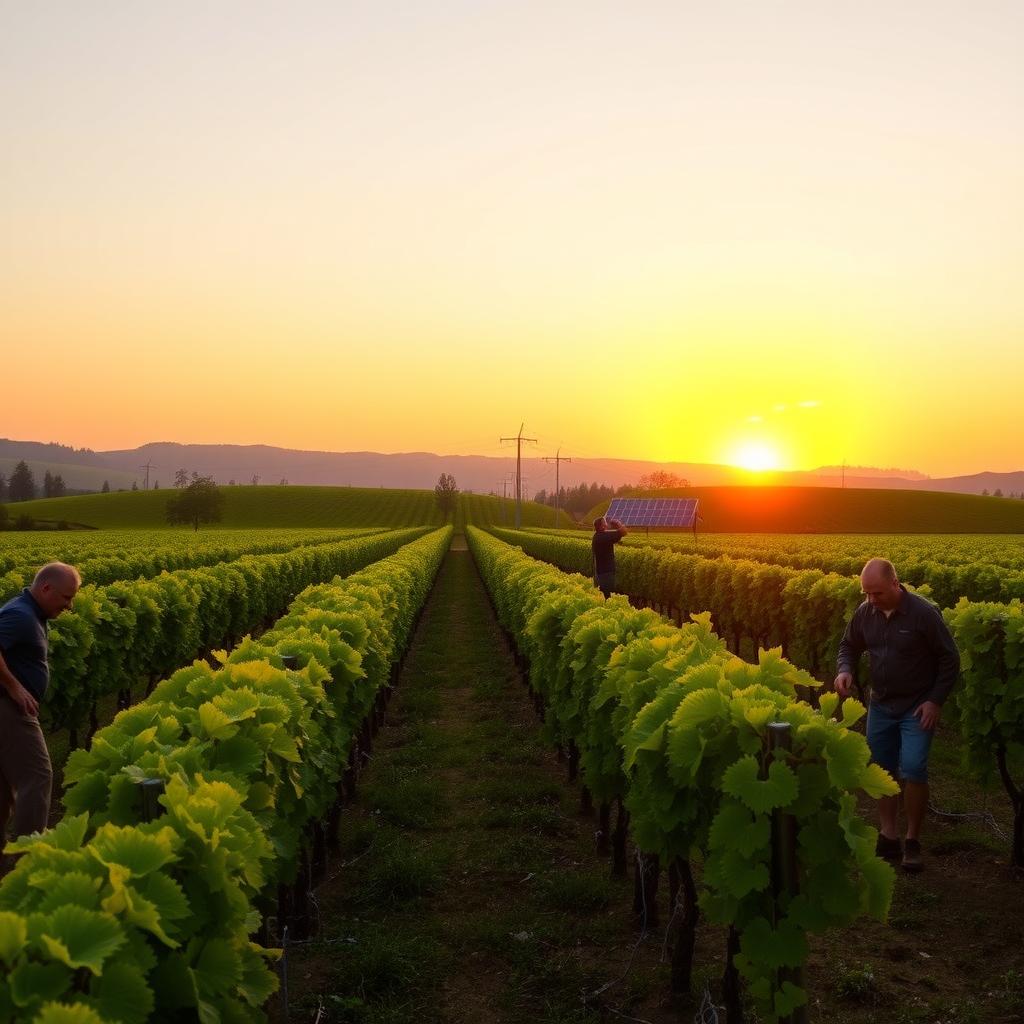
The journey starts in the vineyard. Healthy soil is the foundation of sustainable wine production. Wineries like Jackson Family Wines use cover crops—plants like clover or mustard—between vine rows to prevent erosion and enrich the soil. These crops also attract beneficial insects, reducing the need for pesticides.
Water conservation is another key focus. Drip irrigation systems deliver precise amounts of water directly to vine roots, minimizing waste. According to the California Sustainable Winegrowing Alliance, vineyards using these systems can reduce water use by up to 50% compared to traditional methods. This not only saves resources but also ensures grapes develop rich, concentrated flavors.
Sustainable Harvesting and Grape Selection
Harvesting grapes sustainably means timing it just right. Pick too early, and the grapes lack flavor; too late, and they’re overly sweet. Many sustainable wineries, including Jackson Family Wines, hand-pick grapes to minimize damage to vines and ensure only the best fruit makes it to the winery.
Once harvested, grapes are sorted carefully. Damaged or unripe grapes are removed, often by hand, to maintain quality. This attention to detail shines through in Jackson Family Wines wine reviews, where critics often praise their balanced flavors and vibrant profiles. Sustainable practices don’t just help the planet—they elevate the wine itself.
Winemaking: Crafting with Care
In the winery, sustainability continues. Fermentation tanks are often powered by renewable energy, like solar or wind. Jackson Family Wines, for instance, has invested heavily in solar panels across their facilities, reducing their carbon footprint. They also recycle water used in cleaning equipment, cutting waste significantly.
Another eco-friendly technique is using native yeasts for fermentation. Unlike commercial yeasts, native yeasts are naturally present on grape skins and in the winery environment. This reduces the need for synthetic inputs and gives wines a unique sense of place, or terroir. The result is a bottle that reflects both the land and the winemaker’s commitment to sustainability.

Bottling and Packaging: The Final Touch
The journey from vine to glass ends with bottling. Sustainable wineries choose lightweight bottles to reduce shipping emissions. Some, like Jackson Family Wines, use recycled glass or labels made from post-consumer paper. These small changes add up, lowering the environmental impact of every bottle.
Packaging also matters. Cardboard boxes made from recycled materials and biodegradable corks are becoming standard. According to a study by the Wine Institute, sustainable packaging can cut a winery’s carbon emissions by up to 20%. This ensures the wine you enjoy doesn’t come at the planet’s expense.
Jackson Family Wines: A Leader in Sustainability
Among wine brands, Jackson Family Wines stands out for its commitment to sustainable winemaking. With over 40 wineries in their portfolio, they’ve set ambitious goals, like achieving 100% renewable energy by 2030. Their vineyards in California’s Sonoma and Napa regions use organic practices, and they’ve earned certifications from groups like the California Certified Organic Farmers (CCOF).
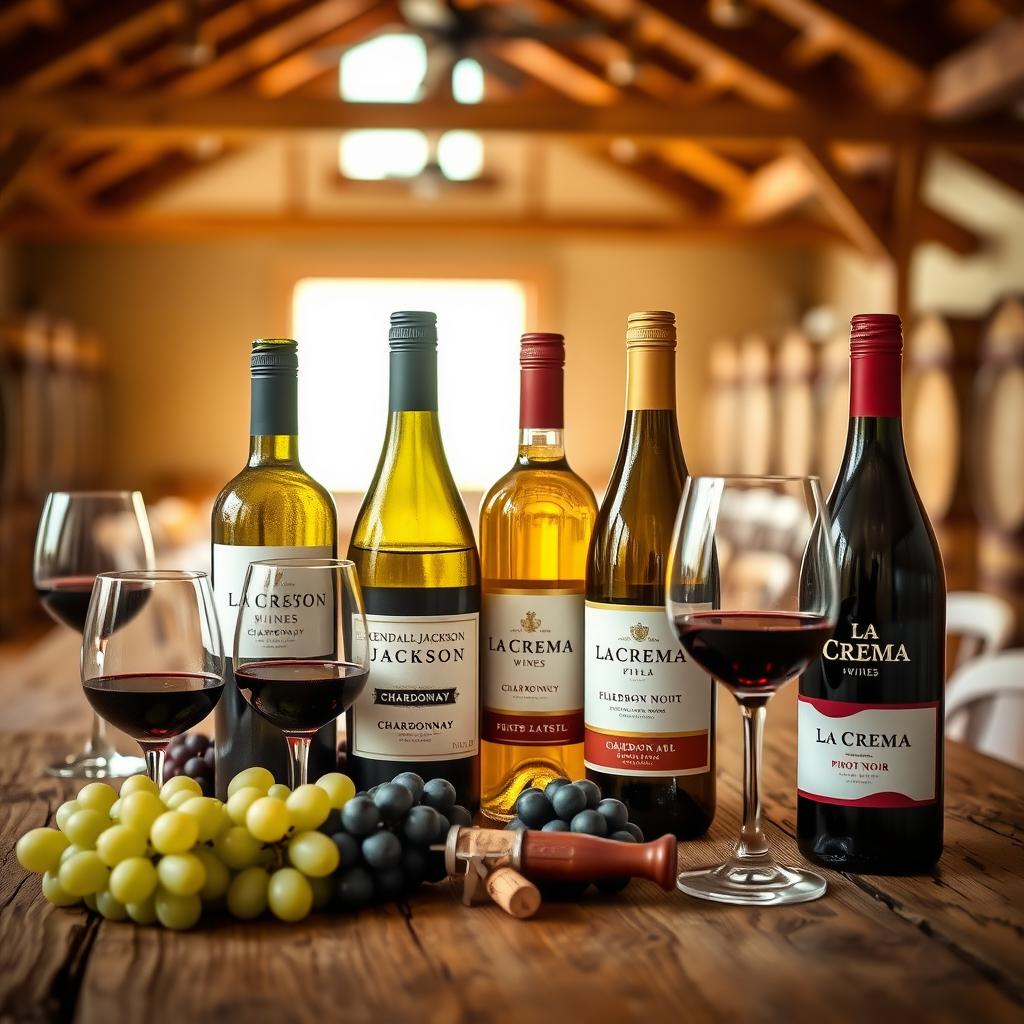
Jackson Family Wines wine reviews often highlight their eco-friendly ethos alongside their quality. For example, their Kendall-Jackson Chardonnay is praised for its crisp apple and citrus notes, while their La Crema Pinot Noir offers rich berry flavors. These wines prove you don’t have to sacrifice taste for sustainability. Their efforts also inspire other wineries to adopt greener practices.
Challenges in Sustainable Winemaking
Going green isn’t always easy. Sustainable practices can cost more upfront—think installing solar panels or transitioning to organic farming. Smaller wineries may struggle with these expenses. Weather also poses a challenge. Droughts or heavy rains, increasingly common due to climate change, can stress vines and affect yields.
Yet, the long-term benefits outweigh the hurdles. Sustainable vineyards are more resilient to climate shifts, and consumers are increasingly seeking eco-friendly wines. A 2023 report from the International Wineries for Climate Action found that 70% of wine drinkers prefer brands with strong environmental credentials. This trend pushes the industry toward greener practices.
How You Can Support Sustainable Wine
As a wine lover, your choices matter. Here’s how you can support sustainable winemaking:
- Choose Certified Wines: Look for labels like “Certified Sustainable” or “Organic” on bottles.
- Explore Local Wineries: Smaller producers often prioritize eco-friendly practices. Visit tasting rooms to learn their story.
- Recycle Bottles: Many communities offer glass recycling programs—use them!
- Read Reviews: Check Jackson Family Wines wine reviews to find sustainable options that match your taste.
By picking wines from brands like Jackson Family Wines, you’re voting for a healthier planet with every sip.
The Future of Sustainable Wine
The wine industry is evolving. From vine to glass, the journey of sustainable wine production is gaining momentum. Innovations like carbon-neutral wineries and biodegradable packaging are on the rise. Wineries are also experimenting with drought-resistant grape varieties to adapt to changing climates.
Jackson Family Wines and other leaders are paving the way, showing that sustainability and quality go hand in hand. As more consumers demand eco-friendly options, the industry will keep pushing forward. The future of wine is green, and it’s exciting to see where this journey leads.
Summary: Sipping Sustainably
From vine to glass, sustainable wine production is a thoughtful process that respects the earth. Jackson Family Wines and other wine brands prove that eco-friendly practices create exceptional wines. By choosing sustainable options, you support a healthier planet without compromising on taste. Explore this world of greener winemaking and savor the difference.