Sustainable Practices in Modern Viticulture: Crafting Better Wines for a Healthier Planet
The wine industry is changing fast. Winemakers are embracing sustainable practices in modern viticulture to protect the environment while producing exceptional wines. From organic farming to solar power, these efforts are reshaping vineyards, especially in places like Sonoma County. Leaders like Jackson Family Wines are showing how green methods can create better wines and a healthier planet.
I’ve always been fascinated by how winemaking blends art, science, and nature. Visiting vineyards in Sonoma County, I’ve seen firsthand how sustainable practices aren’t just buzzwords—they’re a commitment to the land and the future. Let’s dive into how these practices work and why they matter.
What Are Sustainable Practices in Modern Viticulture?
Sustainable viticulture means growing grapes and making wine in ways that respect the environment, support local communities, and maintain economic viability. It’s about balancing today’s needs with tomorrow’s possibilities. This includes organic and biodynamic farming, water conservation, renewable energy, and eco-friendly packaging.
Unlike conventional methods that rely on chemical pesticides and heavy machinery, sustainable practices prioritize natural solutions. For example, cover crops like clover or mustard are planted between vines to improve soil health and reduce erosion. These plants also attract beneficial insects, cutting down on the need for synthetic pest control.

How Organic Farming Shapes Better Wines
Organic farming is a cornerstone of sustainable viticulture. It avoids synthetic pesticides, herbicides, and fertilizers, focusing instead on natural methods to nurture the soil and vines. This approach not only protects the environment but also enhances wine quality.
During a tour of a Jackson Family Wines vineyard, I learned how organic farming brings out the true character of the grapes. Healthy soils lead to stronger vines, which produce more flavorful fruit. Organic certification requires a three-year transition period, ensuring no chemical residues linger. The result? Wines that express the unique terroir of their region.
For instance, Jackson Family Wines uses compost and natural pest predators like ladybugs to maintain vineyard health. This reduces environmental harm and creates grapes with richer, more authentic flavors. Studies suggest organic wines can have higher antioxidant levels, adding a health benefit to their eco-friendly appeal.
Green Winemaking: How Jackson Family Wines Leads the Way
Jackson Family Wines is a pioneer in sustainable viticulture. Based in Sonoma County, they’ve set a high standard for eco-friendly winemaking. Their commitment goes beyond organic farming to include renewable energy, water conservation, and community engagement.
At their vineyards, solar panels power up to 30% of operations, cutting reliance on fossil fuels. They also use drip irrigation to save water, delivering it directly to vine roots. These efforts reduce their carbon footprint while maintaining the quality of their award-winning wines. Their leadership inspires other wineries to follow suit.
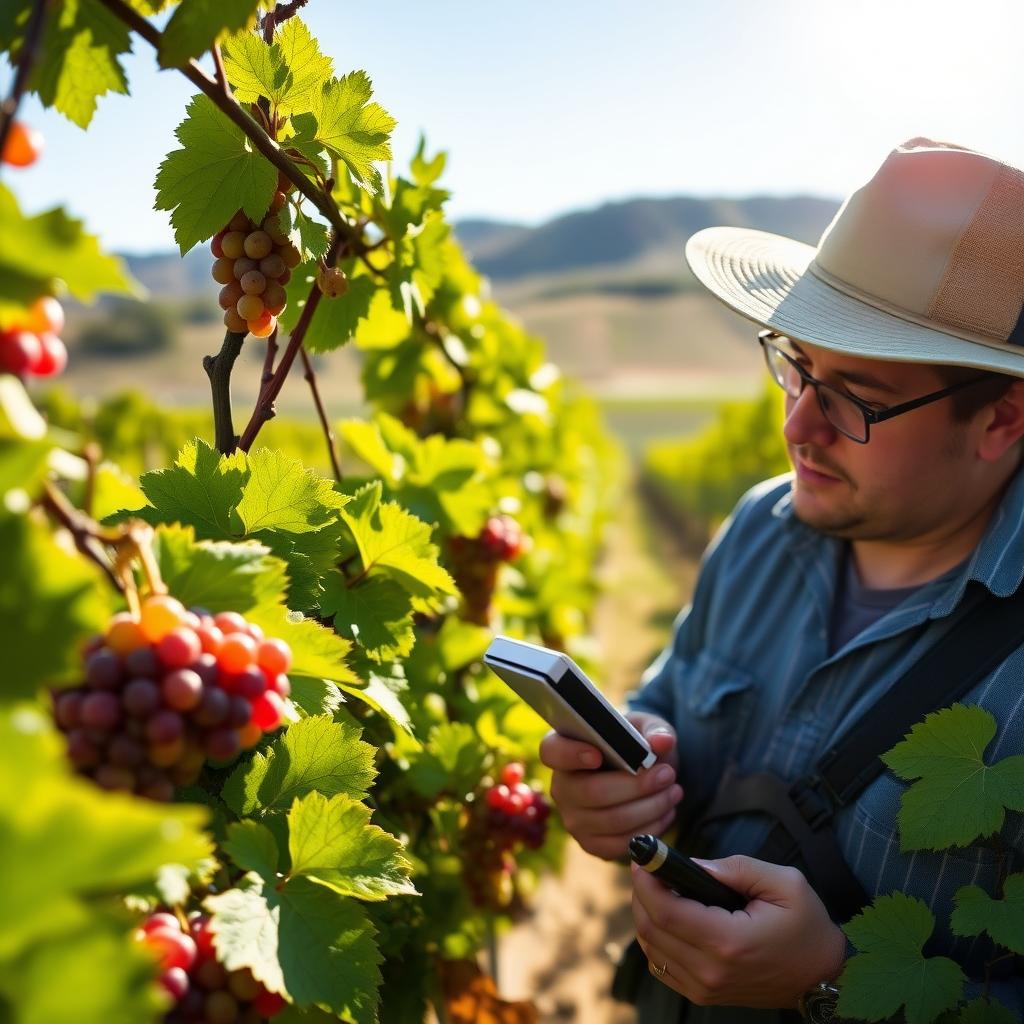
A Deeper Dive into Sonoma County Wines
Sonoma County is a hotspot for sustainable winemaking. Its diverse climate and soils make it ideal for growing high-quality grapes. Wineries here, including Jackson Family Wines, are embracing green practices to protect this unique region.
I remember sipping a crisp Chardonnay at a Sonoma tasting room, surrounded by vineyards that use regenerative agriculture. This practice goes beyond organic farming by actively improving soil health and sequestering carbon. Cover crops, no-till methods, and grazing animals like sheep help restore the land while producing exceptional wines.
Sonoma’s wineries also invest in lightweight bottles and recyclable packaging to reduce their environmental impact. These efforts make Sonoma County wines not only delicious but also a model for sustainability in the industry.
Jackson Family Wines Vineyards Locations
Jackson Family Wines operates multiple vineyards across Sonoma County and beyond. Key locations include: - Kendall-Jackson Vineyard Estates in Santa Rosa, known for its Chardonnay and sustainable practices. - La Crema Winery in Windsor, focusing on Pinot Noir and eco-friendly methods. - Stonestreet Estate Vineyards in Healdsburg, using regenerative agriculture in the Alexander Valley.
Each site is chosen for its unique terroir, but all share a commitment to sustainability. Visiting these vineyards, I was struck by how they blend tradition with innovation. Solar panels hum quietly in the background, while workers tend to vines using time-tested organic methods.

The Benefits of Sustainable Viticulture
Sustainable practices offer clear benefits for the environment, winemakers, and consumers. Here’s a quick breakdown: | Benefit | Description | |---------|-------------| | Environmental Health | Reduces chemical use, improves soil, and lowers carbon emissions. | | Wine Quality | Healthier vines produce grapes with richer flavors and authentic terroir. | | Economic Savings | Solar power and water conservation cut operational costs. | | Consumer Appeal | Eco-conscious buyers prefer sustainable wines, boosting brand loyalty. |
For example, wineries like Jackson Family Wines report energy cost savings of up to 40% from solar power. Consumers, meanwhile, feel good knowing their wine choice supports a healthier planet.
Challenges and Opportunities
Adopting sustainable practices isn’t without challenges. The transition to organic farming can take years and reduce yields initially. Small wineries may struggle with the upfront costs of solar panels or certification processes. Yet, the long-term rewards—lower costs, better wines, and consumer support—make it worthwhile.
Innovations like precision viticulture, using AI and drones to monitor vine health, are making sustainability more accessible. These tools help winemakers use resources efficiently, reducing waste while improving grape quality.
How You Can Support Sustainable Winemaking
As a wine lover, you can make a difference. Choose wines from certified organic or biodynamic vineyards. Look for eco-friendly packaging, like lightweight bottles or cans. Visiting sustainable wineries in Sonoma County is another great way to learn and support their efforts.
Next time you’re sipping a glass of Sonoma County Pinot Noir, think about the care that went into it—not just for taste, but for the planet. Sustainable viticulture is more than a trend; it’s the future of winemaking.
Summary
Sustainable practices in modern viticulture are transforming the wine industry. From organic farming to renewable energy, wineries like Jackson Family Wines are leading the way in Sonoma County and beyond. These efforts protect the environment, enhance wine quality, and meet growing consumer demand for eco-friendly products. By supporting sustainable wines, you’re helping shape a greener future.