Pairing Wine with Food: Tips and Tricks for a Perfect Match
Overview
Pairing wine with food can transform a good meal into a great one. The right wine enhances flavors, balances textures, and creates harmony on your palate. Whether you're hosting a dinner party or enjoying a quiet meal at home, understanding Pairing Wine with Food: Tips and Tricks makes all the difference. This guide shares practical advice, personal insights, and a focus on wines like Beringer Merlot to help you master the art of pairing.
Why Wine Pairing Matters
Wine and food are like dance partners—when they move in sync, the result is magical. A well-chosen wine can highlight a dish’s flavors, while a poor match can overwhelm or clash. I’ve sat through dinners where a bold Cabernet drowned out a delicate fish dish, and others where a crisp Sauvignon Blanc made a salad sing. The goal is balance, and it starts with understanding the basics of taste.
Taste is built on five components: sweet, sour, salty, bitter, and umami. Wine interacts with these, either complementing or contrasting. For example, a high-acidity wine like Pinot Grigio cuts through rich, creamy dishes, while a fruity Beringer Merlot softens the spice in a hearty stew. Knowing your dish’s dominant flavors is the first step to a great pairing.
Core Principles of Pairing Wine with Food
Here are some foundational tips to guide your wine and food pairings:
- Match Intensity: Pair bold wines with bold dishes and light wines with delicate ones. A heavy red like Cabernet Sauvignon suits a grilled steak, while a light Pinot Noir complements roasted chicken.
- Balance Acidity: High-acid wines (like Sauvignon Blanc) pair well with acidic foods like tomato-based dishes or citrusy salads.
- Consider Tannins: Tannic wines, like Beringer’s Cabernet Sauvignon, work well with fatty or protein-rich foods, as the tannins soften when paired with meats.
- Sweet with Heat: Sweet wines, like Riesling, tame spicy dishes by cooling the palate.
- Regional Pairings: Foods and wines from the same region often pair naturally. Think Chianti with Tuscan pasta or Bordeaux with French cheese.
These principles aren’t rigid rules. Experimentation is part of the fun. Once, I paired a Beringer Merlot with a spicy Mexican mole. The wine’s soft fruit notes balanced the dish’s heat, creating a surprising harmony. Don’t be afraid to try unexpected combinations!
Exploring Beringer Merlot: A Tasting Guide
Beringer, one of the most respected wine brands, offers a Merlot that’s a fantastic starting point for pairing. The Beringer Merlot tasting guide highlights its smooth texture, with notes of blackberry, plum, and a hint of cocoa. Its medium body and soft tannins make it versatile for many dishes.
Here’s a quick guide to pairing Beringer Merlot:
| Dish Type | Why It Works with Beringer Merlot |
|---|---|
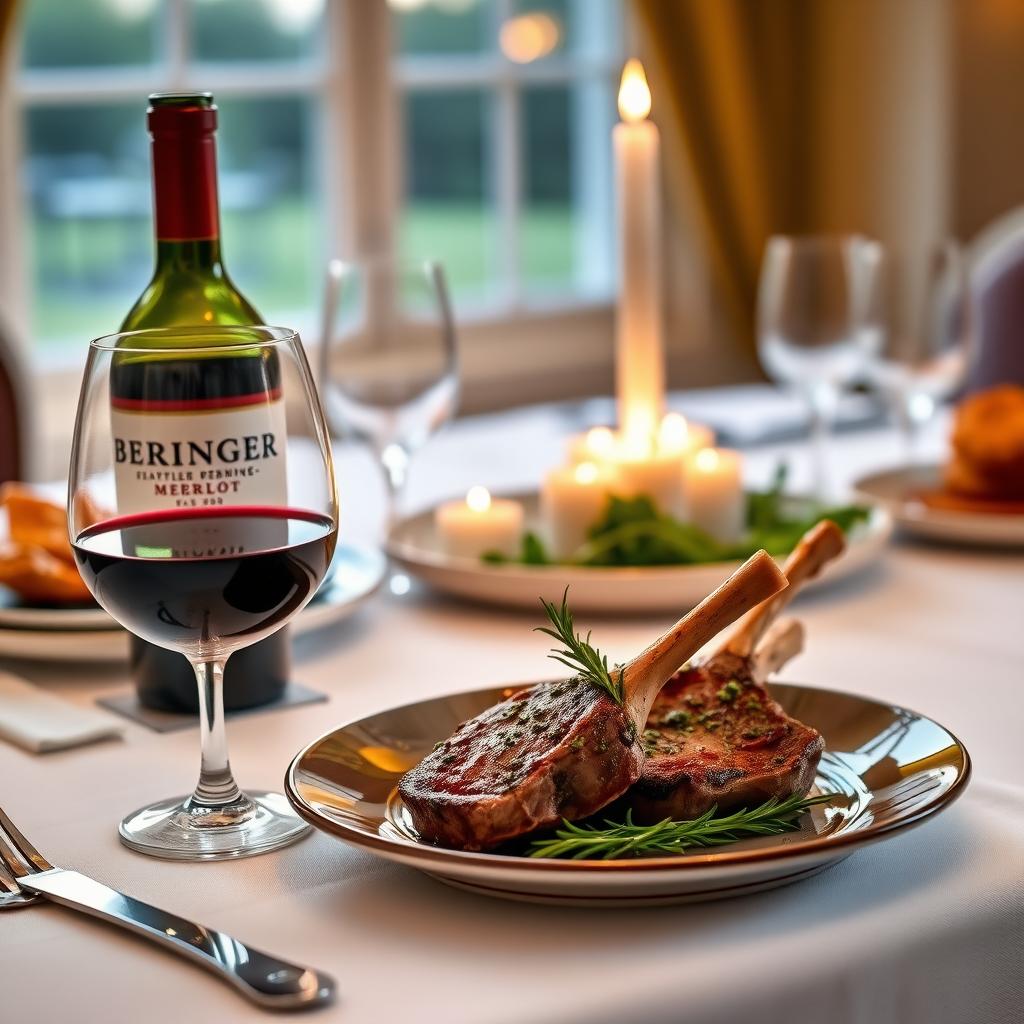
| Grilled Lamb | The wine’s fruitiness complements the meat’s richness. |
| Mushroom Risotto | Earthy mushrooms match the wine’s subtle cocoa notes. |
| Dark Chocolate Dessert | The wine’s plum notes enhance chocolate’s sweetness. |
I’ve found Beringer Merlot shines with dishes that have a touch of sweetness or earthiness. At a recent dinner, I served it with roasted pork tenderloin and a cherry reduction sauce. The wine’s fruit-forward profile elevated the dish, making every bite more vibrant.
Tips for Pairing Wine with Specific Cuisines
Different cuisines call for different approaches. Here’s how to pair wines with popular dishes:
Italian Cuisine
Italian food loves wine. A Sangiovese-based Chianti pairs beautifully with tomato-based pasta dishes due to its acidity. For creamy risottos, try a Chardonnay to match the richness.
Asian Cuisine
Spicy Asian dishes, like Thai curry or Szechuan stir-fry, pair well with off-dry wines like Gewürztraminer. The slight sweetness cools the heat. For sushi, a crisp Sauvignon Blanc enhances the fresh flavors.
American Comfort Food
Think burgers, mac and cheese, or barbecue. A Zinfandel or Beringer Merlot works here, as their bold fruit profiles stand up to smoky, savory flavors.
Desserts
Dessert wines like Port or Sauternes are classic with sweets. For chocolate-based desserts, Beringer Merlot’s cocoa notes make it a surprising but delightful match.
When I hosted a barbecue last summer, I paired a Beringer Merlot with smoked ribs. The wine’s smooth tannins cut through the fatty meat, and the fruit notes complemented the sweet barbecue sauce. Guests couldn’t stop raving about the combination!
Common Mistakes to Avoid
Pairing wine with food isn’t rocket science, but there are pitfalls to watch for:
- Overpowering the Dish: A heavy red wine can overwhelm light seafood. Stick to whites or rosés for delicate flavors.
- Ignoring the Sauce: The sauce often defines the dish’s flavor. A creamy sauce might call for Chardonnay, while a spicy one needs a Riesling.
- Sticking to One Wine: Don’t feel locked into one bottle for the whole meal. Switch wines to match each course.
I learned this the hard way at a dinner where I served a bold Syrah with a lemony chicken piccata. The wine’s intensity buried the dish’s bright flavors. Lesson learned: taste and adjust.

How to Experiment with Pairings
The best way to learn is by trying. Host a tasting party with friends, serving small portions of different dishes with various wines. Take notes on what works and what doesn’t. Online resources like Wine Folly (winefolly.com) offer great pairing charts to get started.
When experimenting, start with versatile wines like Beringer Merlot. Its balanced profile makes it a safe bet for testing new combinations. Over time, you’ll develop a knack for spotting great matches.
Summary
Mastering Pairing Wine with Food: Tips and Tricks is about understanding flavors, experimenting, and trusting your palate. Wines like Beringer Merlot, with its versatile profile, make it easy to create memorable meals. Whether you’re pairing with Italian pasta, spicy Asian dishes, or rich desserts, the right wine elevates every bite. Keep practicing, and you’ll soon be crafting pairings that impress every guest.