How Climate Shapes Wine: A Terroir Deep Dive
Overview
Wine is more than just a drink—it’s a story of the land. How Climate Shapes Wine: A Terroir Deep Dive explores how climate, soil, and human practices create each bottle’s unique flavor. From sunny hills to cool valleys, let’s uncover what makes wine special.
What Is Terroir and Why It Matters
Terroir is a French term that captures the essence of a wine’s origin. It’s the combination of soil, climate, topography, and human touch that gives wine its distinct character. Think of it as the personality of a vineyard, shaped by nature and nurture.
Climate plays a starring role in terroir. Temperature, rainfall, and sunlight affect how grapes grow and ripen. For example, cool climates produce crisp, acidic wines like Sauvignon Blanc, while warmer regions yield bold, fruity reds like Cabernet Sauvignon. According to a study from the University of California, Davis, temperature variations of just a few degrees can change a grape’s sugar and acid balance, altering the final wine.
But terroir isn’t just science—it’s magic. I remember visiting a vineyard in Bordeaux, where the winemaker pointed to a patch of gravelly soil. “This,” he said, “makes our Merlot silky.” That moment showed me how deeply land and wine are connected.
The Role of Climate in Wine Flavor
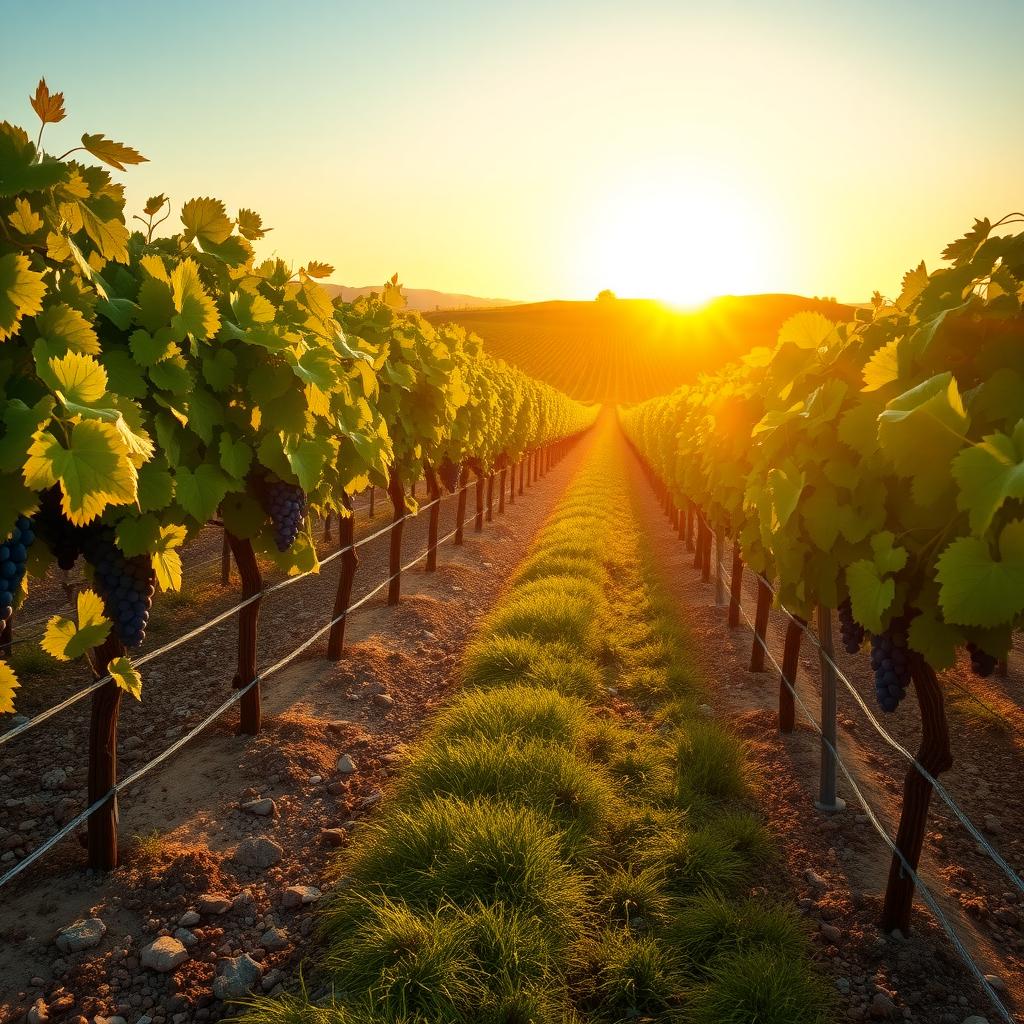
Climate shapes every sip of wine. Warm regions, like Napa Valley, produce grapes with higher sugar content, leading to richer, fuller-bodied wines. Cooler areas, like Germany’s Mosel Valley, create lighter, more delicate flavors with higher acidity. Rainfall also matters—too much can dilute flavors, while too little stresses vines, concentrating sugars.
Seasonal weather patterns add another layer. A hot summer might speed up ripening, creating jammy notes, while a cool, wet season can enhance minerality. For instance, a report by the International Organisation of Vine and Wine notes that climate change is shifting harvest dates earlier by up to two weeks in some regions, affecting flavor profiles.
Visiting a winery in Oregon’s Willamette Valley, I tasted two Pinot Noirs from the same vineyard but different years. The 2018 was bright and cherry-forward, thanks to a cool, steady season. The 2020, from a warmer year, was bolder with dark fruit notes. The winemaker explained how each year’s weather left its mark.
Soil and Topography: The Unsung Heroes
Soil is the backbone of terroir. Clay holds water, giving grapes steady hydration for balanced flavors. Limestone adds minerality, often described as a “chalky” taste. Sandy soils drain quickly, stressing vines to produce intense, concentrated grapes.
Topography also plays a role. Sloping vineyards catch more sun, ripening grapes faster. Flat plains might retain moisture, affecting grape size and flavor. In Tuscany, I walked a hillside vineyard where the winemaker showed how higher slopes produced more structured Sangiovese compared to the softer wines from the valley below.
Here’s a quick look at how soil types influence wine:
| Soil Type | Effect on Wine |
|---|---|
| Clay | Balanced, full-bodied wines |
| Limestone | Crisp, mineral-driven wines |
| Sand | Intense, concentrated flavors |
| Gravel | Silky, elegant textures |
Sustainability in Winemaking Explained
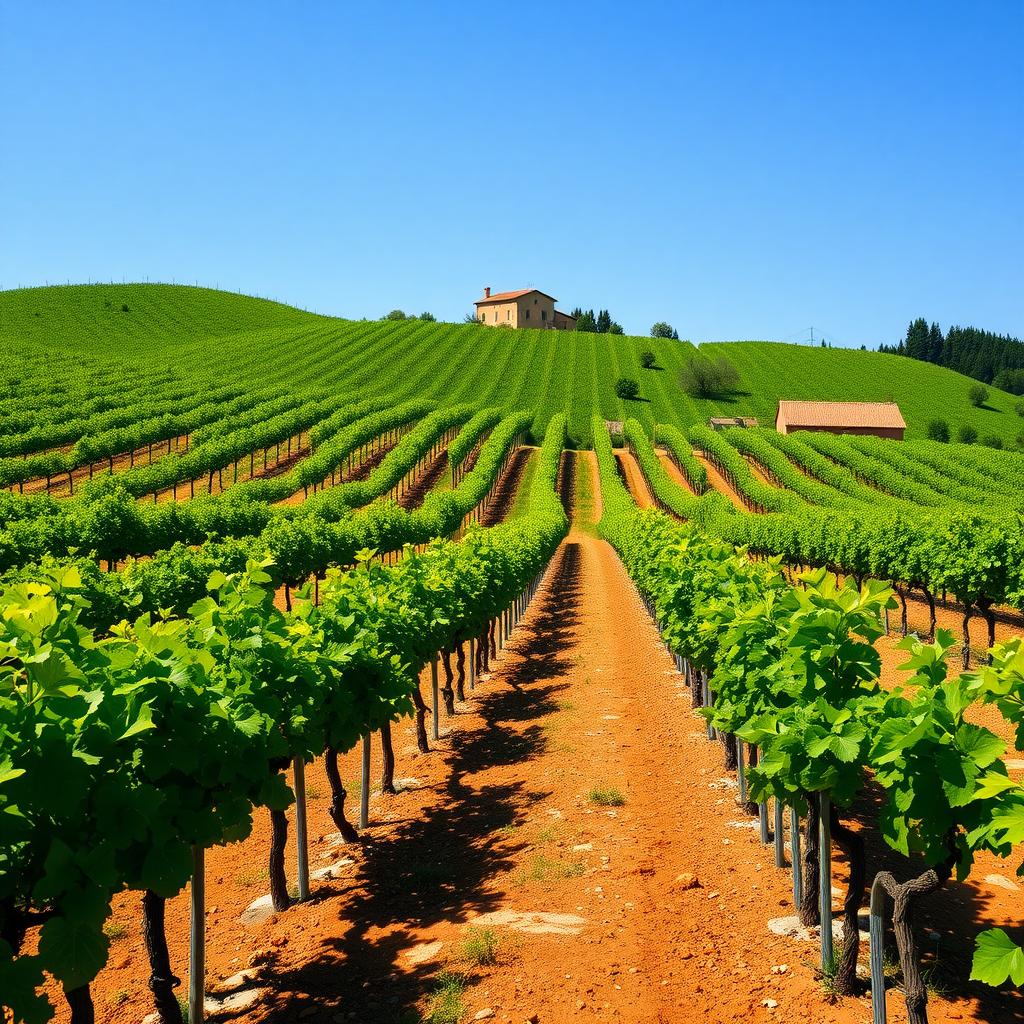
Sustainable winemaking enhances terroir by preserving the land. Practices like organic farming, water conservation, and renewable energy protect vineyards from climate stress. Jackson Family Wines: Organic Vineyard Secrets highlights how their California vineyards use cover crops to enrich soil and reduce erosion. These methods ensure the land stays healthy for future harvests.
Sustainability also responds to climate change. Rising temperatures can disrupt traditional terroir, pushing winemakers to adapt. Some use shade cloths to protect grapes from intense sun, while others plant heat-resistant grape varieties. A study from Cornell University shows that sustainable practices can reduce a vineyard’s carbon footprint by up to 30%.
I visited a sustainable winery in Sonoma where solar panels powered the tasting room. The winemaker explained how drip irrigation saved water while keeping vines healthy. Tasting their Chardonnay, I could sense the care put into the land—it was crisp, vibrant, and alive.
Human Influence on Terroir
While nature sets the stage, humans shape the performance. Winemakers decide when to harvest, how to ferment, and whether to age wine in oak. These choices amplify or soften terroir’s effects. For example, a winemaker might pick grapes early to preserve acidity in a hot year, maintaining the wine’s freshness.
Understanding Terroir: The Connection Between Land and Wine emphasizes that human decisions are part of terroir. In Rioja, Spain, I met a winemaker who used traditional foot-treading to gently extract flavors from Tempranillo grapes. The result was a wine that felt like the region—earthy, warm, and timeless.
Here are key human practices that influence terroir: - Harvest Timing: Early picking preserves acidity; late picking boosts sweetness. - Fermentation: Stainless steel tanks keep flavors fresh; oak barrels add spice and vanilla. - Vineyard Management: Pruning and trellising control grape yield and quality.
Challenges and Future of Terroir
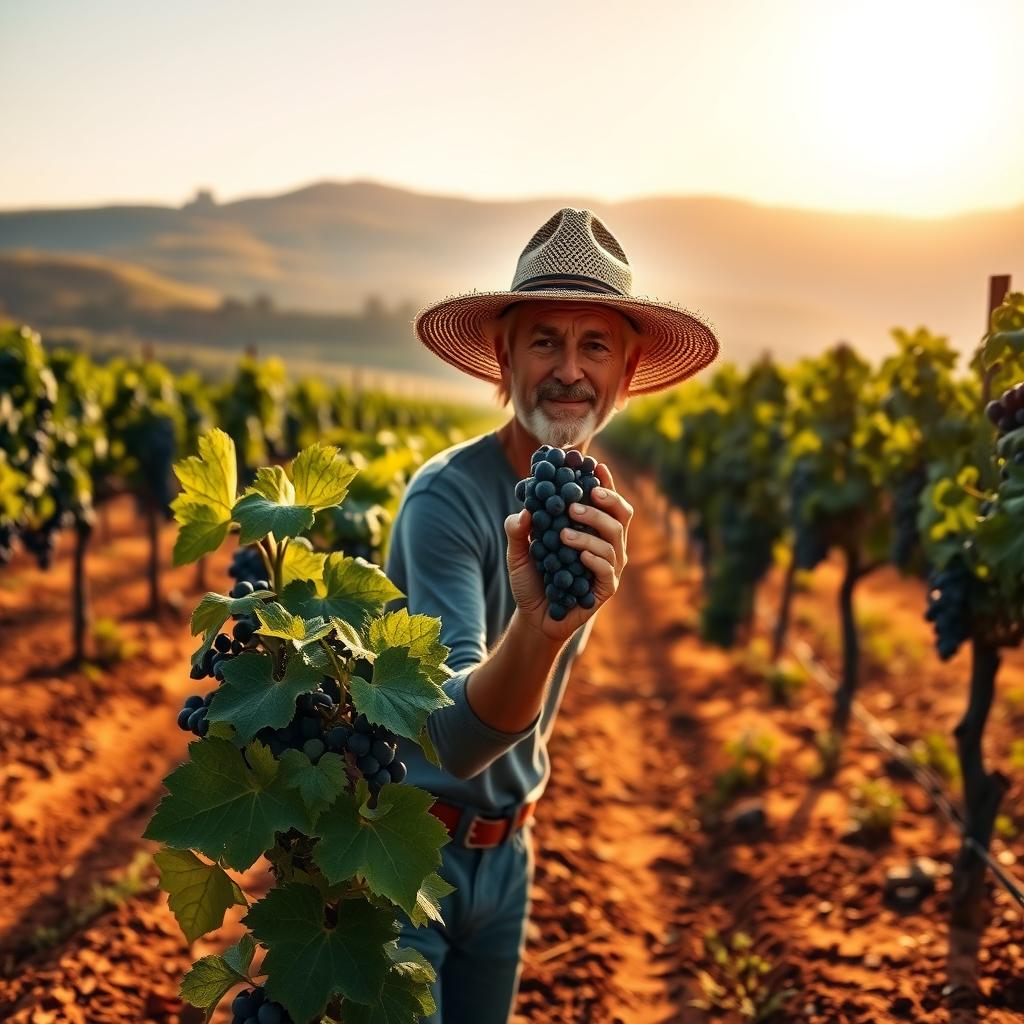
Climate change is terroir’s biggest challenge. Warmer temperatures and unpredictable weather threaten traditional wine regions. Some areas, like Bordeaux, are experimenting with new grape varieties to adapt. Others are moving vineyards to higher altitudes for cooler conditions.
Yet, challenges spark innovation. Winemakers are using technology, like weather-monitoring systems, to predict ideal harvest times. What Is Terroir and Why It Matters - Wine Spectator notes that preserving terroir requires balancing tradition with adaptation. The future of wine lies in respecting the land while embracing change.
On a trip to New Zealand, I saw this firsthand. A Marlborough winery used data-driven irrigation to combat drought, producing a Sauvignon Blanc that was as vibrant as ever. It was a reminder that terroir evolves, but its essence endures.
Summary
Terroir is the heartbeat of wine, blending climate, soil, and human care into every glass. From Bordeaux’s gravelly soils to Tuscany’s sunny hills, the land tells a story. Sustainable practices and innovation ensure terroir thrives despite challenges. Next time you sip wine, think of the land it came from—it’s a taste of the earth itself.