The History of Wine Awards: Who Decides the Best?
Wine awards have been a hallmark of excellence for centuries, guiding consumers to the finest bottles and celebrating the artistry of winemaking. From prestigious international competitions to local tastings, these accolades shape reputations and influence markets. But who decides which wines stand out? The History of Wine Awards: Who Decides the Best? uncovers the key players, processes, and stories behind these honors, with a special focus on Beringer wine awards and accolades, a brand synonymous with quality and innovation.
The tradition of judging wine dates back to ancient times. In medieval Europe, guilds and local authorities often evaluated wines to ensure quality for trade. By the 19th century, formalized competitions emerged, with events like the Paris Exhibition of 1889 awarding medals to standout producers. Beringer, one of America’s oldest wineries, earned a silver medal for its Riesling at this very event, marking an early milestone in its storied history. These early awards set the stage for modern wine competitions, where expertise and prestige collide to crown the best.
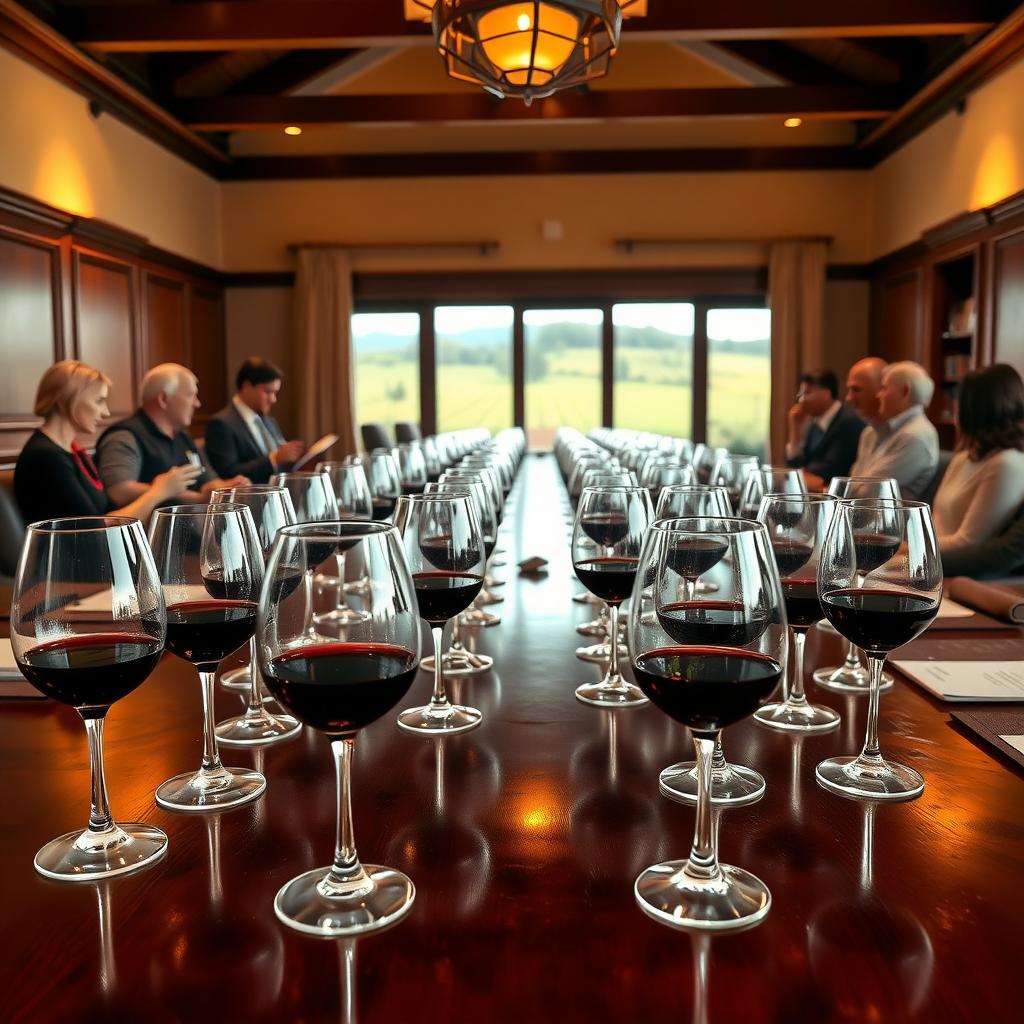
Today, wine awards are decided by a mix of critics, sommeliers, and industry experts. Panels often include Master Sommeliers, wine writers, and winemakers who bring diverse perspectives to the table. Organizations like Wine Spectator, Robert Parker’s Wine Advocate, and the International Wine Challenge play pivotal roles. These groups use blind tastings to ensure fairness, scoring wines on aroma, taste, and finish. For example, Wine Spectator’s annual Top 100 list, a benchmark for excellence, has twice named Beringer wines as 'Wine of the Year,' a rare feat for any winery. Learn more about Wine Spectator’s judging process.
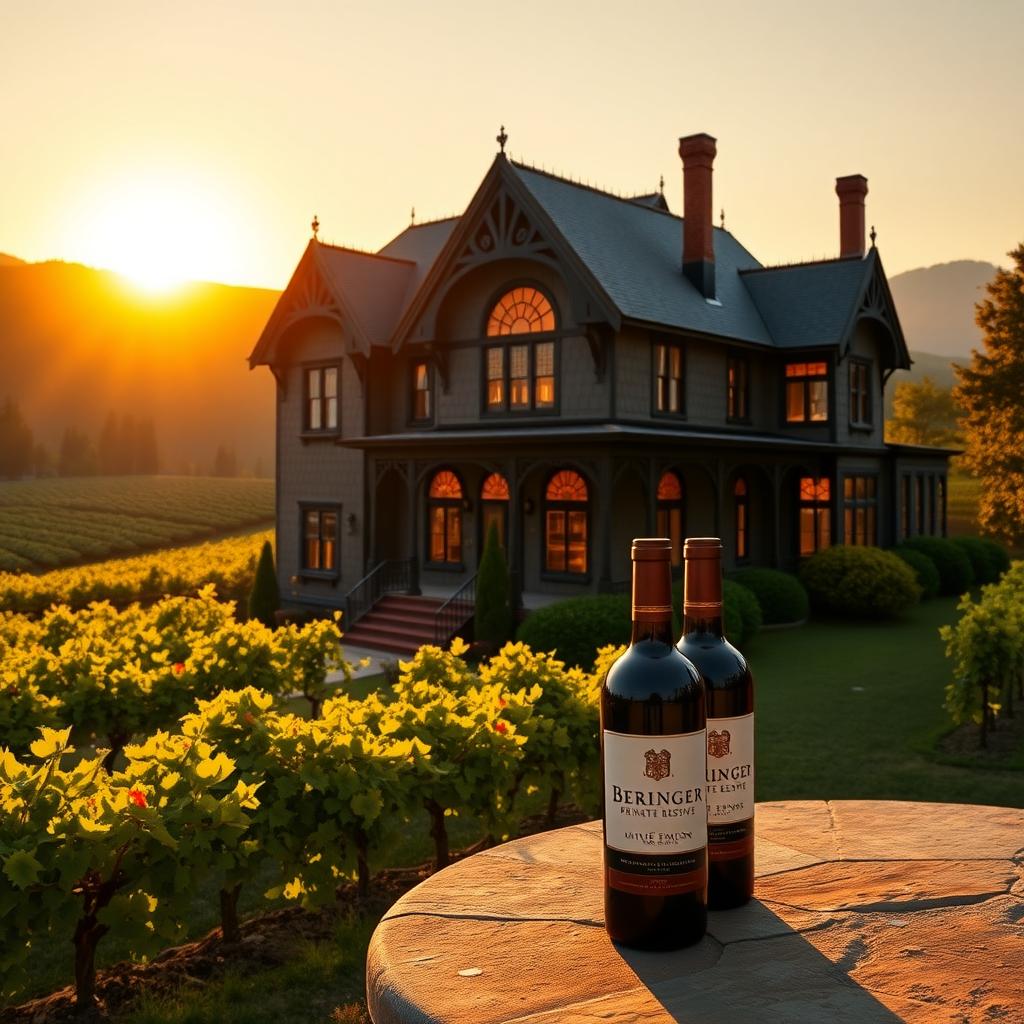
Beringer’s journey in the world of wine awards began in 1876 when brothers Jacob and Frederick Beringer founded their Napa Valley winery. Their vision was to craft wines rivaling Europe’s finest, and their success was swift. By 1887, Beringer wines were earning domestic awards, and the 1889 Paris Exhibition silver medal put them on the global stage. This early recognition laid the foundation for Beringer’s reputation as a leader among wine brands, a status it maintains today through consistent quality and innovation.
What makes Beringer stand out? Its commitment to excellence across its portfolio, from affordable Main & Vine labels to the prestigious Private Reserve collection. The Private Reserve Cabernet Sauvignon, for instance, has earned high praise, with vintages like the 1986 and 1994 named Wine Spectator’s 'Wine of the Year.' These accolades highlight Beringer’s ability to blend tradition with modern techniques, such as gravity flow systems and small-batch fermentation, ensuring each bottle reflects Napa Valley’s unique terroir. Explore Napa Valley’s winemaking heritage.
Wine awards aren’t just about taste—they’re about storytelling. Each bottle carries the legacy of its makers, from the vineyard to the cellar. Beringer’s awards reflect its history of resilience, especially during Prohibition, when Bertha Beringer kept the winery alive by producing sacramental wines and grape bricks. This ingenuity is celebrated in wines like Whisper Sister, a nod to Bertha’s resourcefulness. Such stories add depth to Beringer wine awards and accolades, making them more than just medals—they’re chapters in a legacy.
So, who are the key players in deciding the best wines? Critics like James Suckling and publications like Decanter magazine wield significant influence. Suckling, for instance, gave Beringer’s Knights Valley Cabernet Sauvignon 92 points, praising its 'elegant structure.' Competitions like the International Wine & Spirit Competition and Concours Mondial de Bruxelles also set global standards, awarding medals based on rigorous criteria. These experts and events shape consumer perceptions, guiding choices in a crowded market. Discover more about the International Wine & Spirit Competition.
The judging process itself is meticulous. Blind tastings eliminate bias, with wines identified only by number. Judges score based on clarity, aroma, balance, and finish, often using a 100-point scale. High scores, like the 95+ points frequently awarded to Beringer’s Private Reserve wines, signal exceptional quality. But the process isn’t without debate—some argue it favors bold, fruit-forward wines over subtle, terroir-driven ones. Still, the system has elevated brands like Beringer, whose consistency shines through.
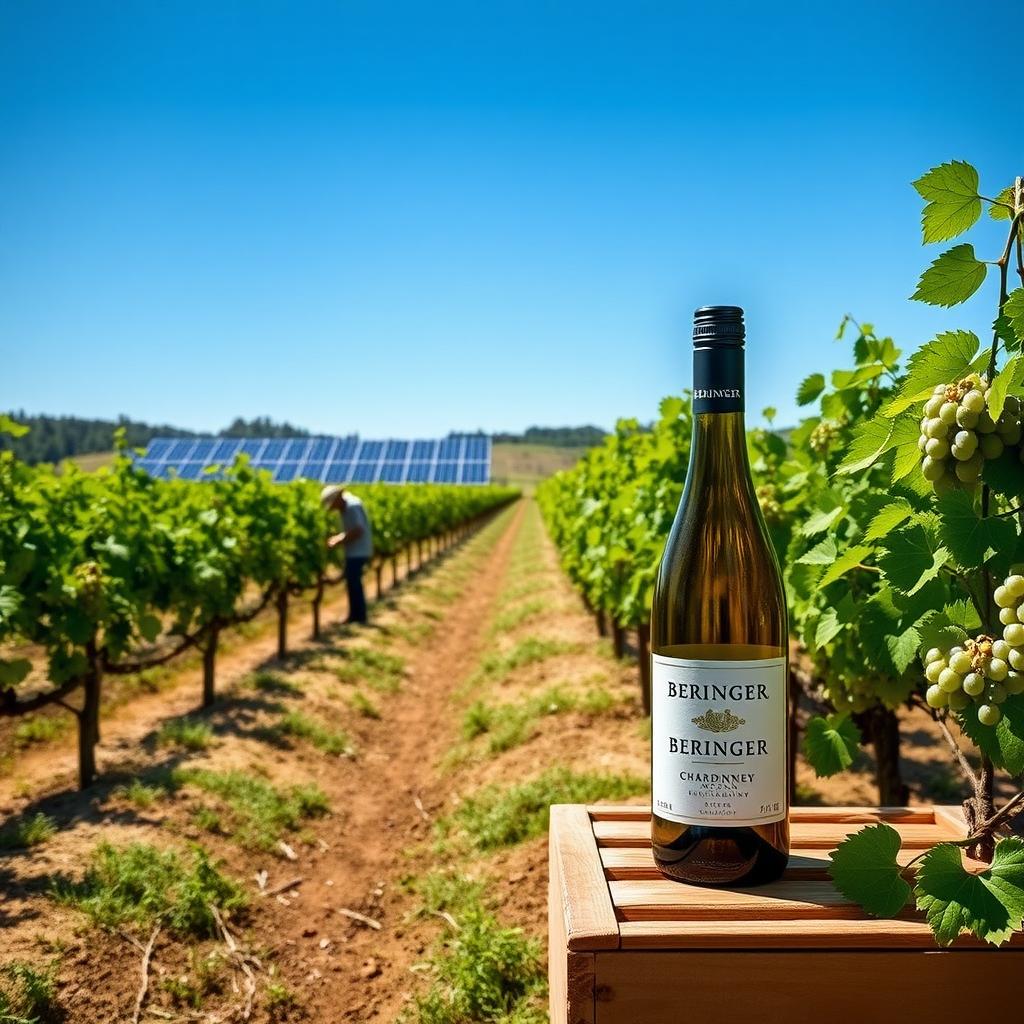
Beringer’s accolades extend beyond taste to sustainability. The winery’s eco-friendly practices, like water conservation and sustainable farming, have earned praise from industry bodies. These efforts align with modern consumer values, adding another layer to Beringer’s appeal. Awards for sustainability, while less common, are gaining traction, reflecting the industry’s shift toward environmental responsibility. Beringer’s ability to balance quality with innovation keeps it at the forefront of wine brands.
How do awards impact wine brands? For Beringer, they’ve driven both prestige and sales. The 1986 Private Reserve Cabernet Sauvignon’s Wine Spectator award boosted its global reputation, while recent high scores for wines like the 2019 Knights Valley Cabernet Sauvignon keep it relevant. Awards also guide consumers, signaling quality in a market with thousands of options. Yet, they’re not the whole story—personal taste matters just as much. A bottle’s score might catch your eye, but the true test is in the glass.
The history of wine awards is a blend of tradition and evolution. From 19th-century exhibitions to today’s global competitions, they’ve shaped how we perceive quality. Beringer’s journey, marked by consistent excellence and innovation, exemplifies this legacy. Whether you’re a casual sipper or a seasoned collector, understanding who decides the best—and why—enhances your appreciation of every pour.
Summary: The History of Wine Awards: Who Decides the Best? reveals the intricate world of wine judging, from ancient guilds to modern critics like Wine Spectator. Beringer wine awards and accolades, from its 1889 Paris Exhibition medal to Wine Spectator’s 'Wine of the Year' honors, underscore its enduring legacy. Experts, blind tastings, and rigorous criteria shape these awards, guiding consumers and celebrating craftsmanship. Explore more about wine brands and their stories to deepen your love for wine.