Jackson Family Wines Sustainability Report: Leading the Charge in Green Winemaking
Overview
Jackson Family Wines has set a high bar for sustainability in the wine industry. Their Rooted for Good: Roadmap to 2030 initiative, detailed in the Jackson Family Wines Sustainability Report, outlines bold goals to combat climate change, conserve resources, and promote social equity. This article dives into their innovative practices, what they mean for the future of winemaking, and how they align with the growing movement of sustainable winegrowing.
A Legacy of Stewardship
Founded in 1982 by Jess Jackson, Jackson Family Wines (JFW) has grown from a small California winery into a global leader with over 40 wineries across regions like California, Oregon, France, and Australia. From the start, the family embraced a multigenerational approach, prioritizing land health for future generations. Their sustainability journey began formally in 2008, when they started measuring greenhouse gas emissions, water use, and energy consumption. By 2015, they released their first comprehensive sustainability report, setting ambitious five-year goals. Most of those were achieved, paving the way for the Rooted for Good plan, a 10-year strategy launched in 2021 to tackle climate change head-on.
What makes JFW stand out is their commitment to action, not just promises. They’ve already reduced greenhouse gas emissions by 17.5% since 2015 and saved over 28 million gallons of water annually through innovative practices. Their efforts have earned them accolades like the 2020 Green Company of the Year from The Drinks Business and a 2016 California Green Medal Award. These achievements show that sustainability can drive both environmental and business success.
Key Pillars of the Rooted for Good Initiative
The Jackson Family Wines Sustainability Report outlines four main pillars: climate action, water management, land conservation, and social responsibility. Let’s break them down:
Climate Action
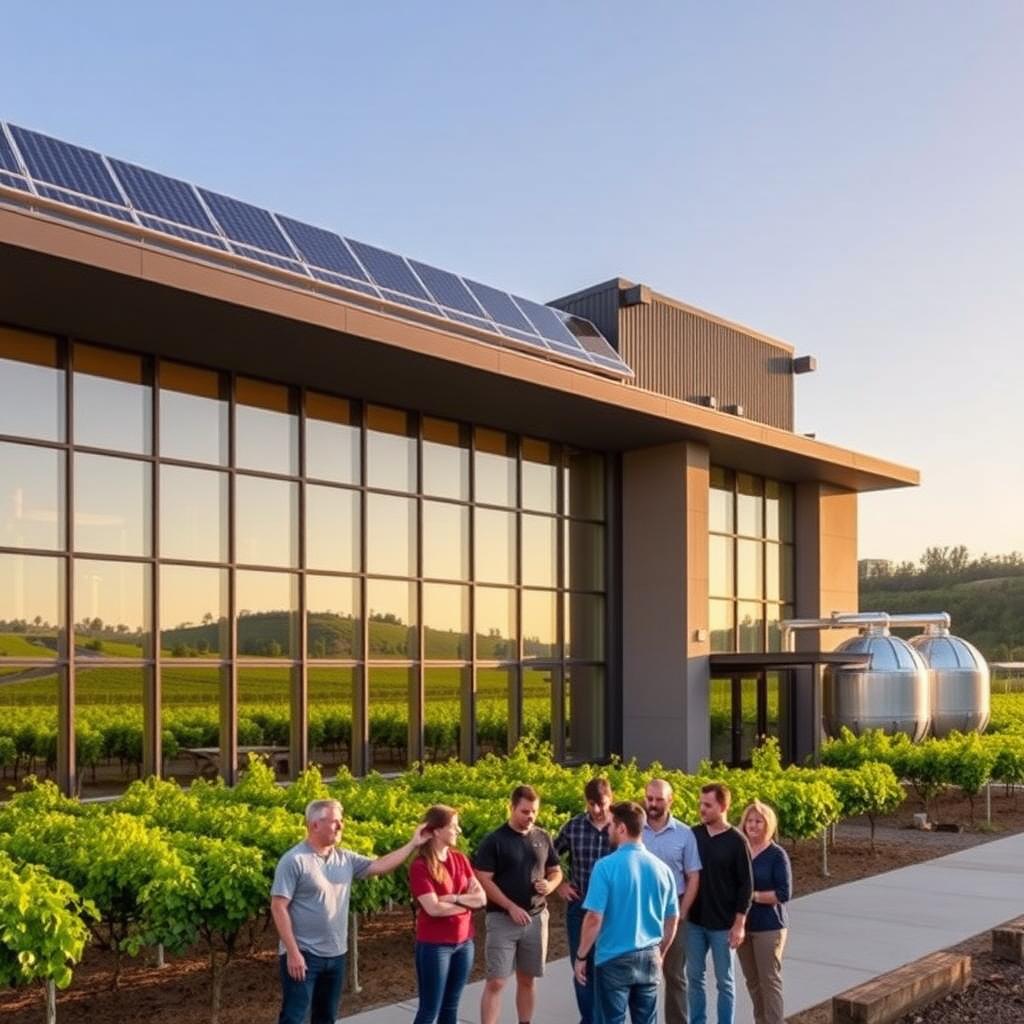
JFW aims to cut their carbon footprint by 50% by 2030 and become climate positive by 2050—meaning they’ll remove more carbon dioxide from the atmosphere than they emit, without relying on carbon offsets. They’ve already installed the U.S. wine industry’s largest solar array, with over 23,000 panels powering 30% of their operations. Plans for 2025 include adding a utility-scale wind turbine and floating solar arrays to reach 50% renewable energy use. This aligns with their leadership in the International Wineries for Climate Action (IWCA), a group they co-founded with Spain’s Familia Torres to drive global decarbonization in the wine industry.
Water Management
Water is critical in winemaking, but it’s a finite resource. JFW has saved over 28 million gallons annually through rainwater capture, recycling, and their Water Wise employee incentive program, which encourages creative conservation ideas. For example, they’ve implemented drip irrigation and restored local watersheds to recharge groundwater. These efforts not only conserve water but also reduce operational costs, proving that Sustainable Practices in Modern Winemaking can be both eco-friendly and profitable.
Land Conservation
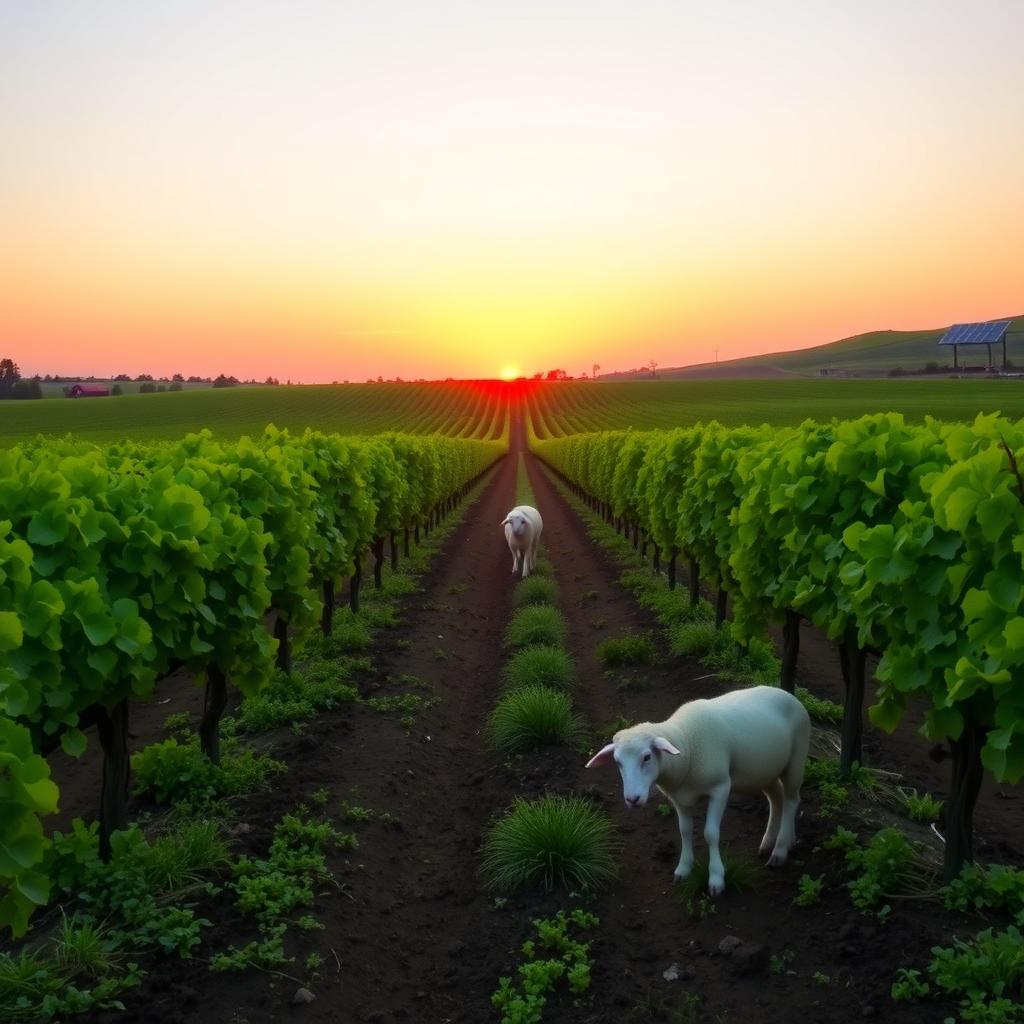
By 2030, JFW plans to transition all estate vineyards to regenerative agriculture, a practice that rebuilds soil health, boosts biodiversity, and sequesters carbon. They’ve already achieved organic certification for their Napa Valley vineyards and use cover crops and composting to enhance soil fertility. Grazing sheep for weed control is another practical step, reducing the need for synthetic herbicides. This focus on regenerative farming ties directly into Sustainable Winegrowing: A Practical Guide, showing how hands-on practices can improve both the environment and wine quality.
Social Responsibility
Sustainability isn’t just about the environment—it’s about people too. JFW has made strides in diversity, equity, and inclusion (DEI). Women hold 61% of winemaking roles and over 50% of leadership positions, far above the industry average of 10-14%. They’re also expanding outreach to historically Black colleges and increasing Latinx representation in management. Community engagement, like their partnership with the Urban Grape’s Wine Studies Award for Students of Color, underscores their commitment to a more equitable industry.
What’s Next for Green Winemaking?
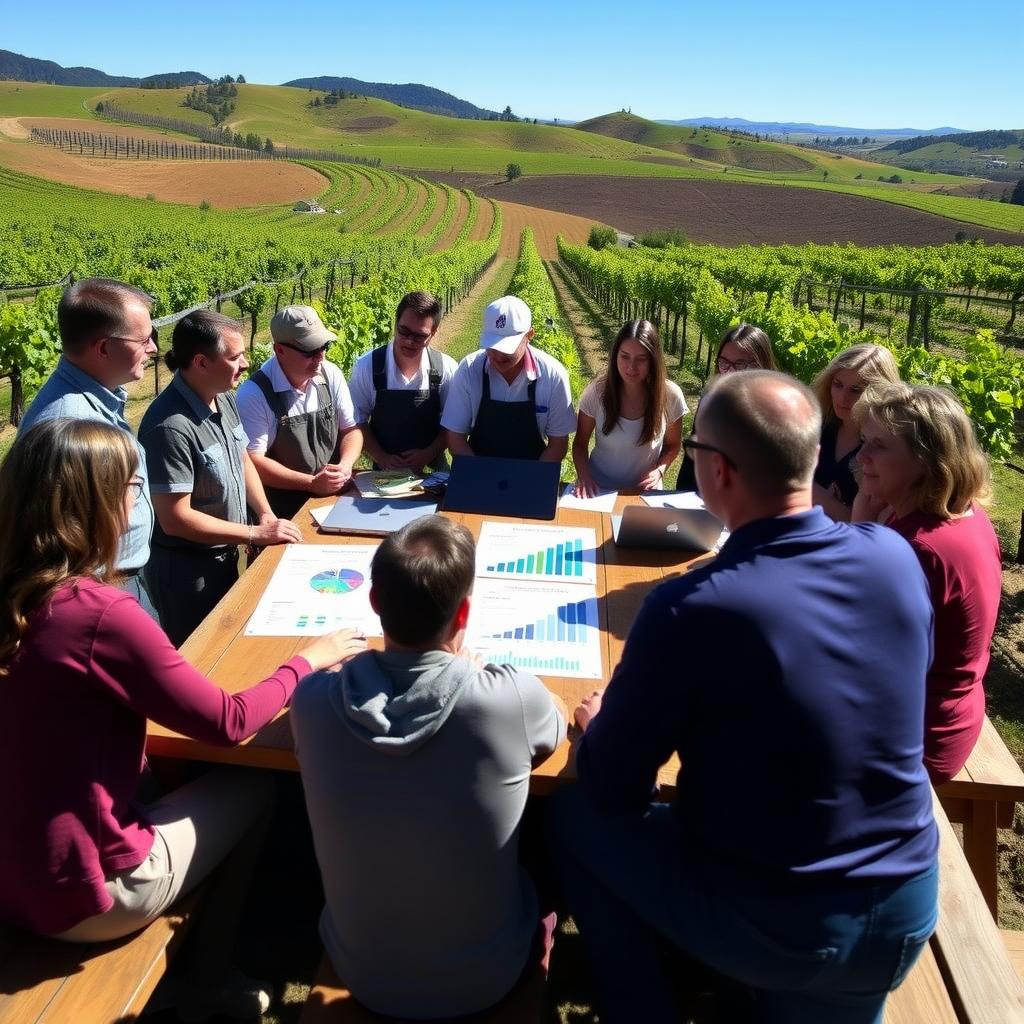
The Jackson Family Wines Sustainability Report isn’t just a roadmap for JFW—it’s a call to action for the entire wine industry. As climate change reshapes agriculture, winemakers face rising temperatures, unpredictable weather, and shifting growing seasons. JFW’s proactive approach, like planting vineyards in cooler regions such as the U.K., shows how adaptability can turn challenges into opportunities. Their Rooted for Good masterclasses, available on platforms like Eventbrite, educate the wine trade on carbon reduction, water management, and regenerative farming, fostering industry-wide change.
This aligns with The Rise of New World Wines: A Comprehensive Guide, which highlights how regions like California, New Zealand, and Argentina are leading in sustainability. JFW’s efforts mirror trends in places like Marlborough, New Zealand, where water-saving techniques are standard, or Mendoza, Argentina, with its solar-powered wineries. These regions prove that innovation doesn’t require centuries of tradition—just a willingness to experiment and invest in the planet.
Personally, I’ve always believed that wine tells a story of its land and people. Tasting a JFW Pinot Noir, knowing it comes from a vineyard that prioritizes soil health and renewable energy, adds depth to the experience. It’s not just about flavor—it’s about knowing the land will thrive for future generations. JFW’s transparency, through detailed reports and public seminars, makes it easy for consumers to support brands that align with their values.
Challenges and Opportunities
Sustainability isn’t without hurdles. Transitioning to regenerative farming requires upfront investment and retraining. Lightweight glass bottles, which JFW uses to reduce emissions, can be costlier to produce initially. Yet, JFW’s $26 million in savings from sustainability efforts shows the long-term payoff. Their collaboration with organizations like the California Sustainable Winegrowing Alliance provides a model for balancing environmental goals with economic viability.
For consumers, choosing sustainable wines means supporting wineries that prioritize the planet. Look for certifications like Certified California Sustainable Winegrowing (CCSW) or Napa Green on labels. These eco-labels, backed by third-party audits, ensure practices meet high standards. By making informed choices, wine lovers can drive demand for greener production, accelerating the industry’s shift.
Summary
Jackson Family Wines is redefining what it means to be a sustainable winery. Through their Rooted for Good initiative, they’re tackling climate change, conserving water, and fostering inclusivity while producing world-class wines. Their leadership sets a standard for What’s Next for Green Winemaking, showing that sustainability and quality go hand in hand. By sharing their journey through public reports and educational outreach, JFW invites everyone—producers and consumers alike—to join the movement for a greener future.