Comparing California’s Wine Regions: Napa vs. Sonoma
A Tale of Two Wine Regions
California’s wine country is a bucket-list destination for wine lovers, and at its heart lie Napa Valley and Sonoma County. These neighboring regions, just an hour’s drive from San Francisco, produce some of the world’s finest wines. But which one should you visit? Comparing California’s Wine Regions: Napa vs. Sonoma reveals distinct personalities, from Napa’s polished prestige to Sonoma’s laid-back charm. Let’s dive into what makes each region special, drawing from my own visits to their vineyards and tasting rooms.
Napa Valley: The Star of California Wine
Napa Valley is synonymous with luxury and world-class Cabernet Sauvignon. Spanning just 30 miles long and a few miles wide, this compact region packs a punch with over 400 wineries. Its warm days, cool nights, and diverse soils create ideal conditions for bold, age-worthy reds. During a visit to Stag’s Leap Wine Cellars, I tasted their iconic Cabernet, which stunned the world at the 1976 Judgment of Paris, proving Napa’s wines could rival Bordeaux’s best.
Napa’s wineries lean toward opulence. Many, like Castello di Amorosa, offer castle-like estates with guided tours and premium tastings. Expect to pay $40-$100 for tastings, often requiring reservations. The region’s focus on quality over quantity means you’ll find fewer budget options, but the experience feels curated and exclusive. Napa’s main road, Highway 29, can get congested, but the tradeoff is easy access to iconic estates like Robert Mondavi and Opus One.
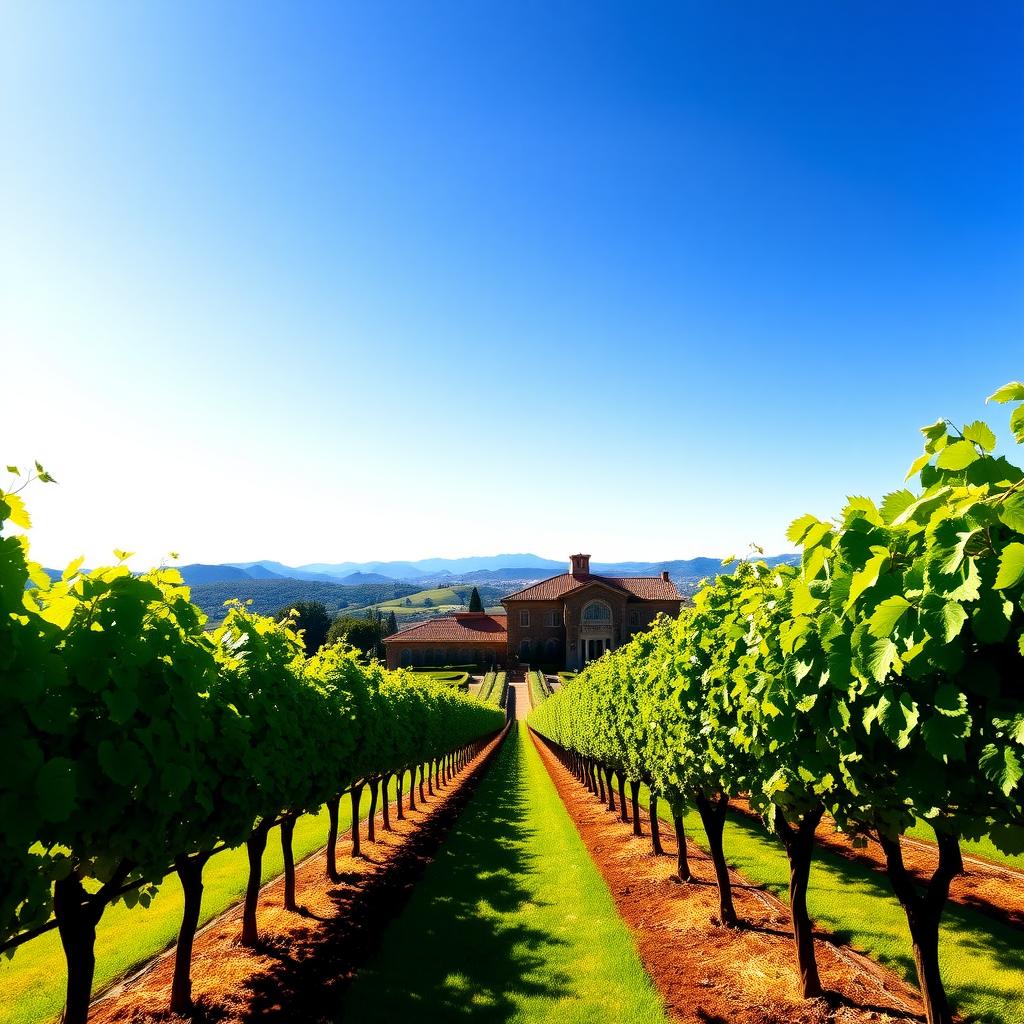
Sonoma County: Diversity and Rustic Charm
Sonoma County, sprawling across 1,768 square miles, offers a more relaxed and diverse wine scene. With 18 distinct American Viticultural Areas (AVAs), Sonoma grows over 60 grape varieties, from cool-climate Pinot Noir in the Russian River Valley to robust Zinfandel in Dry Creek Valley. On a visit to Buena Vista Winery, California’s first premium winery founded in 1857, I sipped a silky Pinot Noir while strolling through historic caves, soaking in Sonoma’s deep vintner heritage.
Sonoma’s wineries feel approachable, often family-owned, with tasting fees ranging from $20-$50, sometimes waived with a purchase. Walk-ins are more common here, and the vibe is casual—think picnic tables and chats with winemakers. Sonoma’s size means more driving between wineries, but the scenic routes through redwood-lined valleys make it worthwhile. The region also embraces farm-to-table dining, with many wineries pairing wines with local cheeses or olive oils.
Exploring California’s Vintner Heritage Through Local Wineries
Both regions showcase California’s rich winemaking history, but their approaches differ. Napa’s heritage is tied to its rise as a global wine powerhouse, with pioneers like Charles Krug and Beringer setting the stage. Sonoma, however, claims the title of California’s wine birthplace, with vines planted by Spanish missionaries in the early 1800s. Visiting Kendall-Jackson in Sonoma, part of the Jackson Family Wines portfolio, I learned how their sustainable practices, like solar energy and water conservation, honor the land while producing award-winning Chardonnays.
Table: Napa vs. Sonoma at a Glance
| Feature | Napa Valley | Sonoma County |
|---|---|---|
| Size | 30 miles long, 5 miles wide | 1,768 square miles |
| Wineries | Over 400 | Over 425 |
| Signature Grapes | Cabernet Sauvignon, Chardonnay | Pinot Noir, Zinfandel, Chardonnay |
| Tasting Fees | $40-$100 | $20-$50 |
| Vibe | Luxurious, polished | Relaxed, rustic |
| Accessibility | Congested, easy to navigate | Spread out, scenic drives |
This table highlights the practical differences, but the real magic lies in the experience. Napa feels like a red-carpet event; Sonoma is a backyard barbecue with gourmet flair.
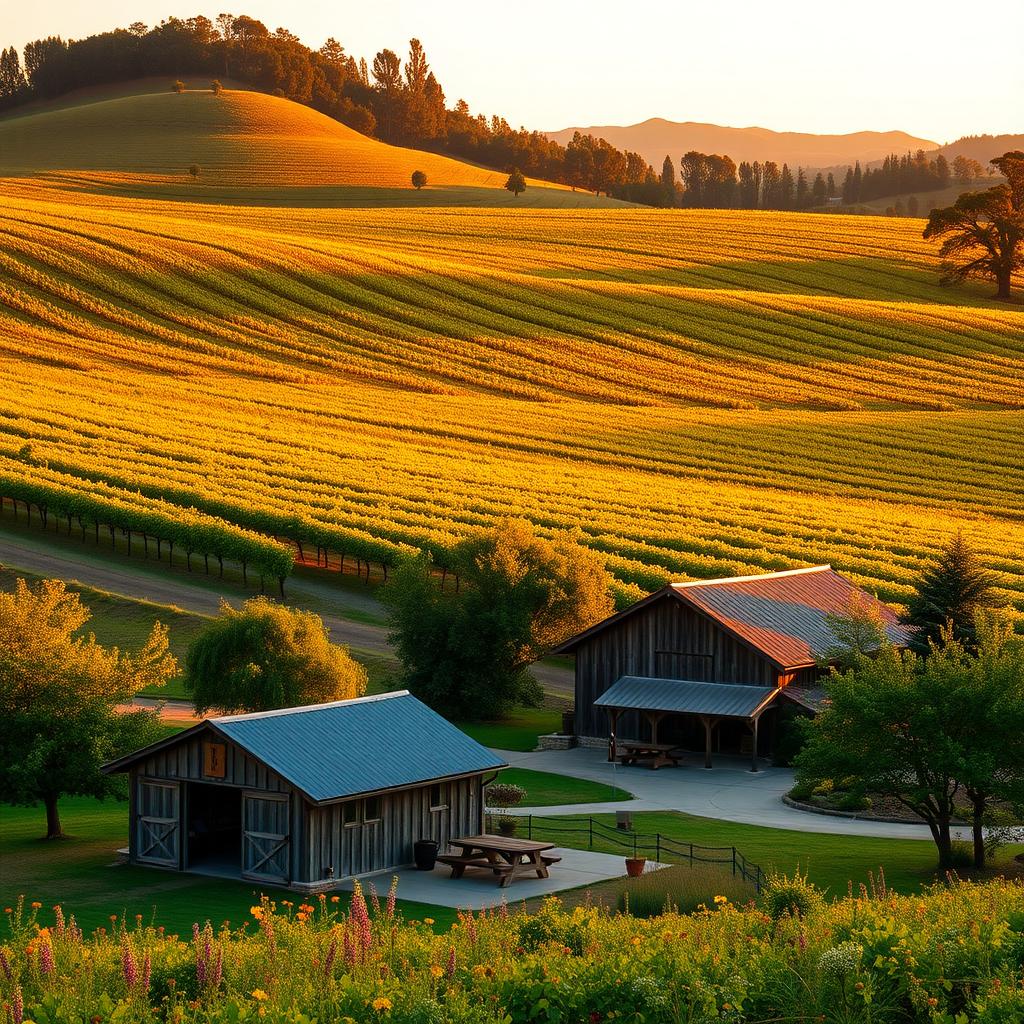
Jackson Family Wines vs. Other Wine Brands
When exploring California’s vintner heritage, Jackson Family Wines stands out in both regions. Founded in 1982 by Jess Jackson, this family-owned company owns over 40 brands, including Kendall-Jackson and La Crema in Sonoma, and Cardinale in Napa. Their focus on estate-grown grapes and sustainable practices sets them apart. Tasting their Vintner’s Reserve Chardonnay at Kendall-Jackson, I was struck by its crisp pear and caramel notes, a testament to their meticulous winemaking.
Compared to other wine brands like E&J Gallo or Robert Mondavi, Jackson Family Wines emphasizes artisanal quality over mass production. While Gallo dominates with volume and Mondavi with prestige, Jackson’s portfolio offers diversity, from Sonoma’s La Crema Pinot Noir to Napa’s Lokoya Cabernet. However, smaller boutique wineries, like Littorai in Sonoma or St. Supéry in Napa, provide more intimate experiences, often with unique varietals like Chenin Blanc or orange wines. Choosing between them depends on whether you prioritize legacy or discovery.
Which Region Suits You?
Deciding between Napa and Sonoma depends on your vibe. Napa is perfect for those seeking a polished, high-end experience with bold Cabernet Sauvignon. It’s ideal for short trips, as wineries are close together, but plan for higher costs and reservations. Sonoma suits travelers craving variety, affordability, and a laid-back atmosphere. Its sprawling geography rewards those who love scenic drives and spontaneous stops.
Tips for Visiting Napa and Sonoma - Napa: Book tastings in advance, especially at estates like Opus One. Consider a private driver to avoid navigating Highway 29’s traffic. Pair your visit with a meal at a Michelin-starred restaurant like The French Laundry. - Sonoma: Explore smaller AVAs like Russian River Valley for Pinot Noir. Bring a picnic to enjoy at family-friendly wineries like Francis Ford Coppola. Check out Healdsburg for trendy dining and boutique shopping. - Both: Visit in spring or fall for mild weather and fewer crowds. Look for sustainable wineries certified by programs like California Sustainable Winegrowing.
My favorite memory? Sipping Zinfandel at a Sonoma picnic table, chatting with a winemaker about his craft, then savoring a Napa Cabernet in a chandelier-lit tasting room. Both regions offer unforgettable moments—it’s about finding your flavor.

Summary
Napa Valley and Sonoma County each bring something unique to California’s wine scene. Napa dazzles with its prestigious Cabernet Sauvignon and luxurious estates, while Sonoma captivates with diverse varietals and a relaxed, rustic vibe. Whether you’re drawn to Jackson Family Wines’ legacy or the charm of boutique wineries, both regions promise memorable experiences. Plan your visit based on your taste—opulence or authenticity—and you can’t go wrong.