Rooted for Good: Jackson Family Wines' Bold Roadmap to Sustainable Winemaking by 2030
A Quick Look at Rooted for Good
Jackson Family Wines has unveiled Rooted for Good: A Roadmap to 2030 – a game-changing plan to make winemaking kinder to the planet. Launched in 2021, this initiative targets halving carbon emissions by 2030 and going climate positive by 2050, all without buying offsets. It's about real change in the vineyards and beyond, blending environmental smarts with top-notch wines.
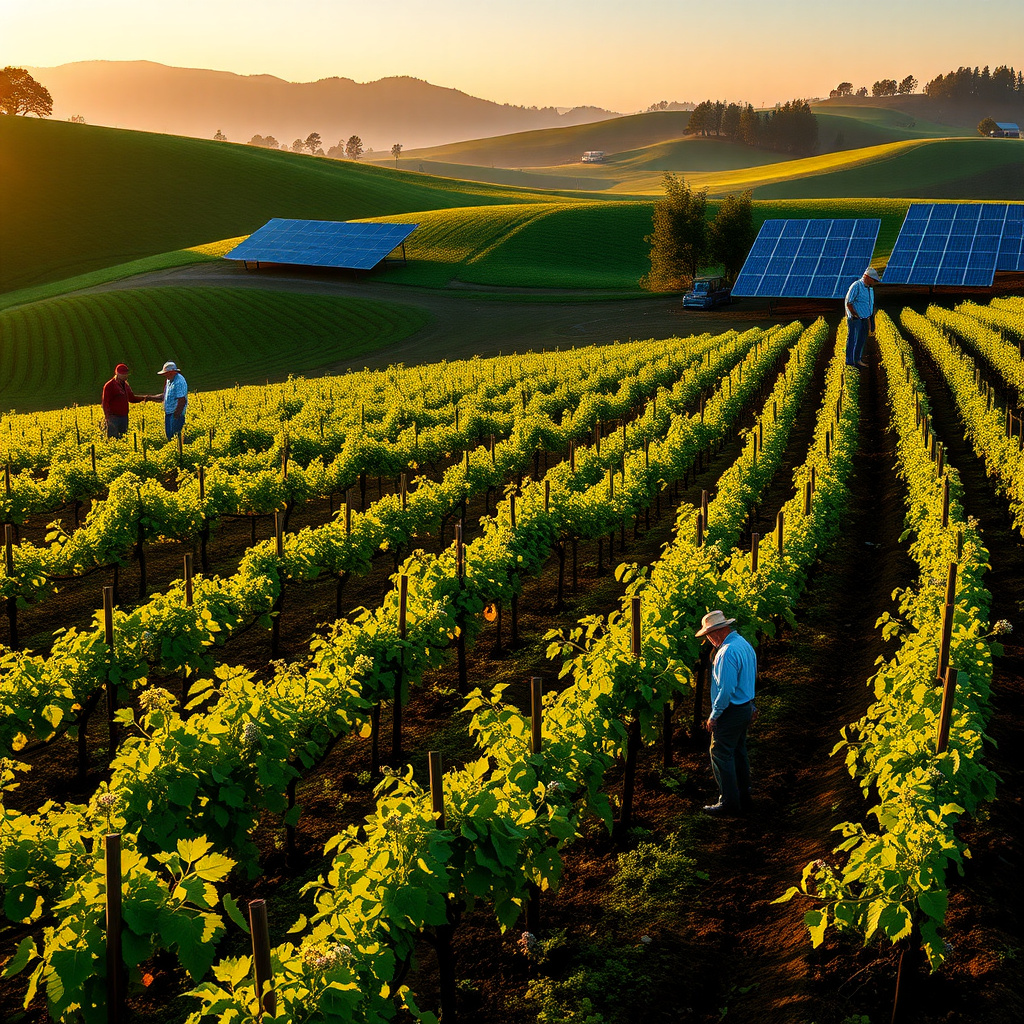
I've always believed that great wine starts with the land. That's why Rooted for Good: A Roadmap to 2030 - www.jacksonfamilywines.com/rooted-for-good caught my eye right away. Jackson Family Wines, a powerhouse in the industry, isn't just talking sustainability—they're living it. With over 40 wine brands under their umbrella, from Kendall-Jackson to La Crema, they're proving that delicious bottles and a healthy planet can go hand in hand.
Let me share a bit about my first encounter with their approach. A few years back, I visited one of their Sonoma estates. The air smelled fresh, the soil felt alive underfoot, and the vines looked vibrant without a hint of chemical overload. It wasn't some polished tour; it was real work in action. That experience stuck with me, especially now as I dive deeper into their 2030 vision.
The Heart of Sustainable Winemaking Practices at Jackson Family Wines
At its core, Sustainable Winemaking Practices at Jackson Family Wines focus on three big pillars: people, planet, and prosperity. They call it a holistic roadmap, and honestly, it feels that way. No buzzwords here—just practical steps that any wine lover can appreciate.
Take their environmental goals. By 2030, they aim to slash greenhouse gas emissions by 50%. How? Through smarter farming and energy use. They've already shifted to renewable sources like solar power across many sites. And regenerative agriculture? It's a star player. This means planting cover crops to build soil health, reducing tilling to keep carbon locked in the ground, and fostering biodiversity with native plants.
I remember chatting with a vineyard manager there who explained it simply: 'We're not fighting the land; we're working with it.' That mindset shift is powerful. For more on how these soil-boosting techniques fight erosion and boost resilience, check out this USDA guide on grape growing sustainability, which highlights cover cropping's role in healthier soils.
Water conservation hits close to home in drought-prone California. Jackson Family Wines commits to cutting water use by 30% per ton of grapes by 2030. They're installing drip irrigation, recycling winery wastewater for vineyards, and even experimenting with fog nets in coastal spots to capture moisture from the air. These aren't flashy ideas—they're necessities that pay off in fuller, more flavorful grapes.
On the social side, they're investing in their teams. Fair wages, diversity training, and community programs ensure that the people behind the wines thrive. It's refreshing to see a big player prioritize this, especially when Jackson Family Wines wine reviews often rave about the human touch in their bottles.

Spotlight on Jackson Family Wines' Iconic Brands
Speaking of those reviews, let's talk tastings. Jackson Family Wines boasts a lineup that spans casual sippers to cellar-worthy gems. Take Kendall-Jackson Vintner's Reserve—it's a crowd-pleaser with its ripe fruit and smooth finish, earning consistent 90+ scores from critics. Or La Crema's Monterey Pinot Noir, which dances with cherry notes and earthy undertones, perfect for a cozy evening.
But what ties these wine brands together? Their roots in sustainability. Many come from certified organic or biodynamic vineyards, where practices like no-till farming enhance terroir expression. I've poured these at dinners, and guests always ask, 'What's the secret?' Now, I point them to the roadmap.
For a deeper dive into balanced viticulture, the EPA's insights on climate adaptation for California grapes show how resilient varieties and water-smart methods—like those at Jackson—combat warming trends.
| Brand | Key Notes from Reviews | Sustainable Highlight |
|---|---|---|
| Kendall-Jackson Chardonnay | Buttery oak, tropical fruit; 92/100 avg. | Solar-powered production |
| La Crema Pinot Noir | Silky texture, red berry burst; 91/100 | Regenerative soil practices |
| Hartford Court Zinfandel | Bold spice, dark fruit; 93/100 | Biodiversity-focused farming |
| Siduri Willamette Pinot | Elegant, floral; 90/100 | Low-intervention winemaking |
This table scratches the surface, but it shows how Jackson Family Wines wine reviews align with their eco-commitments. Each sip supports a bigger story.
Personal Insights: Why This Matters to Everyday Wine Lovers
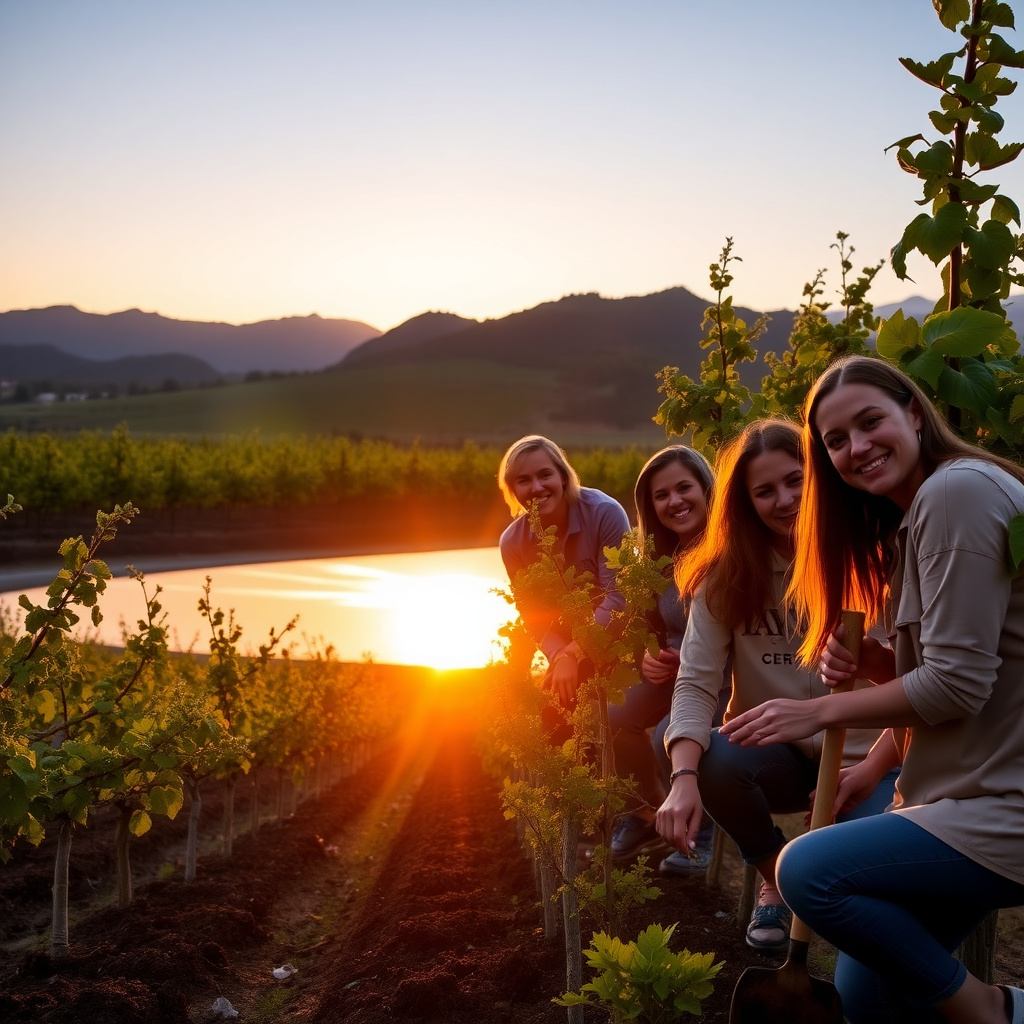
As someone who's chased sunsets in Napa and swirled glasses in quiet cellars, I see Rooted for Good as more than corporate goals—it's a blueprint for joy. Imagine harvesting grapes knowing your efforts heal the earth. Or uncorking a bottle that tastes like progress.
One actionable tip from their playbook: Start small at home. Plant a cover crop in your garden or choose low-water plants. It mirrors their vineyard tricks and connects you to the land. And for technical backing, Rutgers University's work on energy-efficient winery tech proves these swaps cut costs and emissions without sacrificing quality.
Their progress report? Impressive. Since 2021, they've reduced emissions by 15% already and converted 20% of acreage to regenerative methods. By 2030, they plan full transparency with annual audits—holding themselves accountable in a way that builds trust.
- Regenerative Farming Wins: Boosts yields by 10-15% over time, per internal data.
- Water Savings: Drip systems alone save 20% more than traditional methods.
- Social Impact: Over 500 community grants awarded since launch, focusing on education and equity.
These bullets aren't just stats; they're proof of thoughtful action.
Challenges and the Road Ahead
No path is smooth. Climate shifts bring erratic weather, and scaling sustainability across global sites tests resolve. Yet, Jackson Family Wines tackles this head-on. They're partnering with universities for resilient grape trials and sharing best practices industry-wide.
From my view, their transparency sets them apart. Unlike vague greenwashing, Rooted for Good lays out measurable milestones. For evidence on long-term benefits, Cornell's sustainable winery programs echo this: Practices like theirs future-proof the industry against environmental hits.
As we edge toward 2030, expect more innovations—like AI-monitored irrigation or carbon-sequestering packaging. It's exciting, and it makes every glass feel purposeful.
Wrapping It Up: A Toast to Tomorrow
Rooted for Good: A Roadmap to 2030 isn't just a plan—it's a promise from Jackson Family Wines to craft wines that nourish body and earth. Through Sustainable Winemaking Practices at Jackson Family Wines, they're blending tradition with forward-thinking care, resulting in wine brands that earn rave Jackson Family Wines wine reviews while treading lightly.
Whether you're a casual sipper or a collector, this initiative invites us all to savor responsibly. Raise a glass to vineyards that give back—here's to a greener 2030.