Organic Vineyards: A Closer Look at Jackson Family Wines
A Quick Overview
Imagine strolling through lush vineyards where grapes grow without chemicals, surrounded by buzzing bees and diverse plants. That's the world of Jackson Family Wines. In this article, we dive into their organic vineyards, sustainable wins, and why they matter. Get ready for stories from the soil to the glass—about 30 words of pure vineyard magic.
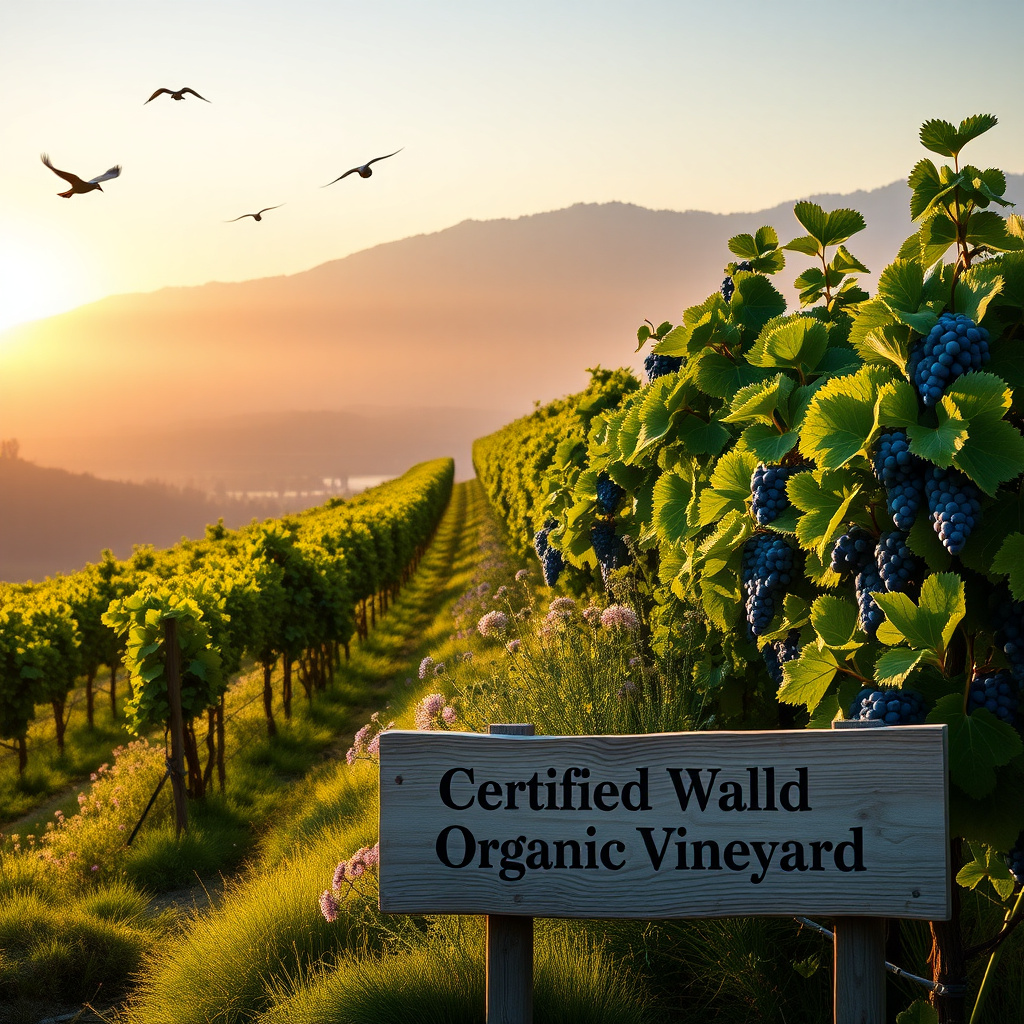
Jackson Family Wines has roots in Sonoma County, starting with a small dream in the 1980s. Today, they own over 40 brands worldwide. But what sets them apart? Their push toward organic vineyards. In 2023, they certified all their Napa Valley estate vineyards as organic through CCOF. That's 480 acres of chemical-free land, making them Napa's third-largest organic grower.
I remember my first visit to one of their properties. The air smelled fresh, like earth after rain. No harsh sprays—just nature doing its thing. This isn't just farming; it's a promise to the land.
Jackson Family Wines: Leading the Way in Eco-Winemaking
Think of winemaking as a family recipe passed down, but with a green twist. Jackson Family Wines doesn't just talk sustainability—they live it. Their 'Rooted for Good' plan aims to halve carbon emissions by 2030 and go climate-positive by 2050. No offsets needed; it's all in-house effort.
They power half their wineries with onsite solar. Water? Smart tech tracks every drop. And grapes? 85% come from certified sustainable sources. These steps cut waste and boost flavor. Cleaner soil means better grapes, after all.
One actionable tip: If you're planting a home garden, mimic this. Skip synthetic fertilizers. Use compost instead. Your veggies—and the planet—will thank you.
The Role of Biodiversity in Sustainable Vineyards
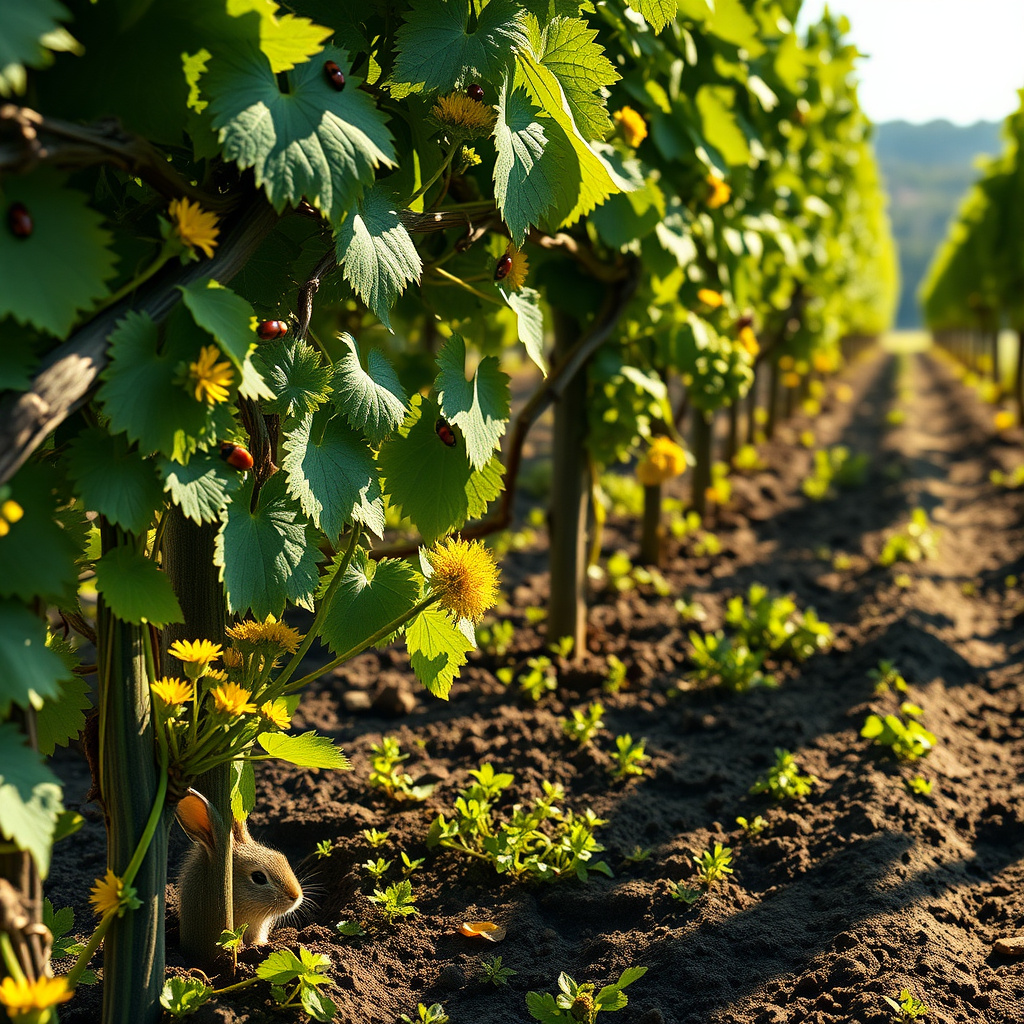
Biodiversity isn't a buzzword here—it's the heartbeat. In Jackson Family Wines' organic vineyards, they plant cover crops between rows. These aren't weeds; they're allies. Clover fixes nitrogen, mustard fights soil pests naturally.
Birds and bugs thrive, too. Owl boxes perch in the vines, keeping rodents in check without traps. I once watched a hawk soar over the fields. It felt alive, not managed.
Why does this matter? Healthy ecosystems mean resilient vines. Drought hits? Diverse roots tap deeper water. Pests come? Natural predators step in. It's like building a neighborhood where everyone helps.
Here's a quick list of biodiversity boosters you can try:
- Plant natives: Local flowers attract good insects.
- Leave edges wild: Hedges shelter wildlife.
- Rotate crops: Keeps soil balanced.
- Invite pollinators: Bee hotels work wonders.
Small changes add up, just like in their vineyards.
Sustainability in Winemaking Explained
Sustainability covers the whole bottle. From vine to cork, Jackson Family Wines tracks it all. Take their glass bottles: Recycled content slashes energy use by 30%. Corks? From managed forests.
In the winery, gravity-flow systems reduce pumping energy. Fermentation? Low-impact yeasts preserve terroir. And packaging? Minimalist labels save paper.
| Aspect | Jackson Family Approach | Benefit |
|---|---|---|
| Energy | 50% renewable onsite | Cuts CO2 by thousands of tons |
| Water | Precision irrigation | Saves 20% usage |
| Waste | Zero landfill goal | Recycles 95% materials |
| Certifications | 100% US estates sustainable | Third-party verified |
This table shows their commitments in action. Numbers don't lie—results do.
Personally, I love how they share this openly. Tours explain the 'why' behind each step. It's education with a pour of wine. Next time you're shopping, check labels for their certified brands like Kendall-Jackson or La Crema.

Jackson Family Wines and Organic Vineyards: Real Stories
Meet the people behind the vines. Farmers like those at Siduri Pinot Noir estates swear by organic methods. 'The grapes taste purer,' one told me over coffee. No surprise—without chemicals, flavors shine.
Challenges exist, sure. Transitioning to organic takes three years. Yields dip at first. But Jackson supports growers with training. Their network spans California to Oregon, all aiming higher.
A fun insight: Their regenerative farming sequesters carbon in soil. It's like the earth storing sunshine. By 2030, every estate vineyard goes regenerative. That's forward-thinking at its finest.
If you're a home winemaker—or just curious—start small. Brew with organic kits. Taste the difference. It's a gateway to appreciating pros like Jackson Family.
External nods? Check Forbes on their ROI or Wine Business on certifications. Solid reads for deeper dives.
Wrapping It Up
Jackson Family Wines turns organic vineyards into a blueprint for tomorrow. From biodiversity boosts to carbon cuts, they lead with heart and science. Next glass? Raise it to the land. You've got the tools to join in—plant, sip, sustain. (About 40 words to toast the end.)