Unveiling the Beringer Wine Production Process: Crafting Napa Valley Excellence
Overview: A Legacy in Every Bottle
Beringer Vineyards, founded in 1876, stands as one of Napa Valley’s oldest and most respected wine brands. The Beringer wine production process is a masterful blend of tradition, innovation, and sustainability, transforming premium grapes into wines celebrated worldwide. Let’s explore how Beringer crafts its iconic vintages.
A Historic Foundation
Beringer’s story began when Jacob and Frederick Beringer, German immigrants, settled in Napa Valley. With a vision to rival Europe’s finest wines, they purchased 215 acres in St. Helena and built a stone winery that still stands today. Their pioneering spirit set the stage for a legacy that’s endured for nearly 150 years, making Beringer the oldest continuously operating winery in Napa Valley. During Prohibition, while many wineries shuttered, Beringer thrived by producing sacramental wines, showcasing its resilience. Today, under Treasury Wine Estates, Beringer continues to innovate while honoring its roots.
Starting in the Vineyard
Great wine begins with great grapes, and Beringer’s vineyards are the heart of its production process. The winery sources grapes from premier Napa Valley sites, including its own estates like Steinhauer Ranch on Howell Mountain and Knights Valley. These locations offer diverse soils—volcanic, sandy, and loamy—and microclimates that shape unique grape flavors. Warm days and cool nights allow grapes to ripen slowly, balancing sugar and acidity. Beringer’s viticulture team meticulously monitors soil health and vine age to ensure only the best fruit is harvested.
Sustainable Practices
Beringer is a leader in sustainable farming, earning certifications like the Napa Green Winery badge. They use drip irrigation to conserve water, compost to enrich soil, and minimal tilling to prevent erosion. These practices not only protect the environment but also enhance grape quality. According to the Wine Institute’s Sustainable Winegrowing Program, Beringer’s efforts reduce water usage by up to 20% compared to traditional methods, ensuring the land thrives for future generations.
The Harvest: Timing is Everything
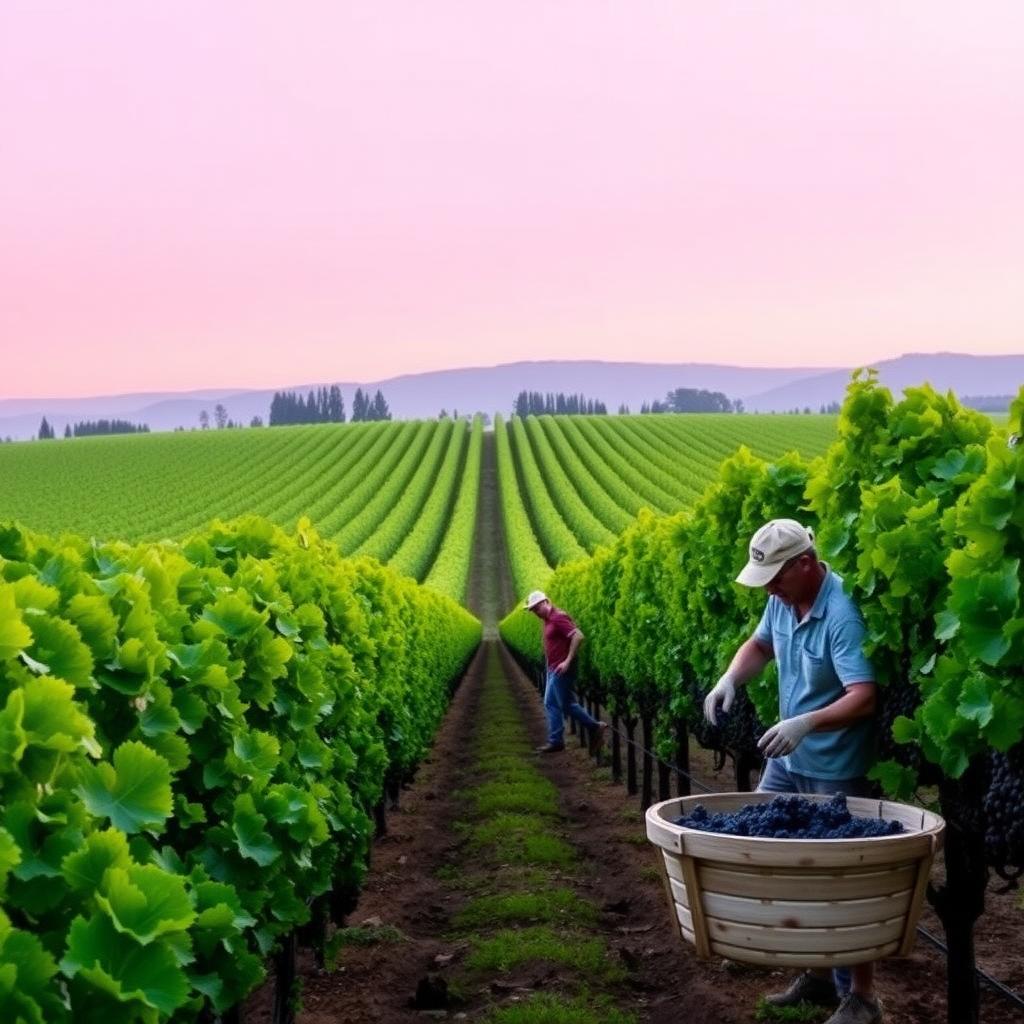
The Beringer wine production process kicks off with the harvest, typically in late summer or early fall. Workers hand-pick grapes in the early morning when temperatures are cool, preserving freshness and flavor. Timing is critical—grapes must be perfectly ripe to balance sugar, acidity, and tannins. Beringer’s team tastes grapes daily to determine the exact moment for picking. This hands-on approach ensures only the highest-quality fruit moves to the winery.
Crushing and Pressing
Once harvested, grapes are transported to Beringer’s historic winery, where they’re gently crushed to release juice. For white wines like Chardonnay, skins are quickly separated to maintain crispness. For reds like Cabernet Sauvignon, skins remain in contact with the juice to add color, tannins, and depth. Beringer uses modern presses to control this process precisely, ensuring consistency. The winery’s gravity-fed system, one of the first in Napa Valley, minimizes handling and preserves grape integrity.
Fermentation: The Science of Flavor
Fermentation transforms grape juice into wine. Beringer places juice in stainless steel tanks or oak barrels, adding yeast to convert sugars into alcohol. Temperature control is key—too warm, and flavors can become jammy; too cool, and fermentation stalls. Beringer’s winemakers, led by Chief Winemaker Mark Beringer, monitor this stage closely. Their expertise, backed by decades of experience, ensures each wine develops its signature profile, from the buttery notes of Chardonnay to the bold fruit of Cabernet Sauvignon.
Aging: Building Complexity
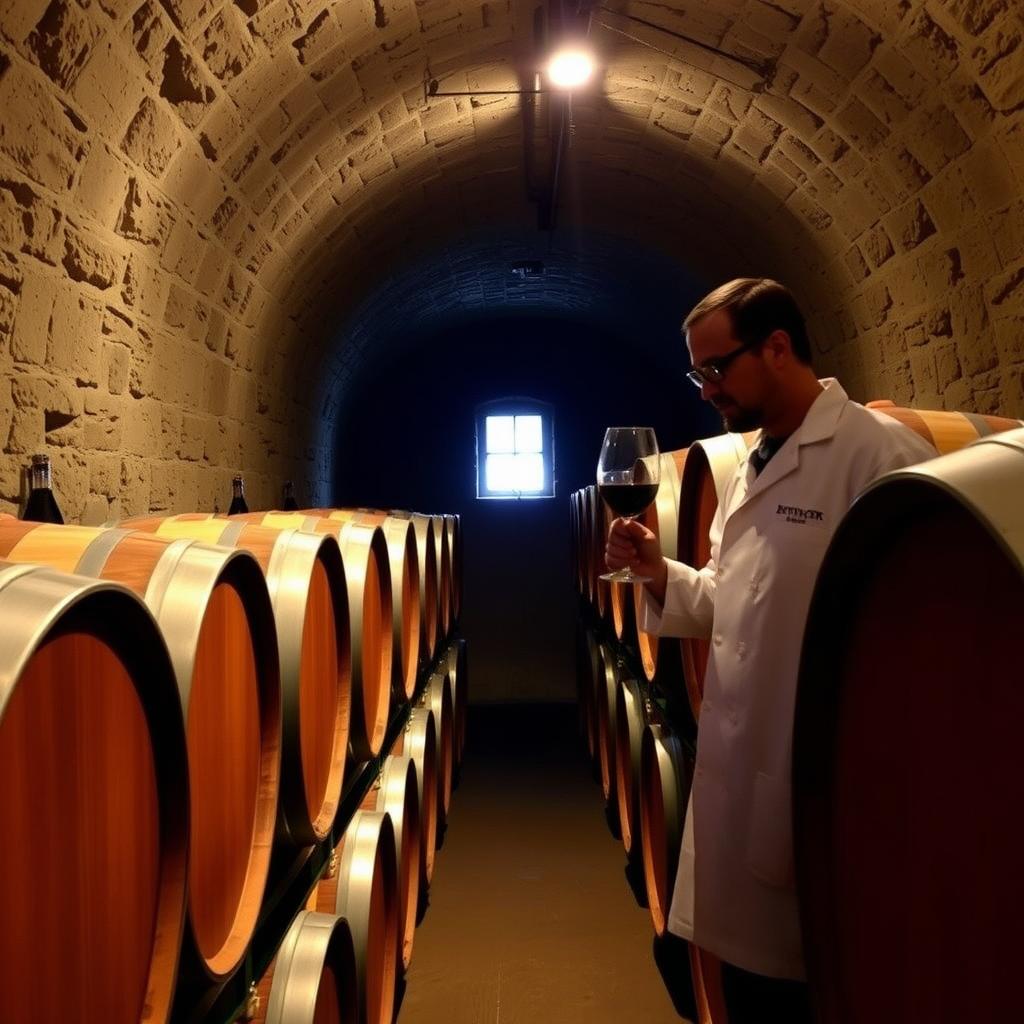
After fermentation, wines enter the aging phase, where they develop depth and character. Beringer ages its wines in carefully selected oak barrels, often French or American oak, chosen for their ability to impart flavors like vanilla or spice. Aging can last from months for lighter whites to years for robust reds like the Private Reserve Cabernet Sauvignon. The winery’s hand-dug caves, built in 1877, maintain a consistent 58°F, ideal for aging. This step is where Beringer’s artistry shines, as winemakers taste and adjust to achieve balance.
Blending: The Art of Balance
Blending is where Beringer’s winemakers, like Margo Van Staaveren with her 45 years of experience, work their magic. They combine different grape batches to create harmonious wines. For example, a Cabernet Sauvignon might blend fruit from Howell Mountain for structure and Knights Valley for softness. This process requires a keen palate and deep knowledge of each vineyard’s character. Beringer’s blending expertise ensures every bottle reflects its signature style—elegant yet approachable.
Bottling and Quality Control
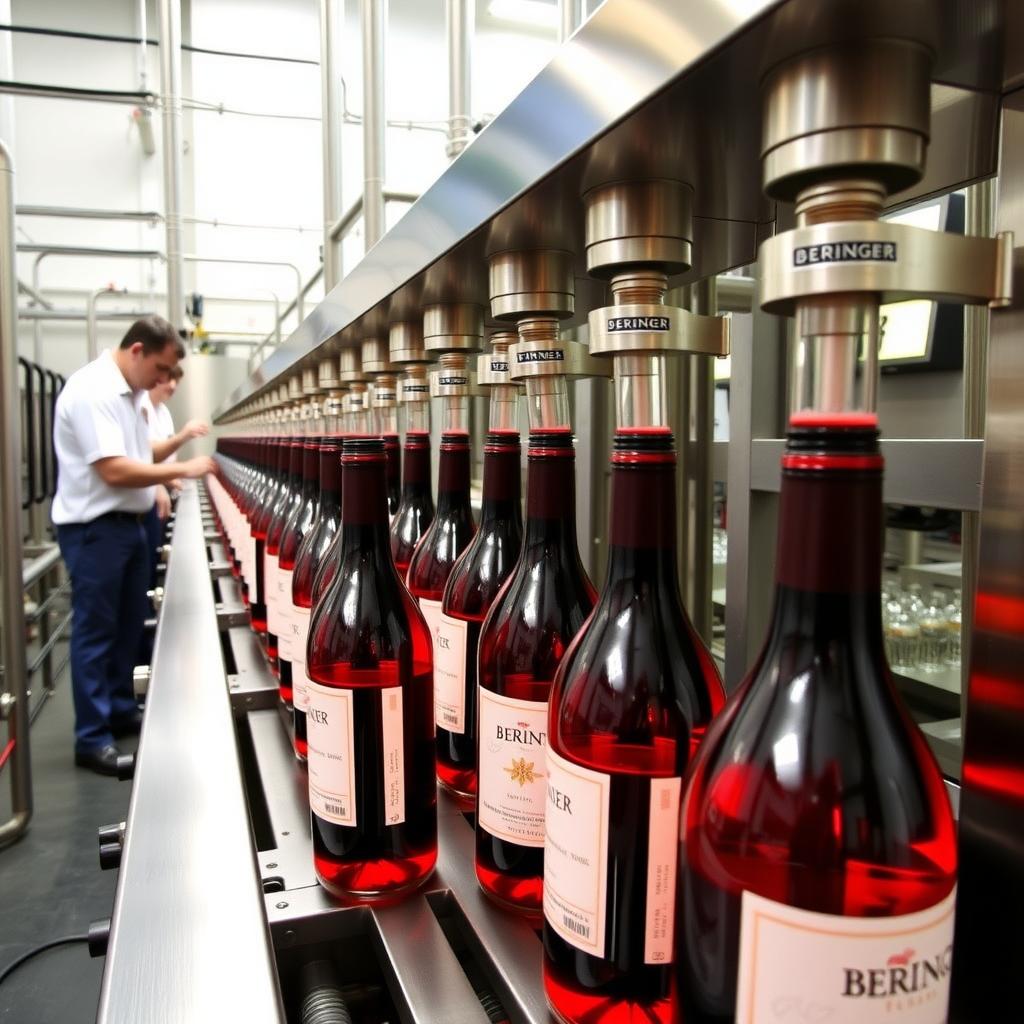
Once the wine is perfected, it’s filtered and bottled using state-of-the-art equipment to maintain quality. Beringer’s commitment to excellence extends to its packaging, using sustainable materials like lightweight glass and eco-friendly labels. Each bottle undergoes rigorous quality checks to ensure consistency. The University of California, Davis Viticulture and Enology Department notes that such meticulous processes are critical for maintaining a winery’s reputation, and Beringer’s standards are among the industry’s highest.
Beringer’s Signature Wines
Beringer’s portfolio is diverse, catering to both casual drinkers and connoisseurs. Here’s a quick look at their flagship offerings:
| Wine Type | Description |
|---------------|----------------|
| Chardonnay | Buttery, with green apple and vanilla notes, aged in oak for richness. |
| Cabernet Sauvignon | Full-bodied, with dark fruit and spice, perfect for aging. |
| Private Reserve | Premium blends from top vineyards, showcasing Napa’s best. |
| White Zinfandel | Light, fruity, and approachable, a fan favorite for casual sipping. |
These wines reflect Beringer’s ability to balance tradition with modern tastes, making it a standout among wine brands.
Personal Reflections: A Visit to Beringer
Visiting Beringer’s St. Helena estate feels like stepping into history. The Rhine House, built in 1884 for Frederick Beringer, is a stunning Tudor mansion surrounded by manicured gardens. Walking through the vineyards, you sense the care poured into every vine. Tasting their Private Reserve Cabernet Sauvignon was a highlight—its rich, velvety texture lingered, a testament to Beringer’s craftsmanship. The winery’s commitment to sustainability also struck me; their eco-friendly practices make you feel good about every sip.
Why Beringer Stands Out
What sets Beringer apart is its human touch. From vineyard workers to winemakers like Mark Beringer, a descendant of founder Jacob, everyone is passionate about quality. Their use of innovative techniques, like gravity-fed production and hand-dug caves, blends seamlessly with time-honored methods. Beringer’s sustainability efforts and consistent quality have earned it accolades, including Wine Spectator’s “Wine of the Year” for its 1990 Private Reserve Cabernet Sauvignon.
Summary: A Blend of Art and Science
The Beringer wine production process is a journey from vineyard to bottle, rooted in nearly 150 years of expertise. By combining sustainable farming, meticulous craftsmanship, and a passion for quality, Beringer creates wines that resonate globally. Whether you’re savoring a Chardonnay or a Cabernet, each bottle tells a story of Napa Valley’s heritage and innovation.