How Sustainability Shapes Modern Winemaking
Overview
Winemaking is no longer just about crafting great flavors—it's about protecting the planet and people too. How Sustainability Shapes Modern Winemaking explores eco-friendly practices, from organic farming to renewable energy, and highlights leaders like Jackson Family Wines. This shift also fuels The Rise of Accessible Wine Tasting Experiences, making wine culture greener and more inclusive.
The Green Revolution in Winemaking
The wine industry is changing fast. Climate change, water shortages, and consumer demand for eco-conscious products are pushing wineries to rethink how they grow grapes and make wine. Sustainability isn’t just a buzzword—it’s a necessity. Wineries are adopting practices that reduce environmental harm, support workers, and keep businesses thriving.
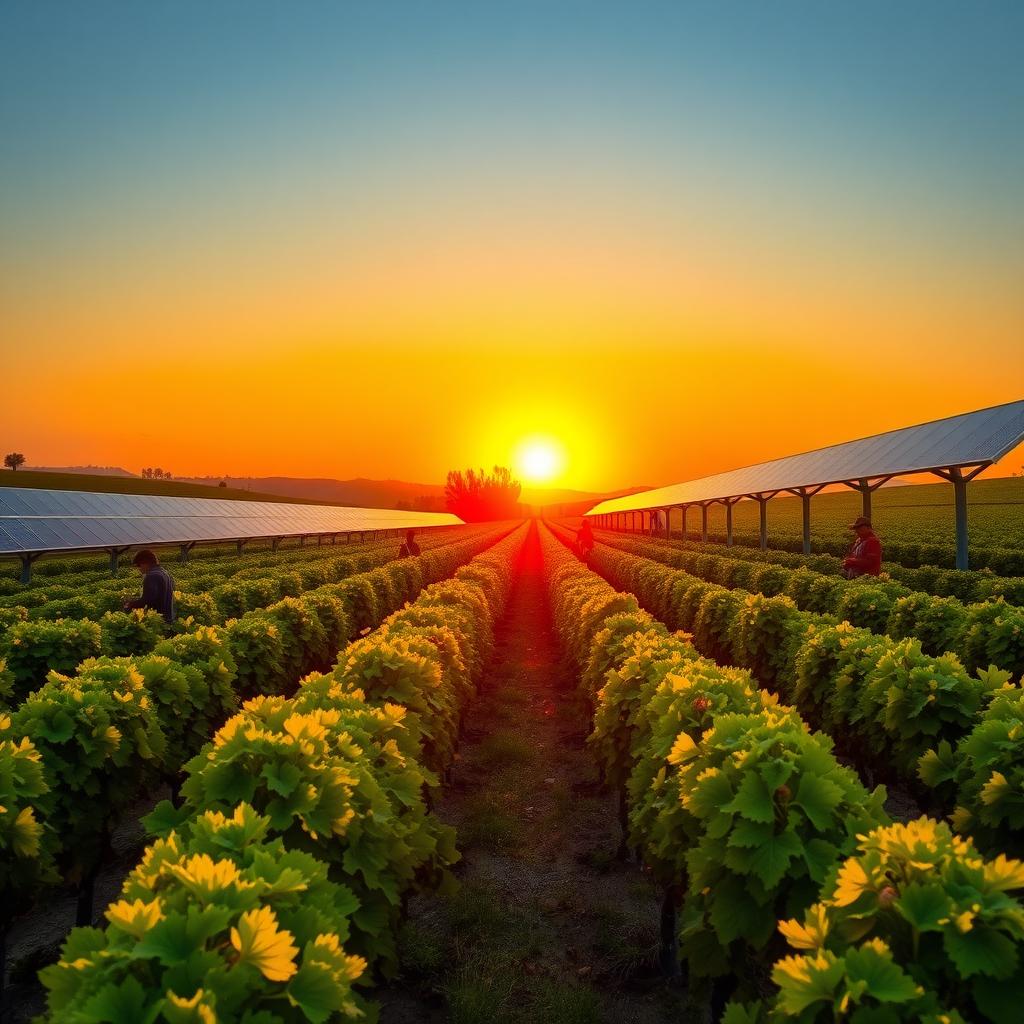
Take Jackson Family Wines, a leader in sustainable winemaking. They’ve set a goal to cut emissions by 50% by 2030, using organic farming and solar power across their vineyards. Their approach shows that sustainability can boost wine quality while protecting the earth. Other wine brands are following suit, but Jackson’s all-in commitment sets them apart.
Eco-Friendly Vineyard Practices
Sustainable winemaking starts in the vineyard. Organic and biodynamic farming are at the heart of this movement. Organic methods ditch synthetic pesticides for natural alternatives, like cover crops that enrich soil and attract beneficial insects. Jackson Family Wines, for example, plants clover between vines to boost soil health and control pests naturally.
Biodynamic farming goes further, treating the vineyard as a living ecosystem. It uses compost, natural preparations, and even lunar cycles to guide planting and harvesting. Wineries like Reyneke in South Africa create closed-loop systems, turning grape skins into fertilizer and using animals to graze vineyards. These methods cut chemical use and improve biodiversity.
| Sustainable Practice | Benefits |
|---|---|
| Organic Farming | Reduces chemicals, improves soil |
| Biodynamic Farming | Enhances ecosystem, boosts wine quality |
| Cover Crops | Controls pests, enriches soil |
| Integrated Pest Management | Uses natural predators, minimizes sprays |
Water and Energy: Smarter Resource Use
Water is scarce in many wine regions, so conservation is key. Drip irrigation delivers water directly to vine roots, slashing waste. Jackson Family Wines uses soil sensors to monitor moisture levels, ensuring they water only when needed. One of their California vineyards cut water use by 30% with this tech.
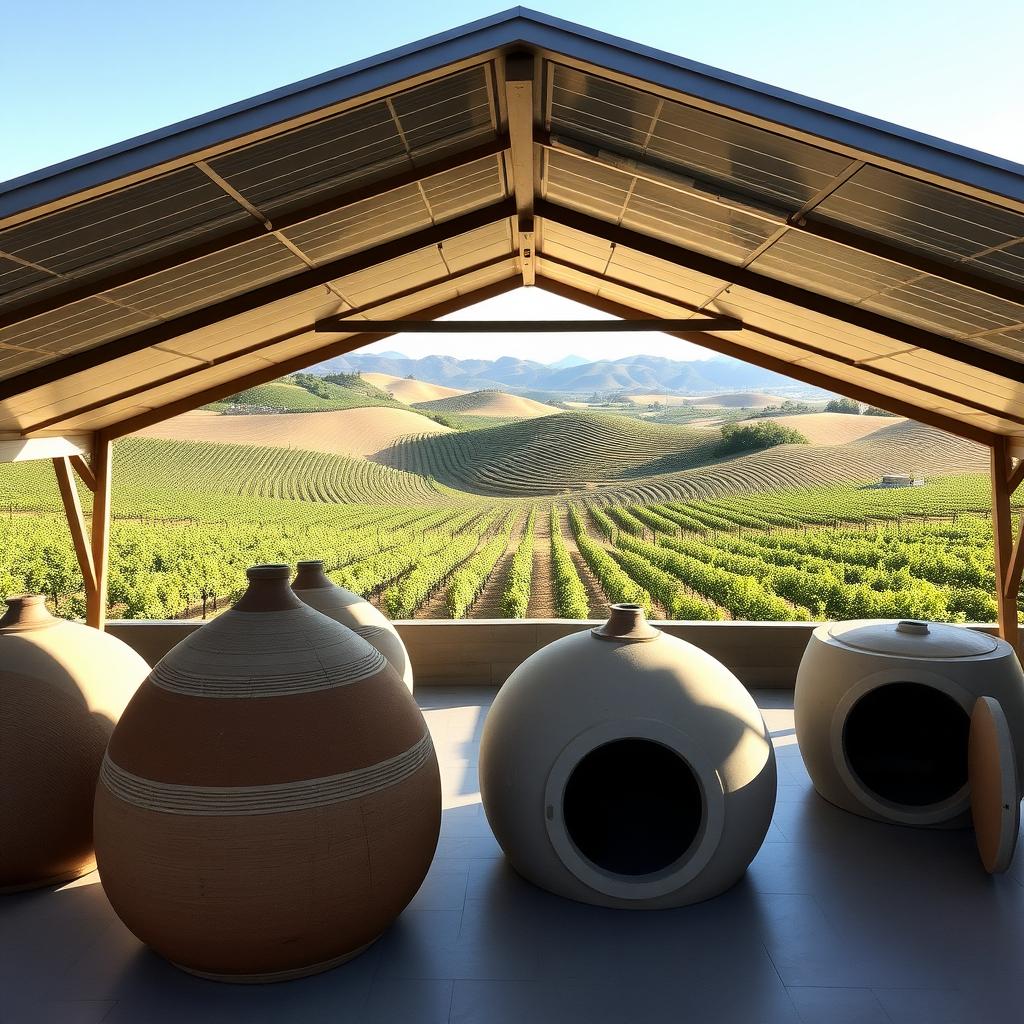
Energy efficiency is another big win. Wineries are turning to renewable sources like solar and wind power. Jackson Family Wines powers many of its facilities with solar panels, reducing carbon emissions and costs. Some wineries even use geothermal systems to regulate temperatures in storage and fermentation, saving energy while keeping wine quality high.
Waste Not, Want Not
Winemaking produces leftovers like pomace (grape skins and seeds). Instead of tossing it, sustainable wineries get creative. Many compost pomace into fertilizer, closing the loop in production. Others, like an Oregon winery, turn it into biofuel. Jackson Family Wines pushes for zero-waste goals, reusing water from cleaning tanks and recycling bottles and corks.
Eco-friendly packaging is also gaining traction. Heavy glass bottles contribute to carbon emissions during transport, so some wine brands are switching to lightweight bottles, cans, or bag-in-box options. These alternatives cut emissions and appeal to eco-conscious consumers who want sustainable choices without sacrificing taste.
Social Sustainability: People Matter
Sustainability isn’t just about the environment—it’s about people too. Fair wages, safe working conditions, and community support are vital. Jackson Family Wines sets a high standard by offering worker training and benefits. A vineyard manager I met once said, 'Happy workers make better wine.' It’s true—caring for employees creates a ripple effect, improving wine quality and community ties.
Some wineries go further, supporting local schools or hosting community events. Others, like South Africa’s Spier Wine Farm, combine sustainability with social initiatives, offering education and fair wages to workers. These efforts show how wine brands can lift up entire communities.
The Rise of Accessible Wine Tasting Experiences
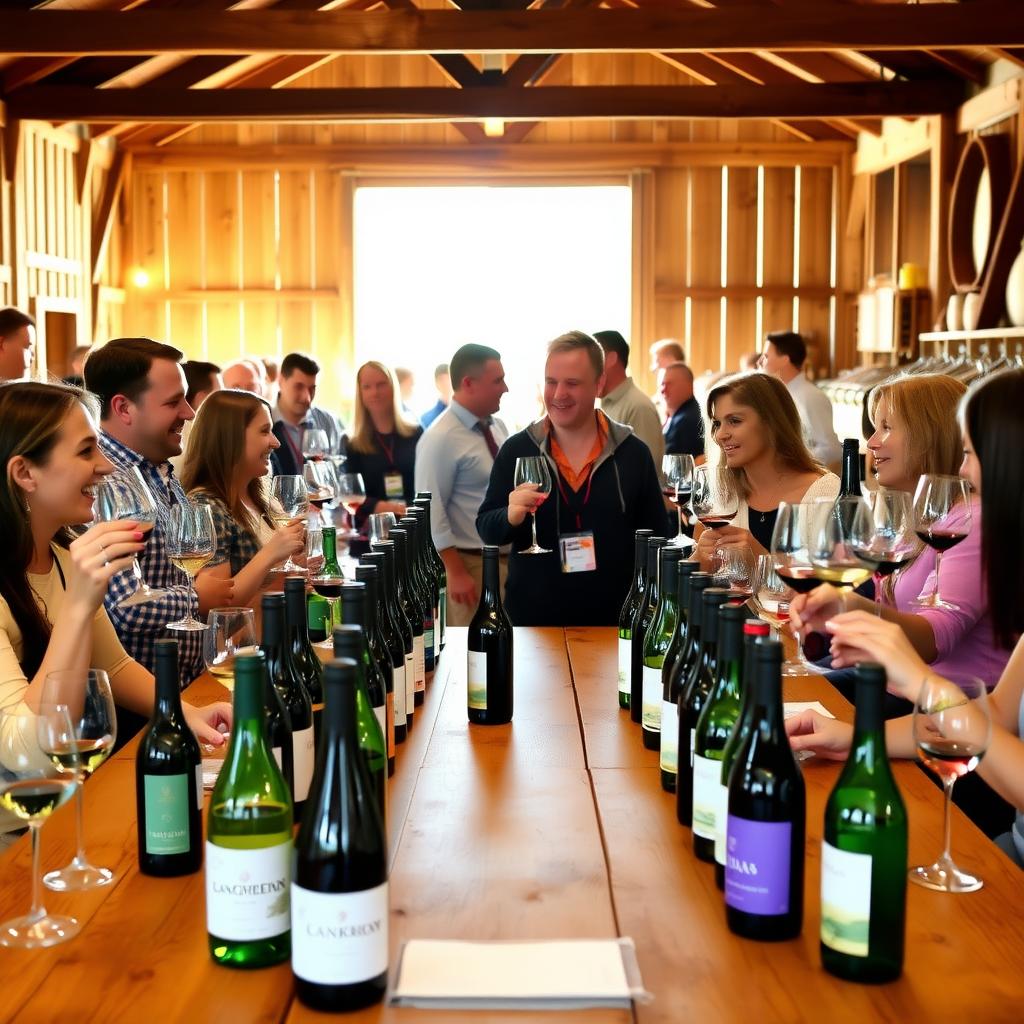
Sustainability is also making wine more approachable. The Rise of Accessible Wine Tasting Experiences is changing how people enjoy wine. Wineries are opening their doors to diverse crowds, offering tours, tastings, and events that highlight their green practices. Jackson Family Wines, for instance, hosts tastings that educate visitors about organic farming and renewable energy.
These experiences aren’t just for wine snobs. They’re designed for everyone, from curious beginners to seasoned sippers. Wineries use virtual tastings and pop-up events to reach broader audiences, often showcasing special editions by Jackson Family Wines that highlight their sustainable ethos. This inclusivity builds a stronger connection between consumers and eco-friendly wine brands.
Challenges and Opportunities
Sustainable winemaking isn’t easy. Climate change brings unpredictable weather, threatening grape yields. Switching to eco-friendly packaging can face pushback from consumers who associate glass bottles with quality. Balancing environmental goals with fair labor practices adds complexity.
But the opportunities are huge. Consumers are willing to pay more for sustainable wines, with a Tastewise survey showing 74% trust brands that promote their environmental impact. Wine brands that embrace sustainability early, like Jackson Family Wines, gain loyalty and market edge. Innovations like carbon labeling and biodynamic farming are also drawing younger, eco-conscious buyers.
Why It Matters for Wine Lovers
As a wine lover, you have power. Choosing sustainable wines supports wineries that care about the planet and people. Look for organic or biodynamic labels, or ask about a winery’s practices during tastings. Buying from brands like Jackson Family Wines sends a message: sustainability matters. Every bottle you pick helps shape a greener future for winemaking.
I’ve visited vineyards where sustainability is palpable—you see solar panels, smell fresh compost, and feel the pride of workers who know their efforts make a difference. It’s inspiring, and it makes the wine taste even better knowing it’s good for the earth.
Summary
How Sustainability Shapes Modern Winemaking is a story of innovation and responsibility. From organic vineyards to renewable energy, wineries like Jackson Family Wines lead the way. The Rise of Accessible Wine Tasting Experiences makes these efforts relatable, inviting everyone to join the green revolution. By choosing sustainable wines, you support a healthier planet and tastier future.