Wine and Sustainability: How the Industry is Going Green
Overview
The wine industry is changing. Winemakers worldwide are adopting sustainable practices to protect the environment and preserve the unique qualities of their wines. From organic farming to renewable energy, Wine and Sustainability: How the Industry is Going Green explores how vineyards are balancing tradition with innovation to create a greener future.
Why Sustainability Matters in Winemaking
Wine is more than a drink—it’s a story of the land, the grapes, and the people who craft it. But climate change, soil degradation, and water scarcity threaten this story. Sustainable winemaking addresses these challenges by reducing environmental impact while maintaining quality. It’s about ensuring future generations can enjoy a glass of Pinot Noir or Sauvignon Blanc.
Sustainability in winemaking isn’t just a buzzword. It’s a commitment to preserving the land that gives wine its character. Practices like organic farming, water conservation, and renewable energy are becoming standard in vineyards worldwide. These efforts protect the environment and enhance the wine’s connection to its terroir—the unique combination of soil, climate, and culture that defines a wine’s flavor.
Understanding Terroir: The Connection Between Land and Wine
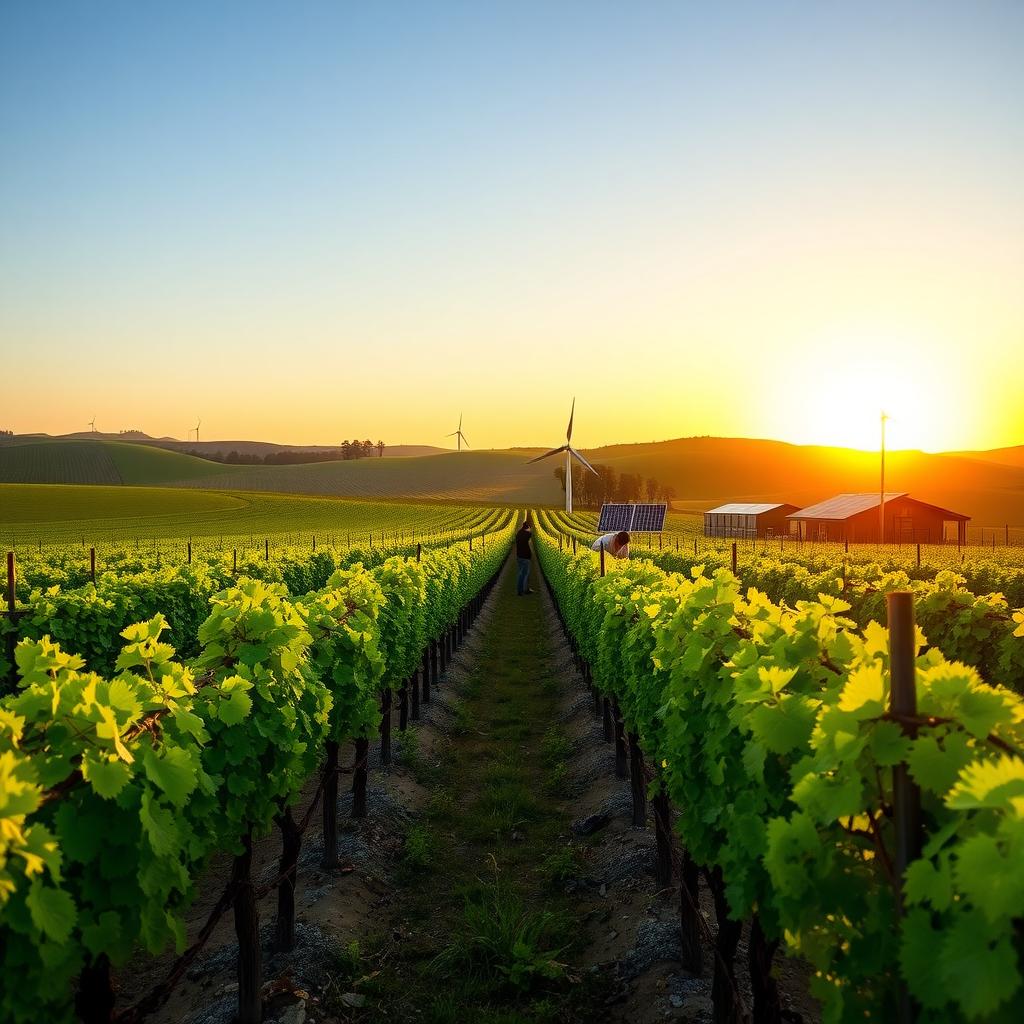
Understanding Terroir: The Connection Between Land and Wine is key to appreciating sustainable winemaking. Terroir is the heartbeat of wine—it’s why a Cabernet Sauvignon from Bordeaux tastes different from one grown in Napa Valley. Soil type, climate, and farming practices all shape a wine’s flavor. Sustainable methods protect this delicate balance.
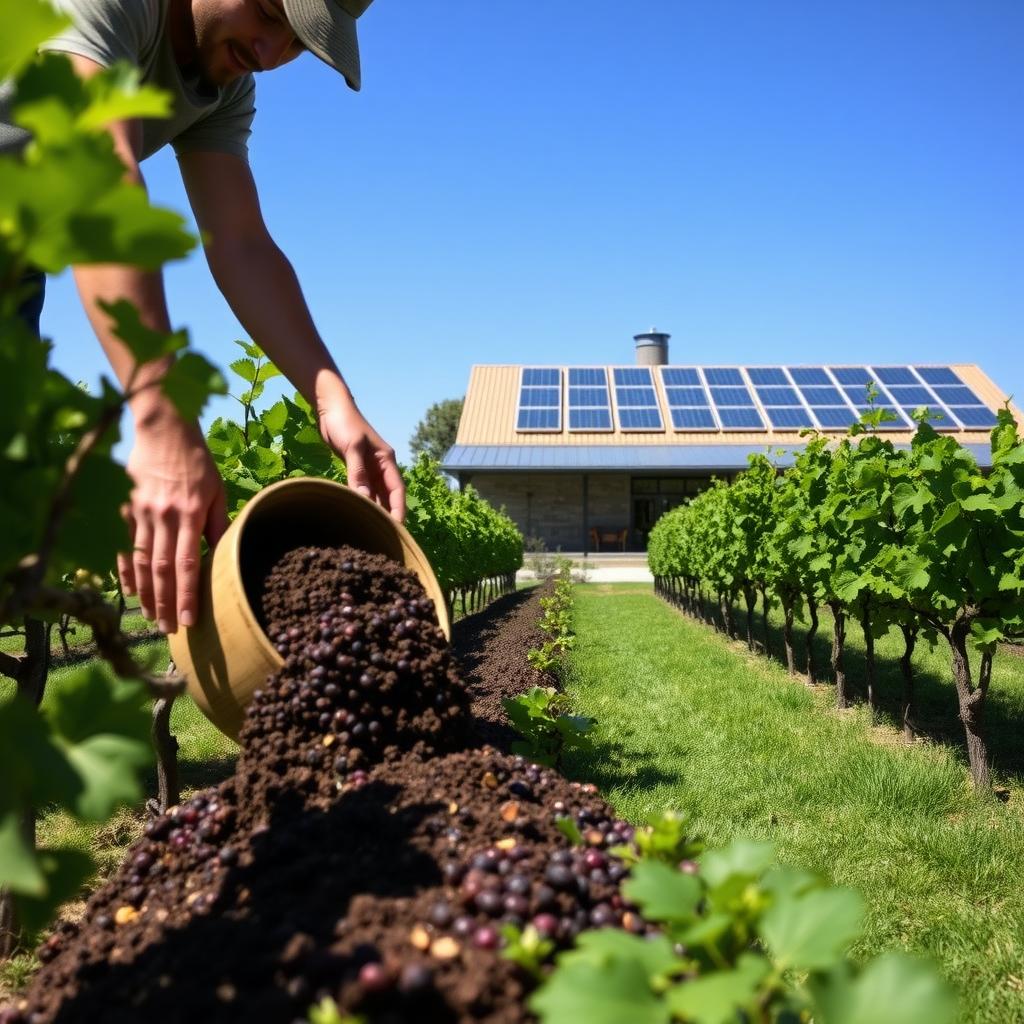
For example, conventional farming often relies on chemical pesticides that can harm soil health. Over time, this degrades the land’s ability to produce distinctive grapes. Organic and biodynamic farming, on the other hand, nurtures the soil with natural compost and cover crops. These methods preserve the land’s unique characteristics, ensuring wines reflect their origin. According to a study by the University of California, Davis, organic vineyards show improved soil biodiversity, which enhances grape quality.
Key Sustainable Practices in Winemaking
Wineries are adopting a range of eco-friendly practices. Here are some of the most impactful:
- Organic and Biodynamic Farming: Avoiding synthetic chemicals and using natural fertilizers to maintain soil health.
- Water Conservation: Drip irrigation and rainwater harvesting reduce water waste in drought-prone regions.
- Renewable Energy: Solar panels and wind turbines power wineries, cutting carbon emissions.
- Waste Reduction: Composting grape pomace and recycling packaging materials minimize landfill contributions.
- Carbon Neutrality: Some wineries offset emissions through reforestation or carbon capture programs.
These practices don’t just help the planet—they often improve wine quality. A report from the International Wineries for Climate Action shows that sustainable vineyards can produce grapes with more concentrated flavors due to healthier soils.
The Best Wine Regions to Visit for Sustainability
Some wine regions are leading the charge in sustainability, making them must-visit destinations for eco-conscious travelers. The Best Wine Regions to Visit for green winemaking include:
| Region | Sustainable Practices | Notable Wineries |
|---|---|---|
| Tuscany, Italy | Organic farming, solar energy | Castello di Ama, Querciabella |
| Marlborough, New Zealand | Biodynamic methods, water conservation | Yealands Estate, Seresin Estate |
| Sonoma County, USA | Carbon-neutral certifications | Benziger Family Winery, Ridge Vineyards |
Tuscany’s rolling hills are home to wineries like Querciabella, which uses biodynamic practices to produce vibrant Chianti Classico. In Marlborough, Yealands Estate runs a carbon-neutral operation powered by solar energy and even grazes sheep to control weeds naturally. Sonoma’s Benziger Family Winery combines organic farming with water recycling, proving sustainability can coexist with award-winning wines.
Challenges in Sustainable Winemaking
Going green isn’t easy. Sustainable practices often require significant upfront costs, like installing solar panels or transitioning to organic certification. Smaller wineries may struggle to afford these changes. Additionally, climate change poses a growing threat—rising temperatures can alter grape ripening, affecting flavor profiles. A study by the University of Bordeaux found that warmer climates are pushing harvest dates earlier, challenging traditional winemaking timelines.
Despite these hurdles, many wineries see sustainability as an investment in their future. By adopting eco-friendly practices, they protect their land and appeal to environmentally conscious consumers. It’s a win-win for the planet and wine lovers.
Personal Insights: A Taste of Sustainability
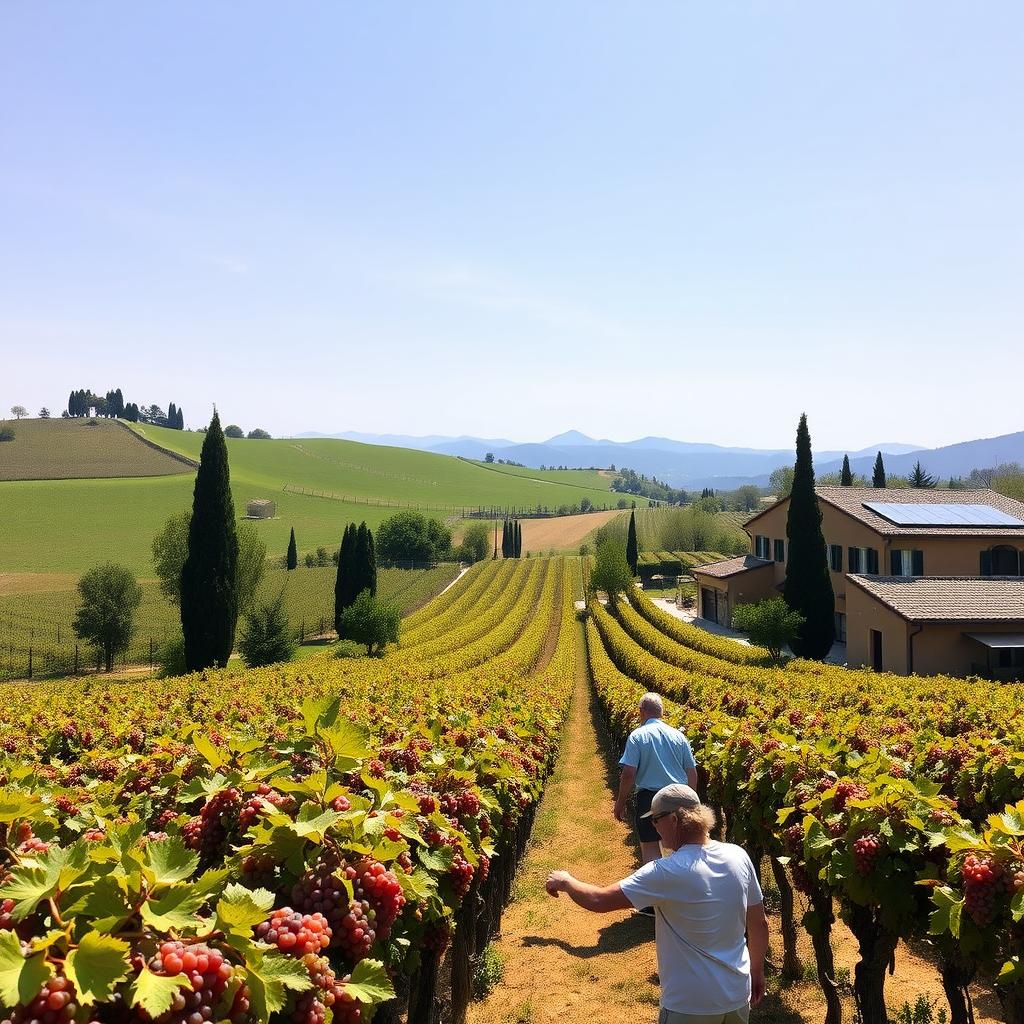
Last summer, I visited a small winery in Sonoma County. The owner walked me through rows of grapevines, pointing out cover crops that naturally enrich the soil. We tasted a Chardonnay that burst with crisp apple and citrus notes—flavors that felt alive, thanks to the healthy, chemical-free soil. The winery’s solar panels gleamed in the sun, a reminder that sustainability isn’t just about the land; it’s about the future of wine itself.
This experience showed me that Sustainability in Winemaking Explained isn’t just technical—it’s emotional. It’s about preserving the stories in every bottle, from the rocky soils of Bordeaux to the sunny slopes of Marlborough. Sustainable wineries don’t just make wine; they create a legacy.
The World of Wine: A Terroir Journey
The World of Wine: A Terroir Journey takes on new meaning in the context of sustainability. Each region’s unique terroir is a treasure worth protecting. By choosing sustainable wines, consumers support wineries that prioritize the environment. Look for certifications like USDA Organic, Demeter Biodynamic, or Sustainable Winegrowing New Zealand when shopping. These labels signal a commitment to green practices.
Next time you sip a glass of wine, think about the land it came from. Was it grown with care for the soil? Did the winery reduce its carbon footprint? Supporting sustainable wineries means voting for a greener planet—one glass at a time.
Summary
The wine industry is embracing sustainability to protect the land, reduce environmental impact, and preserve the unique flavors of terroir. From organic farming in Tuscany to carbon-neutral wineries in Sonoma, Wine and Sustainability: How the Industry is Going Green shows how tradition and innovation can coexist. By supporting sustainable wineries, we ensure that future generations can enjoy the world’s finest wines.