The Future of Winemaking: Trends in Sustainability and Quality
Overview: A New Era for Winemaking
The wine industry is at a turning point. As climate change and consumer demand for eco-friendly products grow, winemakers are embracing sustainable practices to ensure quality and protect the planet. From smart water use to organic vineyards, the future of winemaking is green and innovative.
Why Sustainability Matters in Winemaking
Winemaking has always been tied to the land, but today’s challenges—droughts, soil degradation, and shifting weather patterns—are pushing the industry to rethink its approach. Consumers now seek wines that taste great and align with their values. Sustainable practices aren’t just good for the environment; they also improve wine quality by preserving terroir, the unique flavor profile of a region’s soil and climate. By focusing on eco-friendly methods, winemakers can produce exceptional wines while ensuring future generations can enjoy them too.
Smart Water Use in Winemaking
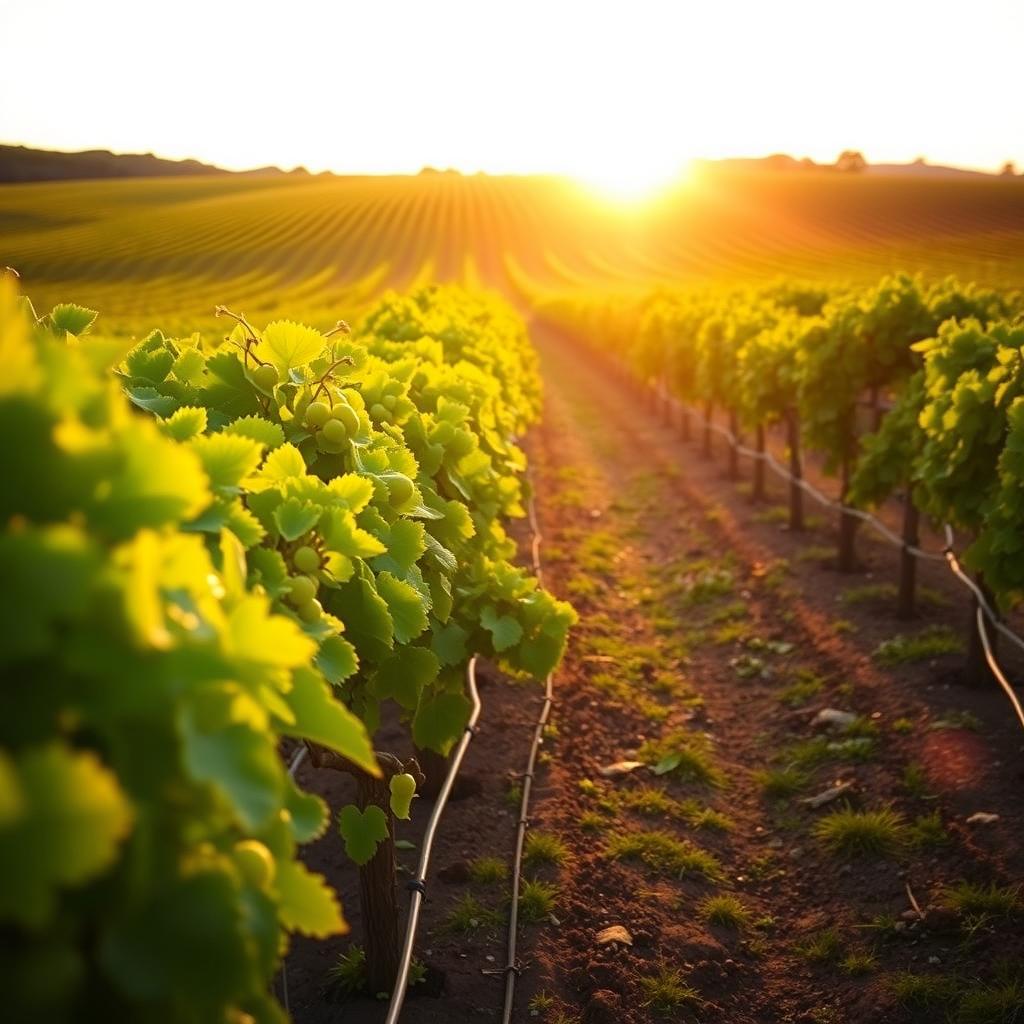
Water is a precious resource in winemaking, especially in drought-prone regions like California and Australia. Traditional irrigation methods can waste water, but smart water use is changing that. Technologies like drip irrigation and soil moisture sensors allow winemakers to deliver precise amounts of water to vines. This reduces waste and helps vines thrive under stress. For example, a study from the University of California, Davis found that precision irrigation can cut water use by up to 30% while maintaining grape quality. Smart water use ensures vines get what they need without draining local resources.
The Rise of Organic Vineyards
Organic vineyards are gaining popularity as consumers demand cleaner, chemical-free wines. By avoiding synthetic pesticides and fertilizers, organic winemaking protects soil health and biodiversity. This leads to grapes that reflect their natural environment, often resulting in richer flavors. Jackson Family Wines, a leader in sustainable winemaking, has embraced organic practices across many of its vineyards. Their commitment to organic vineyards shows that eco-friendly methods can produce award-winning wines without compromising quality.
Jackson Family Wines: A Model for Sustainability
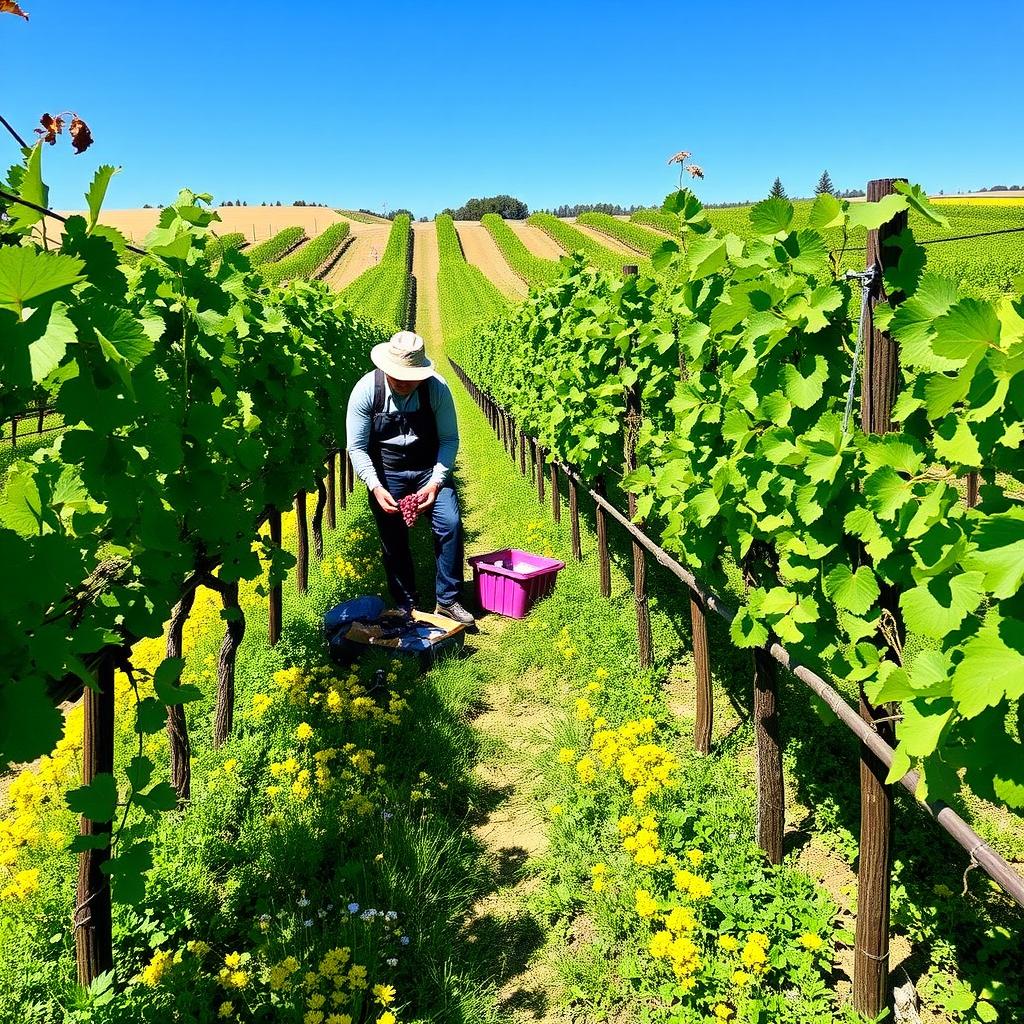
Jackson Family Wines is setting the standard for the future of winemaking. With a portfolio of over 40 wine brands, they prioritize sustainability without sacrificing quality. Their initiatives include solar power, water recycling, and organic farming. For instance, their Santa Barbara vineyards use cover crops—plants grown between vine rows—to improve soil health and reduce erosion. These efforts not only lower their environmental footprint but also enhance the flavor complexity of their wines. Jackson Family Wines proves that large-scale producers can lead the charge in sustainable practices.
Innovations Driving Wine Quality
Sustainability isn’t just about the environment—it’s also about making better wine. Precision viticulture, which uses drones and satellite imagery to monitor vine health, helps winemakers detect issues like pests or nutrient deficiencies early. This allows for targeted interventions, reducing chemical use and improving grape quality. Additionally, advances in fermentation technology, such as temperature-controlled tanks, ensure consistent flavors. These innovations let winemakers craft wines that are both delicious and environmentally responsible.
The Role of Regenerative Agriculture
Regenerative agriculture is an emerging trend that goes beyond organic farming. It focuses on rebuilding soil health, capturing carbon, and enhancing ecosystems. Practices like composting, crop rotation, and minimal tillage help vineyards become carbon sinks, offsetting emissions. A report from the Rodale Institute highlights that regenerative farming can sequester up to 1 ton of carbon per acre annually. Winemakers adopting these methods are not only fighting climate change but also producing grapes with deeper, more complex flavors.
Consumer Demand for Eco-Friendly Wines
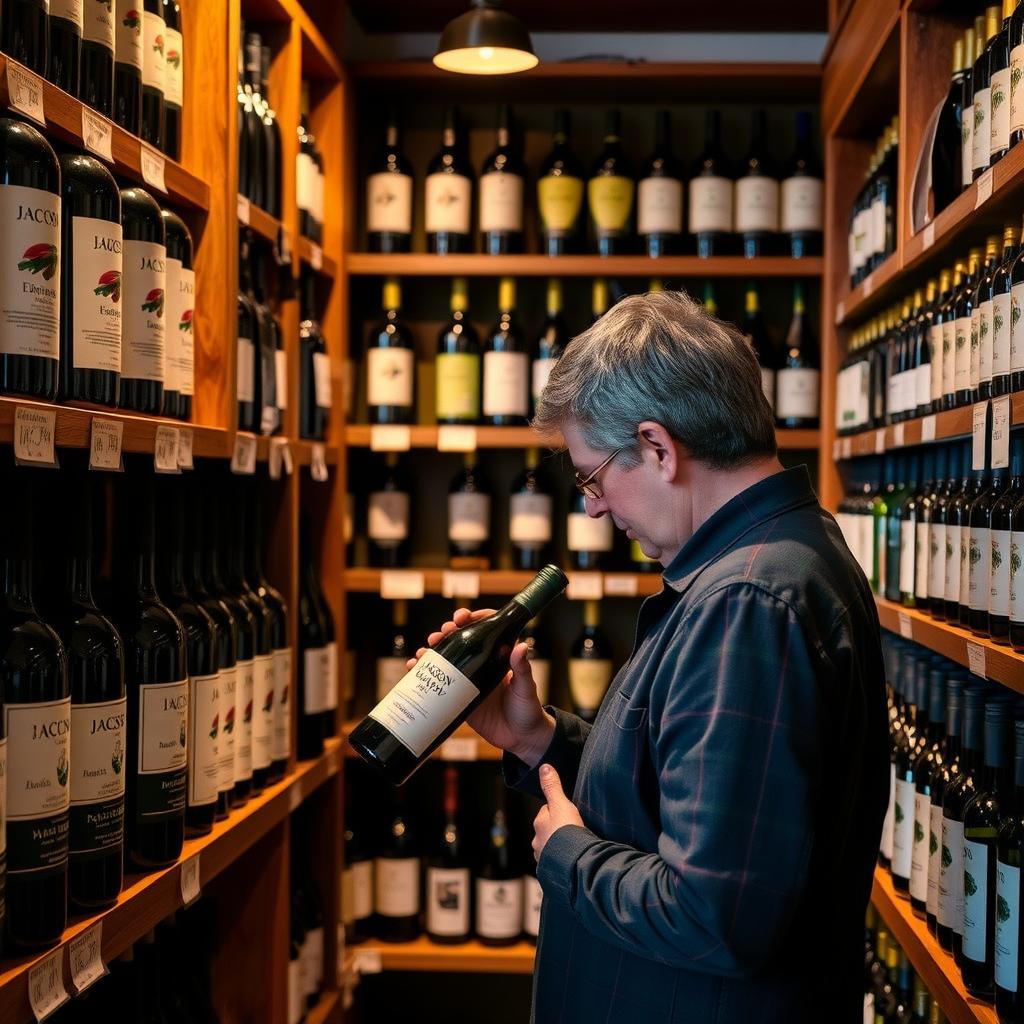
Today’s wine drinkers care about more than just taste. A 2023 survey by the Wine Institute showed that 65% of U.S. wine consumers prefer brands with sustainable certifications. Labels like “organic,” “biodynamic,” or “sustainably sourced” are becoming key selling points. This shift is pushing wine brands to adopt transparent practices, from vineyard to bottle. For example, Jackson Family Wines prominently displays its sustainability certifications, building trust with eco-conscious buyers.
Challenges in Sustainable Winemaking
While the benefits are clear, sustainable winemaking isn’t without challenges. Transitioning to organic or regenerative practices can be costly and time-consuming. Smaller wineries may struggle with the upfront investment for technologies like drip irrigation or solar panels. Additionally, climate change poses ongoing risks, with unpredictable weather affecting grape yields. However, collaboration within the industry—through shared research and certifications—helps winemakers overcome these hurdles. Organizations like the California Sustainable Winegrowing Alliance provide resources to make sustainability accessible to all.
The Future of Wine Brands
The future of winemaking lies in balancing tradition with innovation. Wine brands that prioritize sustainability will likely dominate the market as consumer awareness grows. Smaller producers can stand out by focusing on niche, high-quality wines, while larger brands like Jackson Family Wines can leverage their scale to drive industry-wide change. By investing in smart water use, organic vineyards, and regenerative practices, the wine industry can ensure a thriving future for both the planet and wine lovers.
Summary: A Sustainable Path Forward
The future of winemaking is bright, with sustainability and quality at its core. Smart water use, organic vineyards, and regenerative agriculture are transforming the industry. Leaders like Jackson Family Wines show that eco-friendly practices can produce world-class wines. As consumers demand greener options, winemakers must adapt to stay competitive, ensuring a delicious and sustainable future for wine.