A Beginner's Guide to Wine Varietals
Overview
Wine can feel overwhelming with its endless varieties and fancy terms. But it’s really just about discovering flavors you love. A Beginner’s Guide to Wine Varietals breaks down the basics, helping you navigate reds, whites, and more with confidence. Let’s dive into the world of wine, one grape at a time.
Why Wine Varietals Matter
Wine varietals are the types of grapes used to make wine, and each one brings unique flavors to your glass. Think of them like different spices in cooking—each adds its own personality. Understanding varietals helps you pick wines you’ll enjoy and impress friends at dinner parties. Whether you’re sipping a bold Cabernet Sauvignon or a crisp Sauvignon Blanc, knowing the grape behind the wine makes every sip more meaningful.
I remember my first wine tasting at a small vineyard. The guide handed me a glass of Pinot Noir and described its cherry and earth notes. I was hooked—not just on the wine, but on the story of the grape. That’s what varietals do: they tell a story of soil, climate, and care.
Popular Red Wine Varietals
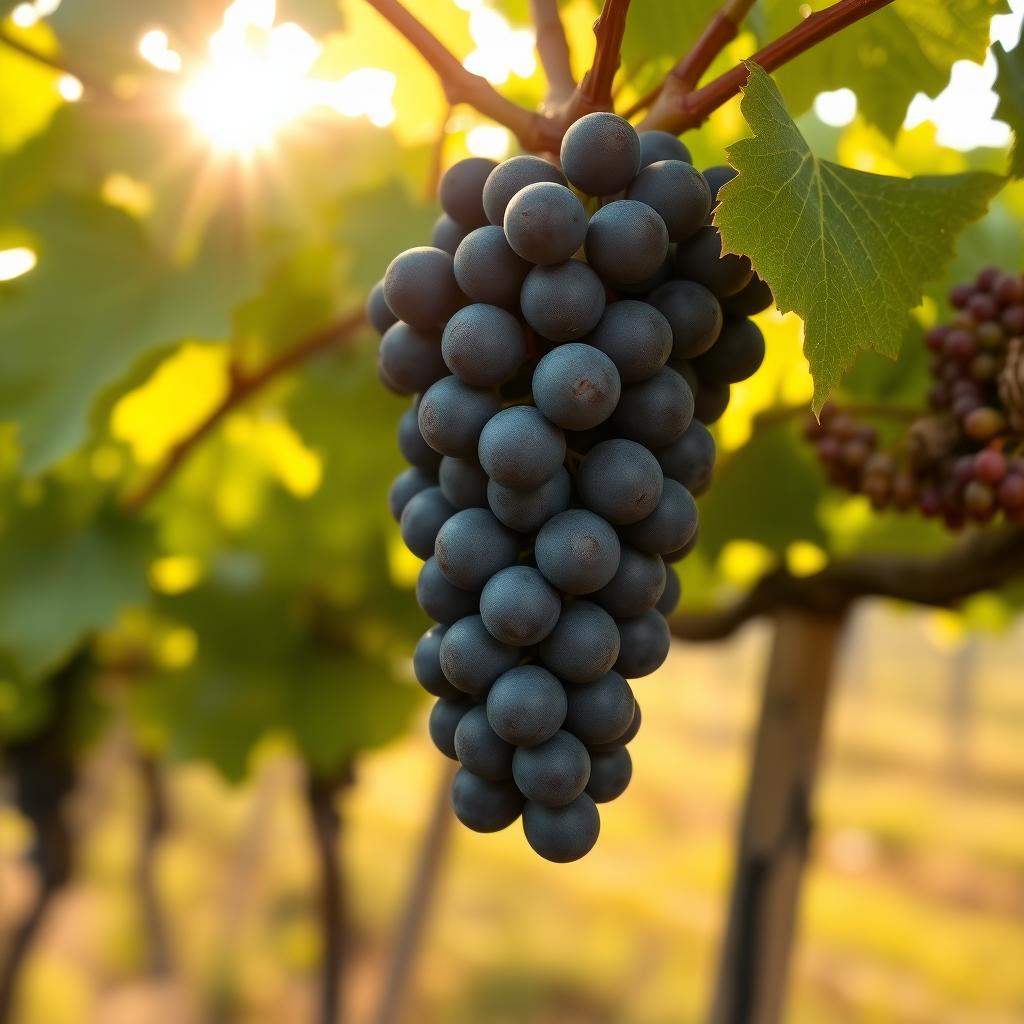
Red wines get their color and bold flavors from grape skins. Here are some you’ll likely encounter:
- Cabernet Sauvignon: Known for its deep color and strong tannins, this grape offers flavors of blackberry, cassis, and sometimes green pepper. It’s a great match for steak or dark chocolate. If you’re new, try it with a hearty meal to balance its intensity.
- Pinot Noir: Lighter and silkier, Pinot Noir brings cherry, raspberry, and earthy notes. It’s versatile, pairing well with salmon or roasted veggies. I love its delicate nature—it feels like a warm hug in a glass.
- Merlot: Softer than Cabernet, Merlot has plum and chocolate notes. It’s approachable and perfect for beginners who want something smooth.
- Syrah (Shiraz): Spicy and bold, Syrah offers black pepper and dark fruit flavors. It’s a fantastic choice for barbecue or spicy dishes.
| Red Varietal | Flavor Profile | Food Pairing |
|---|---|---|
| Cabernet Sauvignon | Blackberry, cassis, green pepper | Steak, dark chocolate |
| Pinot Noir | Cherry, raspberry, earth | Salmon, roasted vegetables |
| Merlot | Plum, chocolate | Pasta, grilled chicken |
| Syrah | Black pepper, dark fruit | Barbecue, spicy dishes |
Popular White Wine Varietals
White wines are often lighter and crisper, made without grape skins. Here are some favorites:
- Chardonnay: This versatile grape can be buttery and oaky or crisp and apple-like, depending on how it’s made. Pair it with creamy pasta or seafood. My first Chardonnay was a revelation—its creamy texture felt like luxury.
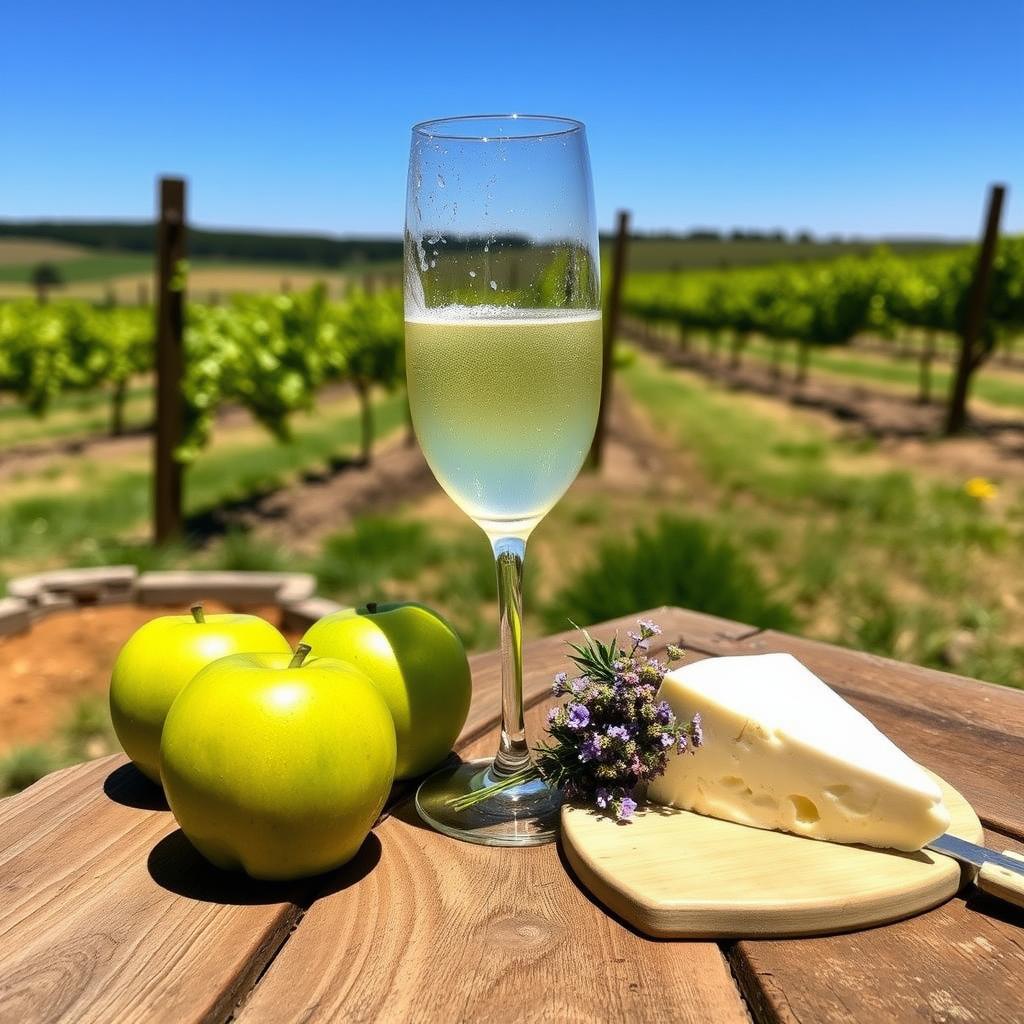
- Sauvignon Blanc: Bright and zesty, with citrus, green apple, and grassy notes. It’s perfect for summer days or with goat cheese.
- Riesling: Sweet or dry, Riesling has peach and apricot flavors. It’s a great match for spicy Asian dishes.
- Pinot Grigio: Light and refreshing, with pear and lemon notes. Sip it with salads or light appetizers.
How to Explore Varietals Through Tasting
Tasting wine is the best way to learn about varietals. Start by joining a local wine tasting event or visiting a vineyard. For tips on how to taste like a pro, check out The Ultimate Wine Tasting Guide. It covers everything from swirling your glass to identifying flavors.
Here’s a simple approach: 1. Look: Check the wine’s color. Reds range from ruby to deep purple; whites vary from pale yellow to golden. 2. Smell: Swirl the glass and take a sniff. Can you pick out fruit, spices, or earth? 3. Taste: Take a sip and let it sit on your tongue. Notice the flavors and how they linger.
My first tasting taught me to slow down and savor. I discovered I love the grassy zing of Sauvignon Blanc—something I’d never have guessed from reading a label.
If you’re new to tasting, A Guide to Wine Tasting: Tips and Tricks for Beginners offers practical advice to boost your confidence. It’s all about enjoying the process, not memorizing facts.
Visiting Vineyards to Learn About Varietals
Nothing beats learning about wine varietals at the source. Visiting family-owned wineries is a fantastic way to dive in. These smaller vineyards often focus on specific grapes, giving you a deeper understanding of their craft. Wine Tourism: Experience the Charm of Family-Run Vineyards highlights the magic of these intimate settings.
I once visited a family-run winery in Tuscany. The owner walked us through rows of Sangiovese grapes, explaining how the soil shaped their bold, cherry-like flavor. It felt personal, like I was part of their story. Look for wineries that offer tastings and tours—they’re often passionate about sharing their knowledge.

Why Family-Owned Wineries Matter
Family-owned wineries bring heart to the wine world. Unlike big corporate brands, they focus on tradition and quality over mass production. Family-Owned Wineries: Preserving Heritage in a Corporate World dives into how these wineries keep their legacy alive.
When I sipped a Merlot at a small winery, the owner shared stories of her grandfather planting the vines. That connection made the wine taste even better. Supporting these wineries means preserving unique varietals and stories for future generations.
Tips for Choosing Your First Wines
Starting your wine journey can be as simple as picking a few bottles to try. Here’s how to begin: - Start with versatile varietals: Pinot Grigio and Merlot are easygoing and widely available. - Read the label: Look for the grape variety and region. For example, a Napa Valley Cabernet will differ from one from Bordeaux. - Ask for help: Wine shop staff love recommending bottles. Tell them what flavors you enjoy, like fruity or spicy. - Experiment: Buy a mix of reds and whites to discover your preferences. Host a small tasting with friends to make it fun.
For more on selecting wines, the Wine Enthusiast website (https://www.winemag.com) offers great guides for beginners.
Summary
Wine varietals are your gateway to a world of flavors and stories. From the bold kick of Cabernet Sauvignon to the crisp zest of Sauvignon Blanc, each grape offers something unique. Start with tastings, visit family-run vineyards, and don’t be afraid to experiment. With a little curiosity, you’ll find wines that spark joy in every sip.