California Sustainable Winegrowing Alliance: Sustainable Practices in Winemaking
A Commitment to Sustainable Winemaking
The California Sustainable Winegrowing Alliance (CSWA) is changing how wine is made in California, one of the world’s top wine-producing regions. Founded in 2003 by the Wine Institute and the California Association of Winegrape Growers, the CSWA promotes practices that balance environmental care, social responsibility, and economic viability. Their mission? To ensure vineyards and wineries thrive while protecting the planet. This article dives into the CSWA’s sustainable practices, with a special focus on Jackson Family Wines, a leader in eco-conscious winemaking.
California’s wine industry is massive, producing 90% of U.S. wine. With such scale comes responsibility. The CSWA’s Certified California Sustainable Winegrowing program, launched in 2010, sets strict standards for vineyards and wineries. It’s not just about growing grapes or making wine—it’s about doing it in a way that respects nature, supports workers, and keeps businesses strong for years to come. Over 2,600 vineyards and 215 wineries, covering 275,553 acres and 229 million cases of wine, are certified under this program. That’s a big deal.
What Makes Winemaking Sustainable?
Sustainable winemaking is about making smart choices. The CSWA’s Code of Sustainable Winegrowing includes over 200 best practices, covering everything from water conservation to worker safety. Vineyards must assess 144 practices, while wineries evaluate 105. These practices are scored from Category 1 (meeting basic regulations) to Category 4 (the most sustainable). To get certified, businesses need to hit high standards, like scoring 85% or more in Category 2 or above by their second year. It’s a tough but rewarding process.
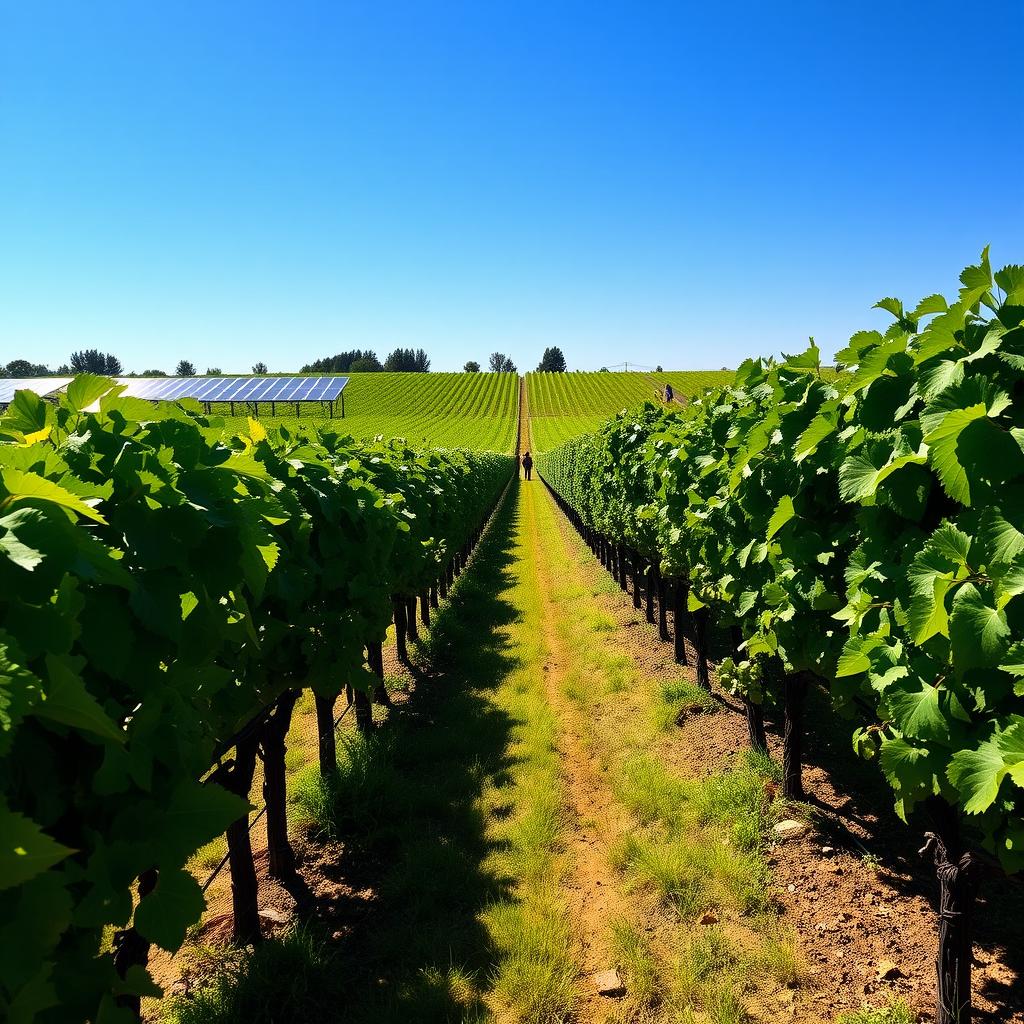
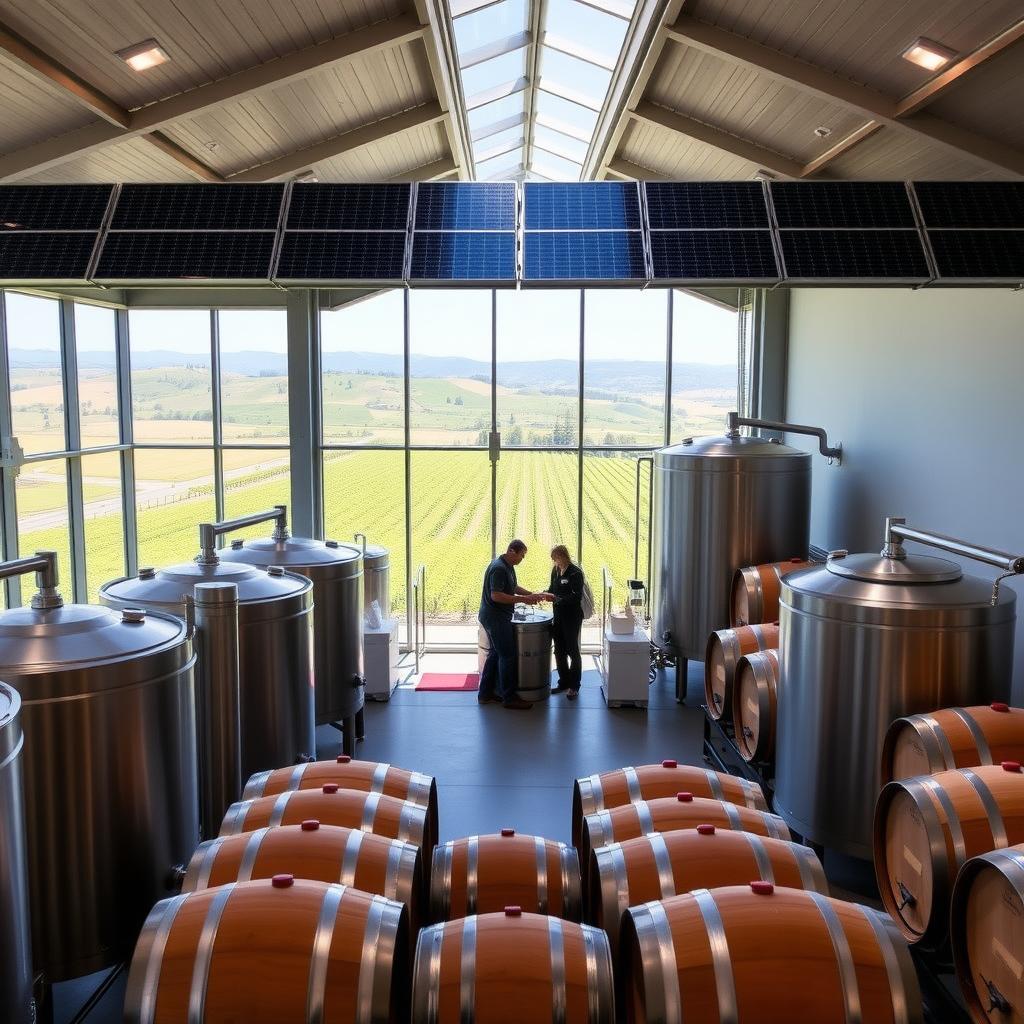
For example, water management is a big focus. California’s droughts make every drop count. Certified vineyards track water use and use drip irrigation to minimize waste. Energy efficiency is another priority. Many wineries, like those under Jackson Family Wines, use solar power to cut carbon emissions. They also focus on soil health, using cover crops and compost to keep the land fertile without harmful chemicals. These steps don’t just help the environment—they often lead to better-tasting grapes.
Jackson Family Wines: A Leader in Sustainability
Exploring the Diverse Wine Brands of Jackson Family Wines reveals a company deeply committed to sustainability. Based in Sonoma County, Jackson Family Wines produces over 6 million cases of wine annually, including well-known brands like Kendall-Jackson, La Crema, and Cambria. Their approach shows that quality and eco-friendly practices go hand in hand. They hold certifications from both the CSWA and Sustainability in Practice (SIP), proving their dedication to the planet.
I visited one of their vineyards last summer, and the experience stuck with me. The air was clean, the soil felt alive, and the team spoke passionately about their work. They use drones to monitor soil moisture, ensuring they only water when necessary. Solar panels power their operations, and they’ve cut water use by 20% in some vineyards, according to UC Davis research. It’s not just about checking boxes—it’s a mindset that shapes everything they do.
Key Sustainable Practices in Action
Here’s a closer look at some CSWA practices that Jackson Family Wines and others follow:
| Practice | Description | Impact |
|---|---|---|
| Water Conservation | Using drip irrigation and monitoring soil moisture. | Reduces water waste by up to 20%. |
| Energy Efficiency | Installing solar panels and energy-efficient equipment. | Lowers carbon footprint and operational costs. |
| Soil Health | Planting cover crops and using compost. | Improves soil fertility and reduces chemical use. |
| Integrated Pest Management (IPM) | Using natural predators and minimal pesticides. | Protects ecosystems and worker safety. |
| Community Engagement | Supporting local workers and communities. | Strengthens social equity and local economies. |
These practices aren’t just good for the planet—they make business sense. Healthier vines produce better grapes, and sustainable wineries attract eco-conscious consumers.
Jackson Family Wines also experiments with special editions by Jackson Family Wines, like limited-release wines from regenerative vineyards. These projects test new ways to store carbon in the soil, helping fight climate change. Their Cambria brand, for instance, uses organic and biodynamic methods, creating wines that reflect the land’s natural flavors. It’s exciting to see a big player take risks to push sustainability forward.
Challenges and Opportunities
Sustainability isn’t always easy. Certification requires time, money, and effort. Some smaller wineries worry about the costs, and others question if certification truly matters to consumers. In Napa and Sonoma, only 50-60% of vineyards are certified, showing there’s still work to do. But the CSWA helps with education and resources, making it easier for wineries to join the movement.
The benefits are clear. A 2025 poll by Full Glass Research found that 70% of U.S. wine trade members see growing demand for sustainable wines. Consumers want to feel good about their choices, and certifications like CSWA’s give them confidence. Plus, sustainable practices can save money in the long run—less water and energy mean lower bills.
Why It Matters
The California Sustainable Winegrowing Alliance isn’t just about rules—it’s about a vision for the future. By learning about sustainable practices in winemaking, we see how the industry can protect the environment while crafting world-class wines. Jackson Family Wines shows what’s possible when passion meets purpose. Their diverse wine brands, from everyday favorites to special editions, prove that sustainability doesn’t sacrifice quality.
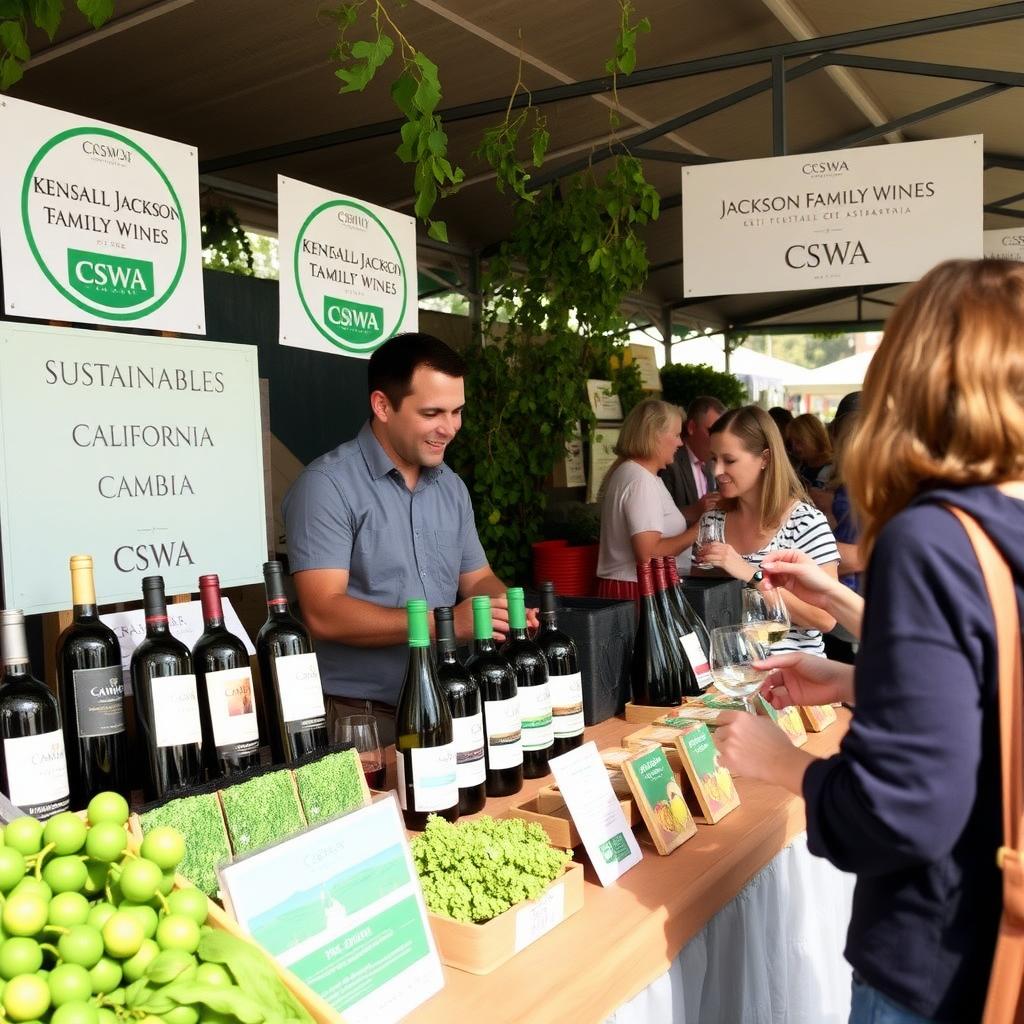
Next time you sip a California wine, check for the CSWA certification. It’s a sign that the winery cares about the land, the people, and the future. Whether you’re a fan of Kendall-Jackson’s Chardonnay or Cambria’s Pinot Noir, you’re supporting a movement that’s making wine better for everyone.
Summary
The California Sustainable Winegrowing Alliance leads the charge for eco-friendly winemaking, with rigorous standards that protect the environment and communities. Jackson Family Wines exemplifies this commitment, blending innovation with tradition across their diverse wine brands. By choosing certified wines, you’re part of a greener future. Want to learn more? Check out the recommended readings below.