Understanding Terroir: The Science Behind Wine's Sense of Place
Overview
Terroir is the magic behind why wines from different regions taste so unique. It’s the blend of nature—soil, climate, topography—and human touch that gives wine its sense of place. This article dives into Understanding Terroir: The Science Behind Wine’s Sense of Place, exploring how environmental factors and winemaking practices, like those at Beringer, create distinctive flavors. We’ll also touch on how climate change is reshaping this delicate balance.
What Is Terroir?
Terroir, a French term meaning 'land' or 'earth,' describes how a specific place influences a wine’s character. It’s not just about the soil or weather—it’s the whole package: climate, geology, grape variety, and even the winemaker’s choices. Think of terroir as a wine’s fingerprint, making a Napa Valley Cabernet Sauvignon taste different from one grown in Bordeaux, even if the same grape is used.
The concept of terroir is central to The Role of Terroir in Wine Quality. It’s why regions like Tuscany or Bordeaux have strict rules about grape varieties and winemaking to protect their unique styles. Terroir explains why a wine feels like it belongs to its home, carrying flavors you can’t replicate elsewhere.
The Science of Terroir: Key Components
Terroir is a mix of measurable factors that shape a wine’s flavor and aroma. Let’s break it down:
Soil
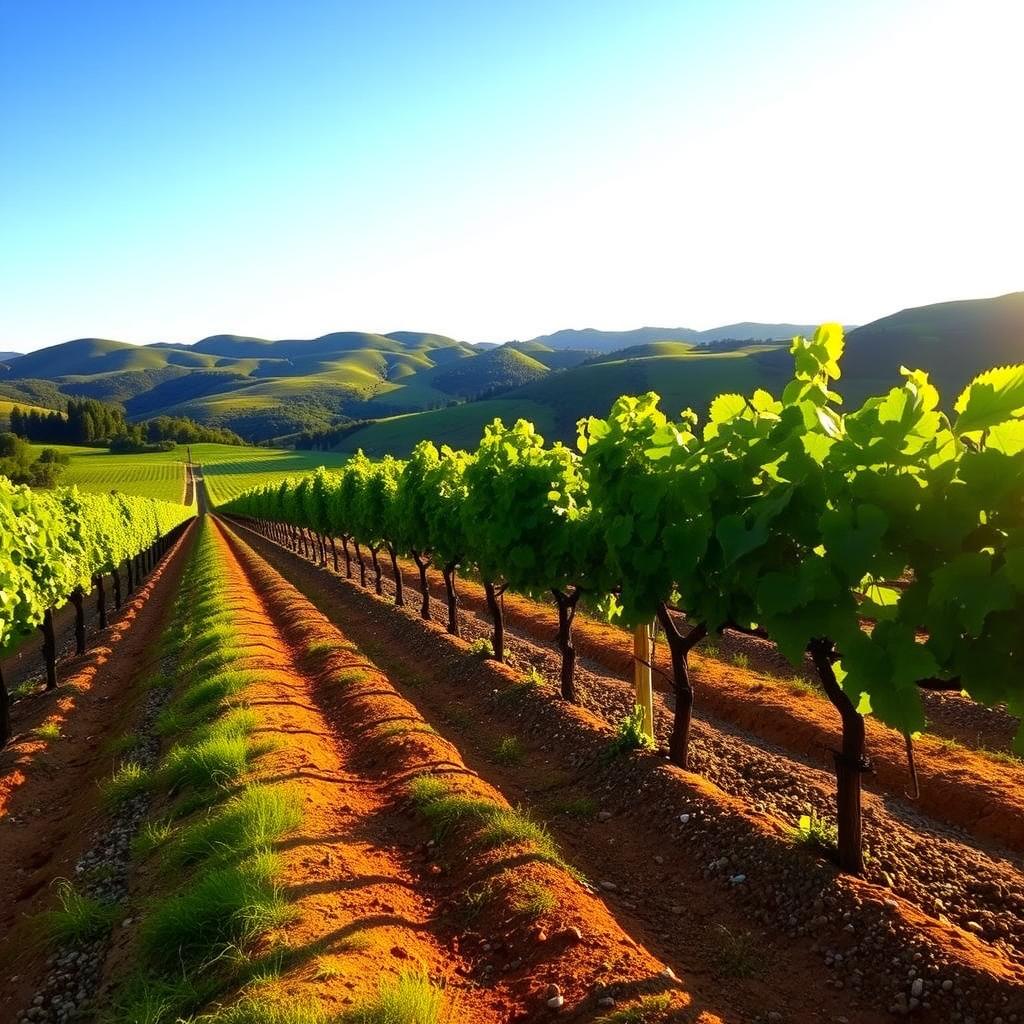
Soil is a big player in terroir. Different soils—like limestone, clay, or gravel—affect how vines grow and what flavors the grapes develop. For example, limestone soils in Chablis give Chardonnay a crisp, mineral taste. Soil also impacts water retention and nutrient availability, which influence grape quality. Contrary to popular belief, you don’t taste the soil itself in wine, but its properties shape the grape’s ripening process, as noted in research from the University of Bordeaux.
Climate
Climate drives how grapes ripen. Warm regions, like parts of California, produce bold, fruit-forward wines, while cooler climates, like Oregon, yield more delicate, acidic ones. Temperature, sunlight, and rainfall all matter. For instance, too much rain can dilute flavors, while moderate drought stress can concentrate them.
Topography
The lay of the land—hills, valleys, or flat plains—affects how sunlight and water reach the vines. South-facing slopes in the Northern Hemisphere get more sun, ripening grapes faster. Elevation also plays a role; higher vineyards, like those in Mendoza, Argentina, often produce fresher wines due to cooler nights.
Microbial Influence
Microbes in the soil and on grape skins, including yeasts, add another layer to terroir. These tiny organisms can influence fermentation, creating unique aromas. A study from The University of Melbourne highlights how regional yeast strains can give wines distinct flavor profiles, a concept called microbial terroir.
Human Influence on Terroir
While nature sets the stage, humans refine the performance. Winemakers make choices that amplify or adjust terroir’s effects:
- Grape Variety: Choosing the right grape for a region’s climate and soil is key. For example, Pinot Noir thrives in cooler climates like Burgundy, while Cabernet Sauvignon loves the warmth of Napa Valley.
- Vineyard Practices: Techniques like organic farming or canopy management (adjusting leaves to control sunlight) shape how terroir expresses itself.
- Winemaking Decisions: Using wild yeasts or oak barrels can enhance or mask terroir’s natural traits.
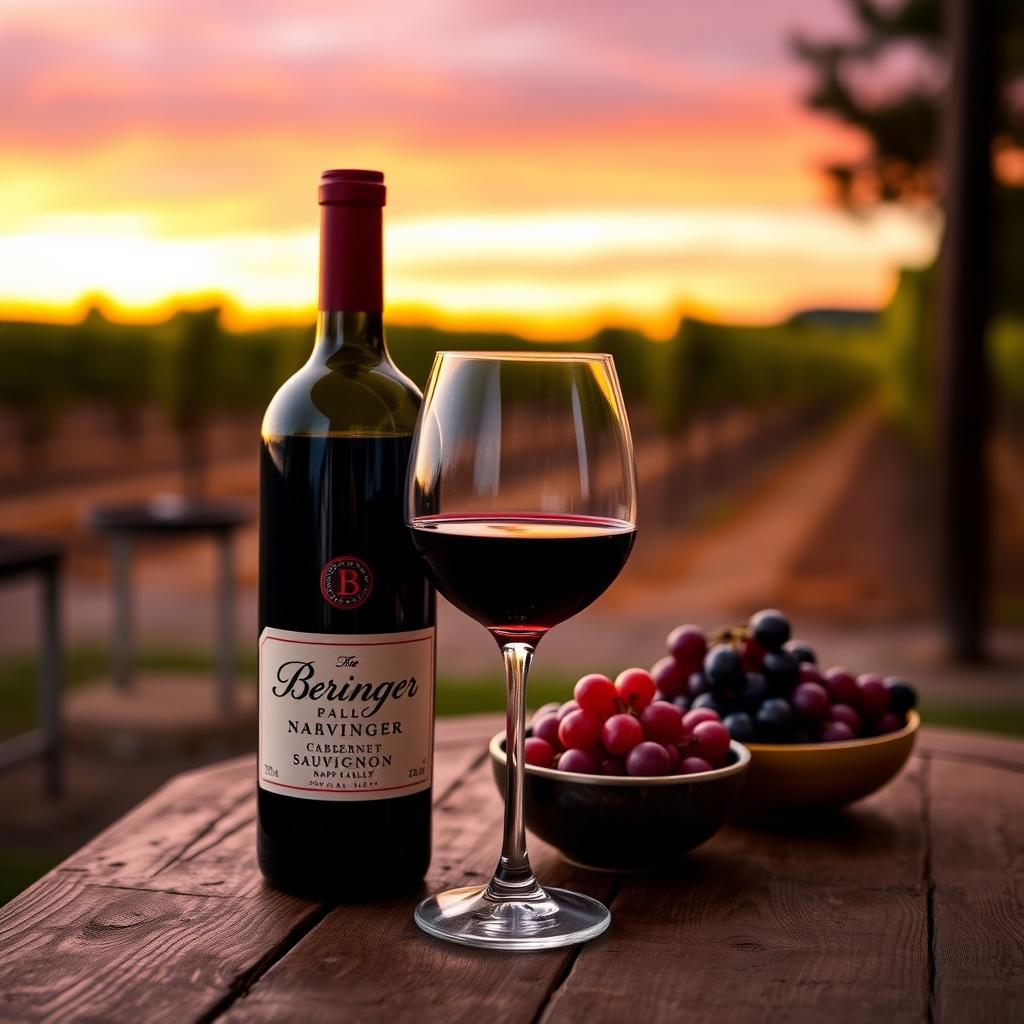
Take Beringer, a renowned Napa Valley winery, as an example. Their Beringer wine production process emphasizes terroir by carefully selecting vineyard sites with unique soil and climate profiles. Beringer’s Knights Valley Cabernet Sauvignon, grown in volcanic soils, has bold fruit and firm tannins, while their Howell Mountain grapes, from higher elevations, produce more structured, intense wines. These choices show how winemakers work with terroir to craft distinct bottles.
Climate Change and Its Impact on Viticulture
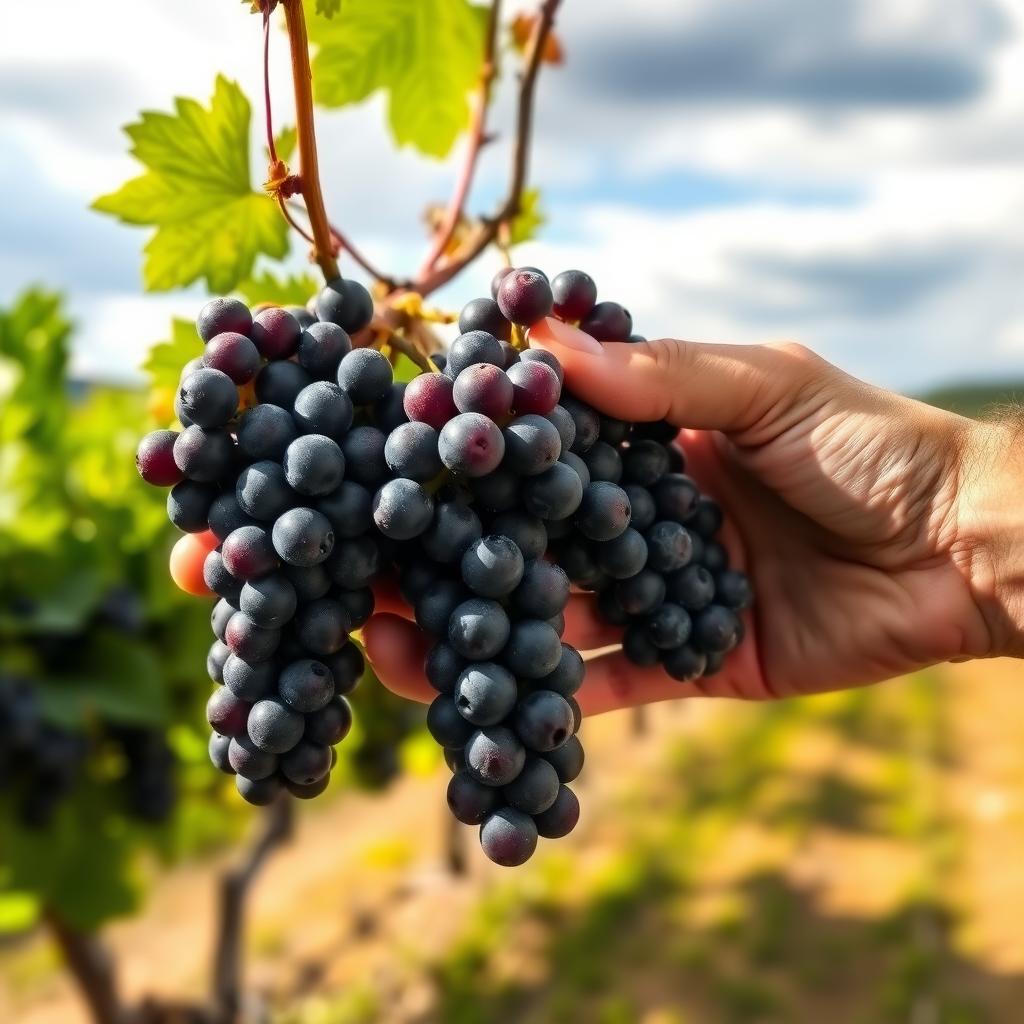
Climate change is shaking up terroir. According to the International Organisation of Vine and Wine, rising temperatures and shifting weather patterns are altering grape ripening and wine styles. Warmer climates can lead to earlier harvests, higher sugar levels, and lower acidity, changing a wine’s balance. For example, Bordeaux has seen earlier ripening in recent years, affecting the classic profile of its wines.
Some regions are adapting by planting grapes suited to warmer conditions, like Syrah in cooler areas. Others, like Beringer, use precision viticulture—technologies like drones and sensors—to monitor soil moisture and adjust irrigation. These adaptations aim to preserve terroir’s essence despite changing climates. The International Organisation of Vine and Wine emphasizes that research into grape genetics and sustainable practices is key to protecting wine quality in the future.
How Terroir Shapes Wine Quality
The Role of Terroir in Wine Quality is undeniable. It’s why a single-vineyard wine often costs more—it’s a unique expression of place. Terroir-driven wines, like those from Burgundy’s Grand Cru vineyards, are prized for their complexity and authenticity. Consumers today value this sense of place, seeking wines that tell a story of their origin.
However, terroir isn’t just about nature. It’s also a cultural concept. In France, terroir ties to tradition and regional pride, while New World regions like Napa Valley use it to highlight innovation. Beringer, for instance, showcases terroir through its single-vineyard wines, letting each plot’s unique traits shine. This balance of science and storytelling makes terroir so compelling.
Debunking Terroir Myths
Some myths cloud the terroir conversation. One common belief is that you can taste the soil’s minerals in wine. Science says otherwise—grapes don’t absorb minerals in a way that directly translates to taste. Instead, soil affects vine health and grape ripening, indirectly shaping flavor. Another myth is that terroir is fixed. In reality, it evolves with climate, technology, and human practices.
Skeptics, like viticulture professor Mark Matthews, argue terroir lacks rigorous scientific backing and is partly a marketing tool. Yet, countless studies, like those from Frontiers in Environmental Science, show measurable links between environmental factors and wine characteristics. Terroir is real, but it’s complex and not fully reducible to simple formulas.
Why Terroir Matters to Wine Lovers
For wine enthusiasts, terroir is a window into a wine’s story. It’s why a Sauvignon Blanc from New Zealand’s Marlborough region tastes zesty and tropical, while one from France’s Sancerre is lean and mineral-driven. Understanding terroir helps you appreciate why wines differ and choose bottles that match your taste.
It also connects you to the land and people behind the wine. When you sip a Beringer wine, you’re tasting Napa Valley’s volcanic soils, sunny days, and the winemaker’s craft. Terroir makes every bottle a journey, linking you to a specific place and moment.
Summary
Terroir is the heart of what makes wine special. It’s the interplay of soil, climate, topography, microbes, and human skill that gives each bottle its unique sense of place. From Beringer’s meticulous vineyard practices to the challenges posed by climate change, terroir shapes wine quality and tells a story in every glass. As science deepens our understanding, terroir remains a blend of nature, culture, and innovation.