Wine Tasting Techniques for Beginners: Master the Essentials of Tasting
Overview
Wine tasting can feel intimidating, but it’s a skill anyone can learn with practice. Wine Tasting Techniques for Beginners: Master the Essentials of Tasting is about breaking down the process into simple, actionable steps. This guide will help you understand how to taste wine, develop your palate, and enjoy the experience with confidence.
Why Wine Tasting Matters
Tasting wine isn’t just about drinking—it’s about experiencing the flavors, aromas, and stories behind each bottle. Whether you’re sipping a crisp Sauvignon Blanc or a bold Cabernet Sauvignon, learning to taste properly deepens your appreciation. It’s like learning to listen to music: once you know what to listen for, every note becomes richer.
When I first started tasting wine, I was overwhelmed. I’d swirl my glass, take a sip, and wonder what I was supposed to notice. Was it fruity? Earthy? I had no clue. But with practice, I learned that wine tasting is about slowing down and engaging your senses. Let’s walk through the essentials so you can start your journey.
Step 1: Look at the Wine
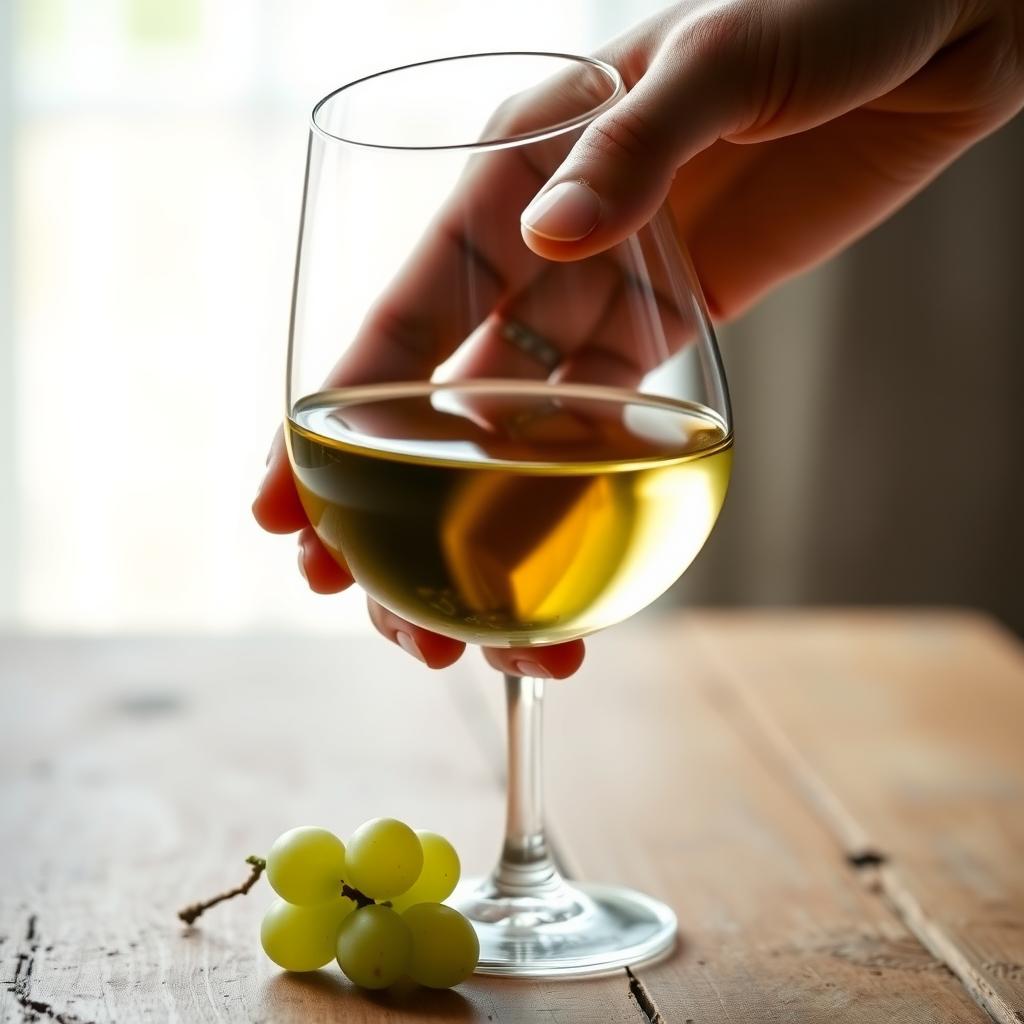
Before you sip, observe the wine in your glass. Hold it up to the light or tilt it against a white background. Notice its color and clarity. Is it a deep ruby red or a pale straw yellow? Does it look cloudy or clear? The color can hint at the wine’s age or grape variety. For example, younger white wines are often pale, while older ones turn golden.
According to The University of California, Davis Viticulture and Enology Department, a wine’s appearance can reveal details about its production and age. Younger reds, for instance, often have vibrant hues, while aged reds may show brick-like tones. Take a moment to appreciate these visual cues—they’re your first clue to the wine’s story.
Step 2: Swirl and Smell
Swirling the wine in your glass releases its aromas. Hold the stem, give it a gentle swirl, and bring the glass to your nose. Inhale deeply. What do you smell? Fruits like apple or cherry? Maybe herbs, spices, or something earthy? This is where A Guide to Wine Tasting: Developing Your Palate comes to life. Your nose does most of the work in tasting, as smell shapes flavor perception.
When I started, I struggled to identify aromas. A friend suggested focusing on broad categories first: fruit, floral, or savory. Over time, I could pick out specific notes like blackberry or vanilla. Practice by comparing wines side by side. For example, try a Pinot Noir and a Merlot to spot differences.
Step 3: Taste with Intention
Now, take a small sip and let the wine sit on your tongue for a moment. Roll it around your mouth to engage all your taste buds. Pay attention to the wine’s:
- Sweetness: Is it dry (no sweetness) or sweet like a dessert wine?
- Acidity: Does it feel crisp or tart, like a bite of green apple?
- Tannins: For reds, do you feel a drying sensation, like strong tea?
- Body: Is it light like skim milk or full like cream?
- Finish: What flavors linger after you swallow?
The Wine Institute explains that tasting engages multiple senses, helping you understand a wine’s balance. Don’t rush this step. Savor the wine and let its flavors unfold.
Step 4: Reflect and Compare
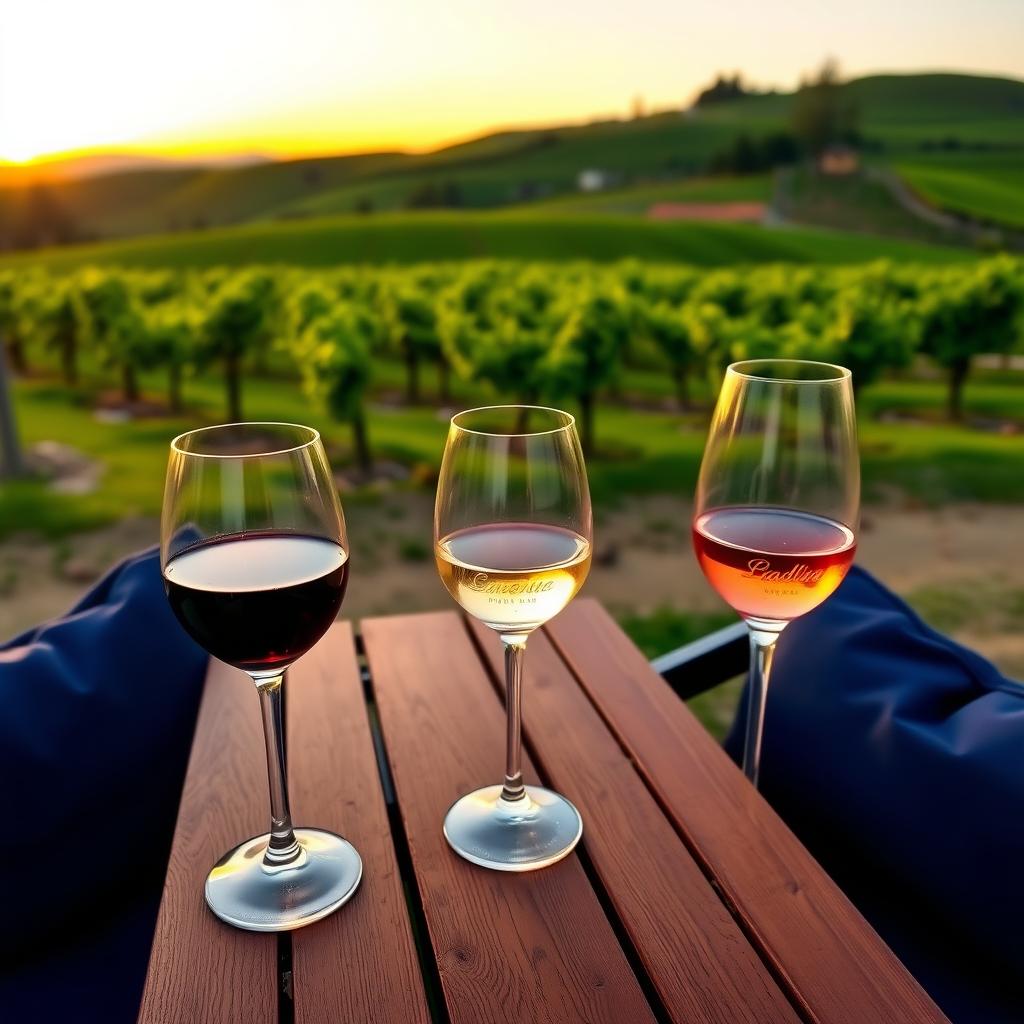
After tasting, think about what you experienced. Did you like the wine? Why or why not? Write down your thoughts to track your preferences. This reflection is key to developing your palate. Over time, you’ll notice patterns—like preferring crisp whites over heavy reds.
Joining a wine club, like the Jackson Family Wines wine club membership, can help. These memberships often send curated selections with tasting notes, giving you a chance to compare wines and learn from experts. I joined a wine club early on, and the guided tastings helped me understand why I enjoyed certain bottles.
Understanding the Basics of Wine Making
To taste wine effectively, it helps to know a bit about The Art of Wine Making: A Beginner’s Guide. Wine starts with grapes, which are harvested, crushed, and fermented. The grape variety, climate, and winemaking choices—like oak aging or stainless steel fermentation—shape the final flavor.
For example, Jackson Family Wines emphasizes sustainable practices that influence their wines’ profiles. Their Chardonnay might taste buttery from oak aging, while their Sauvignon Blanc stays crisp from stainless steel. Knowing these processes adds depth to your tasting experience.
Practical Tips for Beginners
Here are some actionable tips to make wine tasting approachable:
| Tip | Description |
|---|---|
| Start with a variety | Taste different styles (red, white, rosé) to discover your preferences. |
| Use proper glassware | A tulip-shaped glass traps aromas better than a mug or plastic cup. |
| Keep a tasting journal | Note colors, aromas, and flavors to track your progress. |
| Taste with friends | Comparing notes with others sharpens your skills. |
| Stay hydrated | Drink water between sips to cleanse your palate. |
These habits helped me move from clueless to confident. Tasting with friends, especially, made it fun and less intimidating.
Common Mistakes to Avoid
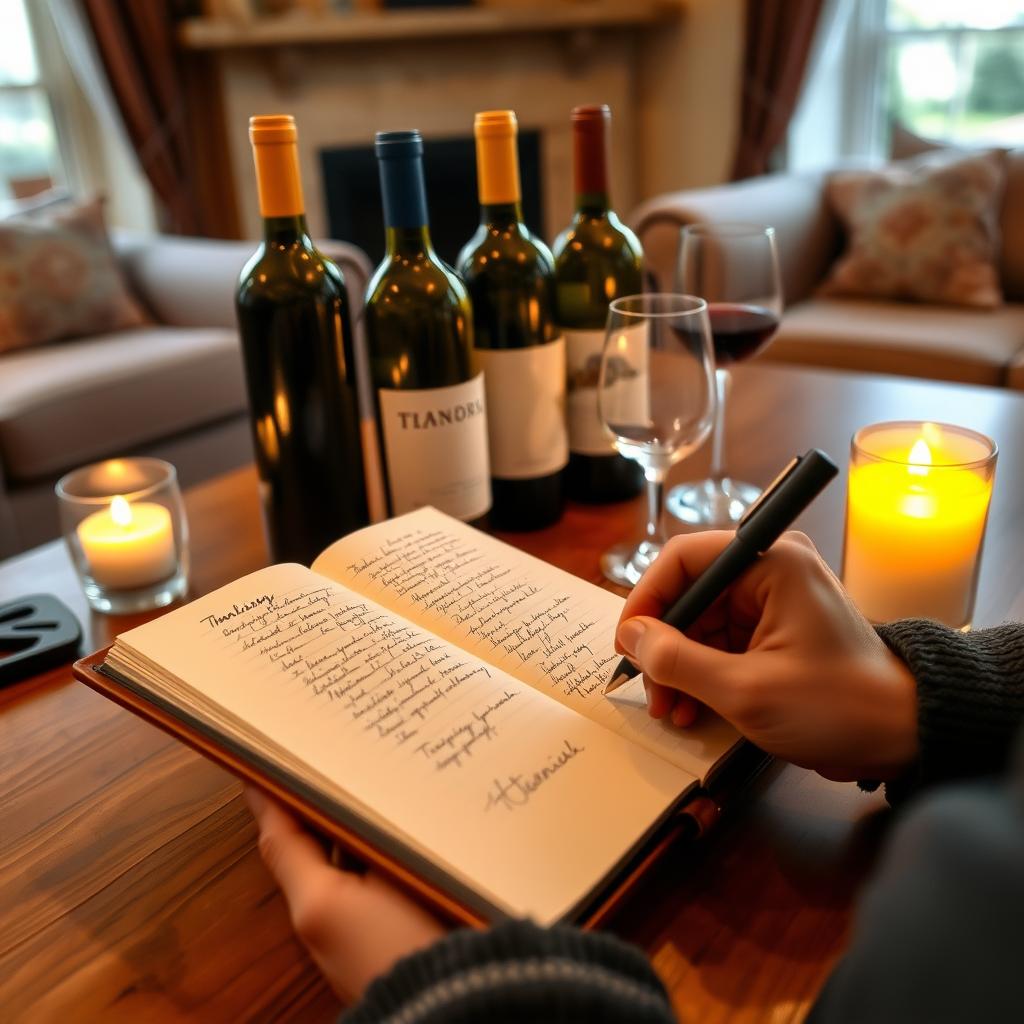
Beginners often make a few missteps. Here’s how to avoid them:
- Overcomplicating it: You don’t need to identify every flavor. Start simple.
- Drinking too fast: Sip slowly to notice nuances.
- Ignoring temperature: Serve whites chilled (45-50°F) and reds slightly below room temperature (60-65°F).
- Skipping the smell: Your nose unlocks half the experience.
A study from Cornell University’s Food Science Department shows that temperature affects flavor perception, so keep this in mind for the best experience.
Building Confidence Over Time
Tasting wine is a journey, not a race. The more you practice, the better you’ll get at picking out flavors and understanding what you enjoy. Visit local wineries, attend tastings, or explore wines from producers like Jackson Family Wines to broaden your palate. Each bottle is a chance to learn something new.
When I visited a winery for the first time, I was nervous about sounding inexperienced. But the staff was welcoming, and their guidance made the experience memorable. Don’t be afraid to ask questions or admit you’re new—it’s part of the fun.
Summary
Wine tasting is about engaging your senses and enjoying the process. By looking, swirling, smelling, tasting, and reflecting, you’ll develop your palate and gain confidence. Start with simple steps, avoid common mistakes, and practice regularly. Whether you’re exploring on your own or through a Jackson Family Wines wine club membership, the journey is rewarding. Keep tasting, keep learning, and most importantly, have fun.