Understanding Wine Labels: What to Look For
Overview
Wine labels can feel like a puzzle, but they’re your key to picking a bottle you’ll love. Whether you’re new to wine or a seasoned sipper, understanding wine labels helps you make informed choices. This guide breaks down what to look for, from grape types to regions, and even highlights special editions by Jackson Family Wines.
Why Wine Labels Matter
Standing in a wine aisle, surrounded by countless bottles, can be overwhelming. The label is your first clue about what’s inside. It’s not just about pretty designs—it tells you about the wine’s origin, quality, and taste. By learning to read labels, you’re not just guessing; you’re choosing with confidence. My first time buying wine, I picked a bottle because the label had a cool wolf on it. Spoiler: it wasn’t great. Let’s avoid that mistake together.
The Key Elements of a Wine Label
Wine labels pack a lot of info into a small space. Here’s what to focus on:
- Producer or Brand Name: This is the winery or company that made the wine. Big names like Jackson Family Wines stand out, but smaller producers might list their name in tiny print. Knowing the producer helps you gauge quality. For example, Jackson Family Wines is known for crafting premium wines across regions like Napa Valley and Sonoma.
- Grape Variety or Wine Type: This tells you what grapes were used, like Chardonnay or Cabernet Sauvignon. In the U.S., a wine labeled with a grape must contain at least 75% of that variety, per federal regulations. Some wines, especially European ones, might not list the grape but instead name the region, like Bordeaux (often a blend of Cabernet Sauvignon and Merlot).
- Region or Appellation: This shows where the grapes were grown. Regions like Napa Valley or Tuscany hint at the wine’s style and quality. Appellations are legally protected areas, ensuring the grapes come from that specific place. For instance, a Napa Valley label means at least 75% of the grapes are from there.
- Vintage: The year the grapes were harvested. It matters because weather affects grape quality. A 2019 Napa Valley Cabernet might taste richer than a 2020 due to climate differences. Non-vintage (NV) wines blend grapes from multiple years for consistency, common in sparkling wines.
- Alcohol by Volume (ABV): This percentage indicates the wine’s strength. Wines with higher ABV (13.5% or more) often taste bolder, while lower ABV (under 12%) wines feel lighter. Check this if you prefer a specific intensity.
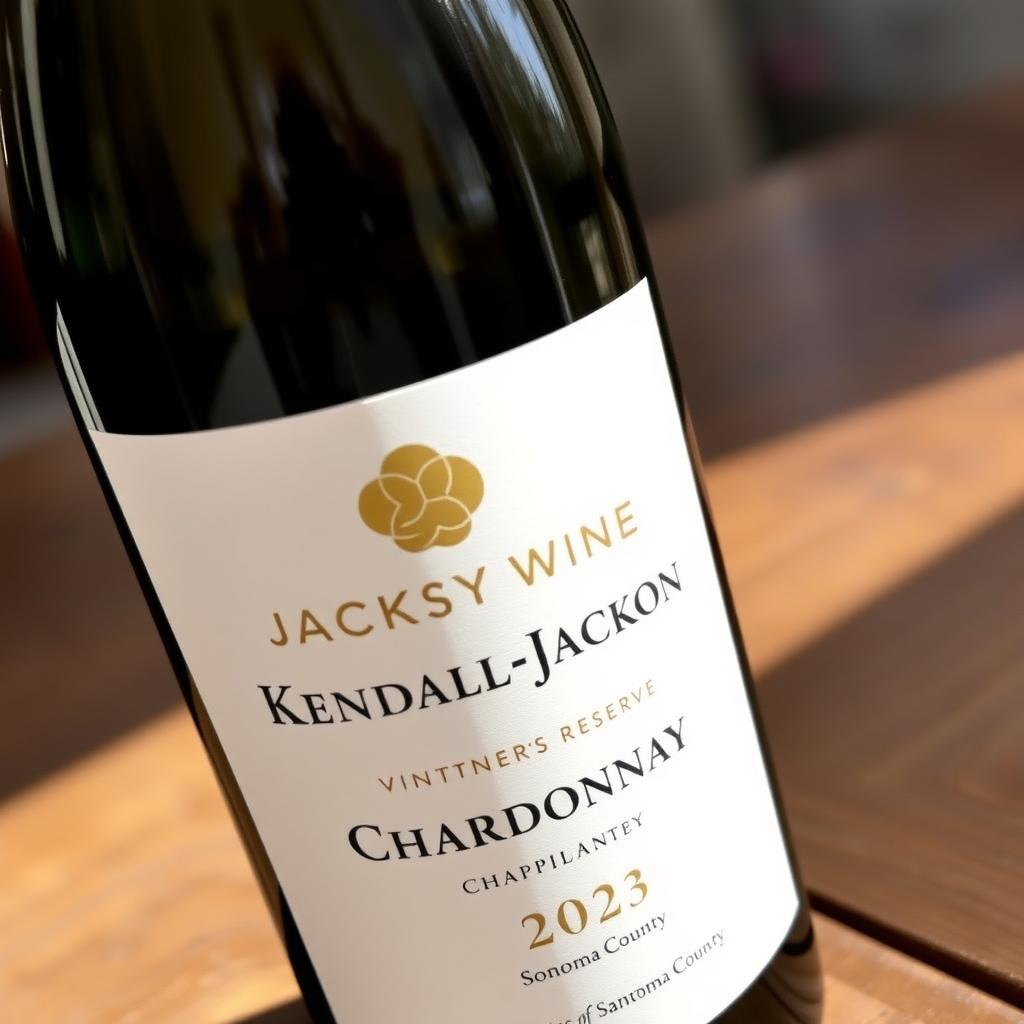
Old World vs. New World Labels
Wine labels differ depending on where the wine is made. Old World wines (Europe, like France or Italy) often focus on the region rather than the grape. A bottle labeled 'Chianti' is made from Sangiovese grapes, but you won’t always see that on the label. New World wines (U.S., Australia, Chile) are more straightforward, listing the grape variety prominently, like 'Pinot Noir' from Jackson Family Wines. Understanding this difference saved me from buying a 'Bordeaux' expecting a single grape when it was actually a blend.
Decoding Special Terms
Some labels include terms that sound fancy but need context:
- Reserve or Riserva: In the U.S., 'Reserve' is often a marketing term with no strict rules. In Italy, 'Riserva' (like Chianti Riserva) means the wine was aged longer, often indicating higher quality. For example, special editions by Jackson Family Wines, like their Grand Reserve, often highlight premium quality with certifications like the California Sustainable Winegrowing Alliance (CSWA) logo.
- Estate Bottled: This means the wine was made and bottled at the winery’s own vineyard, suggesting more control over quality.
- Old Vines: Implies grapes from older vines, which can produce richer flavors, but there’s no legal age requirement for the term.
These terms can guide your choice, but don’t assume they always mean better wine. Research the producer’s reputation for clarity.
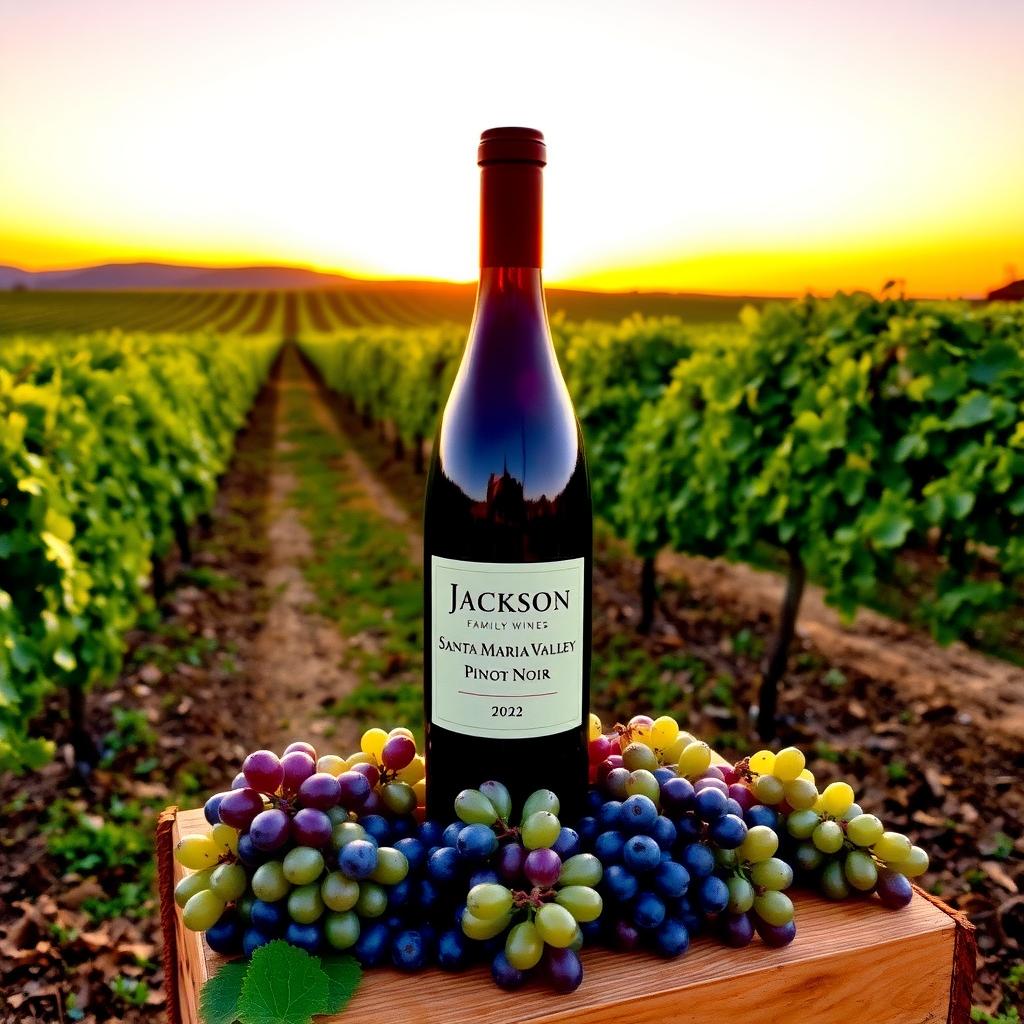
A Beginner’s Guide to Wine Tasting: Using Labels to Predict Taste
Labels don’t just tell you what’s in the bottle—they hint at how it’ll taste. Here’s how to use them during wine tasting:
- Check the Grape Variety: Grapes like Sauvignon Blanc suggest crisp, citrusy flavors, while Merlot leans softer and fruitier. If the label doesn’t list the grape (common in Old World wines), research the region. For example, Sancerre is typically Sauvignon Blanc.
- Note the Region: Climate and soil affect taste. Napa Valley Cabernets are bold and fruity, while Bordeaux blends are more earthy. Jackson Family Wines, with estates in California and beyond, offers diverse styles from regions like Sonoma and Santa Barbara.
- Consider the Vintage: A warm year might mean riper, sweeter grapes, while a cooler year could produce more acidic wines. Check vintage charts from trusted sources like Wine Enthusiast’s Vintage Guide for insights.
- Look at ABV: Higher ABV often means a fuller-bodied wine, great for hearty meals, while lower ABV suits lighter dishes.
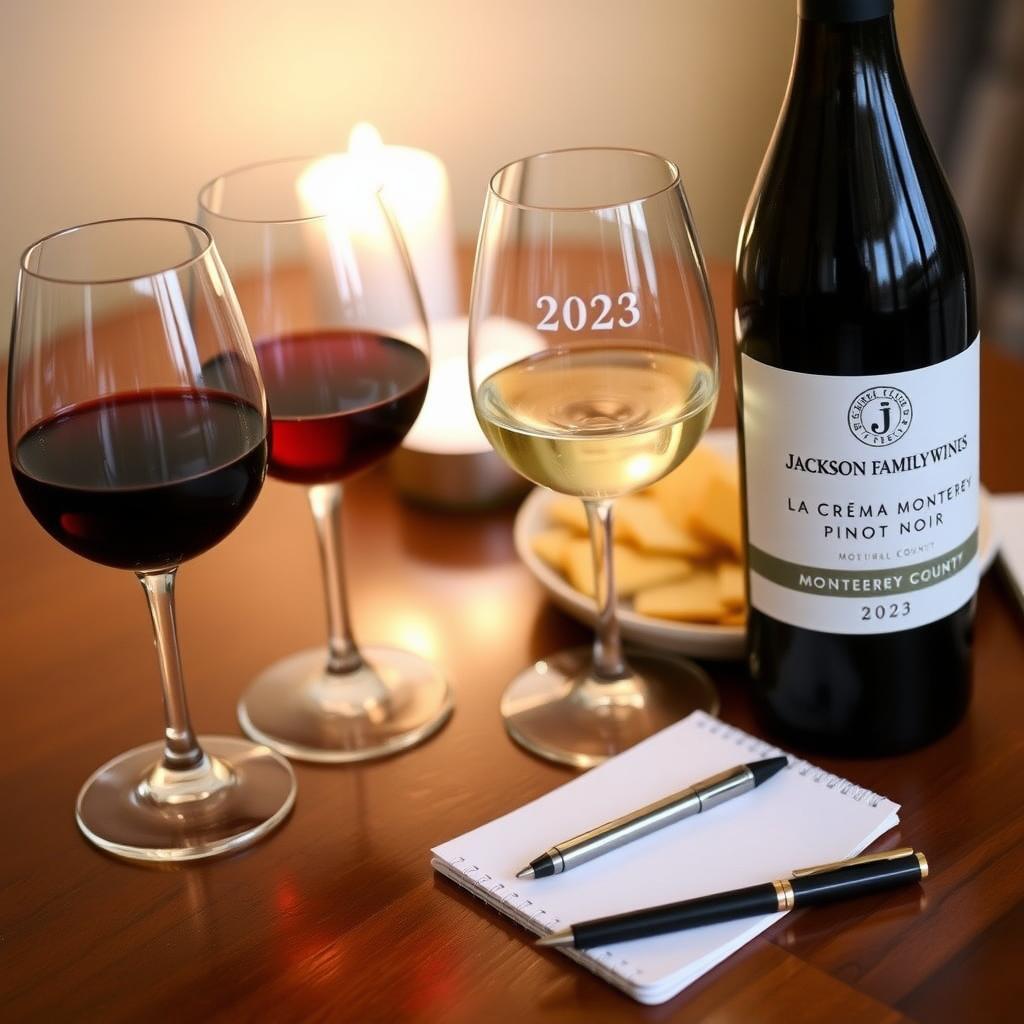
When I started tasting wines, I kept a small notebook to jot down what I liked about certain labels—grape, region, or producer. It helped me spot patterns in my preferences.
Special Editions by Jackson Family Wines
Jackson Family Wines stands out for its diverse portfolio and commitment to quality. Their special editions, like the Kendall-Jackson Grand Reserve or Vintner’s Reserve, are crafted with precision, often from specific vineyards. These bottles often include sustainability certifications, like the CCSW logo, reflecting their eco-conscious practices. For example, their Vintner’s Reserve Chardonnay is a crowd-pleaser with its balanced apple and citrus notes, perfect for beginners. Checking the label for these details can guide you to a premium experience.
Common Pitfalls to Avoid
Don’t fall for these traps when reading labels:
- Fancy Designs: A beautiful label doesn’t guarantee great wine. I’ve been burned by stunning bottles that tasted flat.
- Misleading Terms: Words like 'Reserve' or 'Special Selection' sound impressive but might not mean much without regulation.
- Ignoring ABV: A high ABV wine might overpower a light meal. Match the wine to your occasion.
- Assuming Older is Better: Not all wines improve with age. Most are meant to be drunk young, especially non-vintage wines.
A quick check of the producer’s reputation on sites like Wine-Searcher can save you from a disappointing purchase.
Practical Tips for Choosing Wine
Here’s a simple checklist to use in the store:
| Step | Action |
|---|---|
| 1 | Identify the producer or brand. Trusted names like Jackson Family Wines are a safe bet. |
| 2 | Check the grape variety or region to predict the flavor profile. |
| 3 | Note the vintage to understand the wine’s age and potential taste. |
| 4 | Look at ABV to match the wine’s intensity to your meal or mood. |
| 5 | Research any special terms like 'Reserve' or 'Estate Bottled' for clarity. |
Ask store staff for help, especially at smaller shops. They often know the wines well and can point you to gems.
Summary
Understanding wine labels is like learning a new language—it takes practice but opens up a world of flavors. Focus on the producer, grape, region, vintage, and ABV to make smart choices. Brands like Jackson Family Wines make it easier with clear, quality-driven labels. Next time you’re shopping, use this guide to pick a bottle that suits your taste and occasion.