The Impact of Climate Change on Wine Production
Overview: A Changing Climate for Wine
Climate change is transforming the world of wine. Rising temperatures, erratic weather, and shifting seasons are challenging vineyards globally. From Bordeaux to Napa Valley, winemakers are adapting to protect their grapes and preserve the essence of their wines. This article dives into how these changes are reshaping wine production and what it means for the future.
How Climate Shapes Wine: A Terroir Deep Dive
Wine is more than just a drink; it’s a story of the land. The concept of terroir—how soil, climate, and geography shape a wine’s flavor—is central to winemaking. But as climate change alters these elements, the traditional idea of terroir is evolving. What Is Terroir and Why It Matters - Wine Spectator explains that terroir is the unique fingerprint of a vineyard’s environment. A warmer climate can ripen grapes faster, boosting sugar levels but sometimes reducing acidity, which affects a wine’s balance.
In regions like Tuscany, hotter summers are producing bolder, fruitier wines. Meanwhile, cooler regions like England are now growing grapes for sparkling wines, a feat unimaginable decades ago. I’ve visited vineyards in Oregon where winemakers shared how unpredictable rains have forced them to rethink harvest schedules. These shifts show how deeply climate shapes wine.
The Challenges of a Warming World
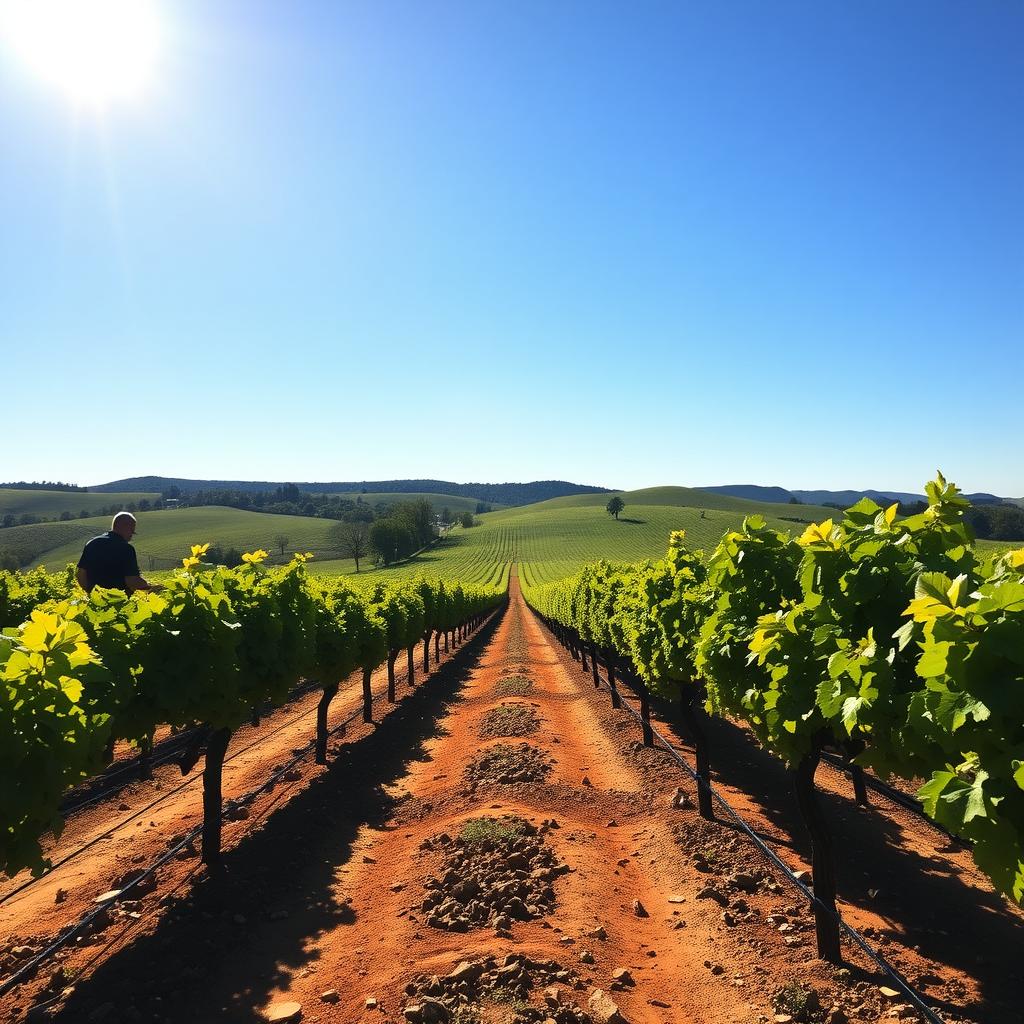
Rising temperatures are just one piece of the puzzle. Droughts, wildfires, and extreme weather events are hitting wine regions hard. In California, wildfires have tainted grapes with smoky flavors, a phenomenon called 'smoke taint.' During a tour of a Napa Valley winery, I learned how some producers now use specialized filters to remove these unwanted flavors.
Water scarcity is another hurdle. Vineyards in arid regions like Australia are struggling with less rainfall. Winemakers are turning to drip irrigation and drought-resistant grape varieties to cope. But these solutions aren’t cheap, and smaller vineyards often lack the resources to adapt quickly.
Here’s a quick look at the major climate-related challenges:
| Challenge | Impact on Wine Production |
|---|---|
| Rising Temperatures | Faster grape ripening, altered flavors |
| Drought | Reduced yields, stressed vines |
| Wildfires | Smoke taint, damaged vineyards |
| Erratic Weather | Unpredictable harvests, quality issues |
These challenges are forcing winemakers to rethink traditional practices, from planting to bottling.
Adapting to Change: Innovations in Winemaking
Winemakers aren’t standing still. Many are embracing new techniques to protect their vineyards. Jackson Family Wines: Organic Vineyard Secrets highlights how organic farming can build resilience. By using cover crops and compost, some vineyards are improving soil health to retain water better. I’ve seen this firsthand in Sonoma, where a winemaker showed me how native plants between vine rows help conserve moisture.
Other innovations include: - New Grape Varieties: Planting heat-tolerant grapes like Grenache or Syrah in warmer regions. - Canopy Management: Adjusting vine leaves to shield grapes from intense sun. - Harvest Timing: Picking grapes at night to preserve freshness in hot climates.
In Bordeaux, some estates are experimenting with hybrid grapes that resist heat and disease. These adaptations show how winemakers are balancing tradition with innovation to keep producing high-quality wines.
The Future of Terroir
Understanding Terroir: The Connection Between Land and Wine reminds us that terroir is about more than just climate—it’s about culture and history too. As climates shift, some iconic wine regions may lose their signature styles. For example, Pinot Noir from Burgundy might become fuller-bodied, resembling wines from warmer regions. This could blur the lines between traditional wine regions.
On the flip side, new regions are emerging. I recently tasted a crisp white wine from a vineyard in southern Sweden, a place where grape-growing was once impossible. These new frontiers are exciting, but they also raise questions about preserving the heritage of classic wine regions. Will Bordeaux still be Bordeaux in 50 years? Winemakers are working hard to ensure it is.
Sustainability: A Path Forward
Sustainability is no longer optional—it’s essential. Many vineyards are adopting eco-friendly practices to reduce their environmental impact. Organic and biodynamic farming are gaining traction, as seen in Jackson Family Wines: Organic Vineyard Secrets. These methods not only help the planet but also produce wines with vibrant, authentic flavors.
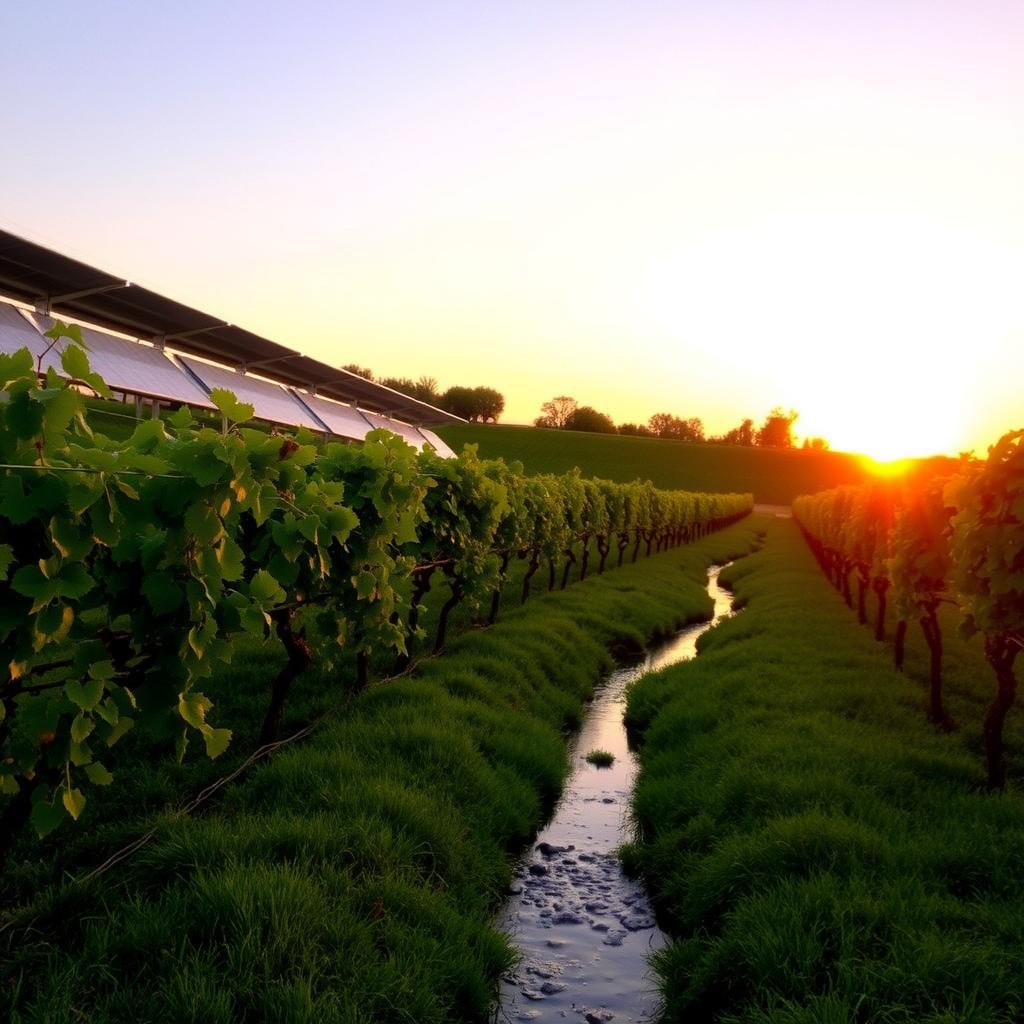
Some wineries are going further: - Solar Power: Using renewable energy to power operations. - Water Recycling: Treating and reusing water for irrigation. - Carbon Neutrality: Offsetting emissions through reforestation or carbon credits.
During a visit to a Chilean winery, I was impressed by their rainwater harvesting system, which supplied nearly all their irrigation needs. These efforts show how the wine industry is stepping up to combat climate change while protecting their craft.
A Personal Perspective
As someone who loves wine, I’ve seen how climate change is reshaping the industry. Tasting a glass of Cabernet from a drought-stricken year or a sparkling wine from a new region like England feels like tasting history in the making. Winemakers are storytellers, and their stories are now about resilience and adaptation. Every bottle reflects not just the land but the challenges and creativity of those who tend it.
The next time you sip a glass of wine, think about the journey it took to reach you. From shifting seasons to innovative farming, the impact of climate change on wine production is real—but so is the determination to keep the wine flowing.
Summary
Climate change is reshaping wine production, from altering terroir to introducing new challenges like drought and wildfires. Winemakers are adapting with innovative techniques, sustainable practices, and a commitment to preserving the essence of their wines. As new regions emerge and traditions evolve, the wine industry is proving its resilience in the face of a warming world.