The Science of Cooking with Wine: Unlocking Flavor Secrets in Your Kitchen
A Quick Sip into the World of Wine in the Kitchen
Ever wondered why a splash of wine turns a simple sauce into something magical? The Science of Cooking with Wine reveals how acids, tannins, and alcohol transform everyday dishes. In this guide, we'll break it down simply, share tips from my own kitchen adventures, and help you pair food with Jackson Family Wines like a pro. Get ready to cook smarter and taste better.
Why Wine Works Wonders: The Basics of Flavor Chemistry
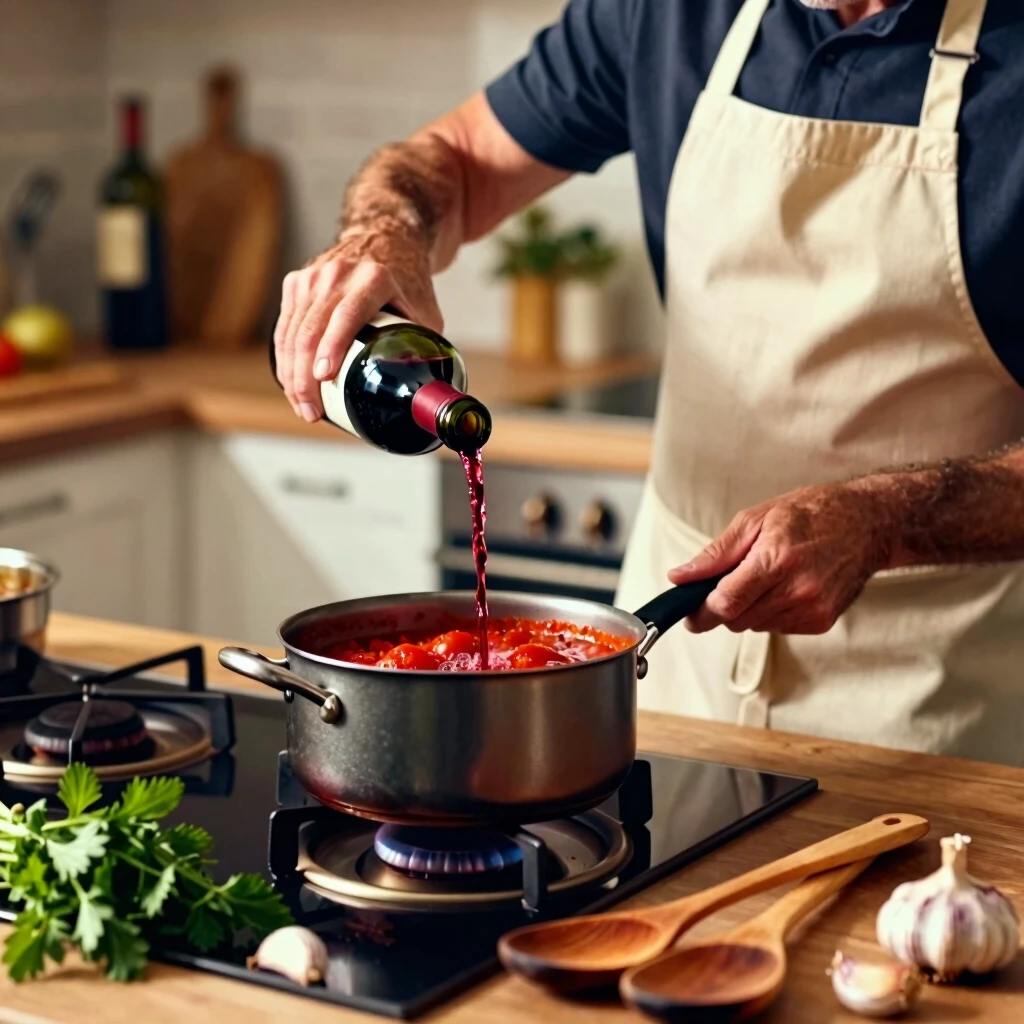
I remember my first attempt at a beef stew. It was bland until I stirred in some red wine. Suddenly, the flavors deepened, like the dish had come alive. That's the power of wine in cooking—it's not just liquid; it's a flavor booster backed by science.
Wine brings acidity to balance richness. Think of it as a brightener for heavy creams or meats. Tannins from red wines add structure, much like they do in a sip of Cabernet, preventing sauces from tasting flat. And alcohol? It extracts aromas from ingredients, carrying them straight to your nose and palate.
But here's a key insight: not all alcohol vanishes in the heat. Studies show that even after an hour of simmering, up to 25% remains. This means your dish keeps a subtle warmth without overpowering. For a deeper dive, check out this research from Idaho State University on alcohol retention in cooked foods. It changed how I time my additions—no more guessing games.
From my experience, starting with a quick sauté of onions in butter, then deglazing with wine, unlocks umami like nothing else. The acids cut through fats, while sugars caramelize for sweetness. It's simple chemistry: ethanol dissolves compounds that water can't, blending everything into harmony.
The Best Wines for Cooking: Choose Wisely for Maximum Impact
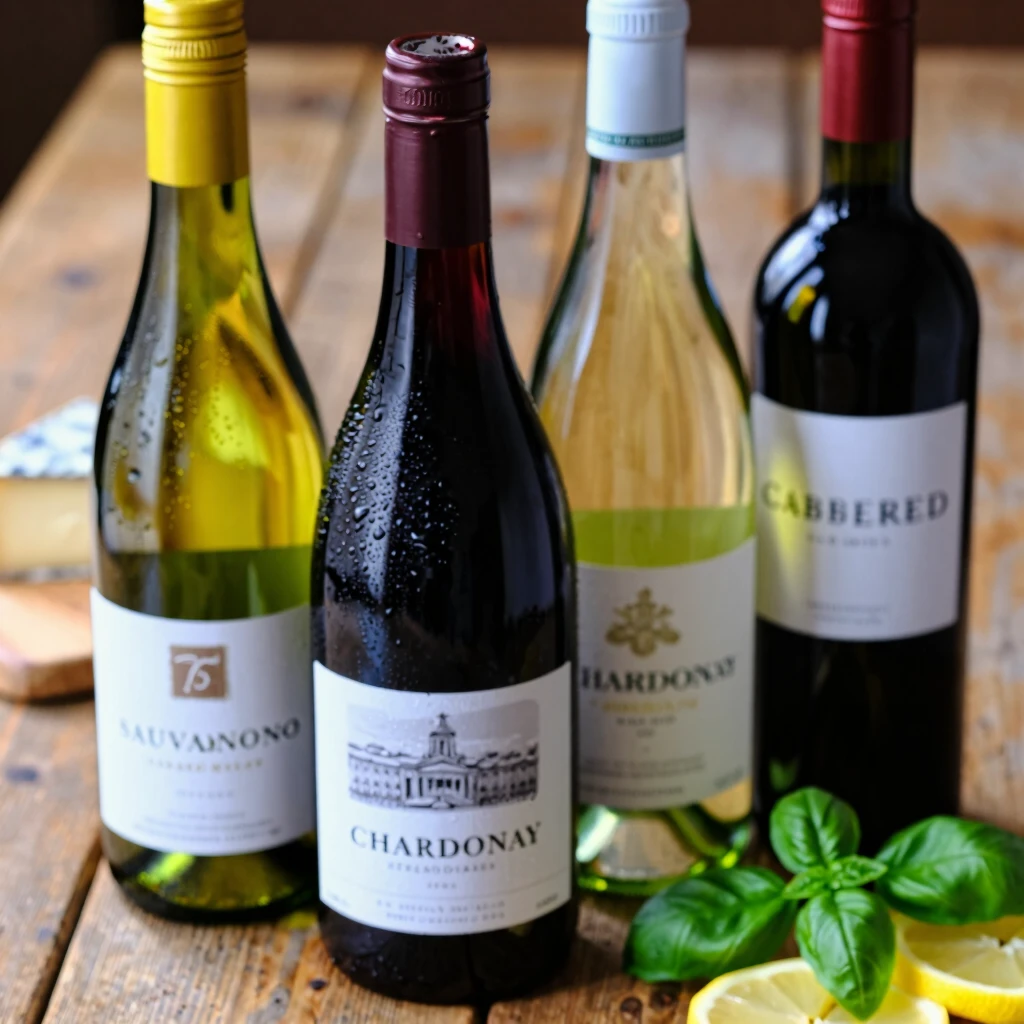
Picking the right bottle matters. I've ruined dishes with overly sweet wines that turned savory sauces cloying. The Best Wines for Cooking are dry ones—crisp whites for fish, robust reds for stews. Avoid 'cooking wines' from the store; they're salty and lack nuance. Instead, grab something you'd drink, just not your priciest vintage.
Here's a quick guide:
| Wine Type | Best For | Why It Works |
|---|---|---|
| Sauvignon Blanc | Seafood, salads | High acidity brightens delicate flavors |
| Pinot Noir | Poultry, mushrooms | Light tannins add earthiness without heaviness |
| Chardonnay (unoaked) | Creamy pastas | Subtle fruit notes enhance dairy |
| Cabernet Sauvignon | Red meats | Bold structure stands up to rich proteins |
The Culinary Institute of America emphasizes tannins' role in red wines for tenderizing meats—fascinating stuff. Read their guide on cooking with wine chemistry for pro tips. In my kitchen, a mid-range Pinot Noir from Jackson Family Wines has saved many a weeknight meal.
How Heat Transforms Wine: Timing Is Everything
Wine evolves in the pan. A quick flambé might keep more fruitiness, but long simmers mellow tannins, softening harsh edges. I've learned this the hard way—over-reduced wine can turn bitter. The trick? Add it early for deglazing, then reduce slowly.
Science backs this: heat breaks down alcohol first, concentrating flavors. According to the Exploratorium, cooking methods affect retention—baking leaves more than boiling. Their analysis of alcohol in recipes is eye-opening. Next time, I'll flambé with care; turns out it doesn't always enhance flavor as myths suggest.
Personally, I love experimenting with reduction sauces. Start with equal parts wine and stock, simmer until syrupy. It clings to pasta like a dream. Pair it with Jackson Family Wines at the table—their Kendall-Jackson Chardonnay mirrors the buttery notes perfectly.
Cooking with Wine - Recipes to Try at Home
Ready to roll up your sleeves? These easy recipes showcase wine's magic. I've tweaked them from family favorites, keeping them simple for busy nights.
Coq au Vin for Two
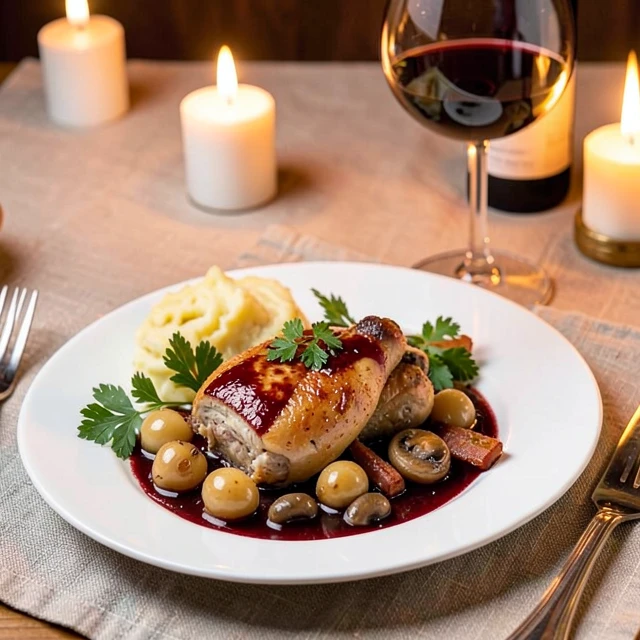
This French classic uses red wine to braise chicken until it's fall-off-the-bone tender.
Ingredients: - 4 chicken thighs - 1 onion, sliced - 2 carrots, chopped - 2 cups Pinot Noir (try Jackson Family's La Crema) - 1 cup chicken stock - Thyme sprigs - Bacon for rendering
Steps: 1. Crisp bacon, set aside. 2. Brown chicken in fat, remove. 3. Sauté veggies, deglaze with wine. 4. Return chicken, add stock and herbs; simmer 45 minutes. 5. Thicken with cornstarch if needed.
Serves meltingly tender results. Pro tip: The wine tenderizes via acidity—science at work!
Lemon-Wine Mussels
White wine steams mussels open, infusing briny sea with citrus zing.
Ingredients: - 2 lbs mussels - 1 shallot, minced - 1 cup Sauvignon Blanc - Juice of 1 lemon - Garlic and parsley
Steps: 1. Sauté shallot and garlic in butter. 2. Add wine, bring to boil. 3. Toss in mussels, cover 5 minutes. 4. Finish with lemon and herbs.
Fresh and fast—under 20 minutes. I pair it with crusty bread to sop up that golden broth.
Red Wine Risotto
Stir in wine for a ruby hue and deeper savoriness.
Ingredients: - 1 cup Arborio rice - 1/2 cup red wine (Merlot works) - 4 cups broth - Mushrooms and Parmesan
Steps: 1. Toast rice in oil. 2. Add wine, stir until absorbed. 3. Ladle in hot broth gradually, stirring. 4. Fold in mushrooms and cheese at end.
Creamy perfection. From trial and error, I know constant stirring releases starches—key to that velvety texture.
Pairing Food with Jackson Family Wines: From Stove to Table
Once your dish is done, the fun continues with pairing. Jackson Family Wines offers versatile options that echo cooking notes. Their portfolio spans crisp whites to bold reds, all from sustainable California vineyards.
For my Coq au Vin, sip their Hartford Family Vineyards Pinot Noir—the cherry undertones match the sauce's fruitiness. With mussels? Go for Siduri Sauvignon Blanc; its herbal zip complements lemon.
Pairing isn't random; it's about harmony. Acidity in wine cuts fat in food, while tannins grip proteins. I've hosted dinners where Jackson Family Wines stole the show—guests raved about how the La Crema Chardonnay elevated a creamy risotto. It's approachable luxury, rooted in family tradition since 1982.
A quick pairing chart:
| Dish | Jackson Family Wine | Why Pair? |
|---|---|---|
| Coq au Vin | La Crema Pinot Noir | Earthy tannins balance richness |
| Mussels | Kendall-Jackson Sauvignon Blanc | Citrus acidity refreshes seafood |
| Risotto | Hartford Chardonnay | Buttery oak mirrors creaminess |
These picks make everyday meals feel special. Pro insight: Chill reds slightly for better food synergy.
Wrapping It Up: Your New Favorite Kitchen Ally
The Science of Cooking with Wine boils down to this: a little knowledge turns good food great. From selecting The Best Wines for Cooking to mastering Cooking with Wine - Recipes to Try at Home, you've got tools for flavorful wins. Next time you're pairing food with Jackson Family Wines, savor the science behind every bite. Happy cooking—your taste buds will thank you.