Why Organic Wine Tastes Better and Helps the Planet
Organic wine isn't just a trend; it's a choice that can lead to better-tasting wine and a healthier planet. In this article, we'll explore the reasons behind this and how you can make informed choices when selecting your next bottle.
Why Does Organic Wine Taste Better?
One of the most compelling reasons to choose organic wine is the taste. Many wine enthusiasts and experts agree that organic wines often have a more authentic and nuanced flavor profile. But why is this the case?
First, organic wines are made from grapes grown without synthetic pesticides, herbicides, or fertilizers. This means the vines are encouraged to develop deeper root systems to access nutrients, which can lead to a more complex expression of the grape's character. Additionally, the absence of synthetic chemicals allows the natural yeasts present on the grape skins to play a more significant role in fermentation, contributing to unique and varied flavors.
For example, a study published in the Journal of Wine Research found that organic wines had higher levels of certain flavor compounds, such as esters and terpenes, which are associated with fruity and floral notes. This suggests that organic farming practices can enhance the sensory qualities of wine.
Moreover, organic winemakers often prioritize minimal intervention in the cellar, meaning they use fewer additives and processing aids. This can result in a wine that is a truer representation of the grape and the terroir, or the unique characteristics of the vineyard site.

Environmental Benefits of Organic Wine
Beyond taste, choosing organic wine is also a way to support environmentally friendly practices. Conventional winemaking often relies on synthetic chemicals that can harm ecosystems and contribute to pollution. In contrast, organic winemaking emphasizes natural methods that promote biodiversity and soil health.
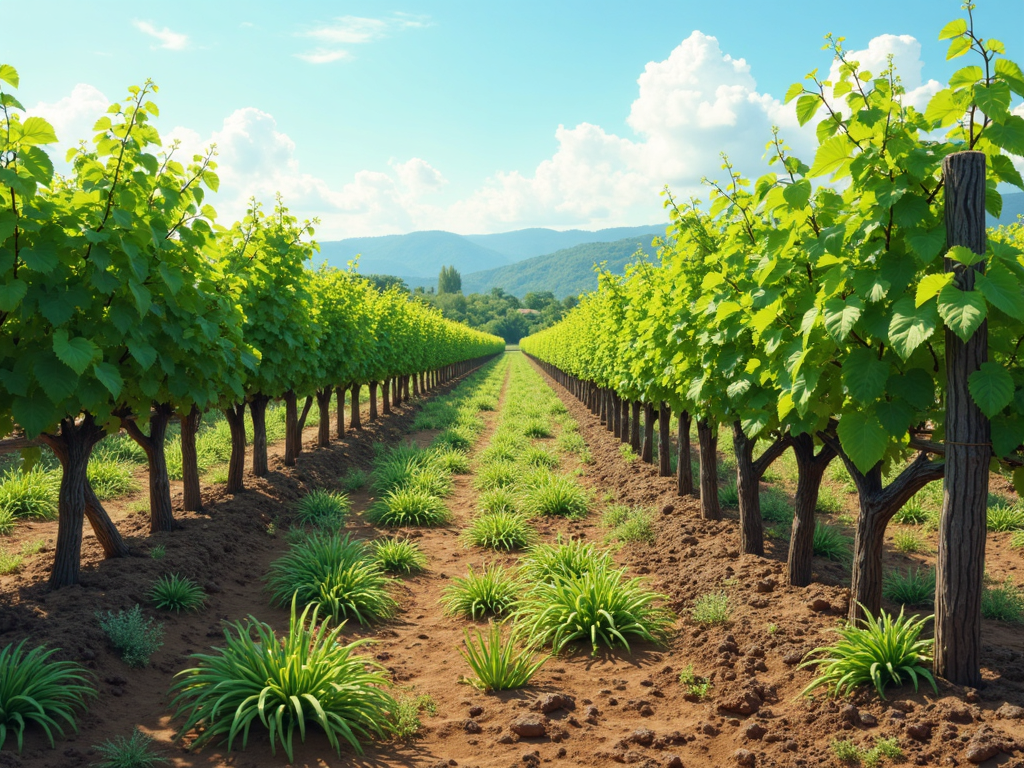
One of the key environmental benefits of organic wine is the reduction in chemical runoff. Synthetic pesticides and fertilizers can leach into waterways, contaminating rivers and harming aquatic life. Organic vineyards, on the other hand, use natural alternatives like compost and cover crops to manage pests and enrich the soil.
Additionally, organic farming practices can improve soil health. By avoiding synthetic chemicals and focusing on natural inputs, organic vineyards can build up organic matter in the soil, which enhances its ability to retain water and nutrients. This not only benefits the vines but also supports a diverse ecosystem of microorganisms and insects.
Sustainability in Modern Winemaking
Sustainability is a buzzword in many industries, and winemaking is no exception. But what does it really mean in the context of wine production? Sustainable winemaking goes beyond just organic farming; it encompasses a holistic approach to environmental stewardship, social responsibility, and economic viability.
Many wineries are adopting sustainable practices to reduce their environmental footprint. For example, some are installing solar panels to generate renewable energy, while others are implementing water conservation measures like drip irrigation and rainwater harvesting. Waste reduction is another key aspect, with wineries finding innovative ways to repurpose grape pomace and other byproducts.
One notable example is Jackson Family Wines, a family-owned company with vineyards in California, Oregon, and beyond. Jackson Family Wines has made sustainability a core part of its mission, with initiatives like certified organic and biodynamic farming, water conservation, and habitat restoration. In fact, the company has set a goal to be 100% sustainable by 2025.

The Rise of New World Wines
New World wine regions, such as those in the Americas, Australia, and South Africa, are known for their innovative approaches to winemaking. Many of these regions are embracing organic and sustainable practices, which is contributing to the quality and popularity of their wines.
For instance, in California's Napa Valley, a growing number of wineries are transitioning to organic farming. This shift is driven by a desire to produce high-quality wines while also protecting the environment. Similarly, in Australia's Margaret River region, winemakers are adopting biodynamic practices, which go beyond organic by emphasizing the vineyard as a self-sustaining ecosystem.
The rise of New World wines is also tied to the increasing demand for wines that are not only delicious but also ethically produced. Consumers are becoming more conscious of the environmental and social impact of their purchases, and this is reflected in their wine choices.
Jackson Family Wines vs. Other Wine Brands
When it comes to sustainability and organic practices, Jackson Family Wines stands out among wine brands. The company has made significant investments in sustainable initiatives, including:
- Certified organic and biodynamic farming: Many of Jackson Family Wines' vineyards are certified organic or biodynamic, meaning they meet strict standards for environmental stewardship.
- Water conservation: The company has implemented advanced irrigation systems and water recycling programs to reduce water usage.
- Habitat restoration: Jackson Family Wines has partnered with conservation organizations to restore native habitats and protect biodiversity.
In comparison, while many wine brands are making strides in sustainability, few have the same level of commitment and scale as Jackson Family Wines. For example, some brands may focus on organic farming but neglect other aspects of sustainability, like energy efficiency or waste reduction. Others may have sustainability programs but lack third-party certification to verify their claims.
That said, there are other wine brands that are also leaders in sustainability. For instance, Fetzer Vineyards in California has been a pioneer in organic and biodynamic winemaking for decades. Similarly, Yealands Estate in New Zealand has implemented innovative sustainability practices, such as using sheep to mow the vineyards and generating renewable energy from grape pomace.
Ultimately, when choosing a wine brand, it's important to look for those that prioritize sustainability and have a track record of environmental stewardship.
Summary
Organic wine offers a compelling choice for those who care about taste and the environment. By choosing organic, you're supporting farming practices that promote soil health, biodiversity, and reduced chemical use. Additionally, the rise of sustainable winemaking practices is shaping the future of the industry, with brands like Jackson Family Wines leading the way.
When selecting your next bottle, look for wines that are certified organic or biodynamic, and consider brands with a strong commitment to sustainability. By making informed choices, you can enjoy delicious wine while also supporting a healthier planet.