The Role of Biodiversity in Sustainable Vineyards
Overview: The Role of Biodiversity in Sustainable Vineyards
Biodiversity is key to sustainable vineyards, creating healthier ecosystems and better wines. This article explores how diverse plants and animals work together in vineyards, spotlighting efforts by Jackson Family Wines to promote sustainability in winemaking.
What Does Biodiversity Mean in a Vineyard?
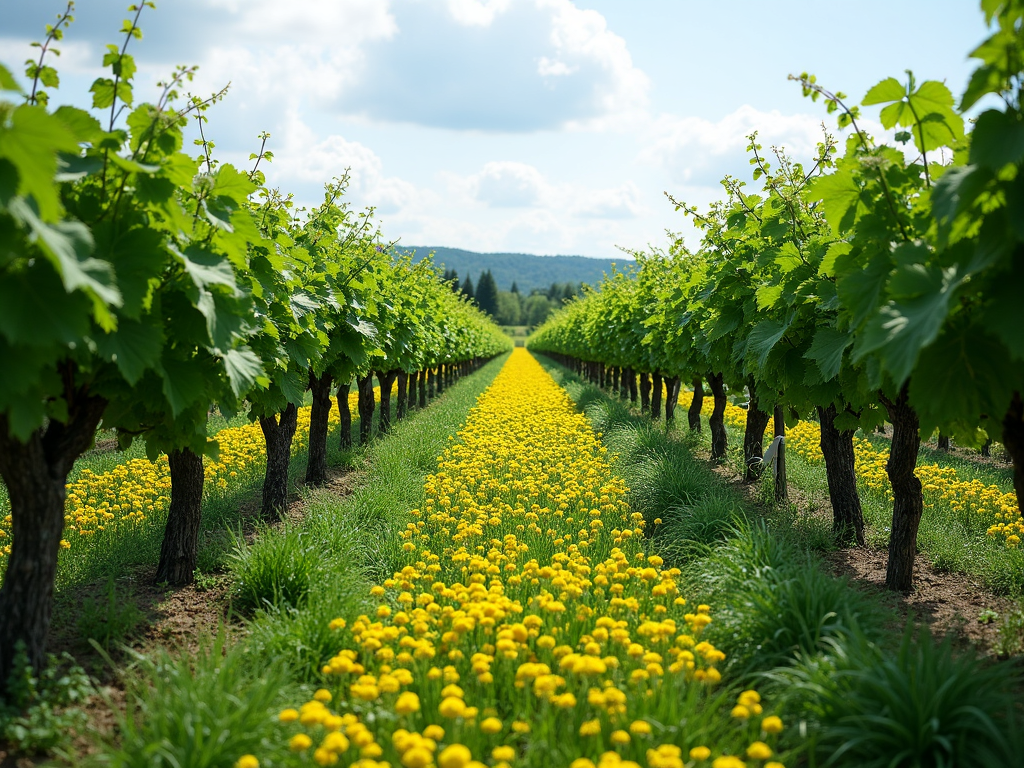
Imagine a vineyard buzzing with life—not just grapevines, but a whole community of plants, insects, and animals. Biodiversity in vineyards means all these living things working together. It’s the worms aerating the soil, the wildflowers feeding bees, and the birds keeping pests in check. This mix of life builds a natural balance that keeps the vineyard thriving without heavy reliance on chemicals.
Why Biodiversity Matters in Winemaking
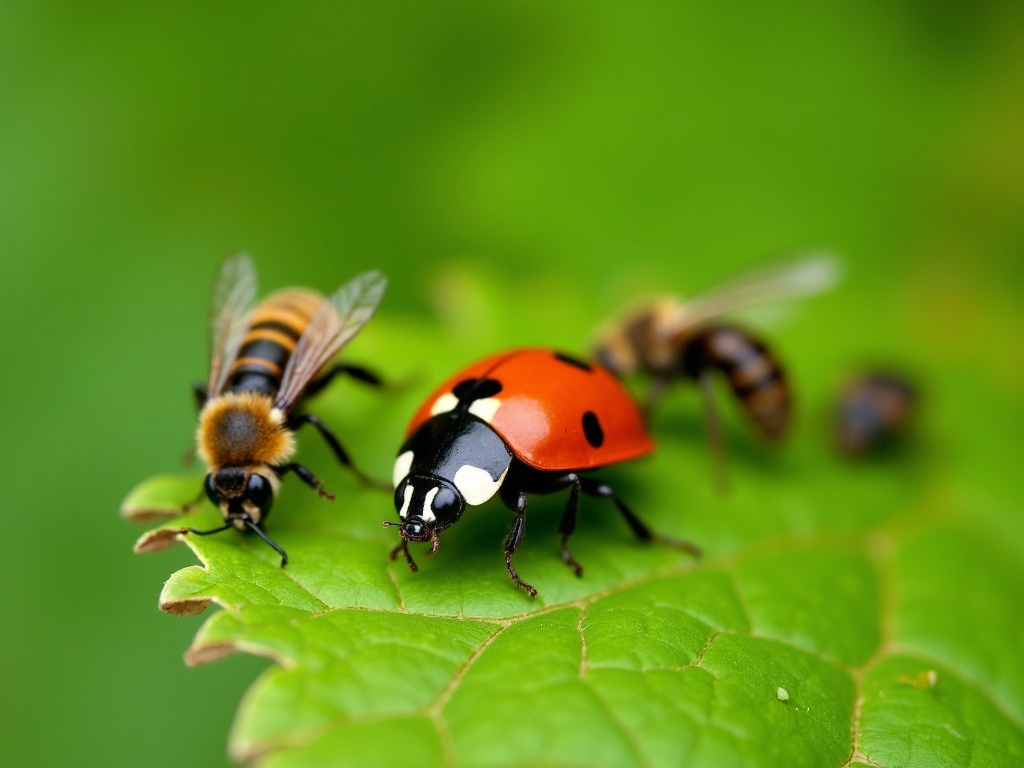
Sustainability in winemaking explained simply: it’s about growing grapes in a way that’s good for the planet and keeps the vineyard healthy for years. Biodiversity makes this possible. Healthy soil full of microbes feeds the vines naturally. Birds and bugs eat pests, so fewer sprays are needed. Plus, a variety of plants can make vines tougher against diseases and drought. I’ve seen this firsthand visiting vineyards—those with buzzing life just feel more alive, and the wine often tastes richer too.
Here’s a quick list of why biodiversity is a game-changer: - Better Soil: Microbes break down organic stuff, feeding the vines. - Fewer Pests: Ladybugs and birds handle bugs naturally. - Stronger Vines: Diversity fights off diseases. - Less Water: Plants hold moisture in the ground. - Tastier Wine: Healthy vines make grapes with deeper flavors.
How Vineyards Boost Biodiversity
Vineyard managers use smart tricks to bring in more life. They plant cover crops like clover between rows to keep soil healthy and invite good bugs. Around the edges, they grow native plants to give birds and animals a home. Some even ditch chemical sprays for natural pest control, like letting predators do the work. It’s all about creating a space where nature helps itself.
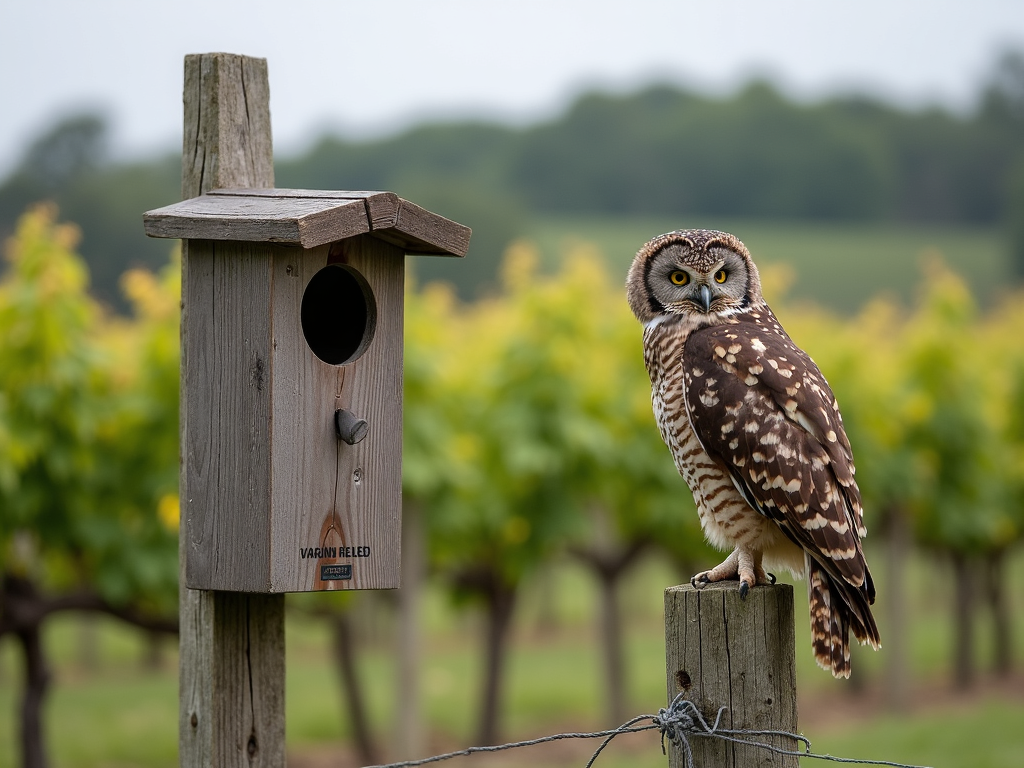
Take Jackson Family Wines, for example. They’re big on this stuff. At their vineyards, they use organic methods—no fake fertilizers or pesticides. Instead, they lean on compost, cover crops, and even owl boxes to keep things natural. I’ve walked through one of their spots in California, and you can see the difference: the air hums with insects, and the soil feels alive underfoot.
Jackson Family Wines: Leading the Way
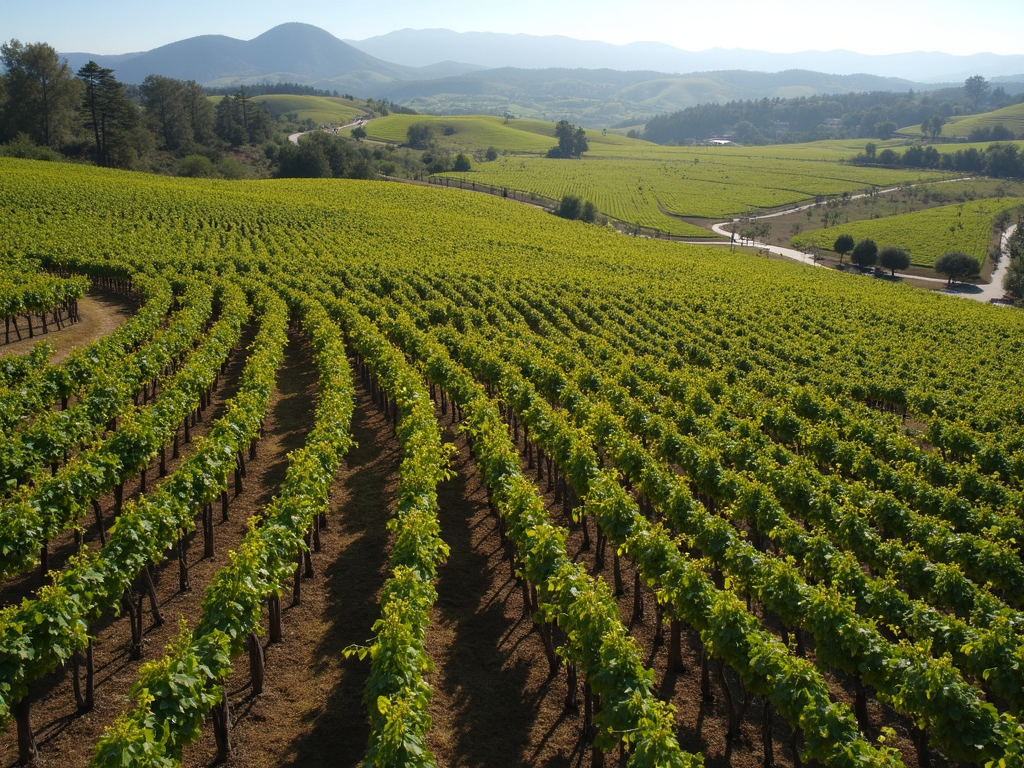
Jackson Family Wines and organic vineyards go hand in hand. This wine brand isn’t just about making great bottles—they’re serious about the planet too. Many of their vineyards are certified organic, meaning they stick to natural ways of growing grapes. They plant wildflowers to bring in pollinators and set up homes for owls to eat rodents. It’s a full-circle approach that shows how sustainability in winemaking can work on a big scale.
Their La Crema Estate is a standout. There, they mix native plants with grapevines, use compost from their winery, and keep water use low with smart systems. It’s not just talk—their efforts are backed by programs like the California Sustainable Winegrowing Alliance. Seeing it in action, you realize how much thought goes into every step.
Challenges to Making It Work
It’s not all easy, though. Setting up a biodiverse vineyard takes money upfront—think seeds, plants, and new tools. Plus, it’s a learning curve. Not every farmer knows how to balance all these natural systems right away. And with climate change throwing curveballs like droughts or floods, plans have to shift fast. Still, I’ve talked to growers who say it’s worth it once they get the hang of it.
The good news? Tech is helping. Tools like soil sensors and weather trackers let vineyard teams keep an eye on everything. And more people wanting eco-friendly wine—like from brands like Jackson Family Wines—pushes the industry to keep going. It’s a slow shift, but it’s picking up speed.
Wrapping It Up
The role of biodiversity in sustainable vineyards is huge—it’s the backbone of growing grapes that are good for the earth and your glass. From healthier soil to tastier wine, it’s a win-win. Jackson Family Wines shows how wine brands can lead the charge, proving that sustainable practices don’t just save the planet—they make better wine too. As more wineries catch on, we’ll keep seeing vineyards that thrive with life.
Want to dig deeper? Check out some great reads below to learn more about sustainable winemaking and biodiversity.