Sustainable Winemaking: How Beringer Leads the Way
Sustainable winemaking is an approach that aims to produce wine in a way that is environmentally friendly, socially responsible, and economically viable. Beringer, one of the most respected wine brands in the world, has been at the forefront of this movement, implementing innovative sustainable practices in their vineyards and wineries.
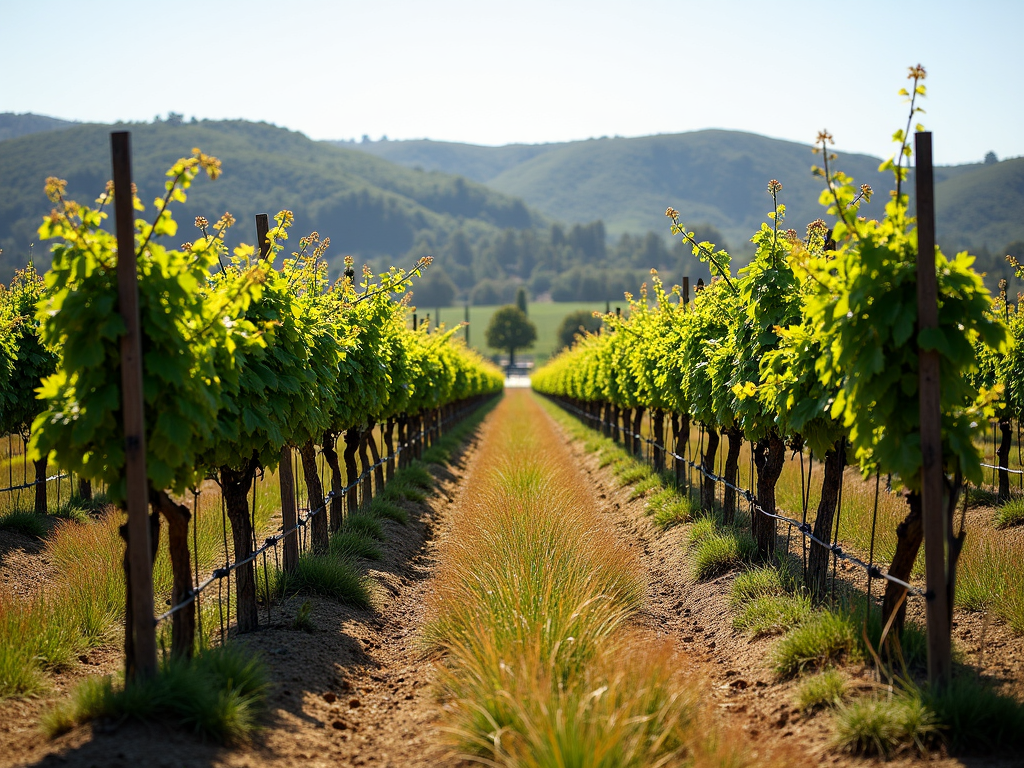
At the heart of sustainable winemaking is the way vineyards are managed. Beringer has embraced organic farming practices to minimize the use of synthetic chemicals and promote biodiversity.
They use cover crops to improve soil health and prevent erosion, and they encourage natural predators to control pests, reducing the need for pesticides.
For example, in their Napa Valley vineyards, Beringer has implemented a program to plant native grasses and flowers between the vine rows. This not only enhances the beauty of the landscape but also provides habitat for beneficial insects and improves soil structure.
Moreover, Beringer is committed to preserving biodiversity. They have set aside portions of their land as natural habitats, allowing native plants and animals to thrive. This helps maintain a balanced ecosystem, which is crucial for the long-term health of the vineyards.
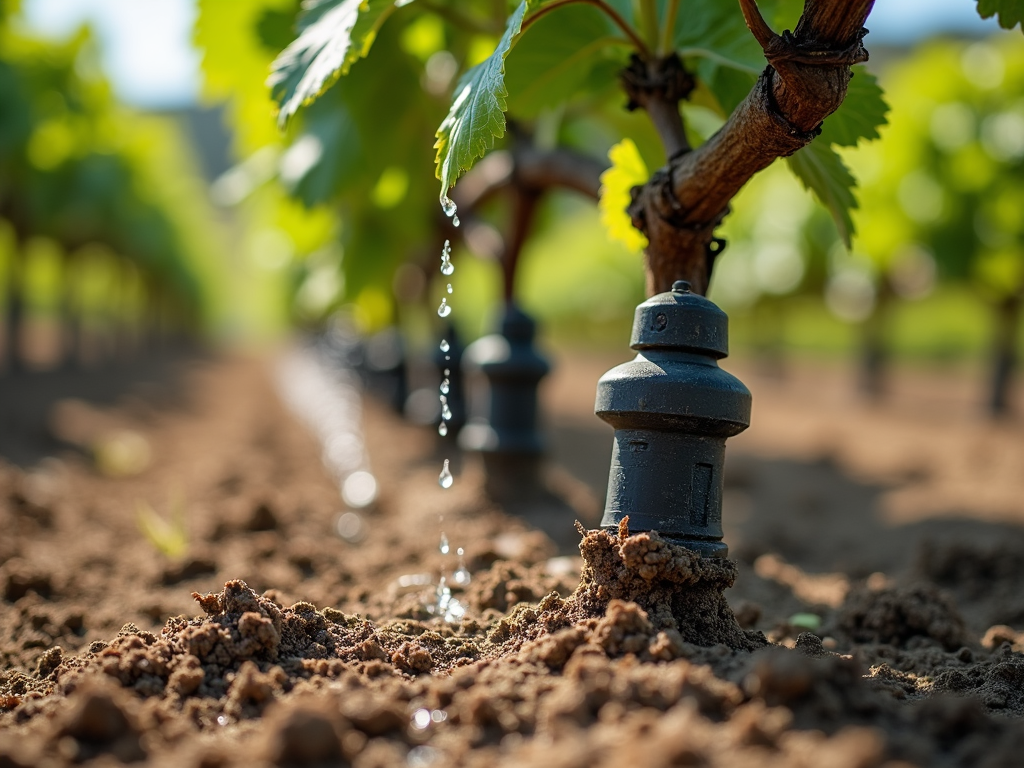
Water is a precious resource, especially in regions like California where droughts are common. Beringer has implemented several measures to reduce water usage and ensure efficient irrigation.
One of their key strategies is the use of drip irrigation systems, which deliver water directly to the roots of the vines, minimizing evaporation and runoff. They also monitor soil moisture levels to determine exactly when and how much to water, avoiding over-irrigation.
Additionally, Beringer has invested in water recycling systems. Wastewater from the winery is treated and reused for irrigation, reducing the demand for fresh water.
For instance, at their St. Helena winery, they have a state-of-the-art water treatment facility that processes wastewater to a high standard, making it suitable for vineyard irrigation.

Reducing energy consumption and transitioning to renewable sources is another crucial aspect of sustainable winemaking. Beringer has made significant strides in this area.
They have installed solar panels on their winery buildings, generating clean energy to power their operations. In fact, their St. Helena winery is one of the largest solar-powered wineries in California, with over 1,000 solar panels producing enough electricity to meet a substantial portion of their energy needs.
Furthermore, Beringer has upgraded their equipment to more energy-efficient models, such as high-efficiency boilers and LED lighting, reducing their overall energy consumption.
They are also exploring ways to reduce their carbon footprint, such as optimizing transportation logistics and using lighter-weight bottles to decrease shipping emissions.
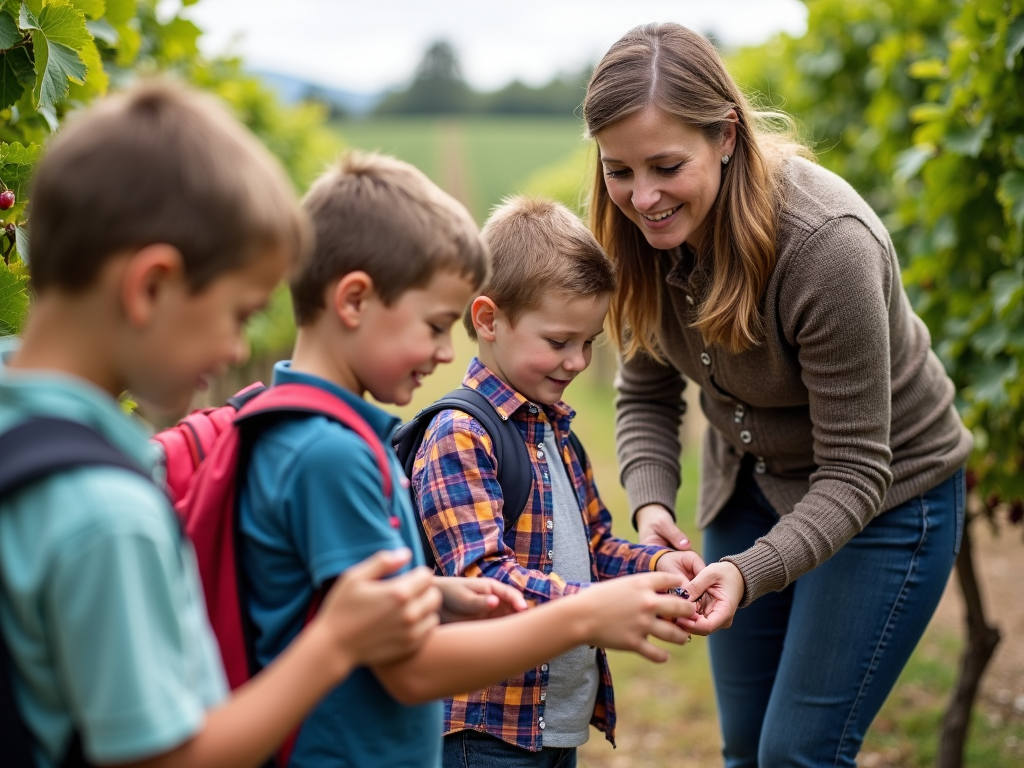
Sustainable winemaking isn't just about environmental practices; it also involves social responsibility. Beringer is deeply committed to supporting their local communities and ensuring fair labor practices.
They provide fair wages and benefits to their employees and invest in training and development programs. They also engage with local schools and organizations to promote education and environmental awareness.
For example, Beringer has partnered with local schools to create educational programs about sustainable agriculture and winemaking. They also host community events and support local charities.
Additionally, Beringer is involved in industry-wide initiatives to promote sustainability. They are members of the California Sustainable Winegrowing Alliance and have received certifications for their sustainable practices.
One might wonder if sustainable practices compromise the quality of the wine. On the contrary, many argue that sustainable winemaking can enhance the quality by promoting healthier vines and more expressive terroir.
Beringer's wines are renowned for their quality and have won numerous awards. Their commitment to sustainability has not only preserved the environment but also contributed to the distinct character of their wines.
For instance, their use of organic farming practices can lead to more concentrated flavors in the grapes, as the vines are encouraged to develop deeper root systems.
Moreover, by preserving the natural ecosystem, Beringer ensures that their vineyards can continue to produce exceptional grapes for generations to come.
Beringer's portfolio includes a wide range of wines, from crisp whites to full-bodied reds. Here are some tasting notes for their flagship wines:
-
Beringer Private Reserve Chardonnay: This wine exhibits aromas of ripe apple, pear, and citrus, with hints of vanilla and oak. On the palate, it is rich and creamy, with a long, elegant finish.
-
Beringer Knights Valley Cabernet Sauvignon: This Cabernet offers notes of blackberry, cassis, and dark chocolate, with subtle hints of herbs and spices. It has firm tannins and a structured, lingering finish.
-
Beringer Founders' Estate Pinot Noir: This Pinot Noir features aromas of cherry, raspberry, and earth, with a silky texture and bright acidity. It pairs well with a variety of dishes.

Beringer's leadership in sustainable winemaking has set a benchmark for other wine brands to follow. By demonstrating that sustainability and quality can go hand in hand, they have inspired many wineries to adopt similar practices.
Moreover, as consumers become increasingly conscious of environmental and social issues, sustainable winemaking is becoming a key differentiator in the market. Wine brands that prioritize sustainability are likely to attract a loyal customer base.
Beringer has also been transparent about their sustainability efforts, sharing their knowledge and best practices with the industry. This collaborative approach helps to advance sustainable winemaking on a larger scale.
In conclusion, Beringer is leading the way in sustainable winemaking through their innovative practices in vineyard management, water conservation, energy use, and community involvement. Their commitment to sustainability not only protects the environment and supports local communities but also enhances the quality of their wines. As a pioneer in this field, Beringer is setting new standards for the wine industry and inspiring others to follow suit.