Decoding Wine Labels: A Beginner’s Guide to Understanding Wine Labels
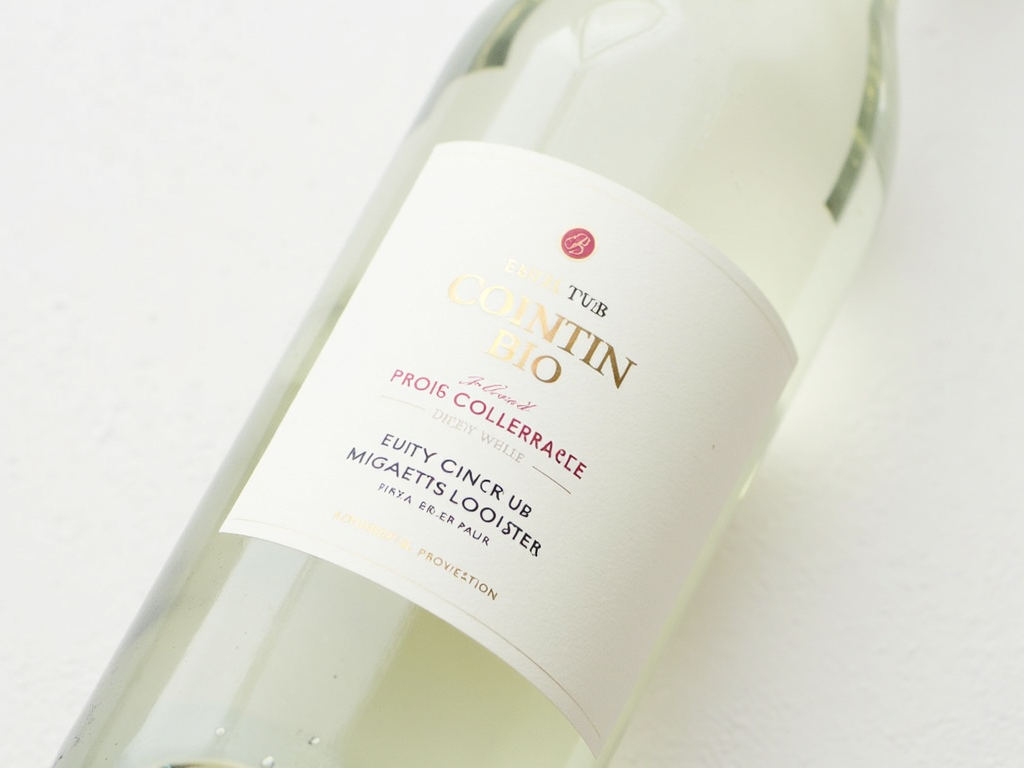
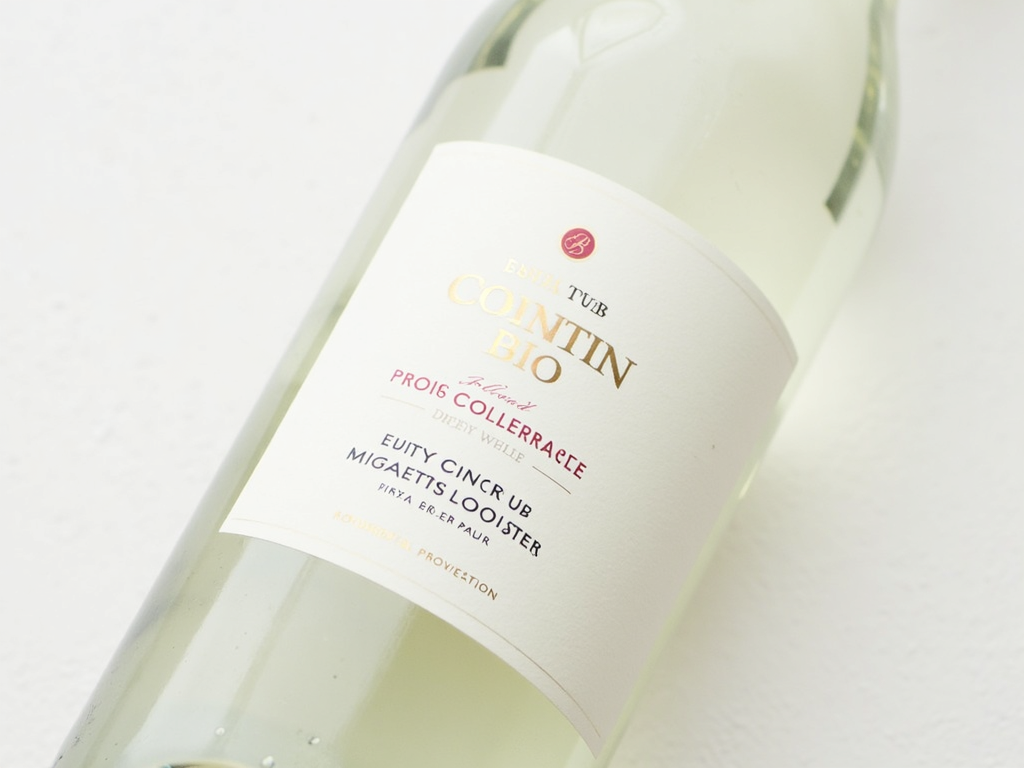
Have you ever stared at a wine bottle, puzzled by its label? Don’t worry—you’re not alone! Understanding wine labels can feel overwhelming, but it’s simpler than it looks. This guide will walk you through the key details on a label and show you how to pick the right bottle. We’ll even share tips on pairing food with Jackson Family Wines. Let’s dive in!
The Producer: Who Makes Your Wine
Ever wondered why some wines stand out, even if they’re from the same place? It’s all about the producer. They’re the ones who grow the grapes and turn them into wine. A trusted name like Jackson Family Wines, for example, often means quality you can count on. They’ve been making great wines for years, with vineyards in top spots around the world.
How to Spot a Good Producer
So, how do you find a producer you can trust? Check for awards or good reviews from wine experts. Ask wine shop staff for their picks, too. Big names like Jackson Family Wines often have a track record of excellence, but smaller producers can surprise you with hidden gems.

The Region: Where the Grapes Grow
The region on a wine label tells you where the grapes come from—and that matters a lot. Think of it like a hometown for the wine. A place like Napa Valley, California, might give you bold, fruity flavors, while Tuscany, Italy, could offer something earthy and smooth. Each spot shapes the wine in its own way.
Why Region Changes Everything
The soil, weather, and even the hills in a region—what experts call ‘terroir’—affect how the grapes taste. Cool areas make crisp, light wines. Warm ones create richer, heavier ones. Next time you see a region on a label, think about what kind of flavor you’re in the mood for!
The Grape Variety: What’s Inside the Bottle
The grape variety is the star of the show. It’s what gives the wine its flavor. Cabernet Sauvignon brings bold, dark fruit tastes. Chardonnay can be fresh and zesty or creamy and rich. Pinot Noir? That’s lighter, with red berry notes. The label usually tells you the main grape—or grapes, if it’s a blend.
A Quick Guide to Popular Grapes
Here’s a short list to help you: - Cabernet Sauvignon: Strong, great with beef. - Chardonnay: Versatile, try it with chicken. - Pinot Noir: Smooth, perfect for salmon. Knowing the grape helps you guess what you’ll taste before you pour.
The Vintage: Why the Year Counts
The vintage is the year the grapes were picked. It’s a big deal because weather changes every year. A sunny, warm year might make amazing wine, while a rainy one could be less exciting. For example, 2018 was a fantastic year for many California wines, including some from Jackson Family Wines.
How to Use the Vintage
Want to pick a winner? Look up the vintage online—sites like Wine Spectator rate years by region. If you’re buying wine to save for later, a good vintage can age better, too. It’s like picking the best season for your favorite fruit.
Other Details: Extra Clues on the Label
Labels often have more to tell you. The alcohol percentage shows how strong the wine is—higher numbers mean a bigger, bolder taste. You might see ‘organic’ or ‘sustainable,’ which means the grapes were grown with care for the planet. Awards or scores from critics can hint at quality, too.
Decoding the Fine Print
Here’s what to notice: - Alcohol: 12-14% is common; higher can feel richer. - Certifications: ‘Organic’ means no harsh chemicals. - Awards: A gold medal is a good sign. These little bits help you know what you’re getting.
Pairing Food with Jackson Family Wines: Tasty Matches
Wine shines brightest with the right food. Jackson Family Wines makes lots of styles, so there’s something for every meal. Their Chardonnay tastes amazing with creamy pasta or roasted chicken. Pinot Noir loves grilled salmon or mushrooms. And their Cabernet Sauvignon? Pair it with steak or lamb for a treat.
Easy Pairing Tips
Not sure where to start? Match Hawkins! Here’s a simple trick: match the wine’s weight to the food’s. Light wines like Pinot Noir go with lighter dishes. Heavy hitters like Cabernet suit rich, hearty meals. Try this with Jackson Family Wines—it’s a fun way to enjoy their range.
My Favorite Combo
Once, I tried Jackson Family Wines’ Chardonnay with a buttery shrimp dish. The wine’s smooth, oaky flavor made every bite pop. It’s moments like that that make understanding wine labels worth it—you find perfect pairings!

Wrapping Up: Your Wine Label Toolkit
Understanding wine labels doesn’t have to be hard. Look at the producer, region, grape, vintage, and extra details—they’re your map to great wine. Brands like Jackson Family Wines make it even easier with their quality and variety. Use these tips next time you shop, and enjoy every sip—especially with a tasty meal!